Mahé – Between Clouds and Waves
Sometimes an island shows you what life truly means – and Mahé does that exceptionally well. The Morne Blanc Trail is one of those hikes you start with great motivation and continue with mild existential doubt. After the first few meters, it’s clear: the jungle insists on being part of the conversation. Slippery roots, steep climbs, and that heavy, humid air that feels like a warm embrace from Mother Nature – just without the concept of personal space.
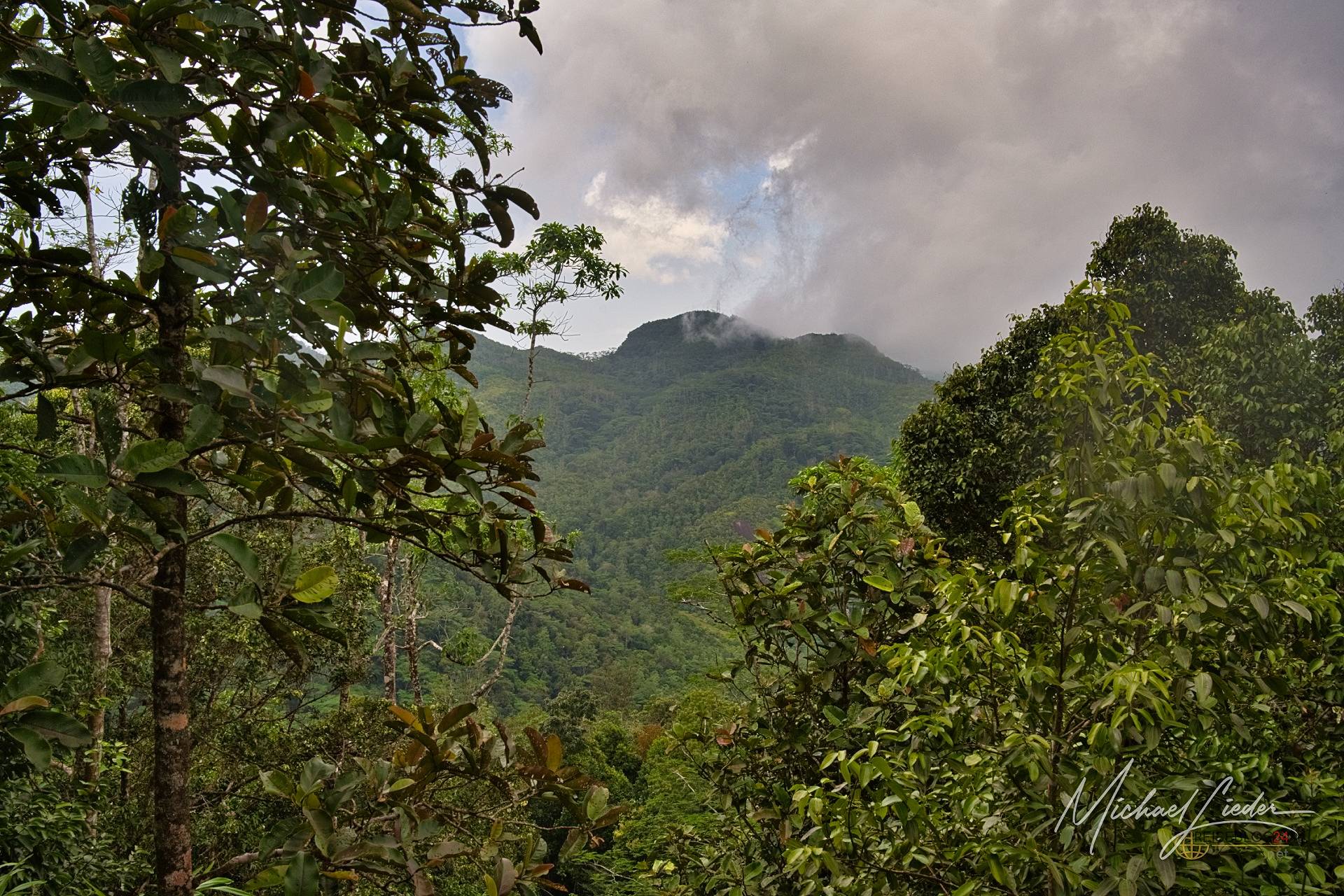
But those who persevere are rewarded: at the top (weather gods permitting), you’re greeted by a panorama that looks as if someone set paradise to wide-angle mode.
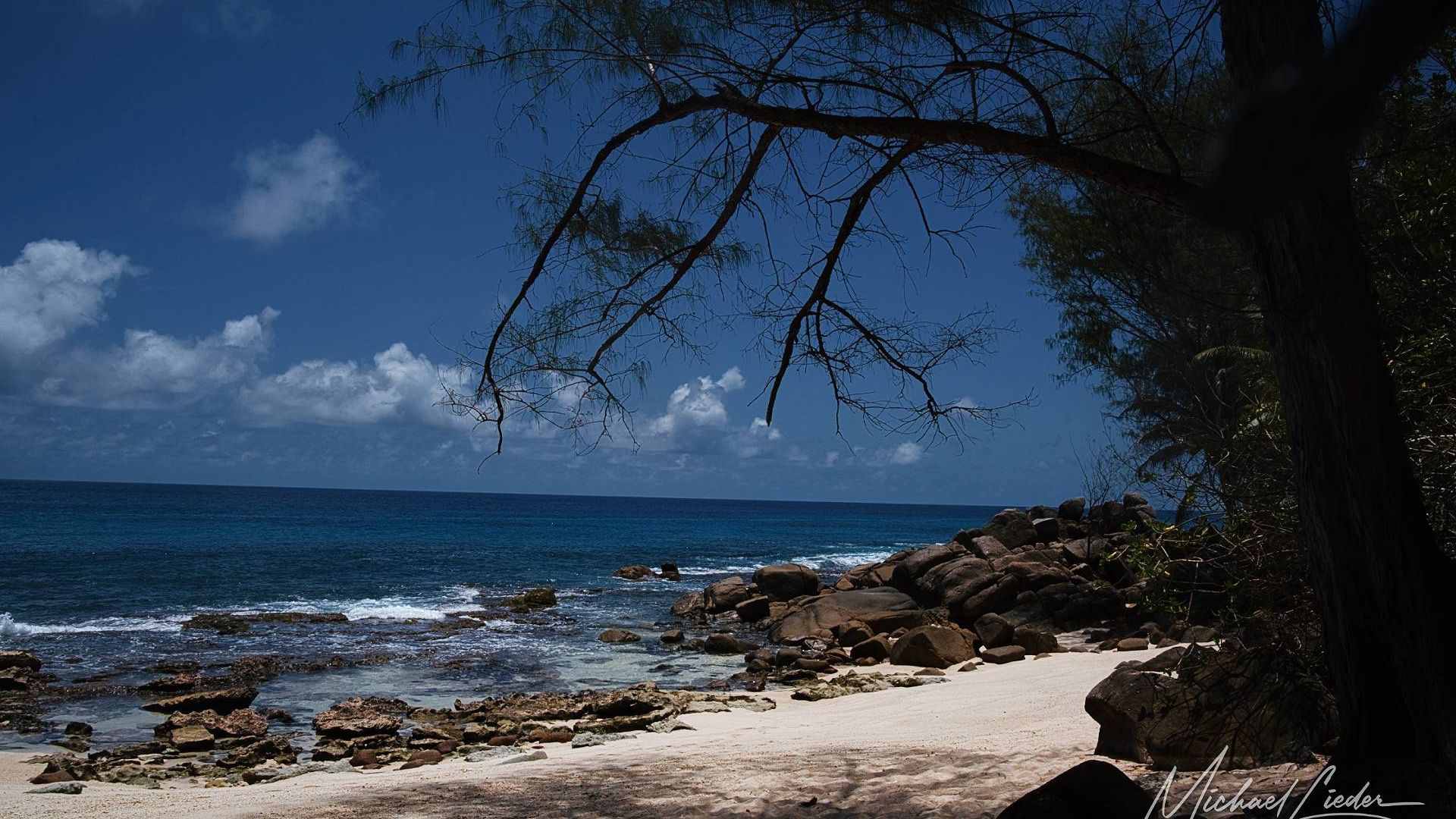
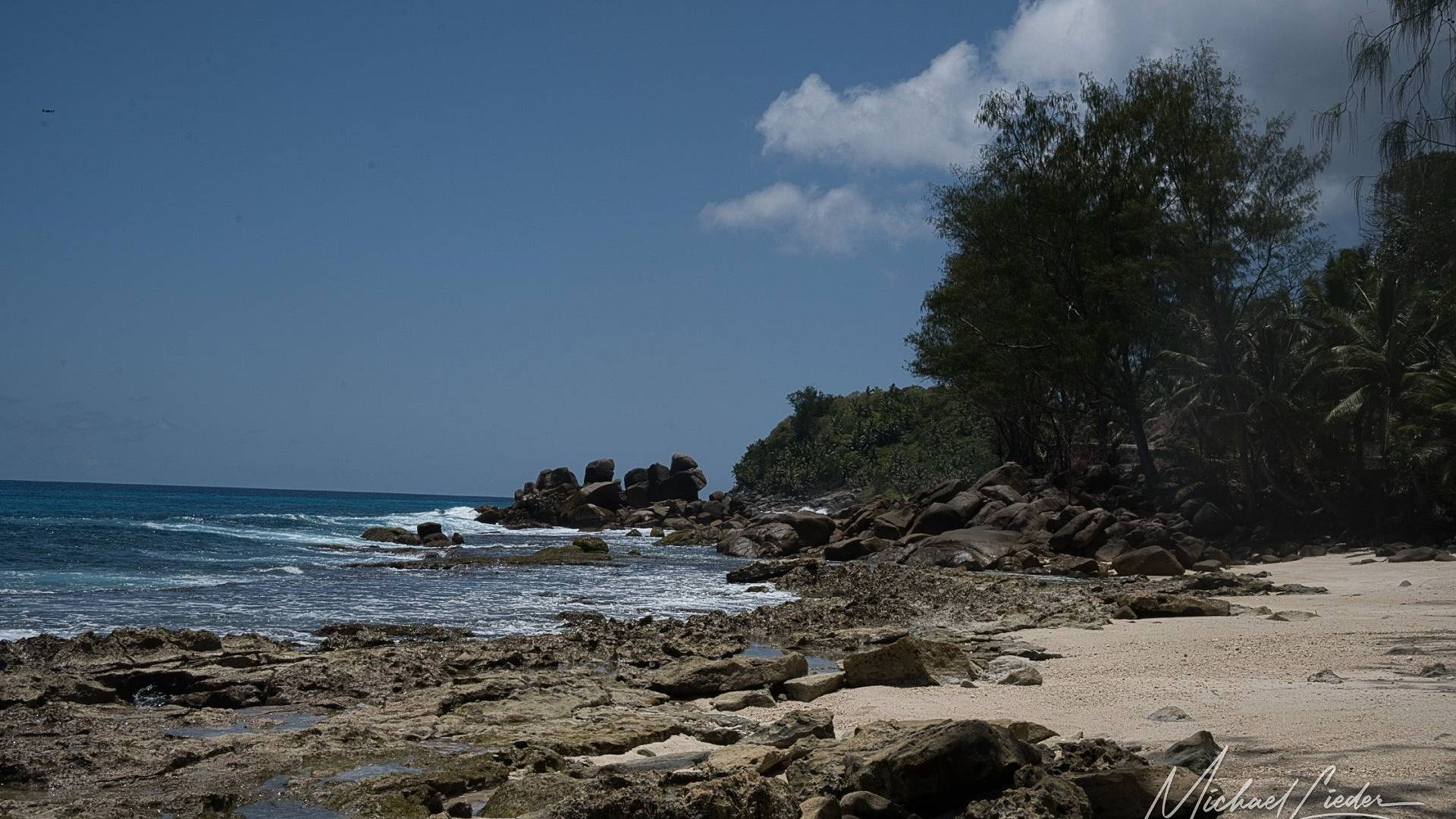
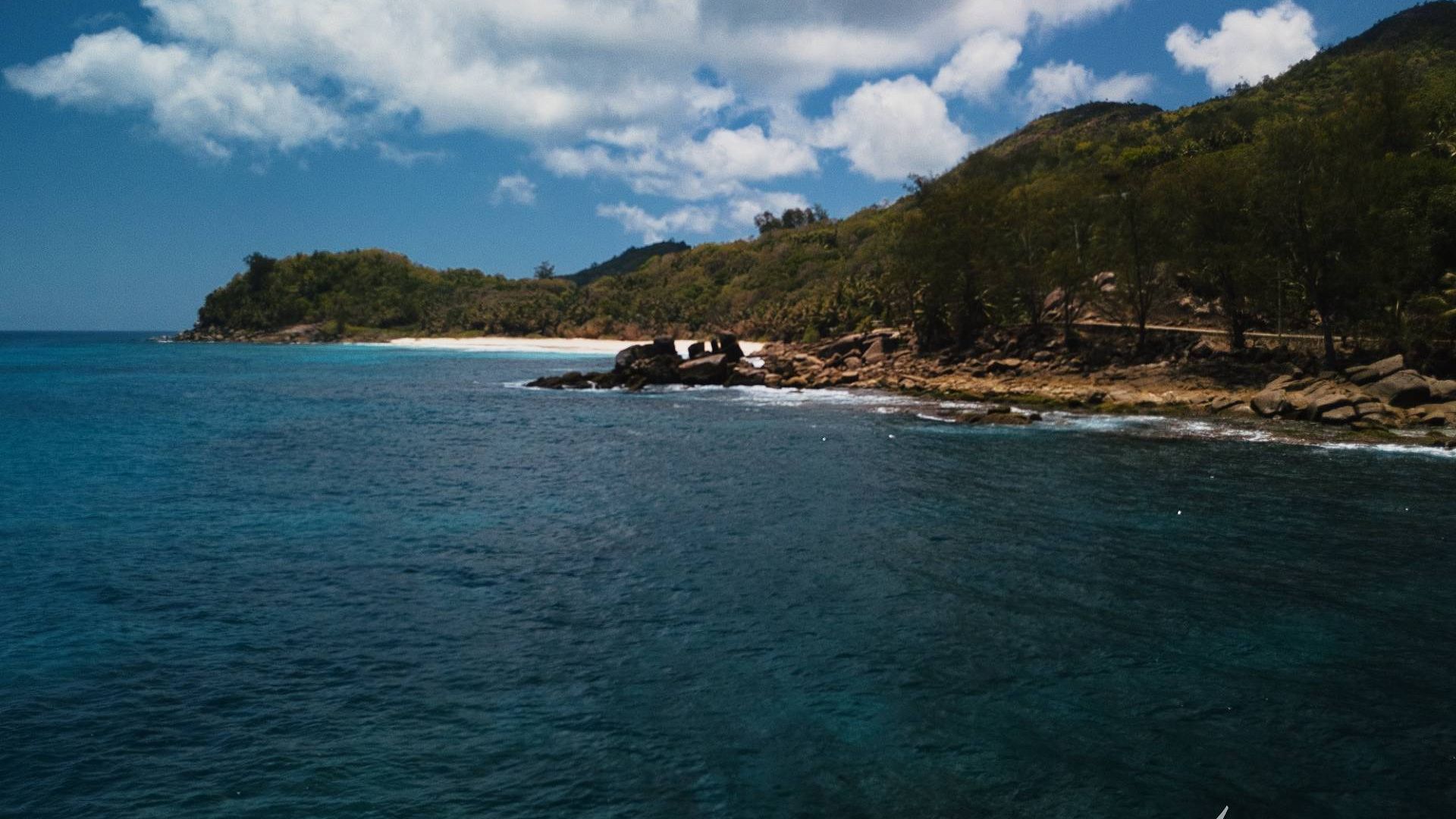
And then – scene change. Down from the clouds, back to the coast, where Police Bay awaits. Few places on Mahé feel as untamed: fine sand, mighty waves, and not a single hotel in sight. Here, the Indian Ocean roars as if to remind you how small you are – and how wonderful that can be. No noise, no beach chairs – just you, the sea, and that one fleeting moment when time itself seems to hold its breath.
Two places, one day – and the realization that adventure and serenity are often closer than you think. The climb up burns in your calves, the view down sinks under your skin. And in the end, one thought remains:
If every hike ended with sand between your toes instead of blisters on your feet – you’d probably never stop walking.
One kilometer up, one kilometer down, 200 meters of elevation. Sounds harmless, right? That’s what the sign said, at least. “Manageable,” I thought. “A nice little stroll with a view.” Well – spoiler alert: Morne Blanc has other plans.
Roots, Rocks, and the Jungle’s Sense of Humor
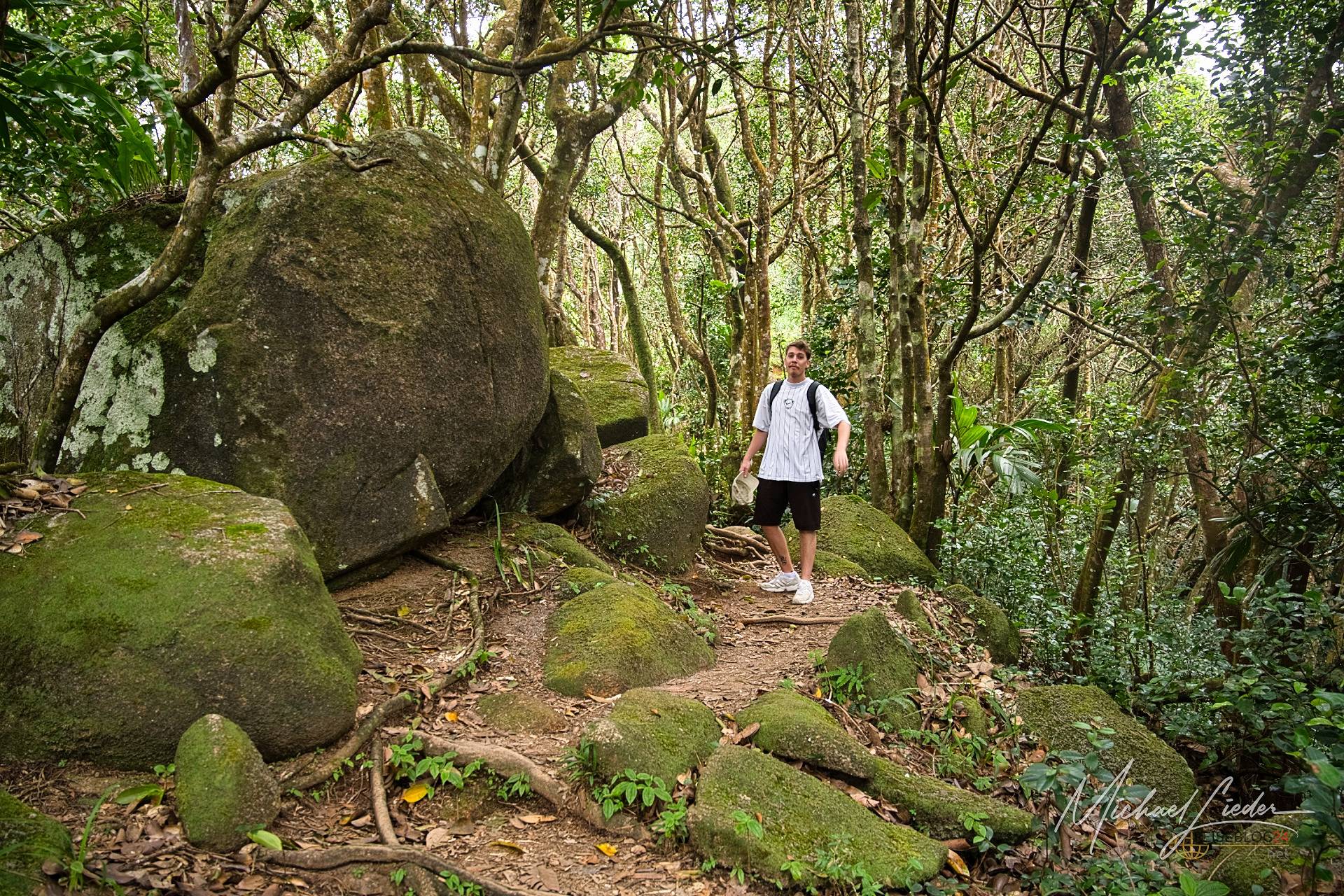
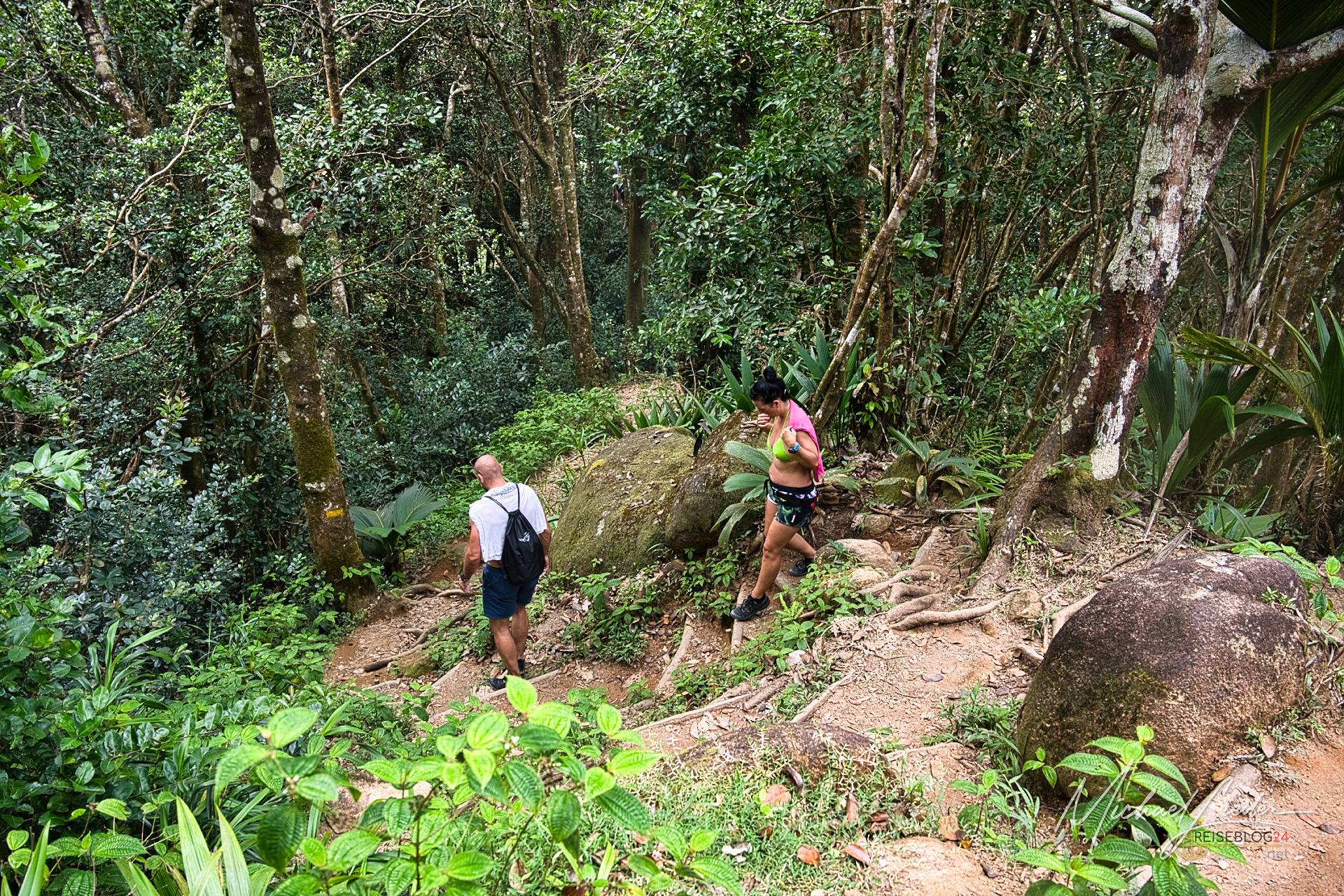
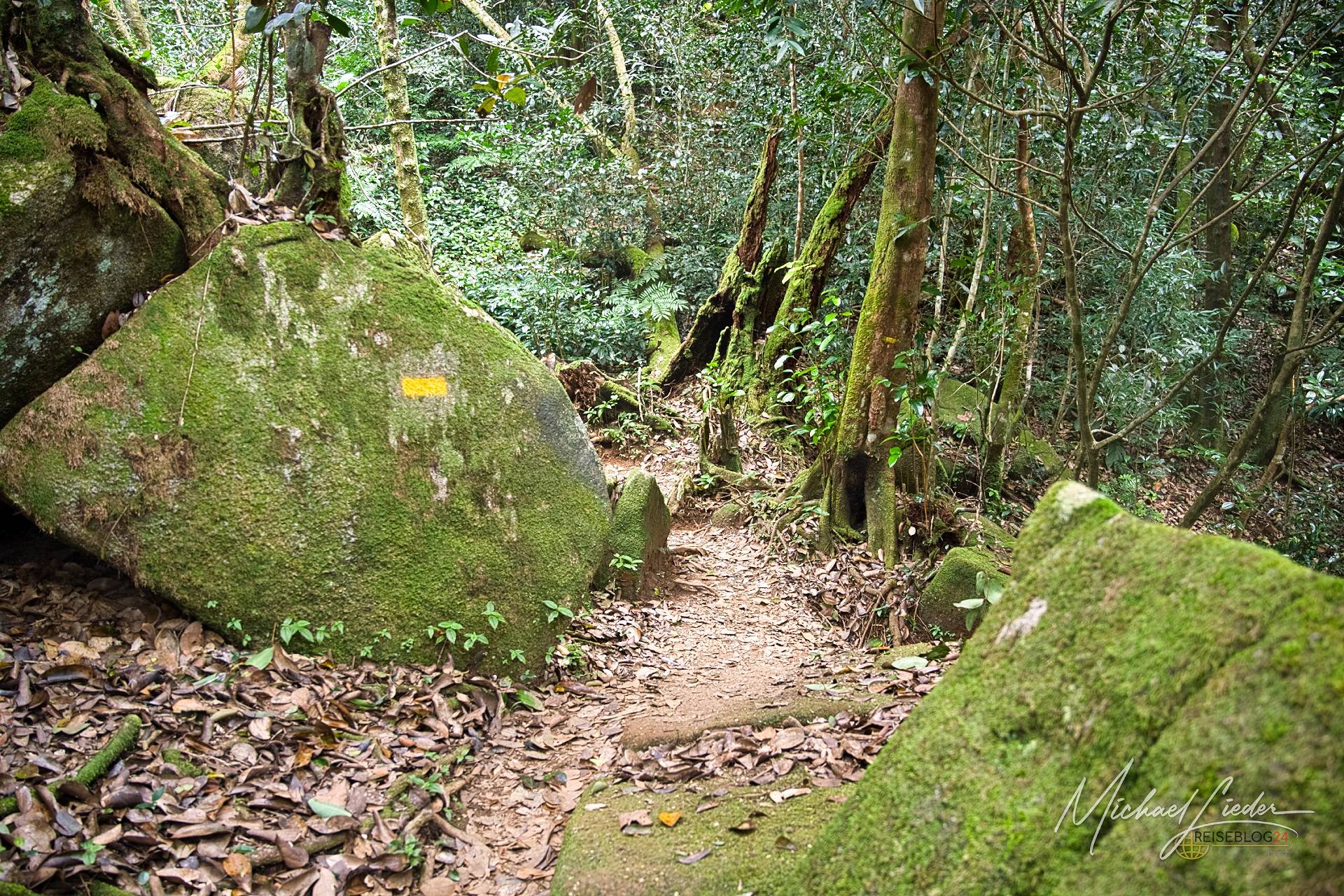
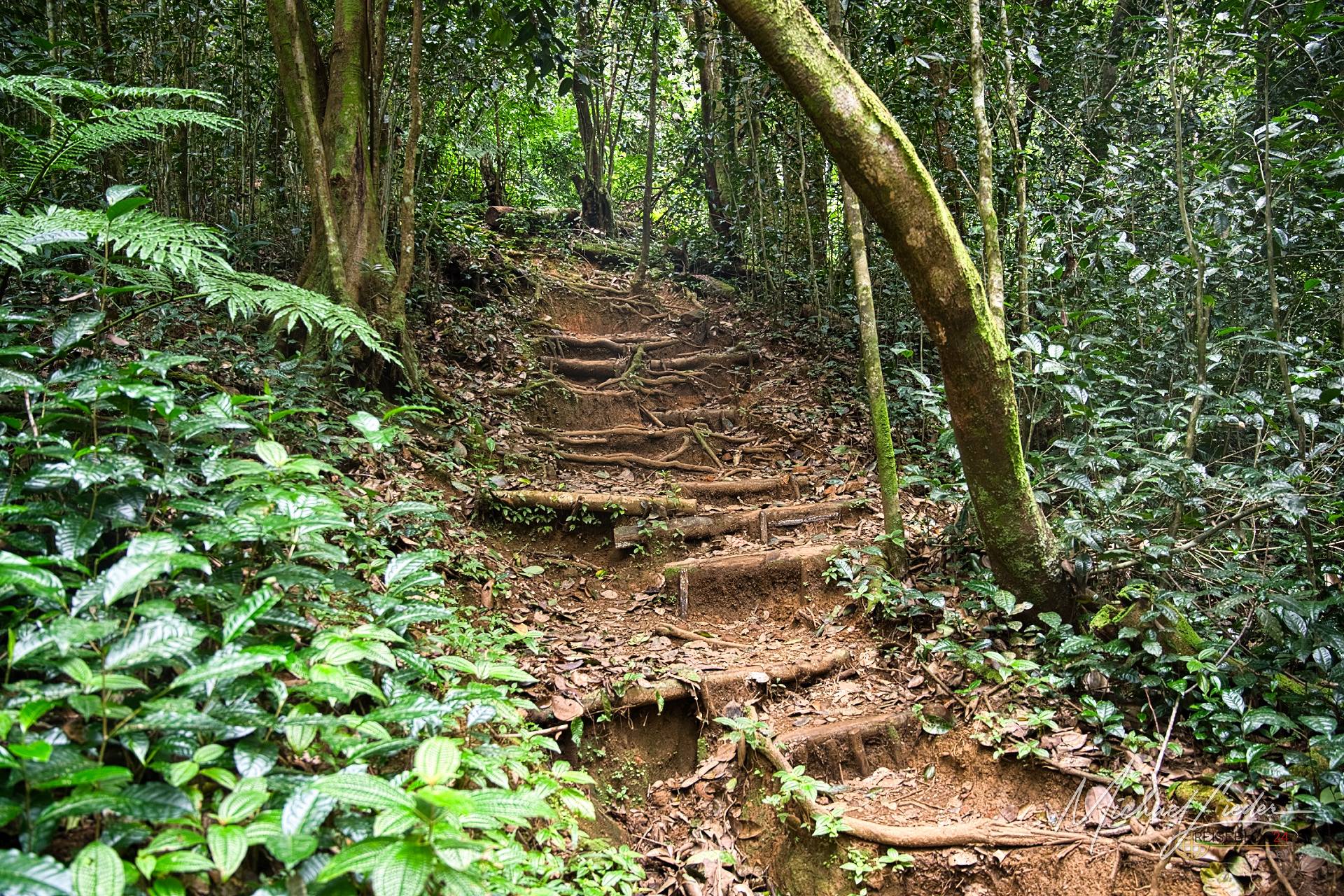
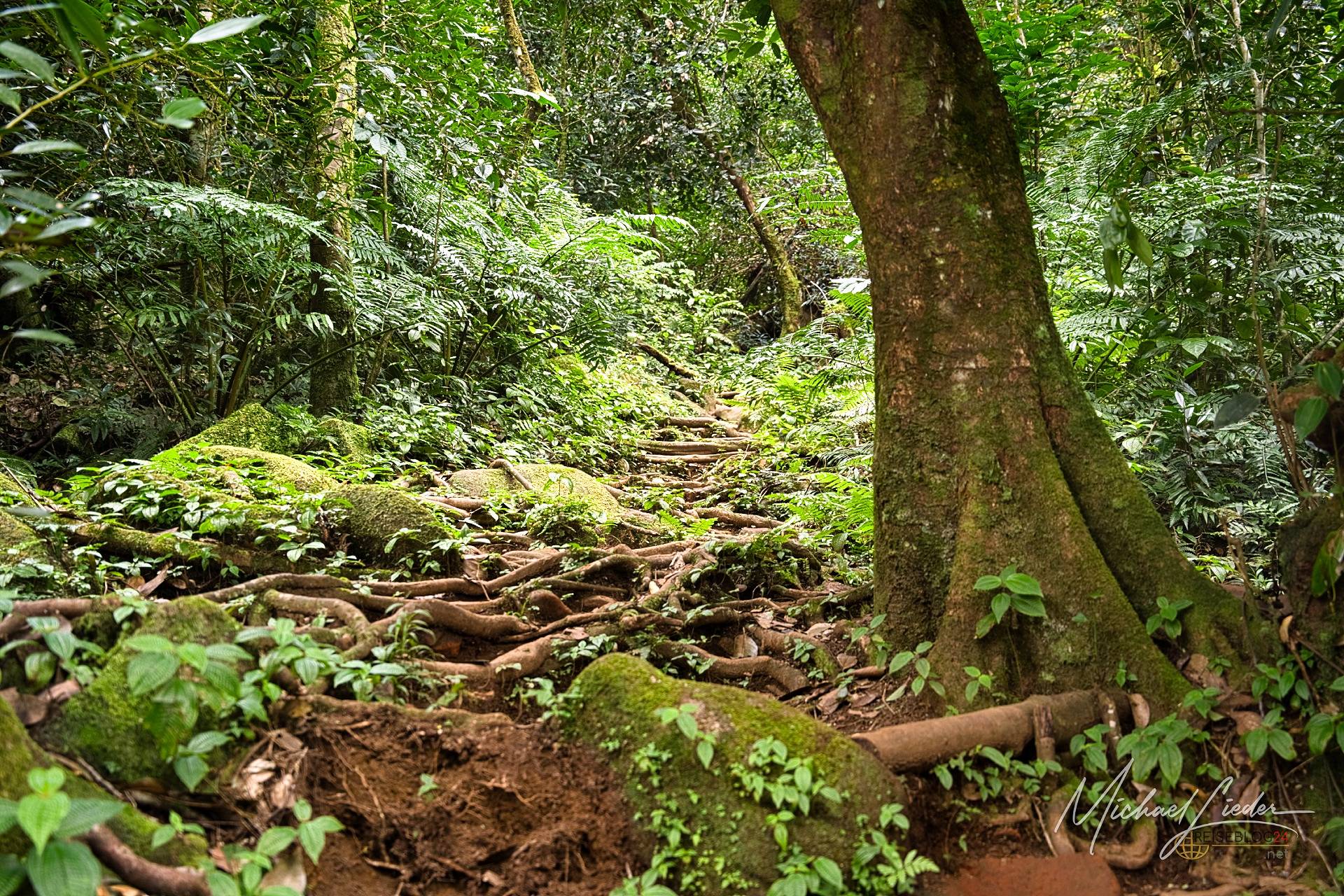
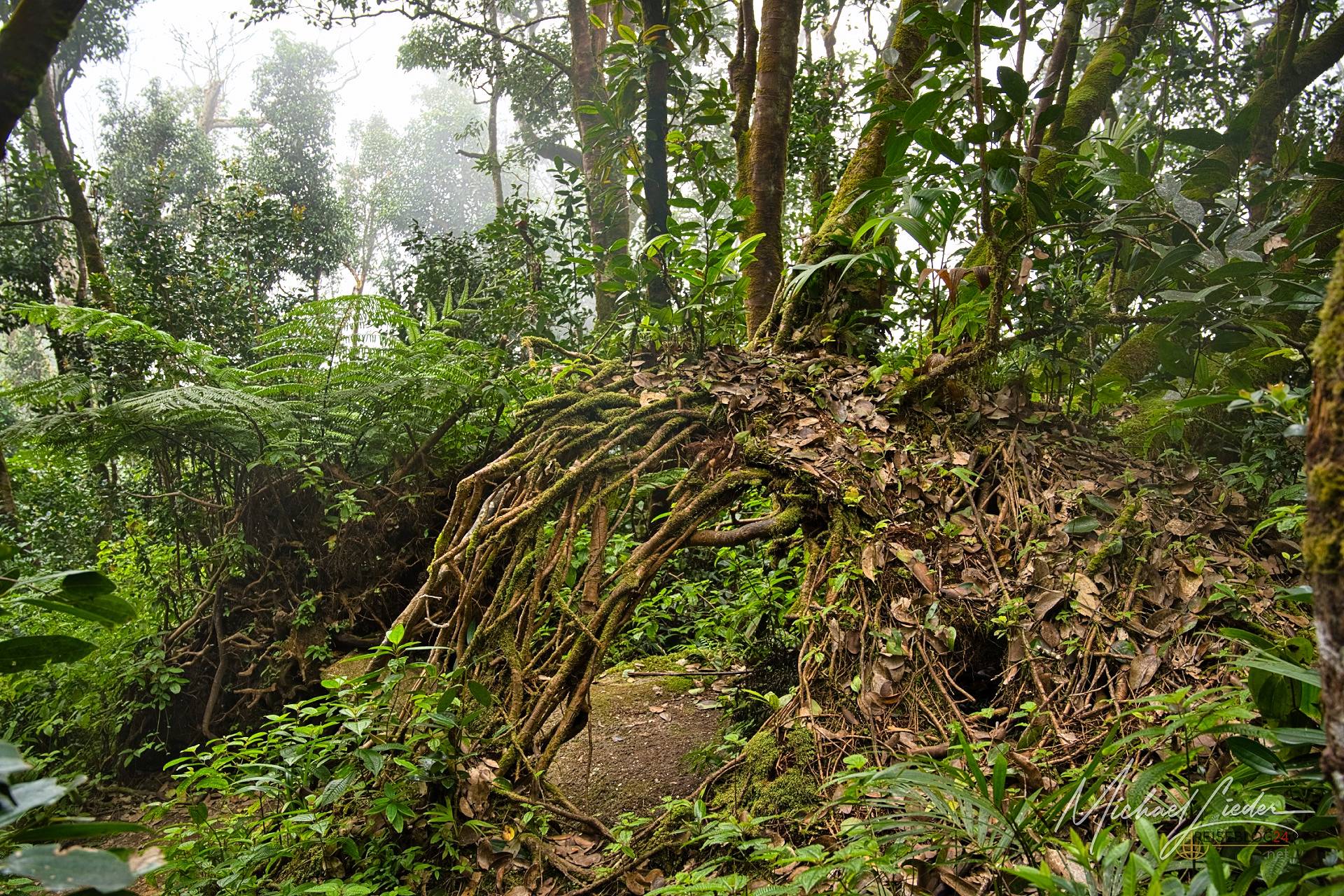
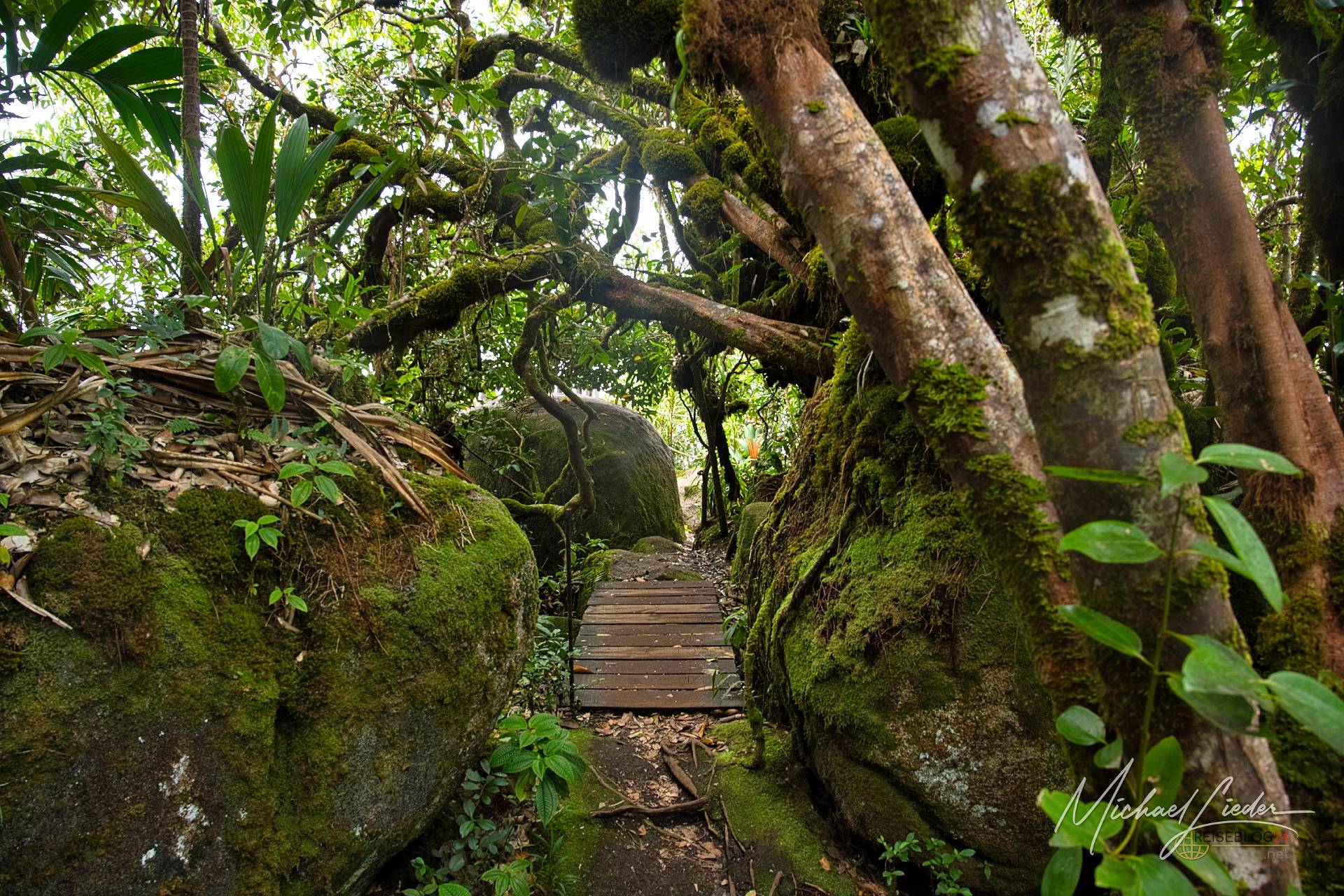
Instead of well-cut stone steps or charming wooden walkways, you’re greeted by an ascent of slippery rocks and tangled roots – a kind of natural obstacle course with tropical humidity as the bonus level. These roots, though, have a certain elegance. They look as if they lovingly embrace the forest floor, while simultaneously tripping you up with a mischievous grin.
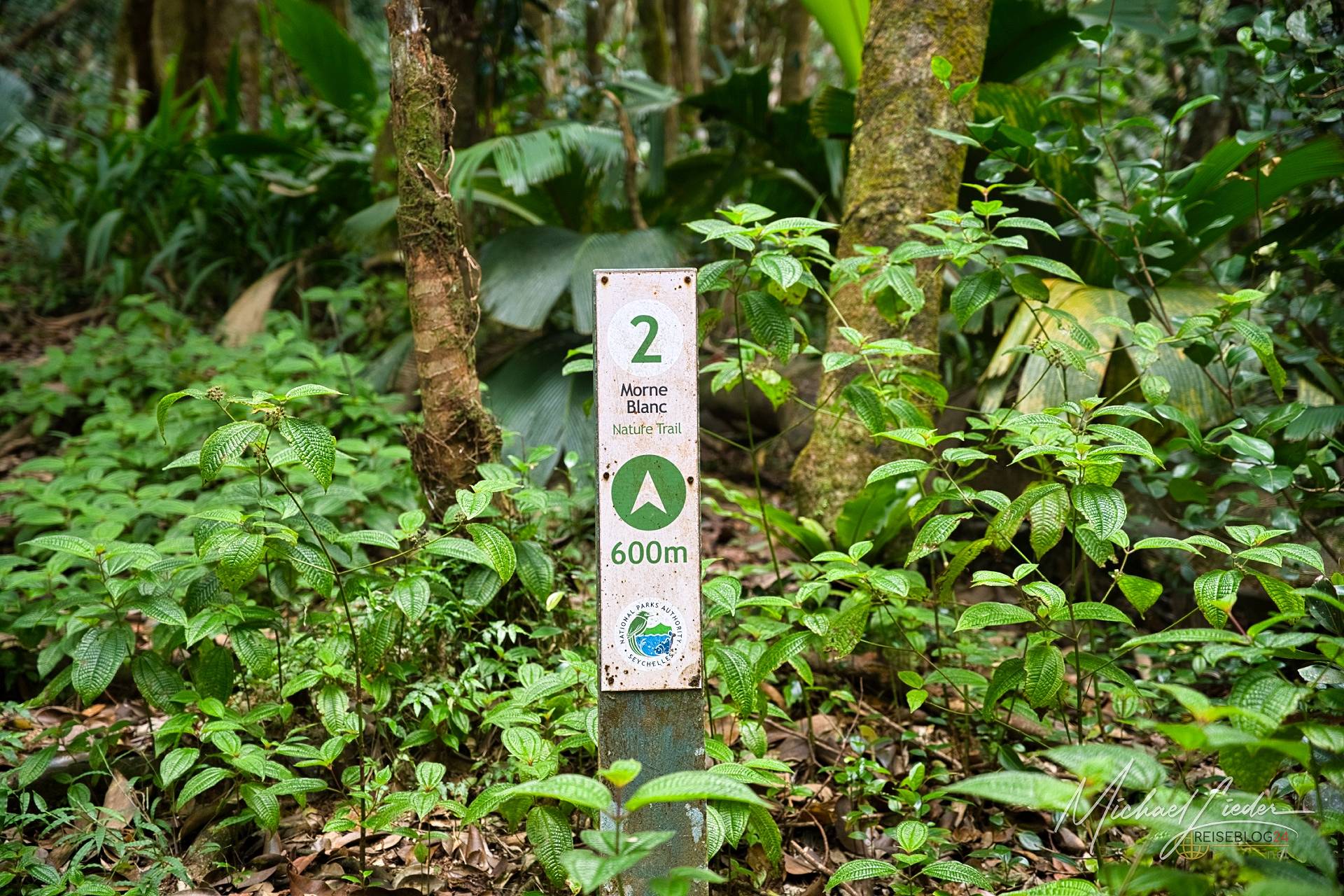
You tell yourself it’s beautiful – maybe just to drown out the sweaty reality. After the first 300 meters, your breathing starts to sound like the rhythmic hissing of an overworked kettle. And as you try not to slide off a patch of damp moss, you spot another sign: every 200 meters. A small moral boost at least – a reassuring reminder that yes, you’re still on the right track.
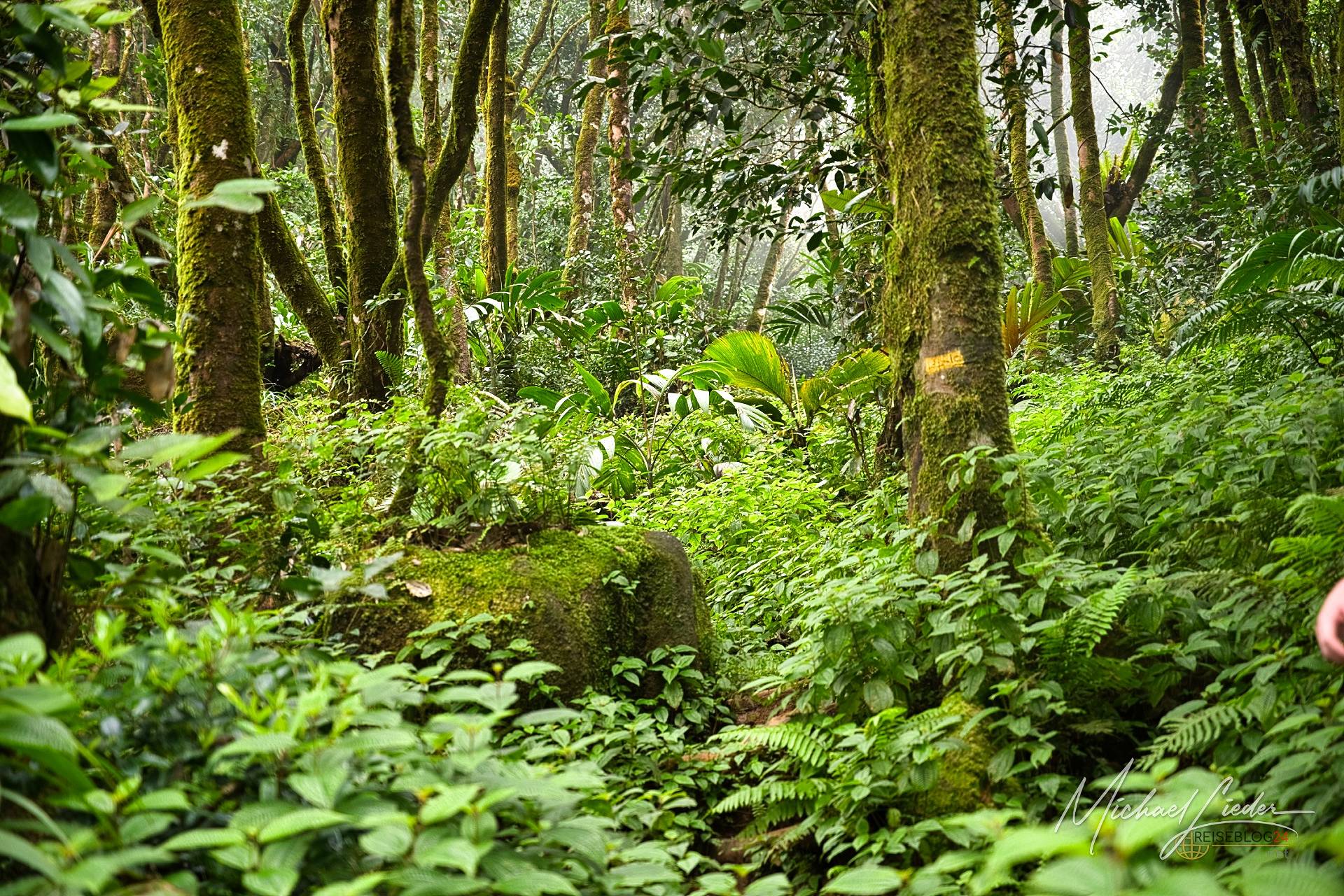
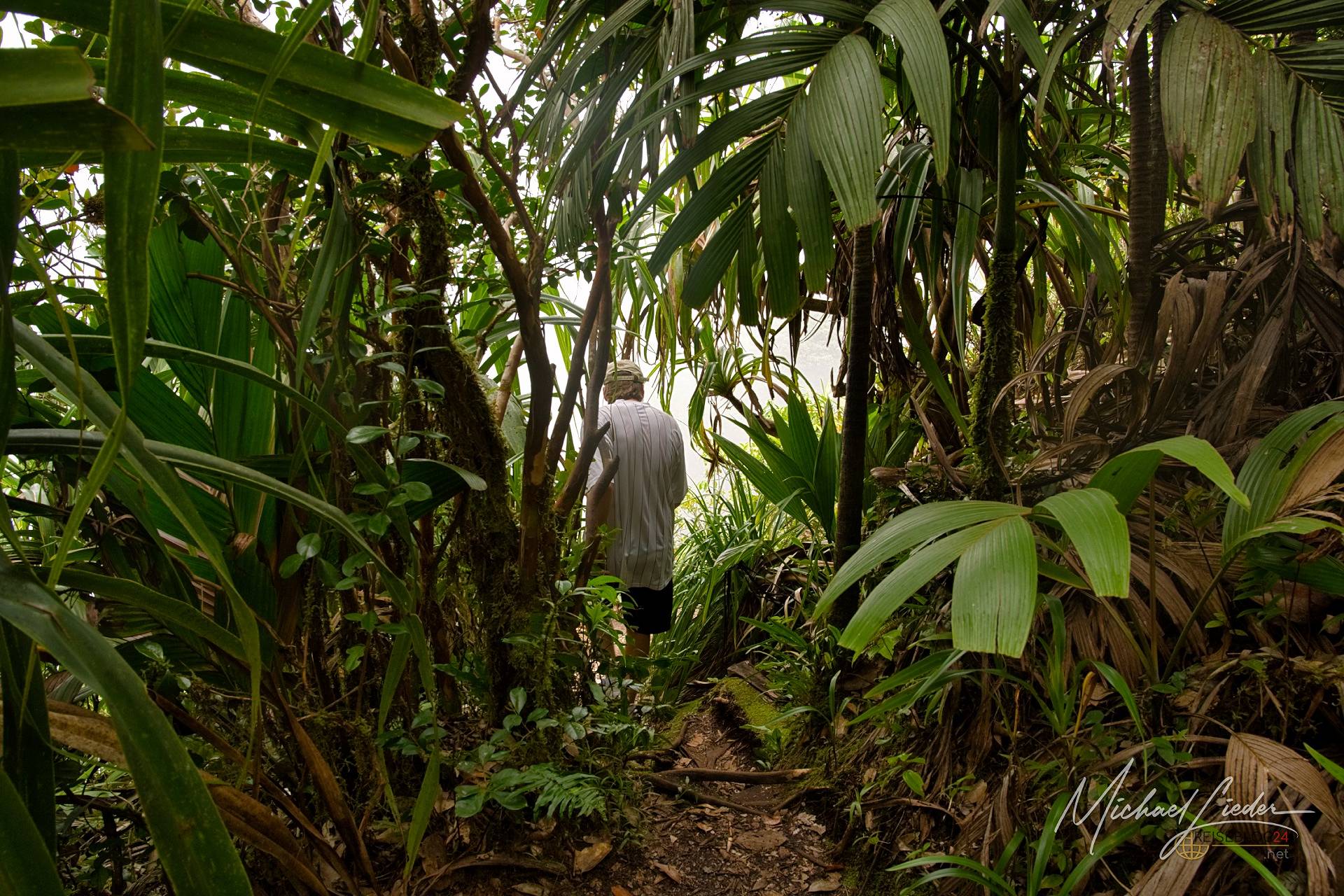
Though between one sign and the next, it feels like hours. You start wondering whether this is still hiking or already a spiritual trial. But somewhere between the roots, the boulders, and your pounding heartbeat, something magical happens: you calm down. The jungle hums softly, the air smells alive, and suddenly you remember why you’re doing this. For this exact moment – when sweat drips, breath flickers, and you’re still smiling because you’re standing in the middle of paradise.
What sounded like a gentle hill walk turns out to be an honest challenge: steep, humid, and slippery – all under 28°C of tropical persuasion. Anyone who thinks they’ve “done some solid elevation” hiking on the Swabian Alb will quickly learn otherwise. The jungle of Mahé plays in an entirely different league.
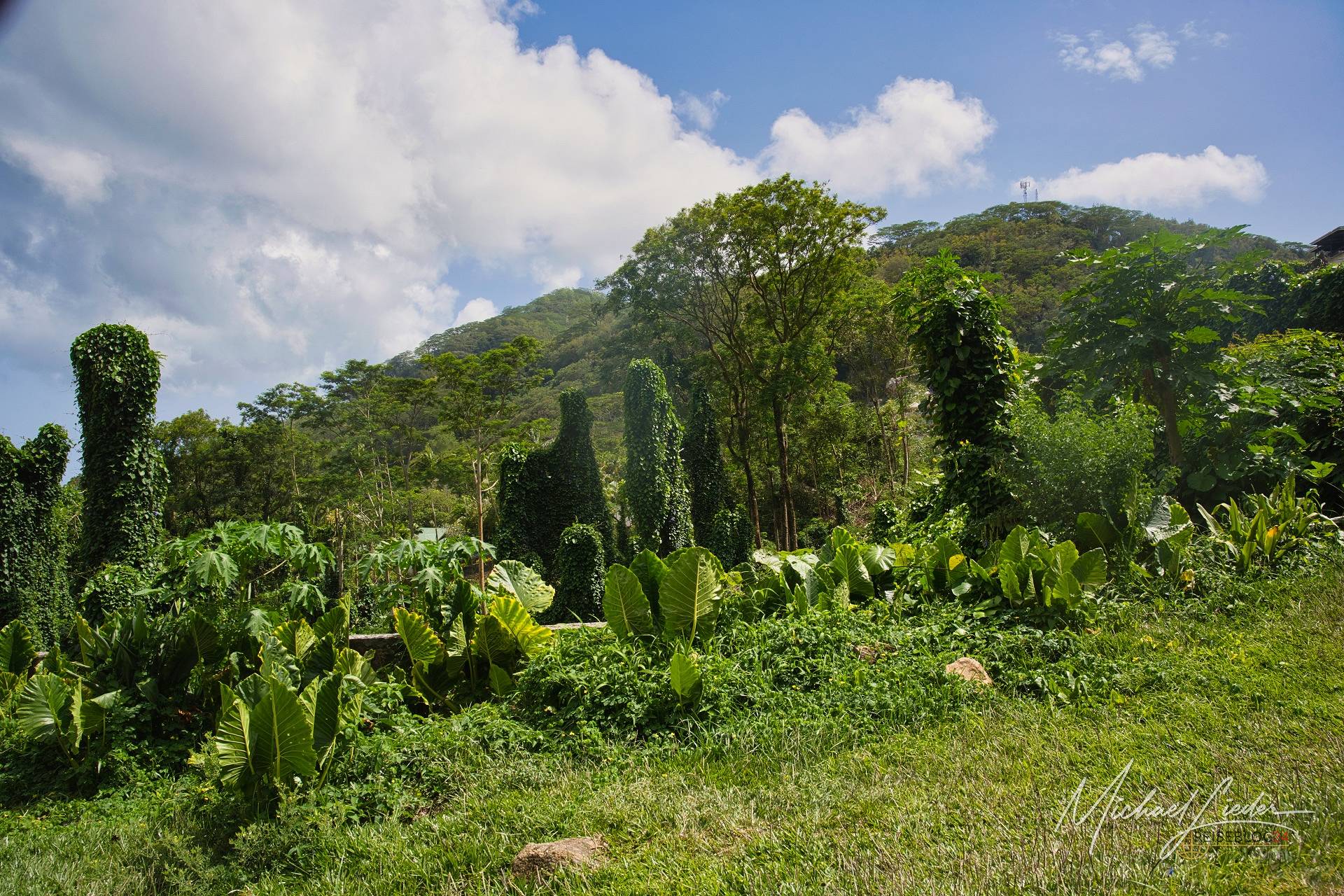
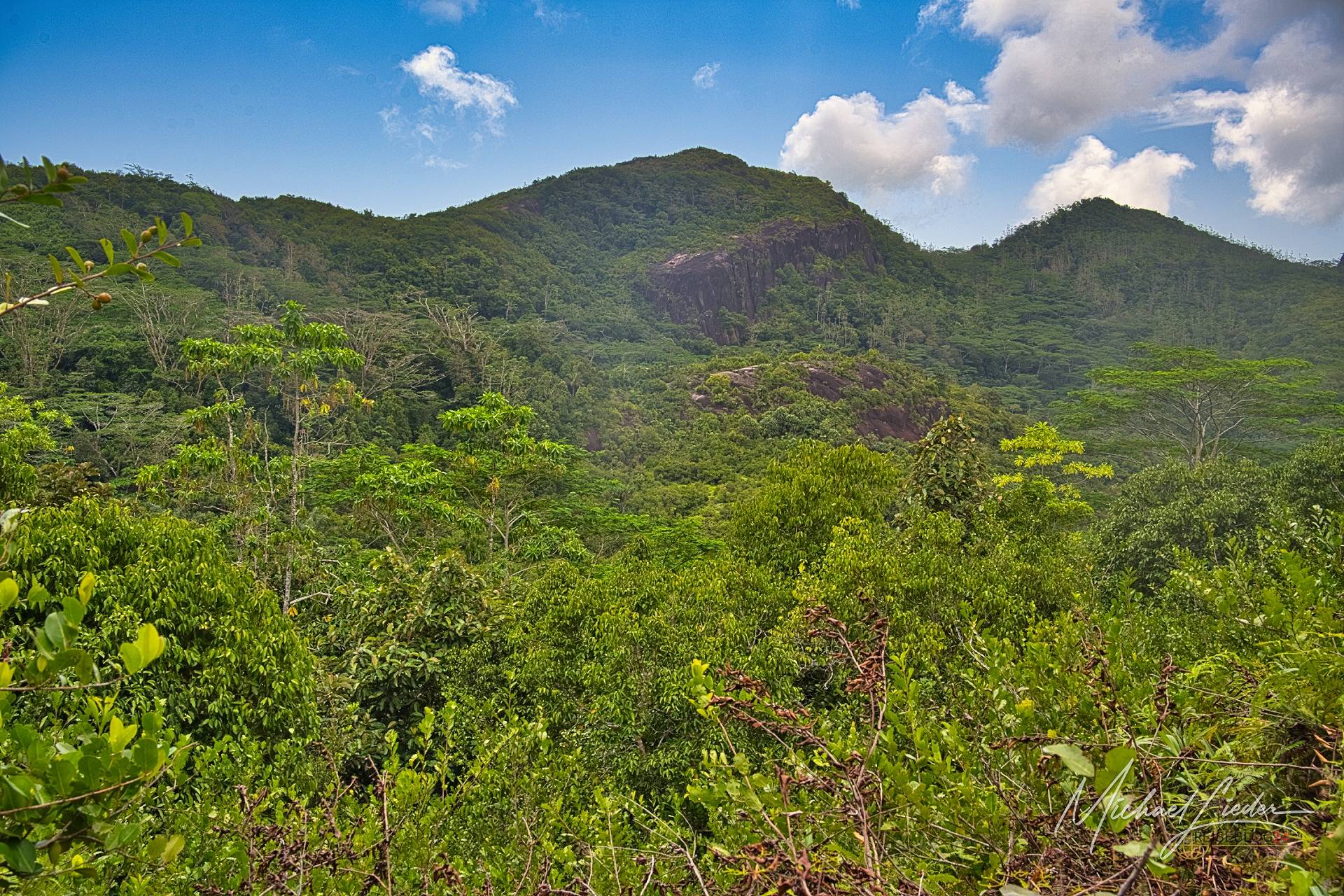
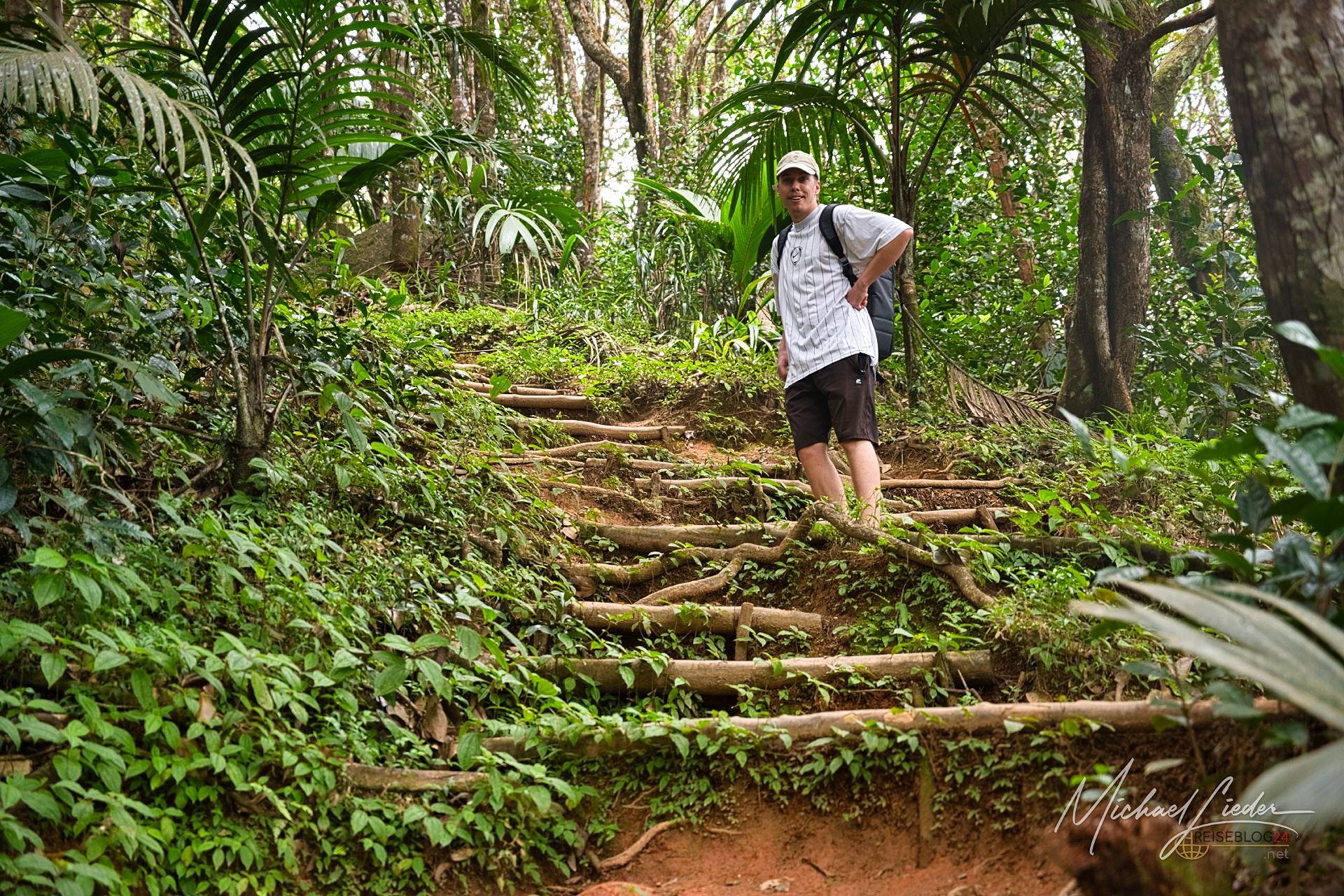
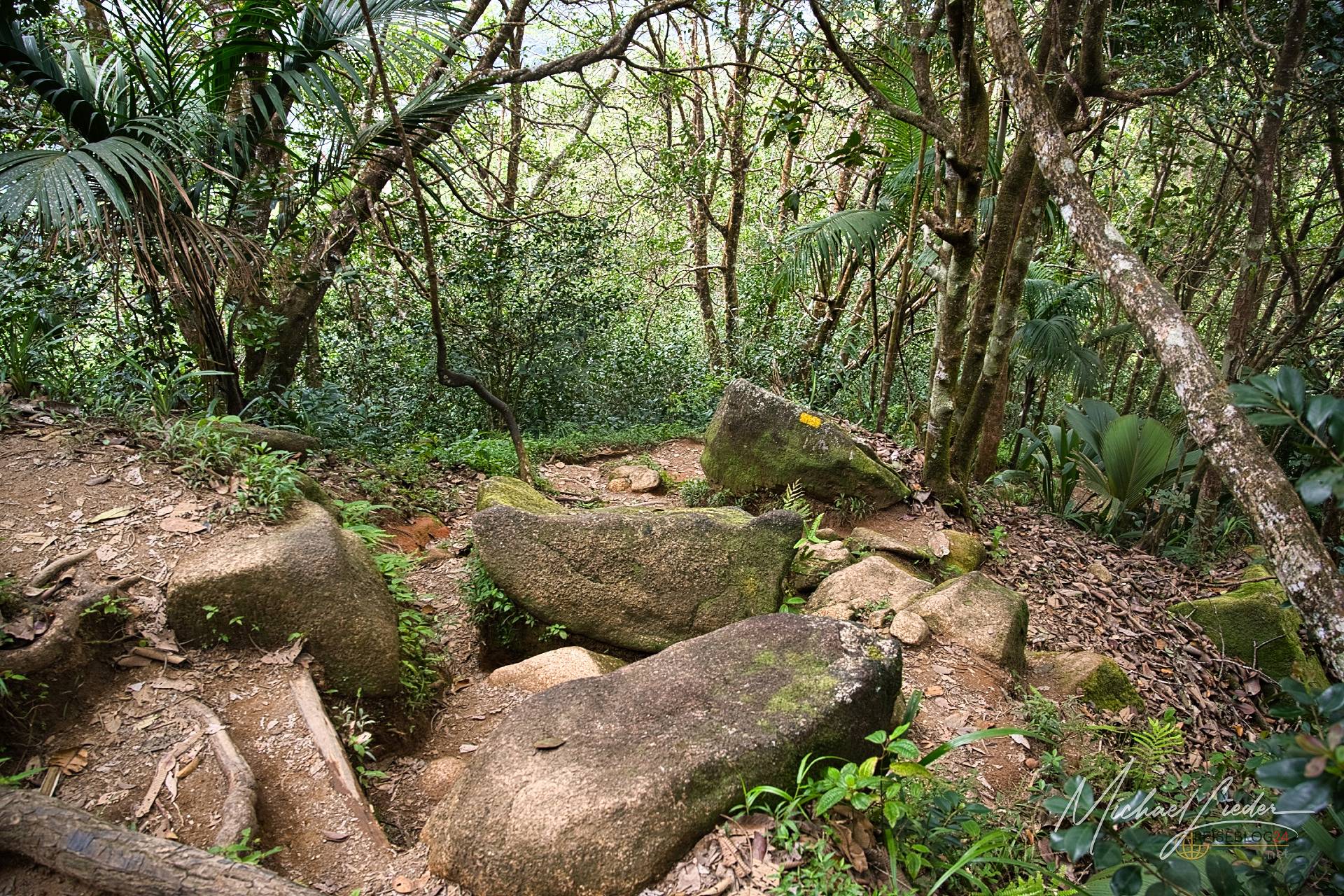
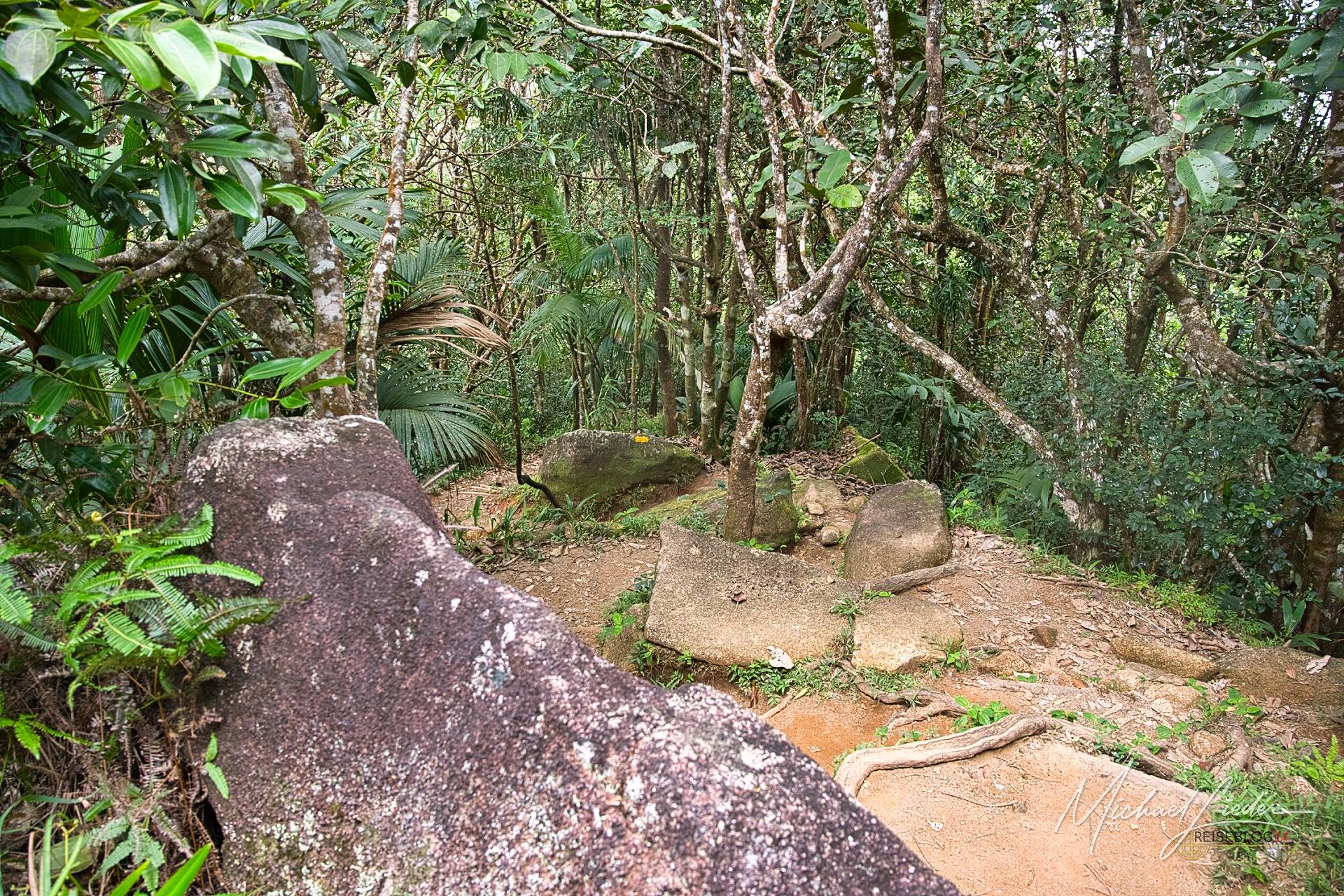
On the Way to Morne Blanc – Between Tropical Bliss and a Lesson in Patience
Our route to the Morne Blanc Trail starts – how could it be any other way – from our little paradise at Beau Vallon Beach. From there, it’s supposedly just 13 kilometers to the trailhead. “A breeze!” you think. Well… until you get to know the reality of Seychellois roads and driving habits.
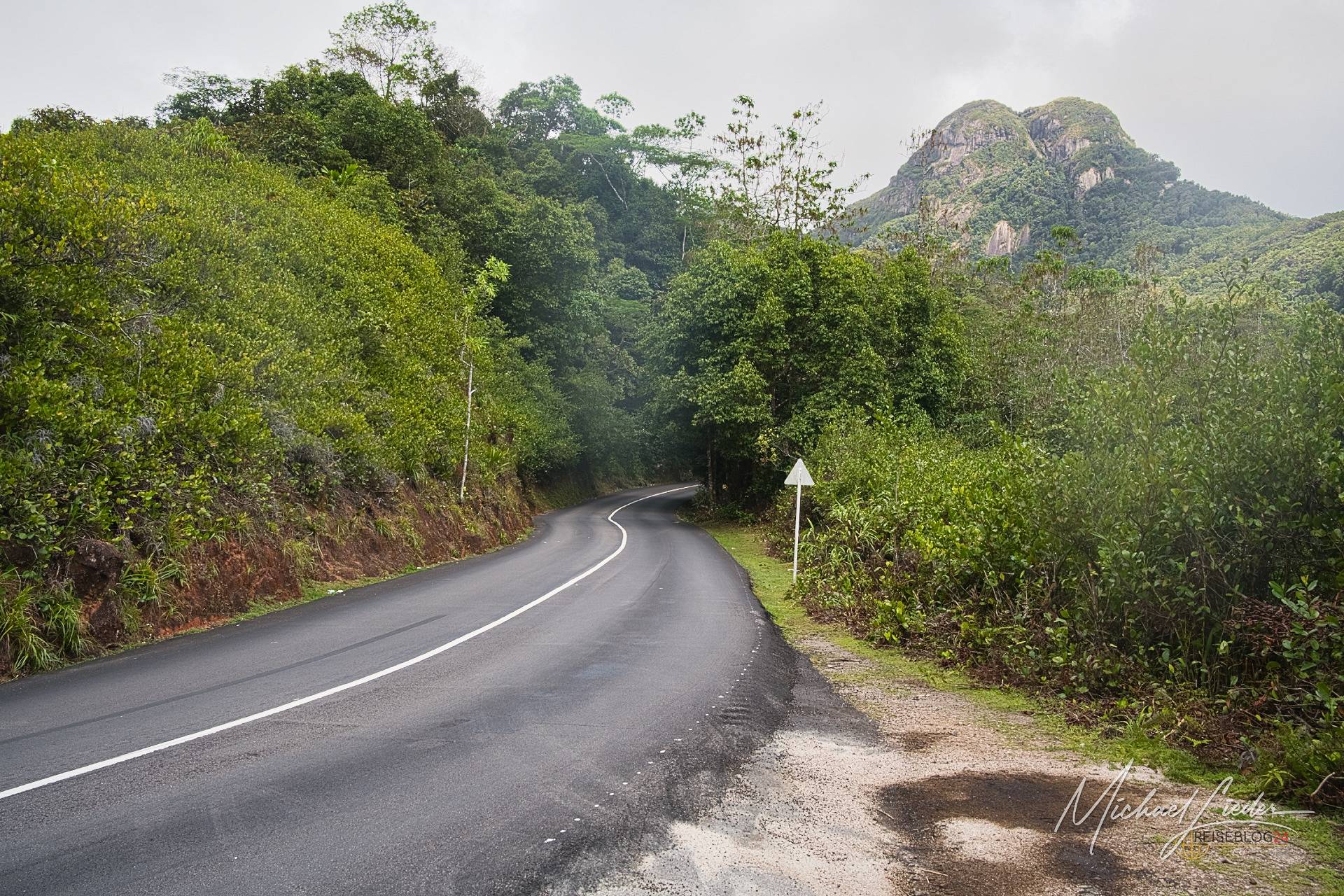
The road winds its way uphill through what feels like a thousand curves, accompanied by a steady rhythm of braking, accelerating, and the occasional birdsong. The locals drive as if time itself has taken a vacation here – which, in a way, is quite enviable.
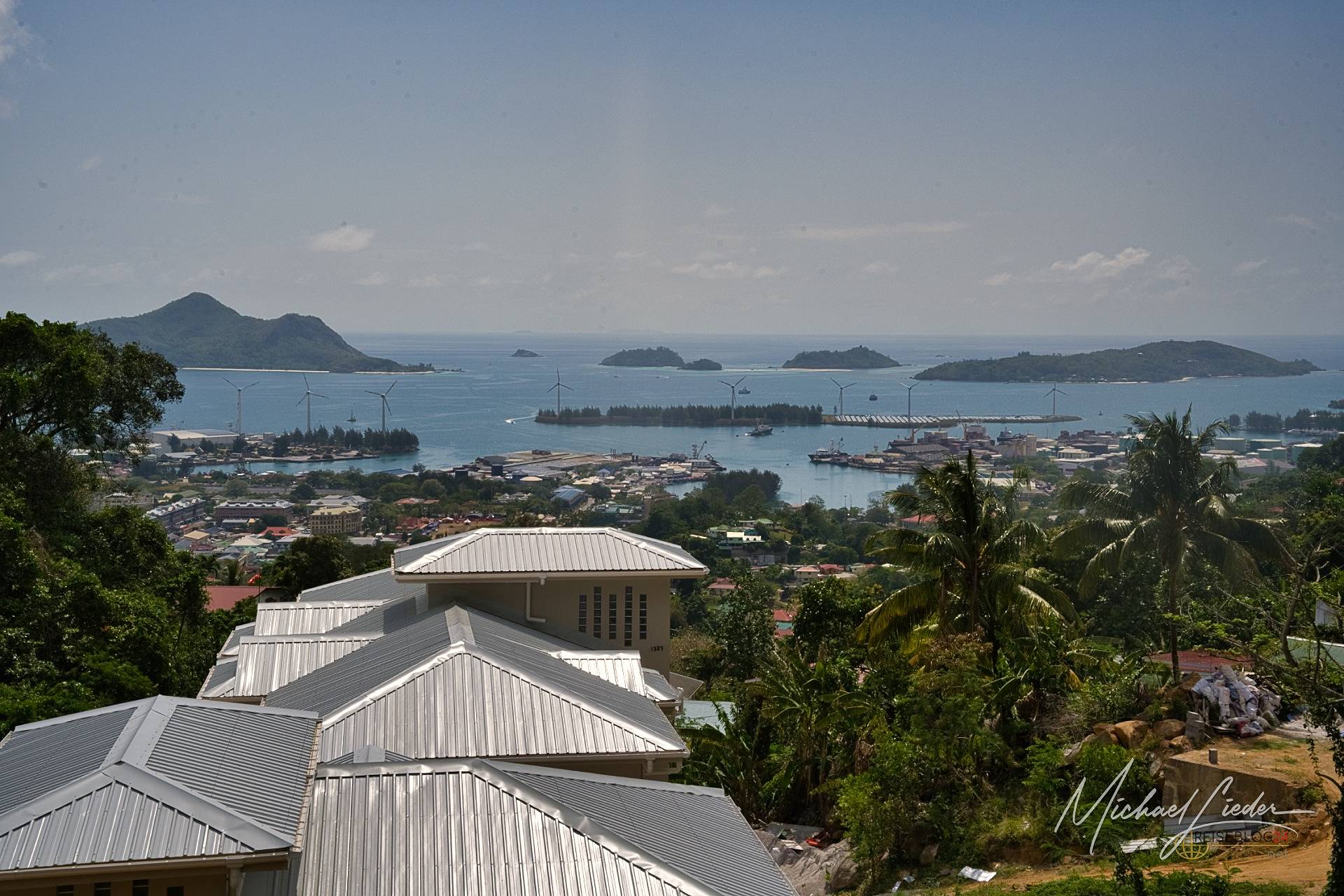
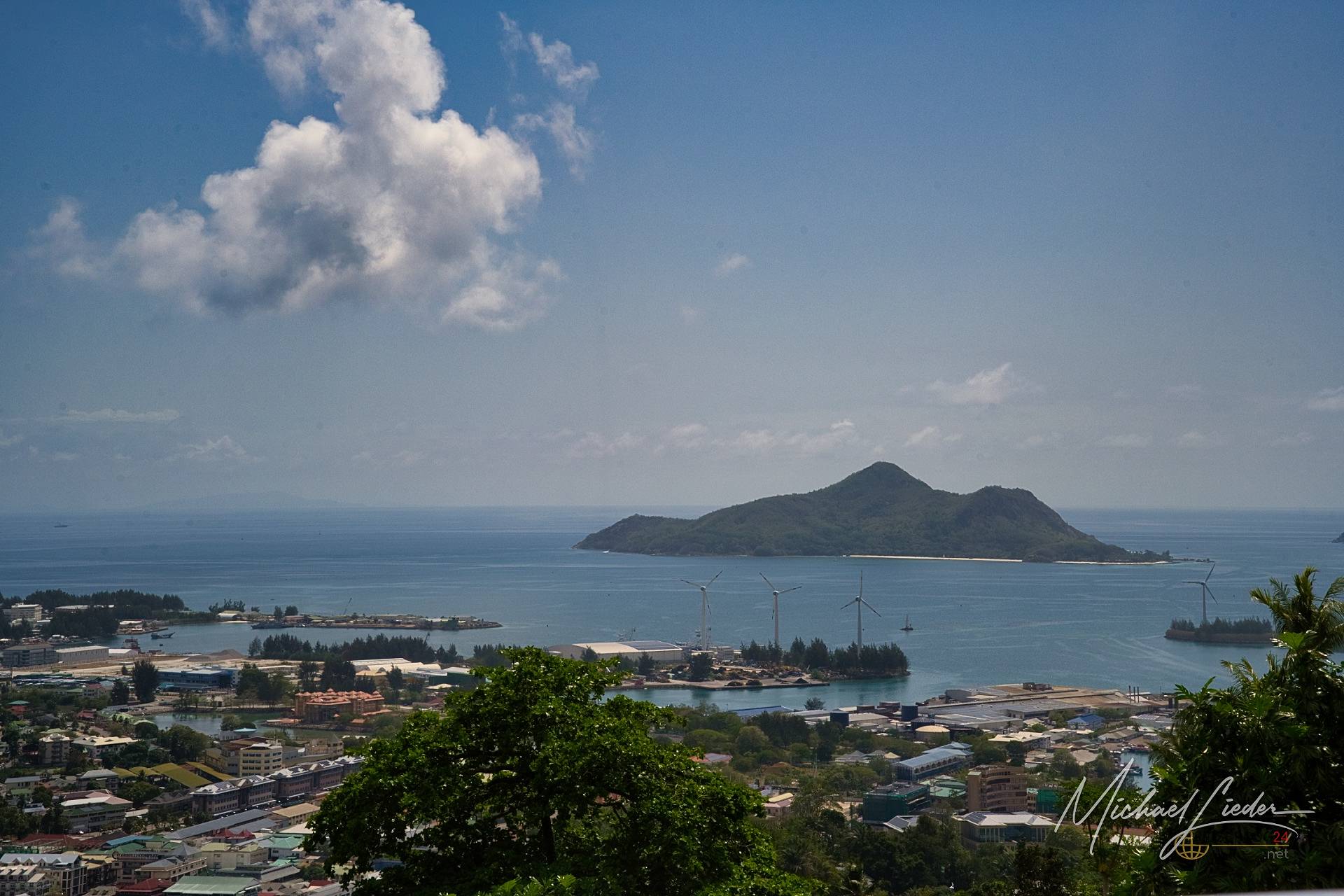
Above Victoria, the capital, a breathtaking view opens up over the shimmering bay – a sight that fully compensates for the slow-motion journey. Up here, you can already feel that familiar tingle: the sea shrinks, the air cools, and adventure grows.
Parking-Lot Lottery in the Jungle
Once you’ve finally reached the trailhead, the next challenge begins: parking. If luck (and the Seychelles gods) are on your side, you’ll snag one of the few coveted spots right along the road. If not – don’t panic. A few hundred meters further on, just opposite the entrance to the tea factory, there’s a small parking area – the perfect starting point, and if fortune really smiles on you, it even comes with shade.

My Conclusion – With a Touch of Wanderlust
Was it worth the effort? Absolutely.
Even if you’re no longer twenty and your thighs keep quietly protesting for hours afterward – this trail offers more than just a view (well, in theory). It gives you an honest slice of the Seychelles: jungle, mist, earth, sweat – and the quiet joy of having made it.
I trudge on stoically, step by step, ever upward, accompanied by one dull thought: Why am I doing this to myself?
Hikers coming down look as if they’ve just escaped from a tropical washing machine – drenched, exhausted, but oddly content. Comforting, really. At least I’m not alone with my bright red face and my quiet hope that the clouds will eventually show some mercy.
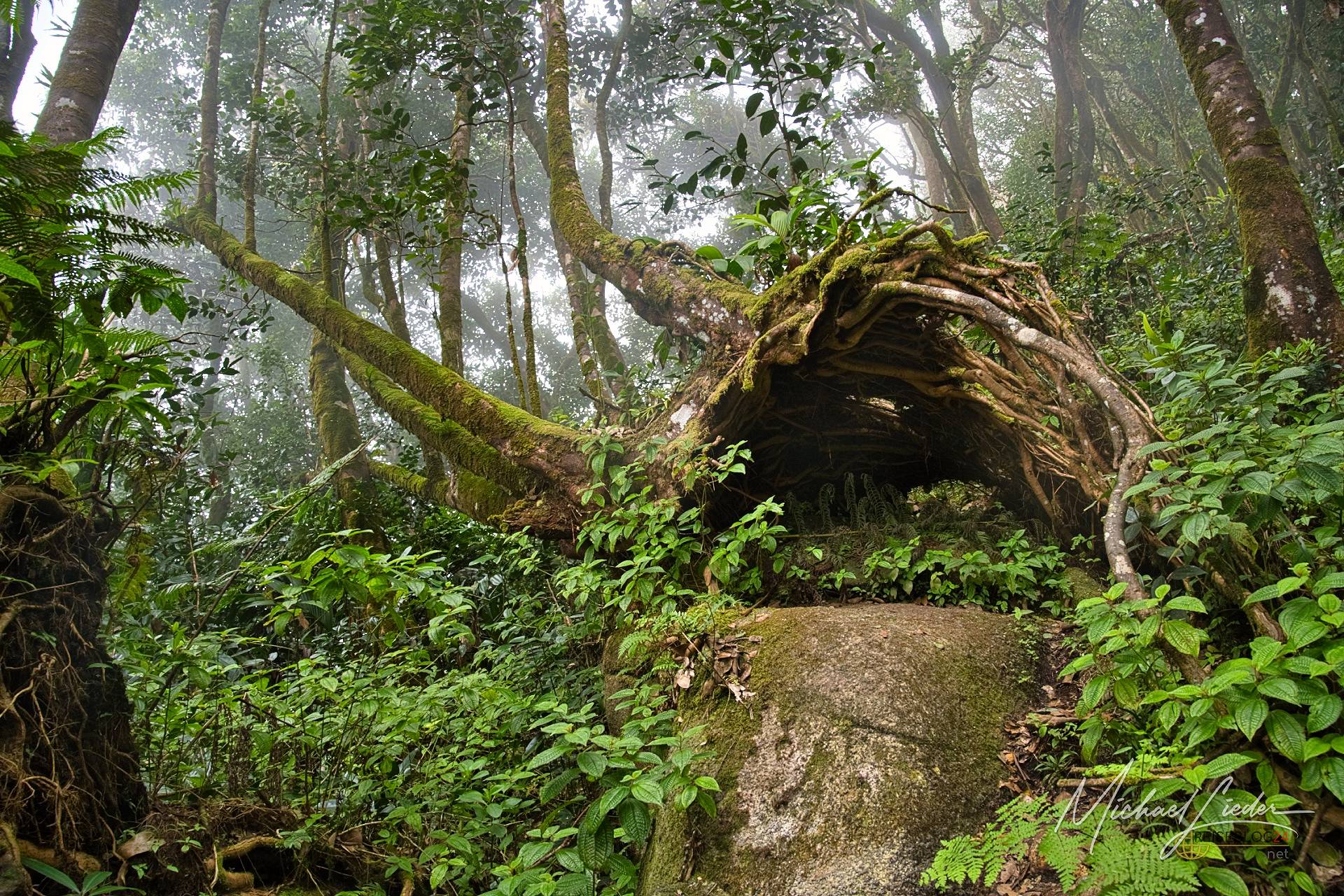
Every now and then I stop “to take a photo.” Naturally, that’s just a polite way of saying “to catch my breath” – the subject doesn’t matter much. The roots here are particularly photogenic, though, like tiny troll caves. Iceland would be proud of this place, were it not for the constant wall of humidity that melts away any sense of magic the moment it forms.
The View? More Like an Introduction to Clouds
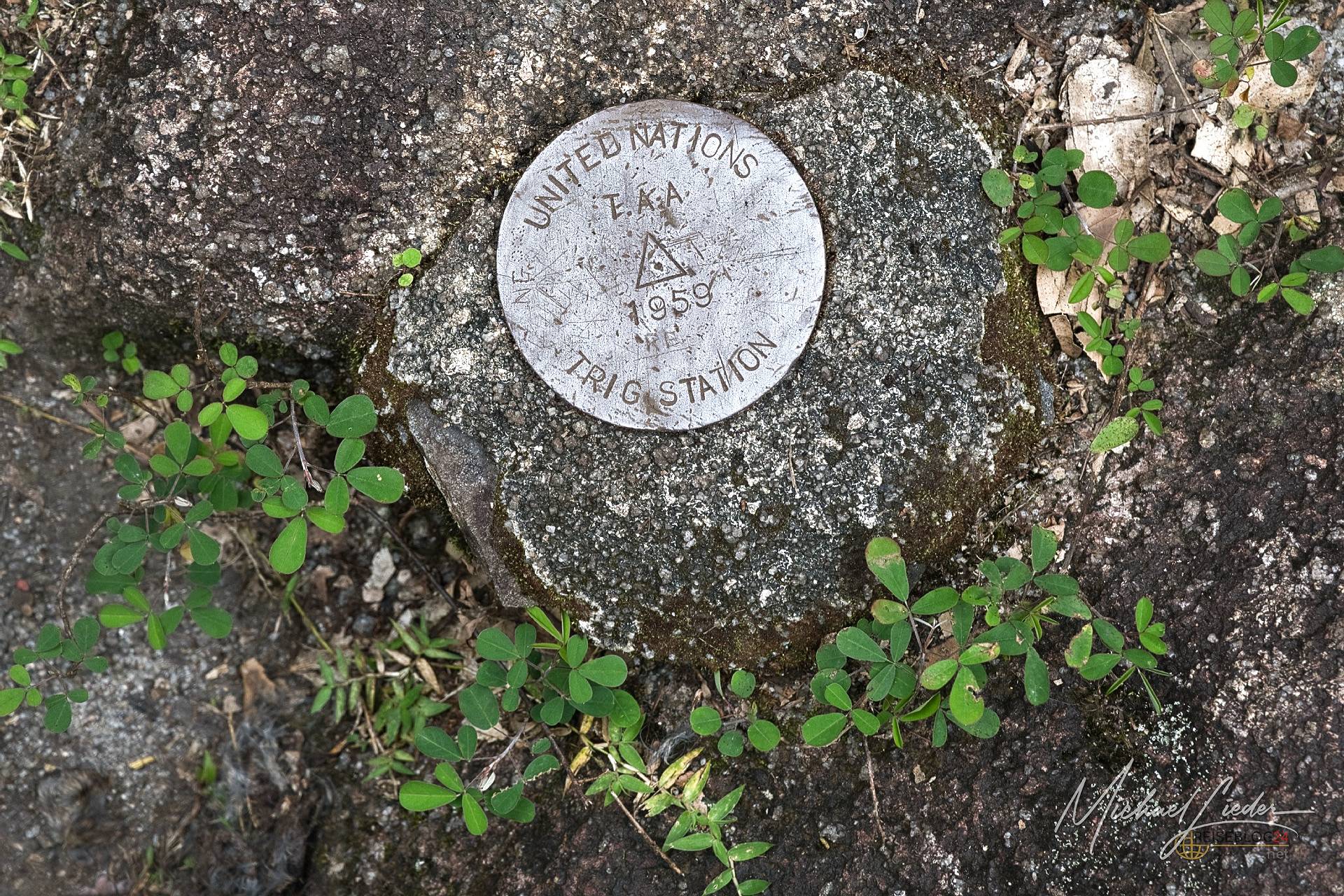
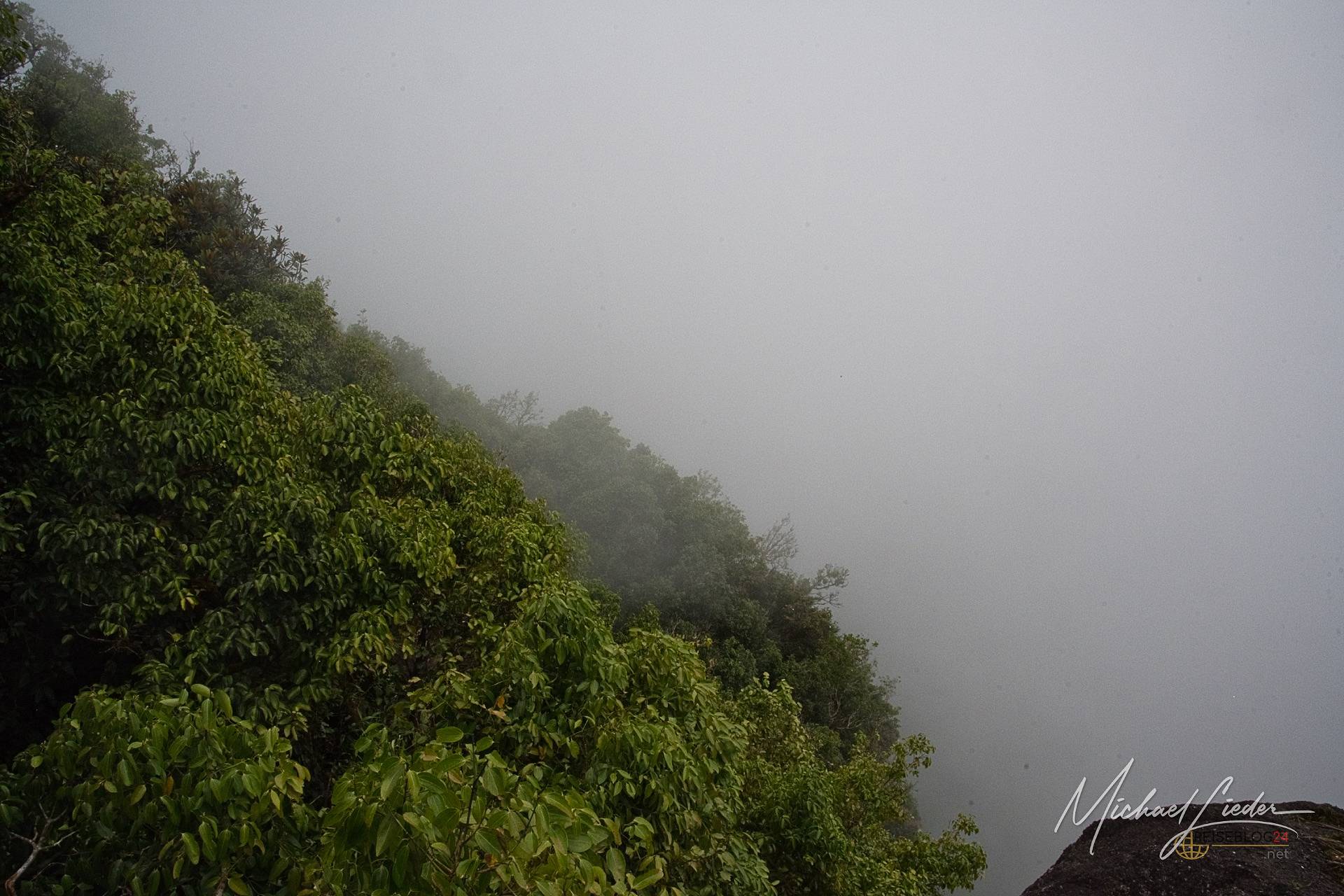
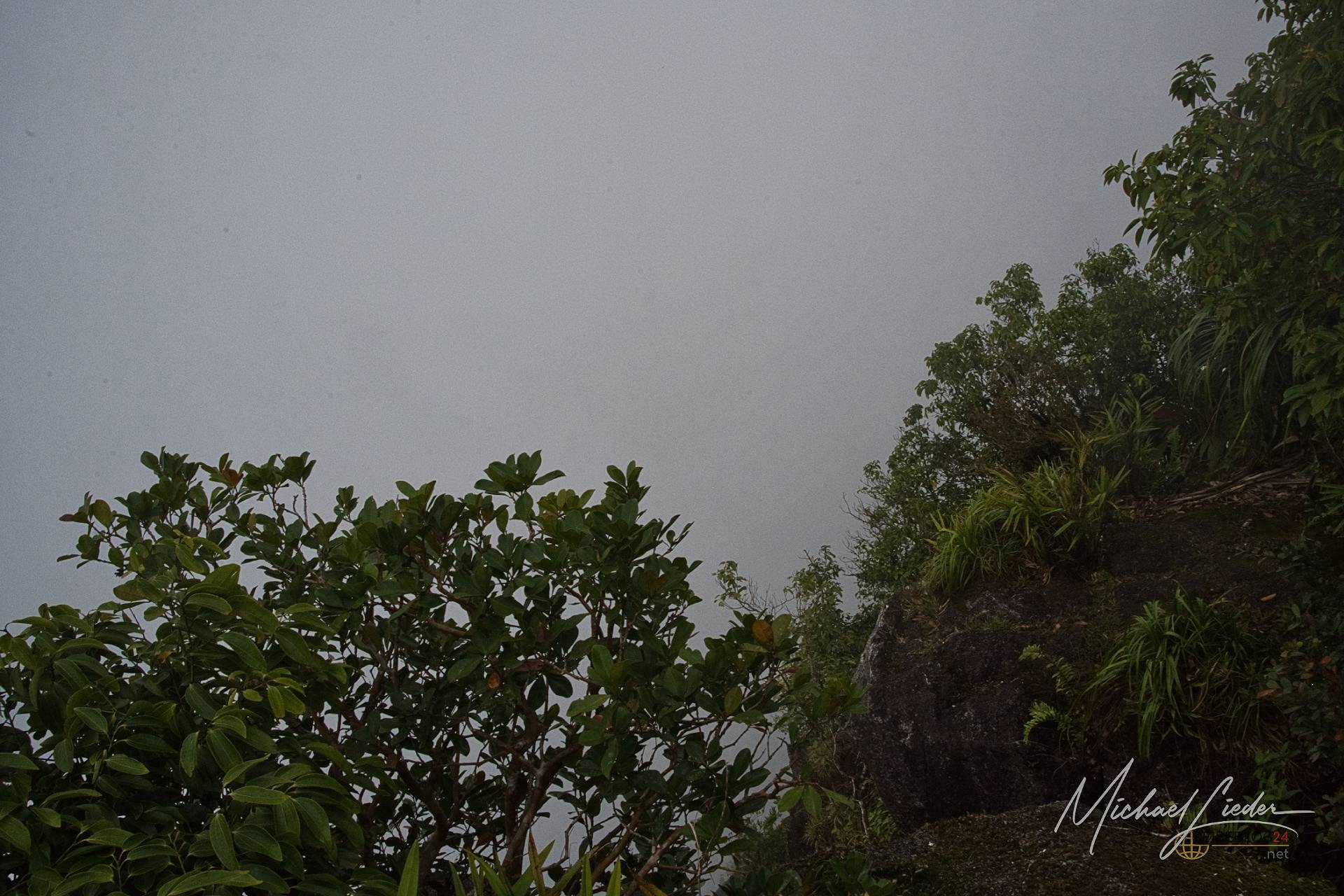
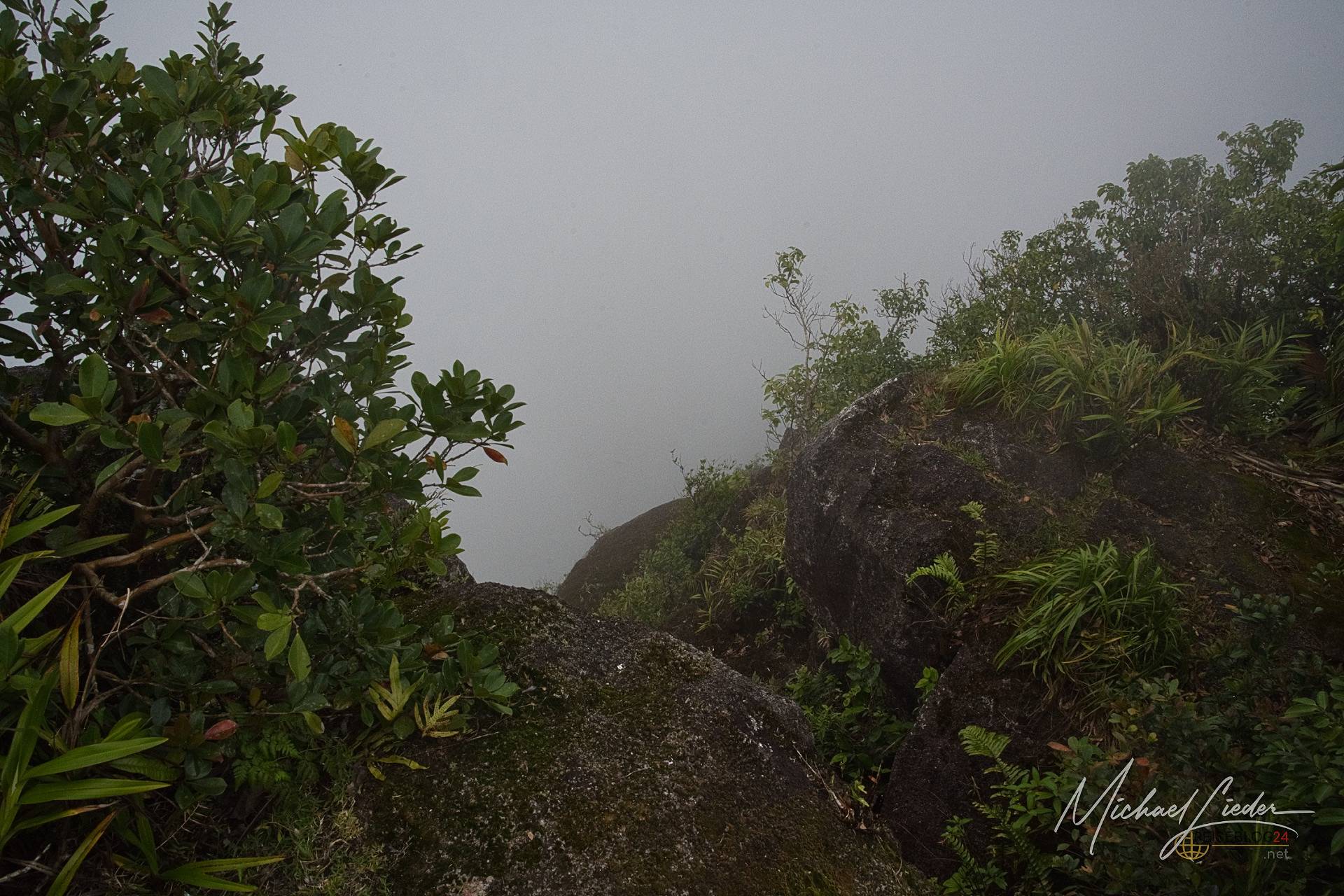
At the top, you reach a wooden viewing platform that has clearly seen many fates – the carved initials tell the stories. The grand reward for the climb? A magnificent view… of fog. We can see maybe five, ten meters at most, and can only imagine what lies behind that grey curtain. The Indian Ocean remains a rumor. So we stand at the railing pretending to wait for the weather to clear – but really, we’re just trying to breathe again.
The Descent – Or: Gravity Isn’t the Answer Either
The way down is less of a cardio workout but far trickier. What tortured the knees on the way up now tests balance and coordination. Every step has the potential to turn into a slip-and-slide adventure – especially if you’re moving more mass than you’d like to admit.
Near the bottom, there’s a small wooden bench. That’s where you finally sit – wet, muddy, but happy. A little proud, a little wrecked, with the feeling you’ve just achieved a personal best.
So if you think the Morne Blanc Trail is a pleasant stroll between lunch and sunset – bring good shoes, a sense of humor, and a touch of masochism. And maybe a towel. Just in case.

– the other end of the Seychelles
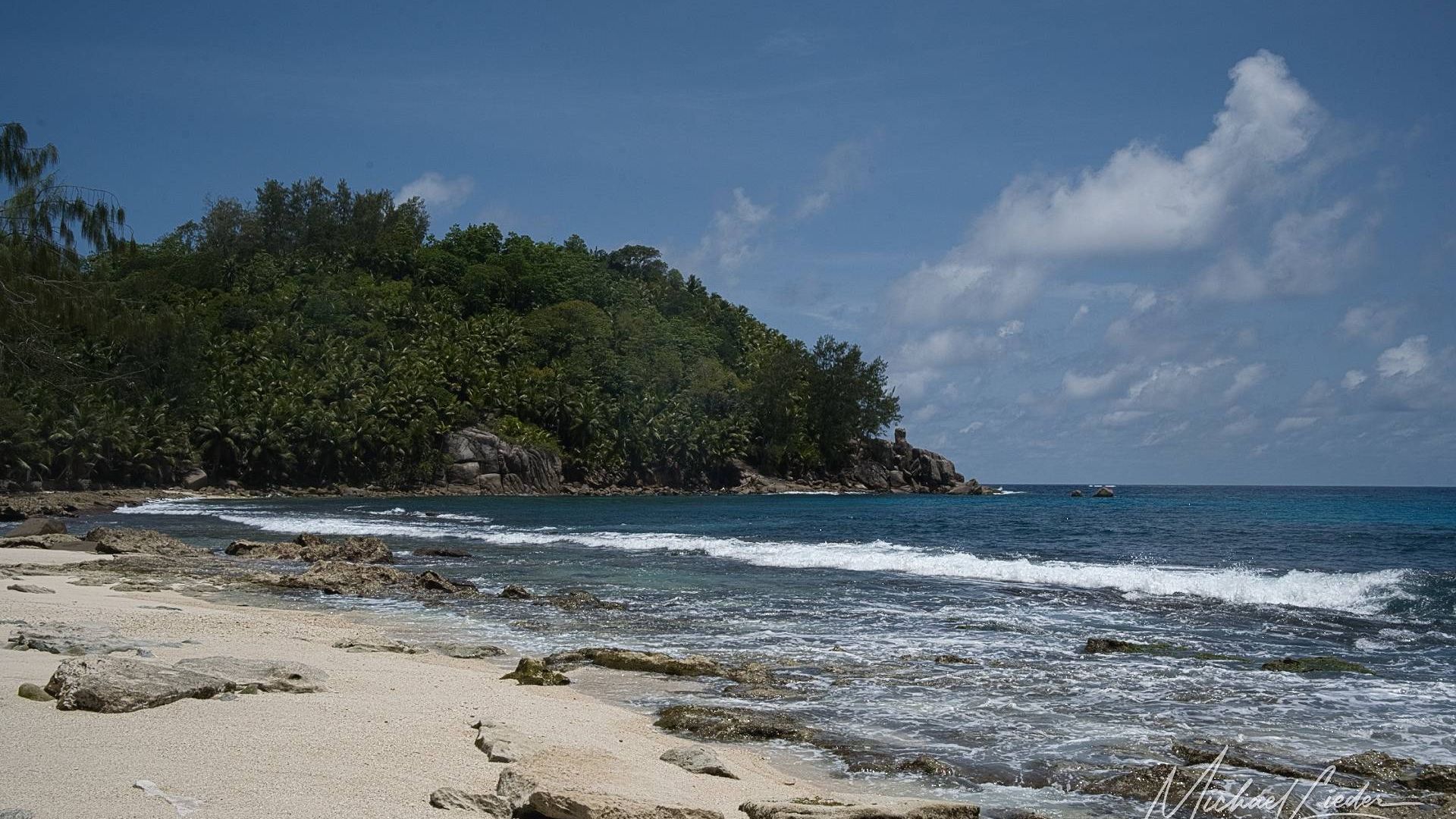
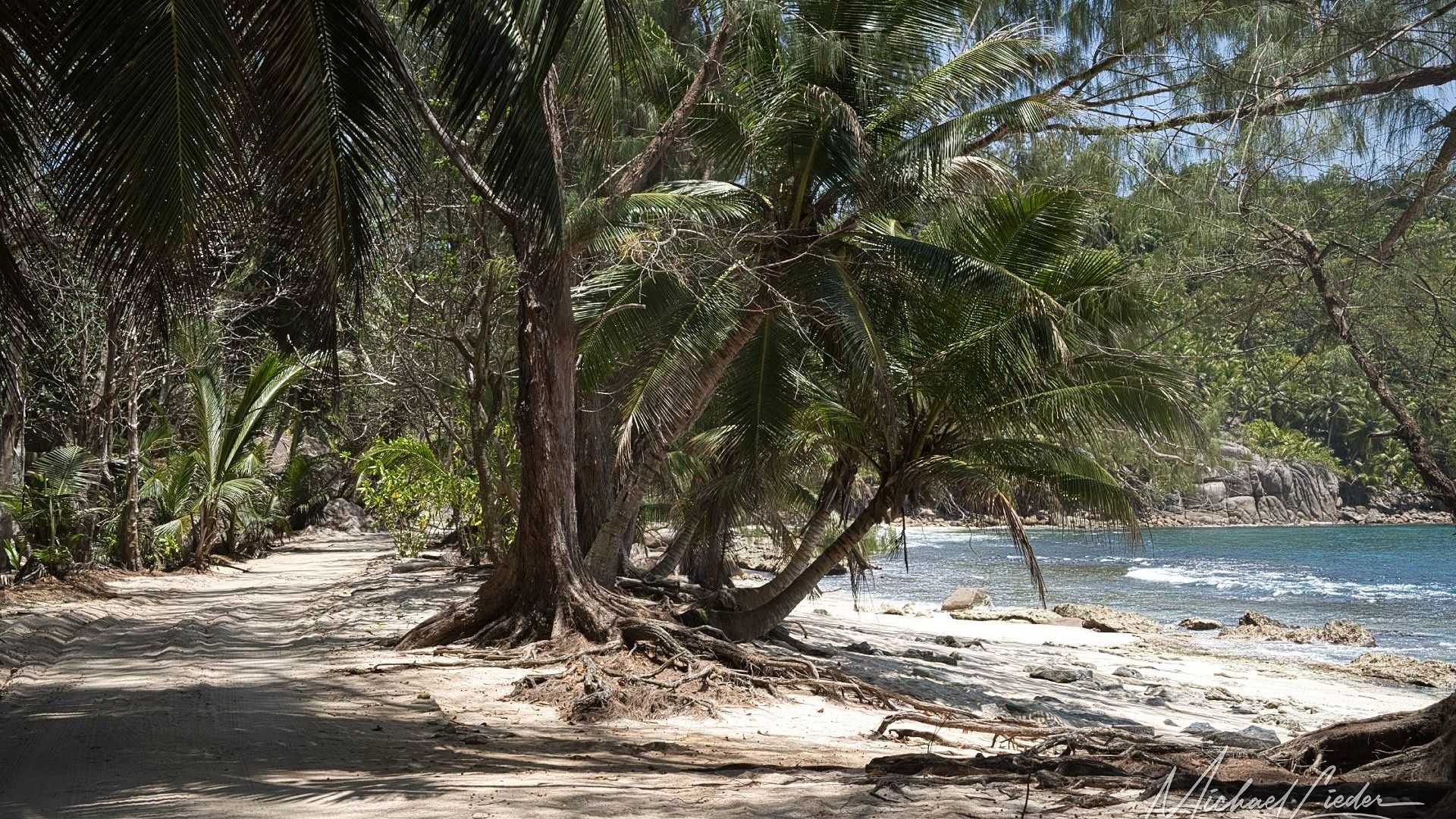
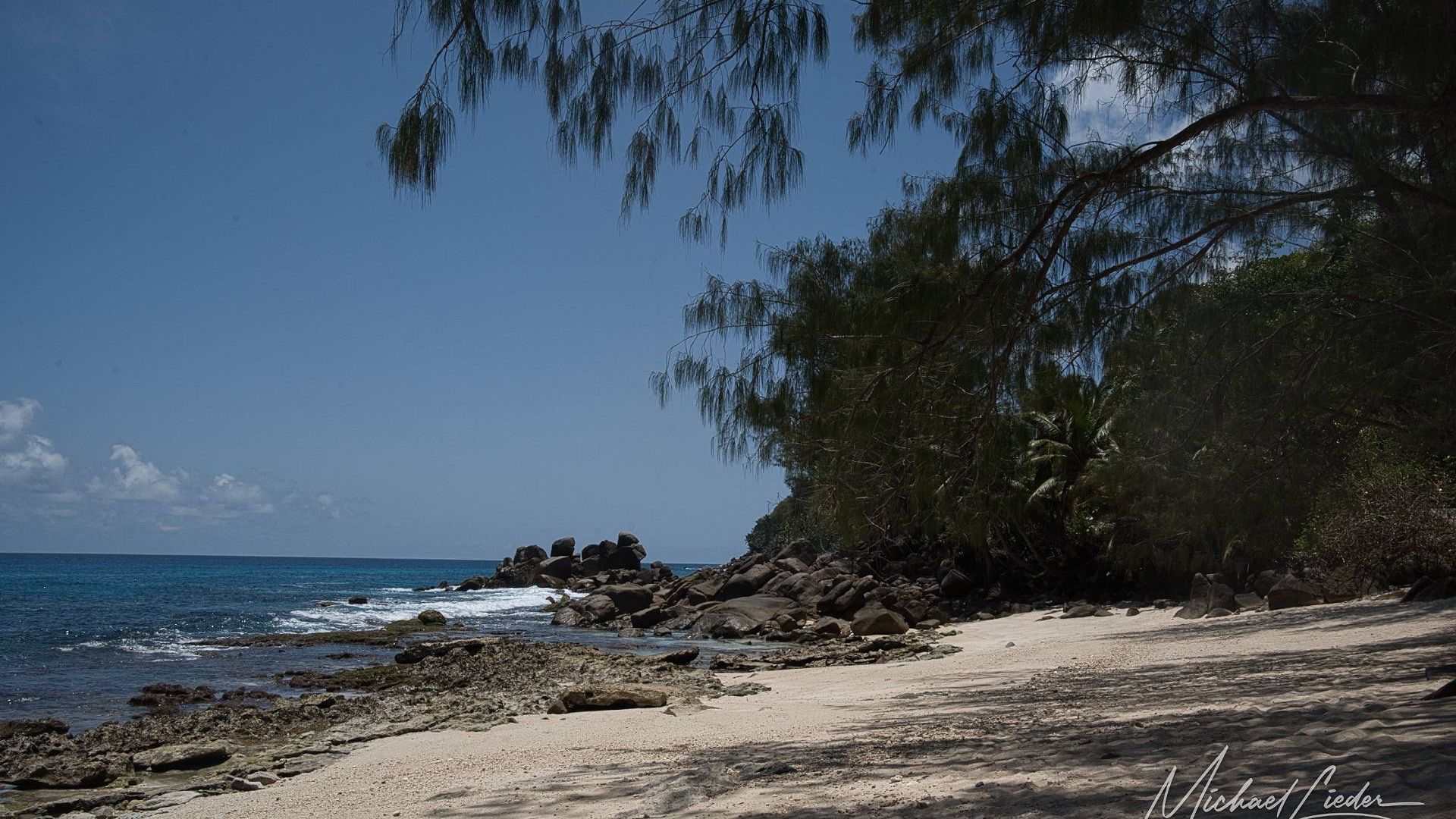
There are places that feel like the very edge of the world. Police Bay on Mahé is one of them – a stretch of land hugged by the Indian Ocean and largely ignored by the rest of humanity. No beach bars, no sun loungers, no Wi-Fi signal desperately clinging to a single bar. Just wind, waves, and the distinct sense that someone should have put up a sign here saying, “End of Civilization.”
The Road to the End of the Road
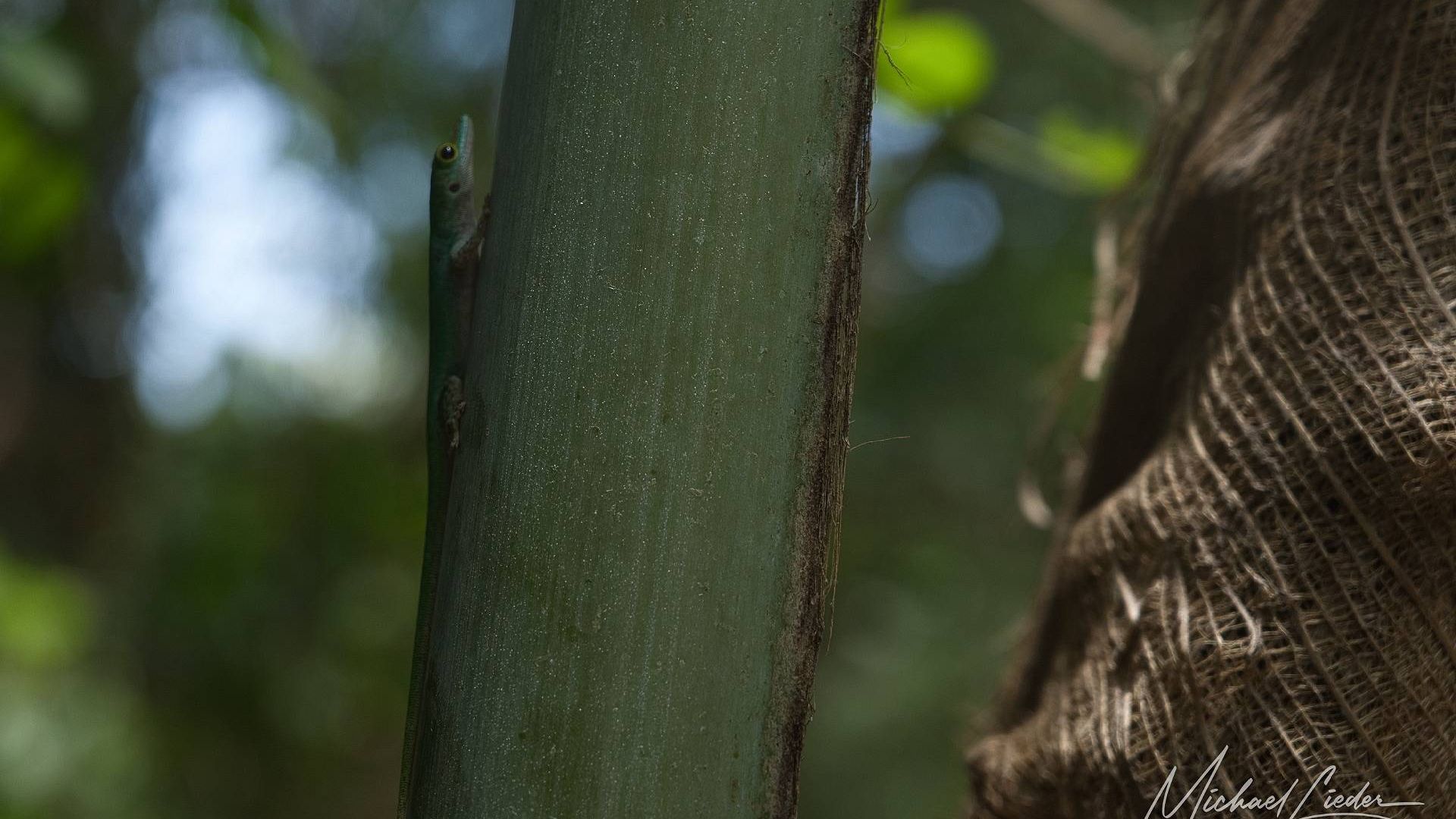
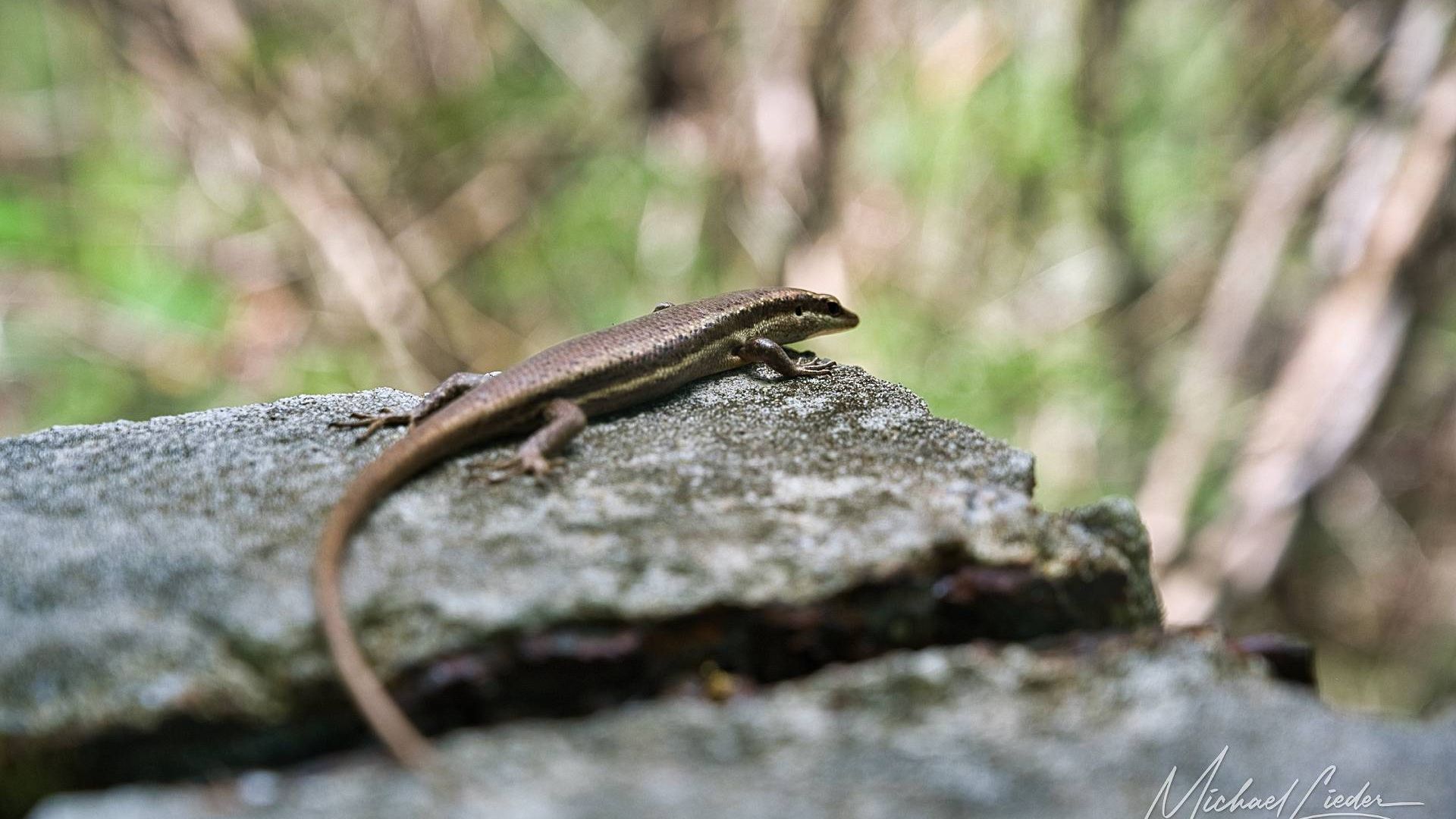
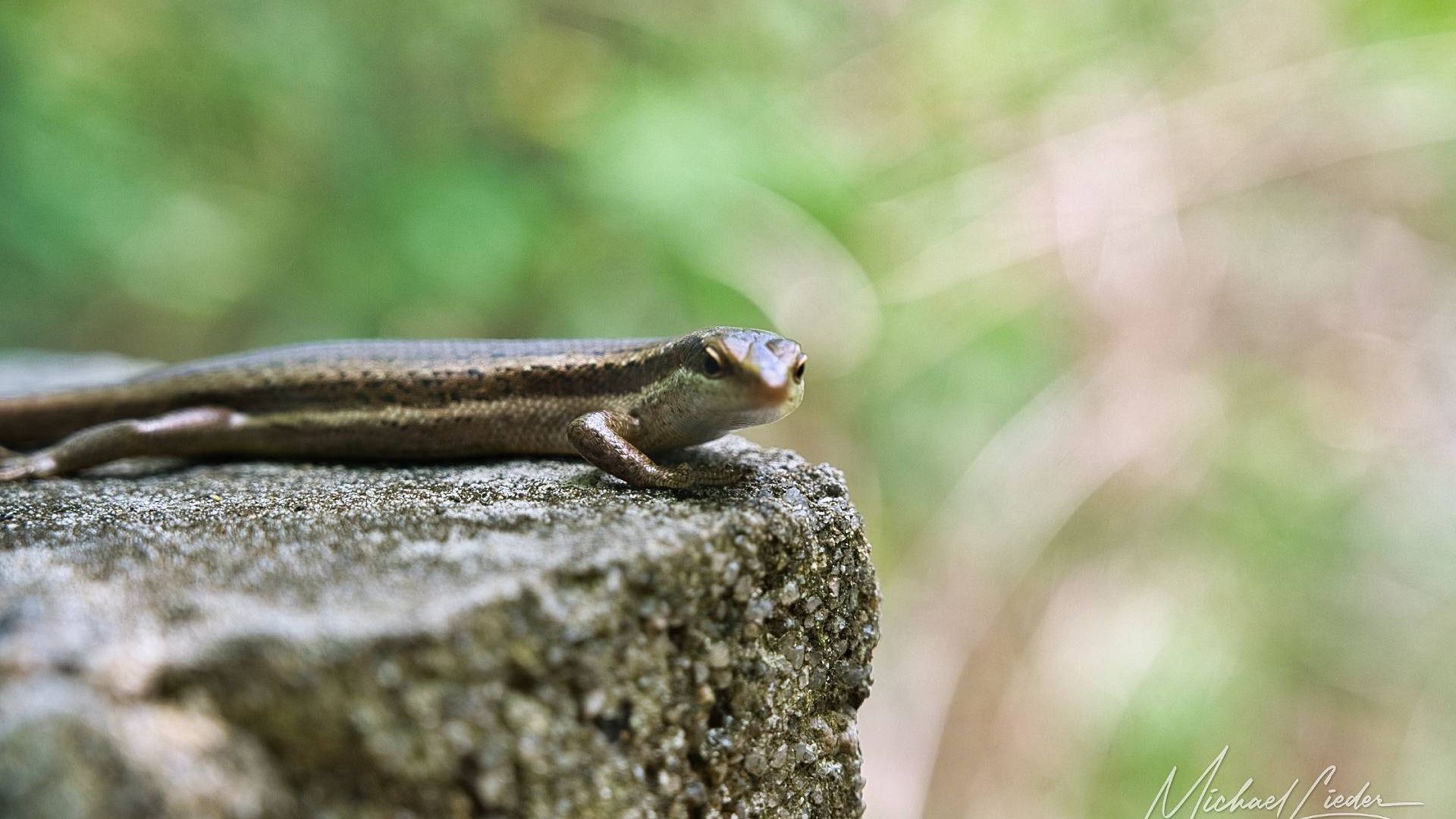
Getting there is an adventure in itself. The road narrows, the shoulders dip away, the asphalt crumbles – and at some point even your GPS stops pretending you know what you’re doing. From there on, it’s the birds, the crashing waves, and the occasional suspicious gecko that guide you.
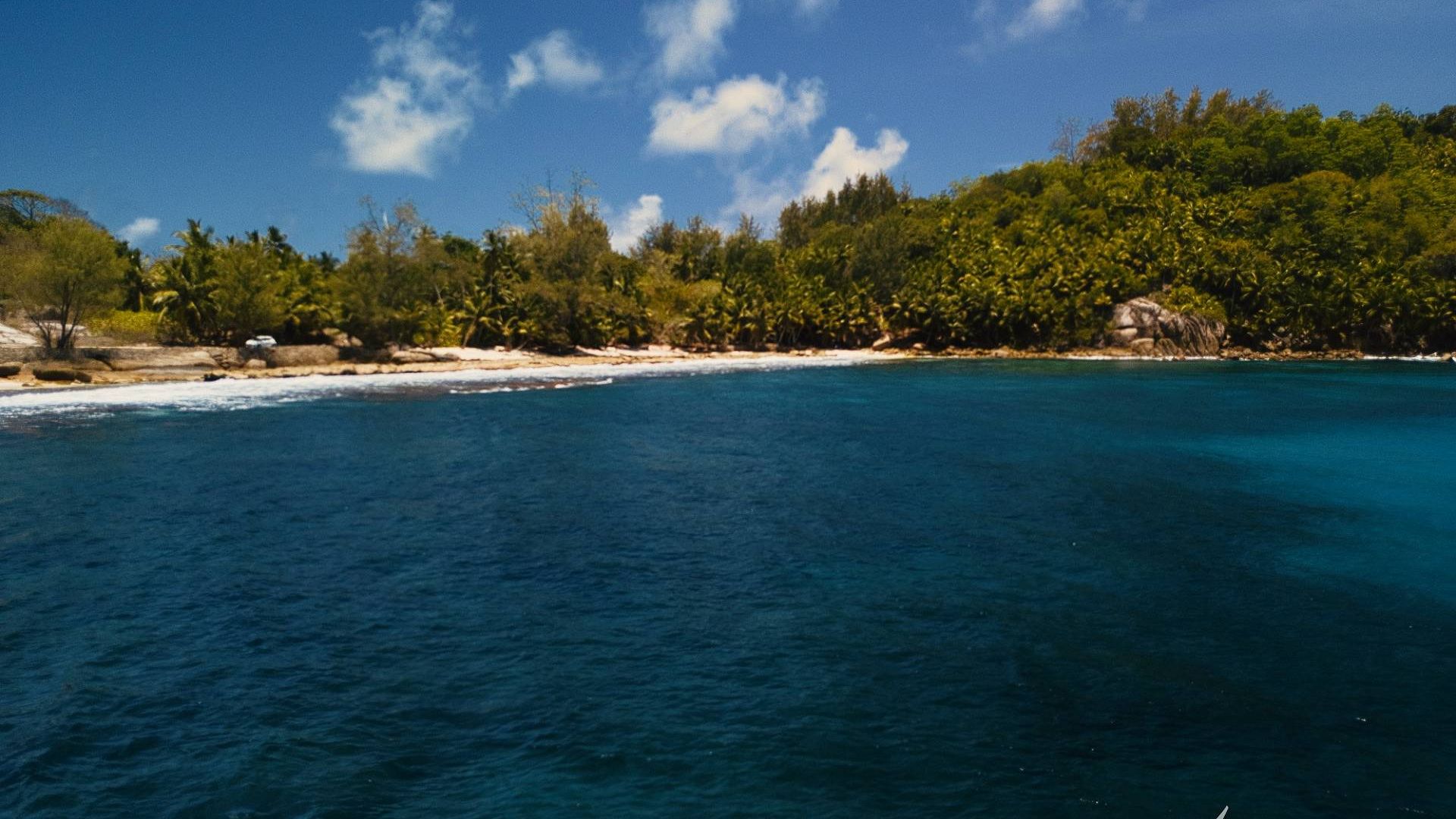
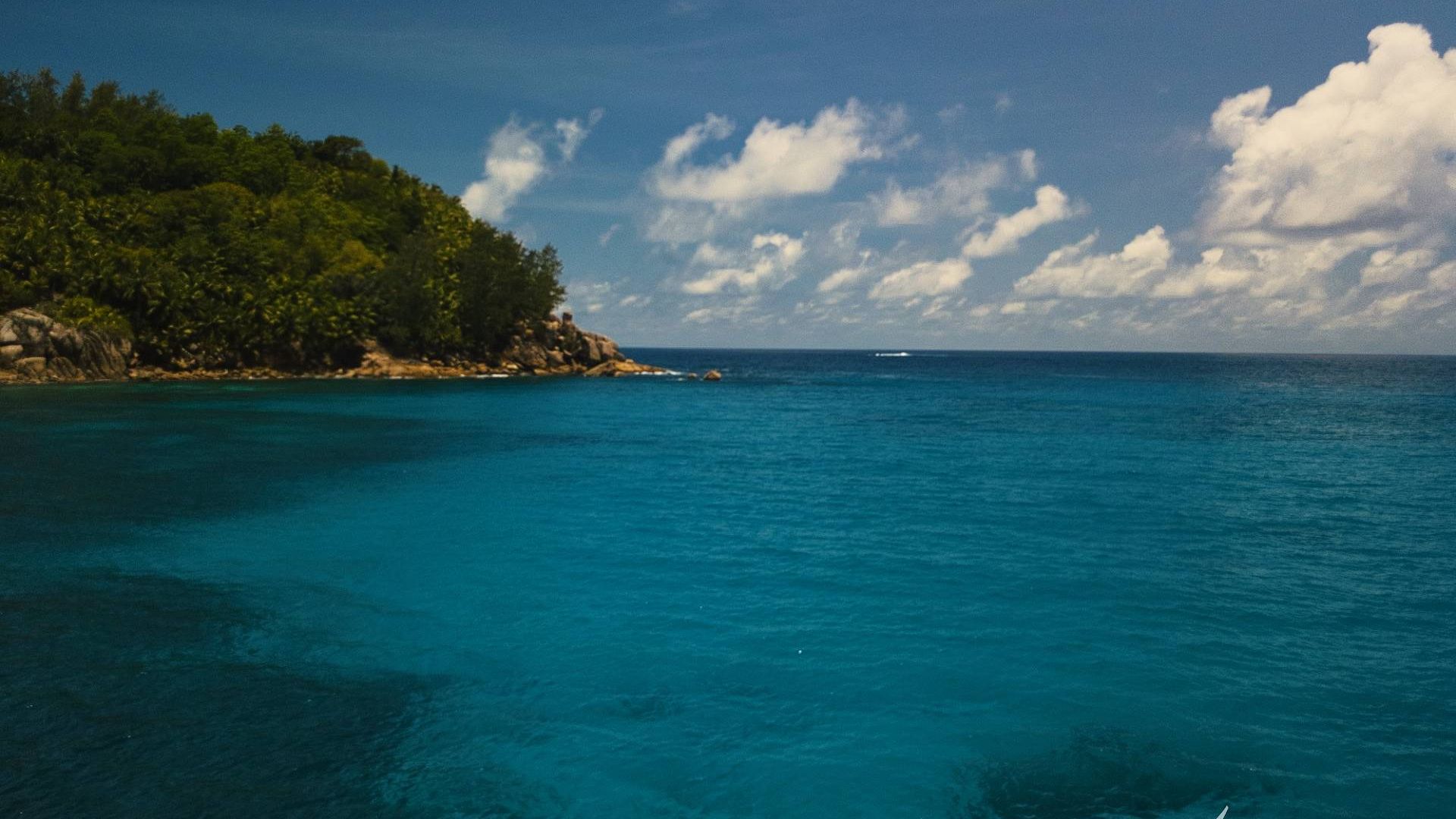
The drive from Beau Vallon via Victoria drags on – for a mere 36 kilometers, the navigation system optimistically promises about an hour and a half. Spoiler: that’s wishful thinking. But the journey makes up for it: the Indian Ocean keeps you company on the left, and around almost every bend, another perfect little dream bay appears – white sand, crystal water, the kind of blue that makes aquamarine look insecure. It’s the kind of drive that’s good for the soul.
Where the Ocean Calls the Shots
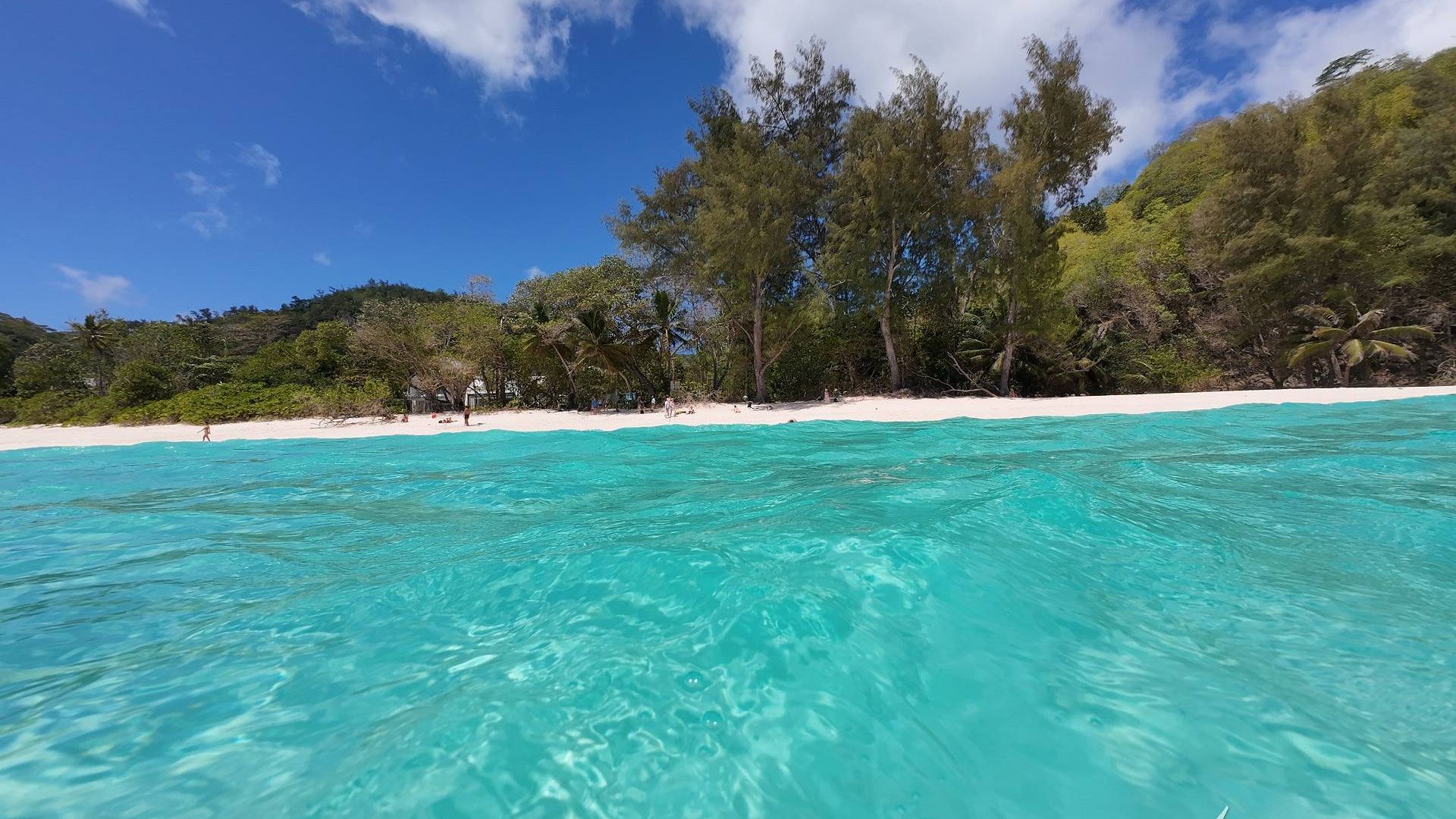
And then – suddenly – the view opens up: an endless beach, turquoise water, and waves rolling in with such force that even seasoned surfers might reconsider and start collecting seashells instead. It’s wild, raw, untamed – and that’s exactly why it’s beautiful.
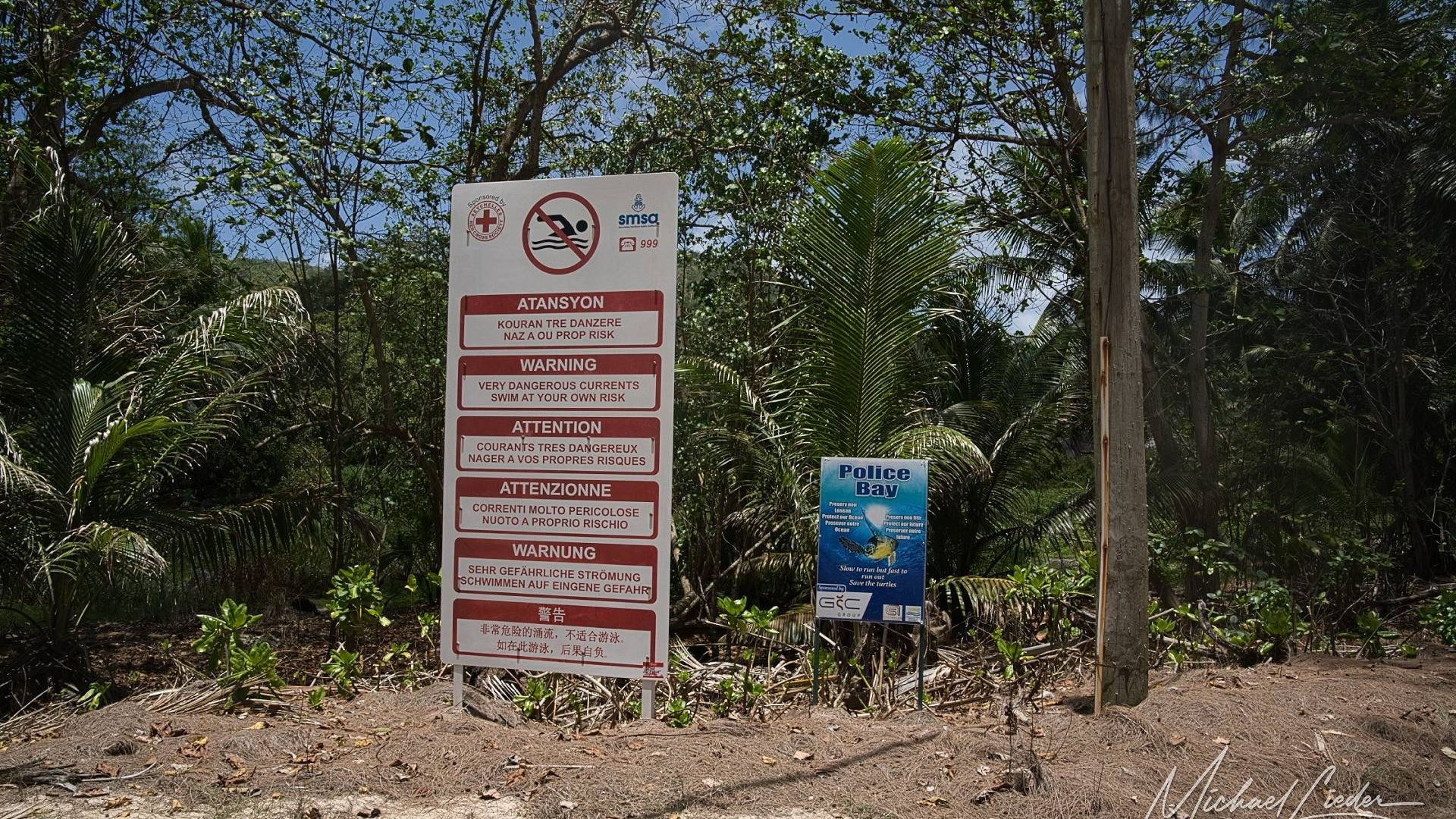
Right at the entrance to Police Bay, a sign warns of dangerous currents. And honestly? We looked at it, nodded, and decided that maybe today wasn’t the day for a swim. Instead, we just stood there, watching the surf crash in a rhythm that felt almost cosmic. Each wave louder, stronger, more alive than the one before.
Not a soul in sight – just us, one lonely car parked at the roadside, and maybe, somewhere in the distance, another lucky wanderer savoring the same magic.
Here you understand why travelers say the Seychelles are more than honeymoon clichés and resort perfection. Police Bay is the unfiltered truth – the island’s face before tourism put on its makeup. You stand there, sand between your toes, salt spray on your face, and think: If this is the end of the world, then please – let it go on for a few more meters.
– a walk through the ruins
The next chapter of this vacation day begins – as so often – with an inner argument. Should you really go looking for an abandoned prison in the middle of paradise? Among palm trees, turquoise water, and screeching tropical birds – of all places, here, where others spend their honeymoon?
Well, once you start chasing the hidden stories of the Seychelles, there’s no going back.
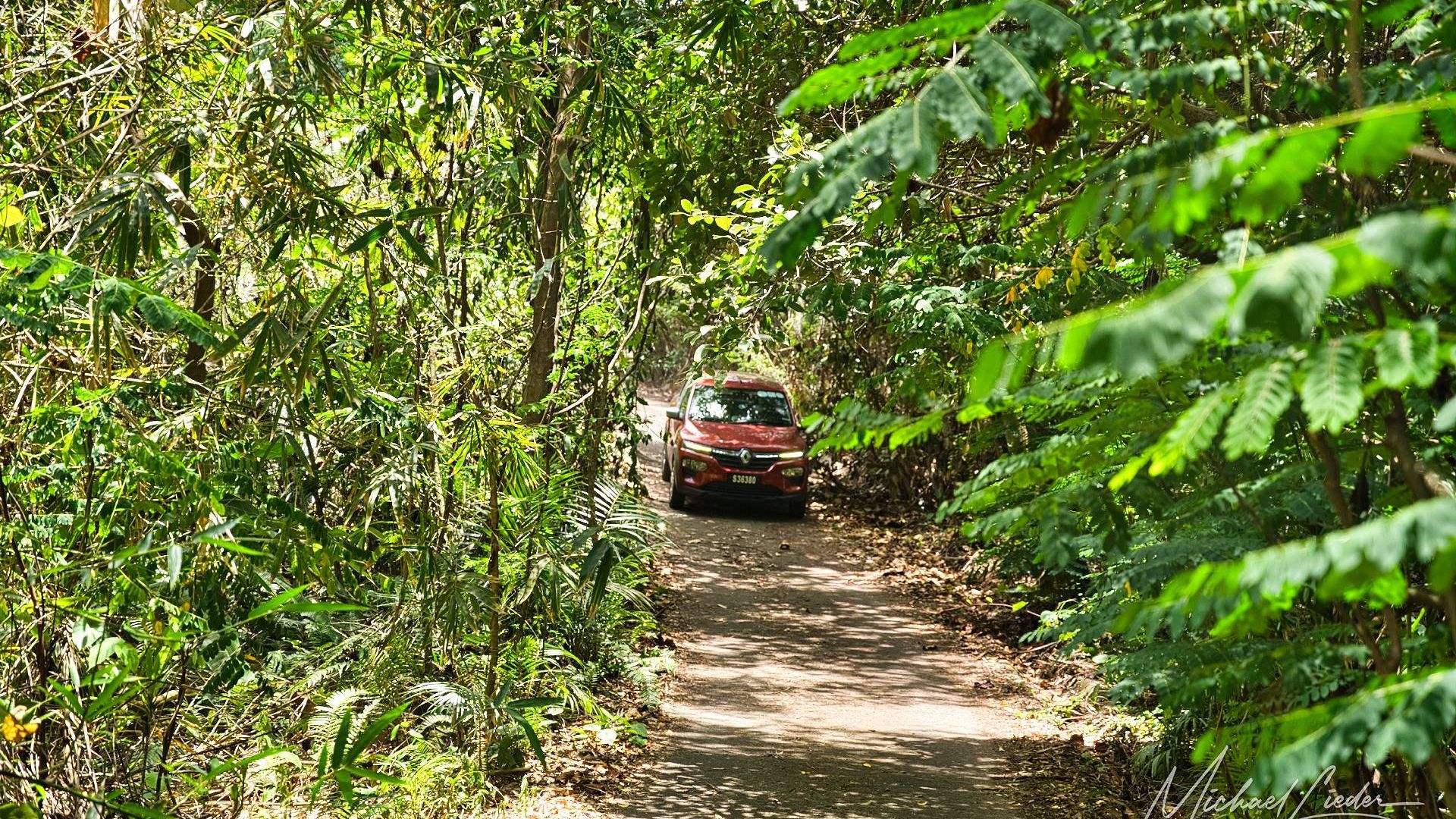
So it’s back to the fork in the road (yes, the one I marked on the map – better safe than sorry) and then off we go, our brave but slightly rattly Kwippy bumping into the green wilderness. The road ends as abruptly as if it decided civilization was overrated beyond this point. No signs, no fences, just that gut feeling that somewhere out there lies something forgotten.
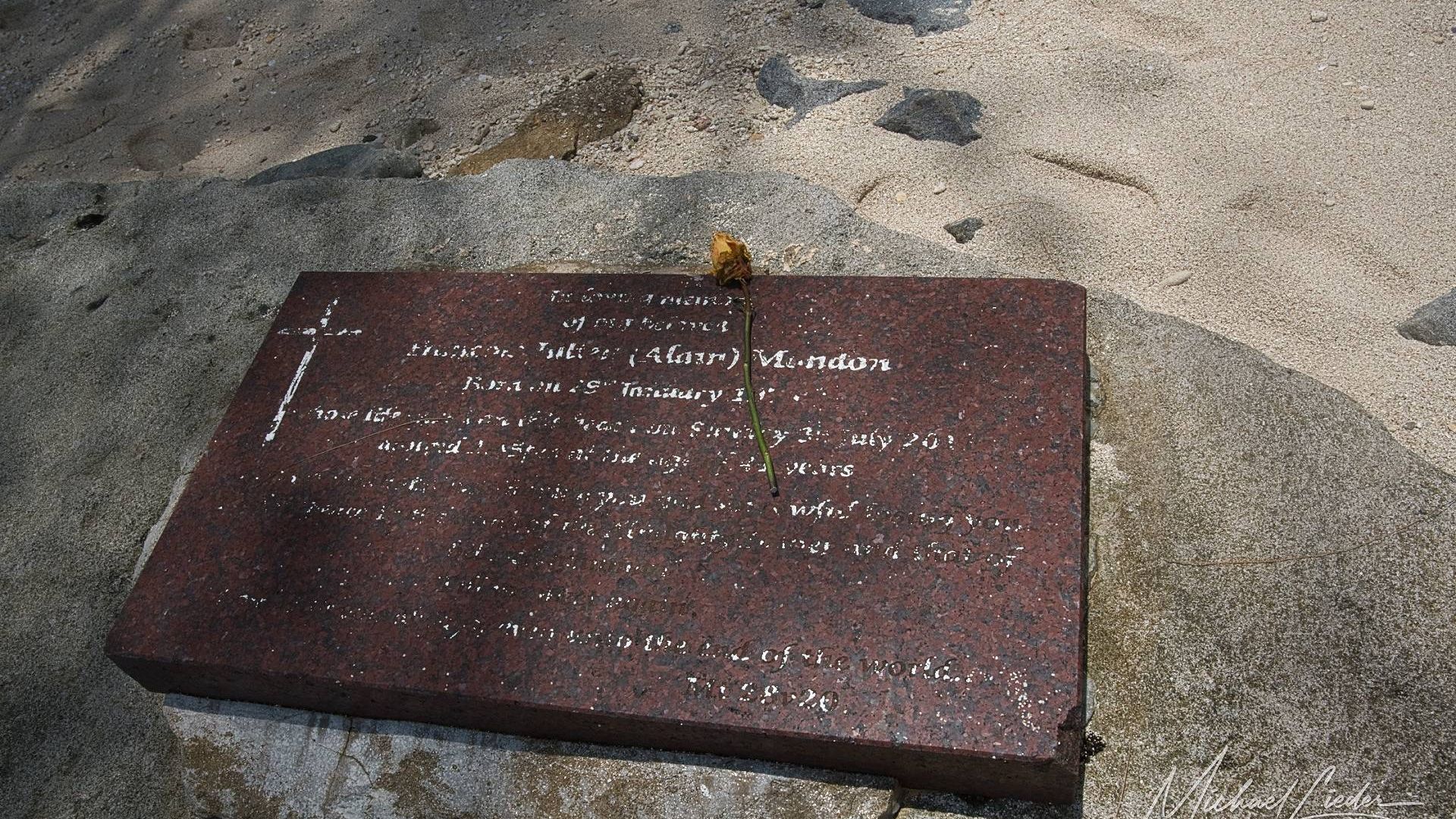
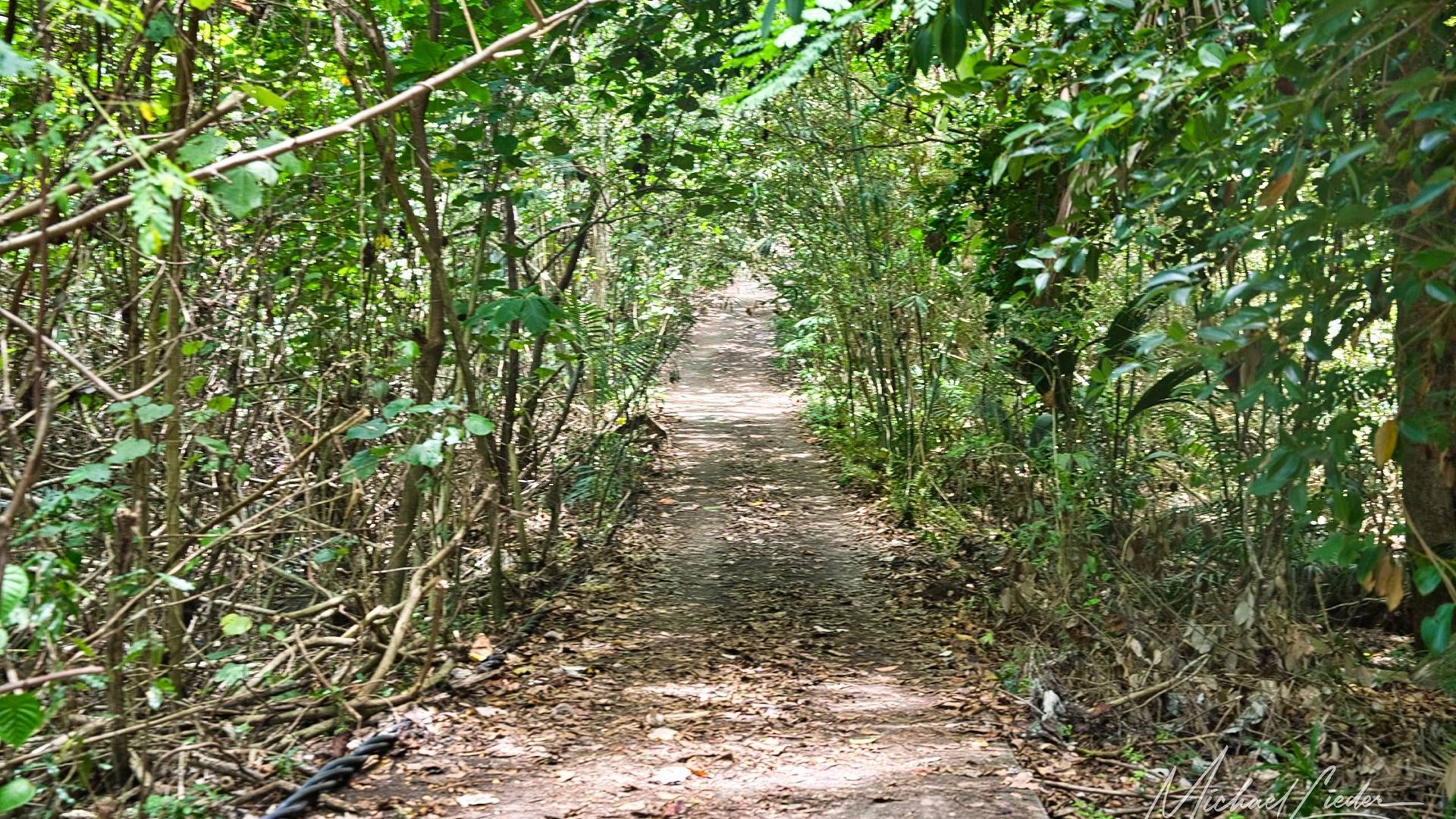
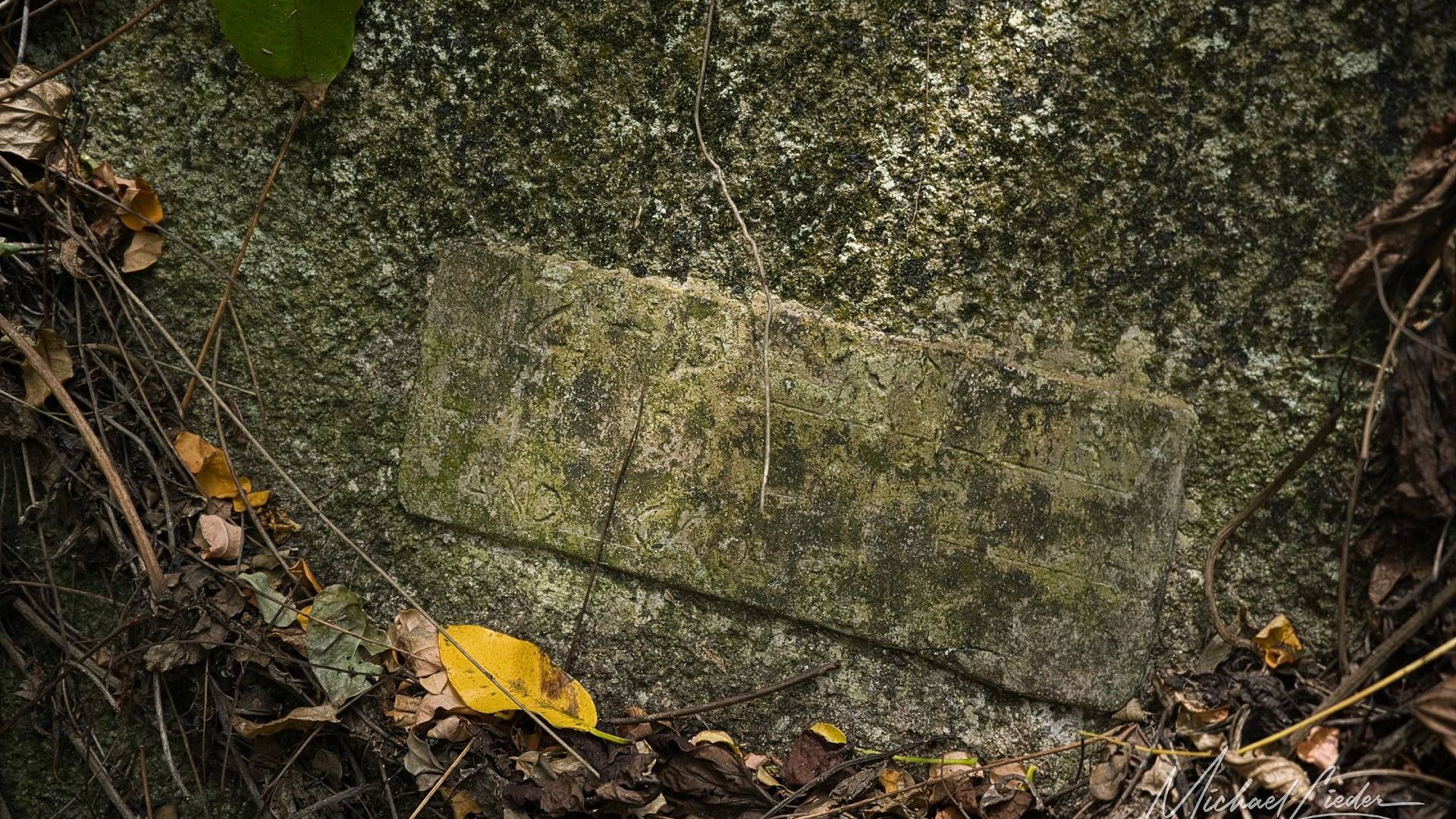
A few hundred meters back – a rock to the left, a modest memorial plaque in front of it. Behind it, a path – narrow, damp, mysterious. Perfect. So in we go.
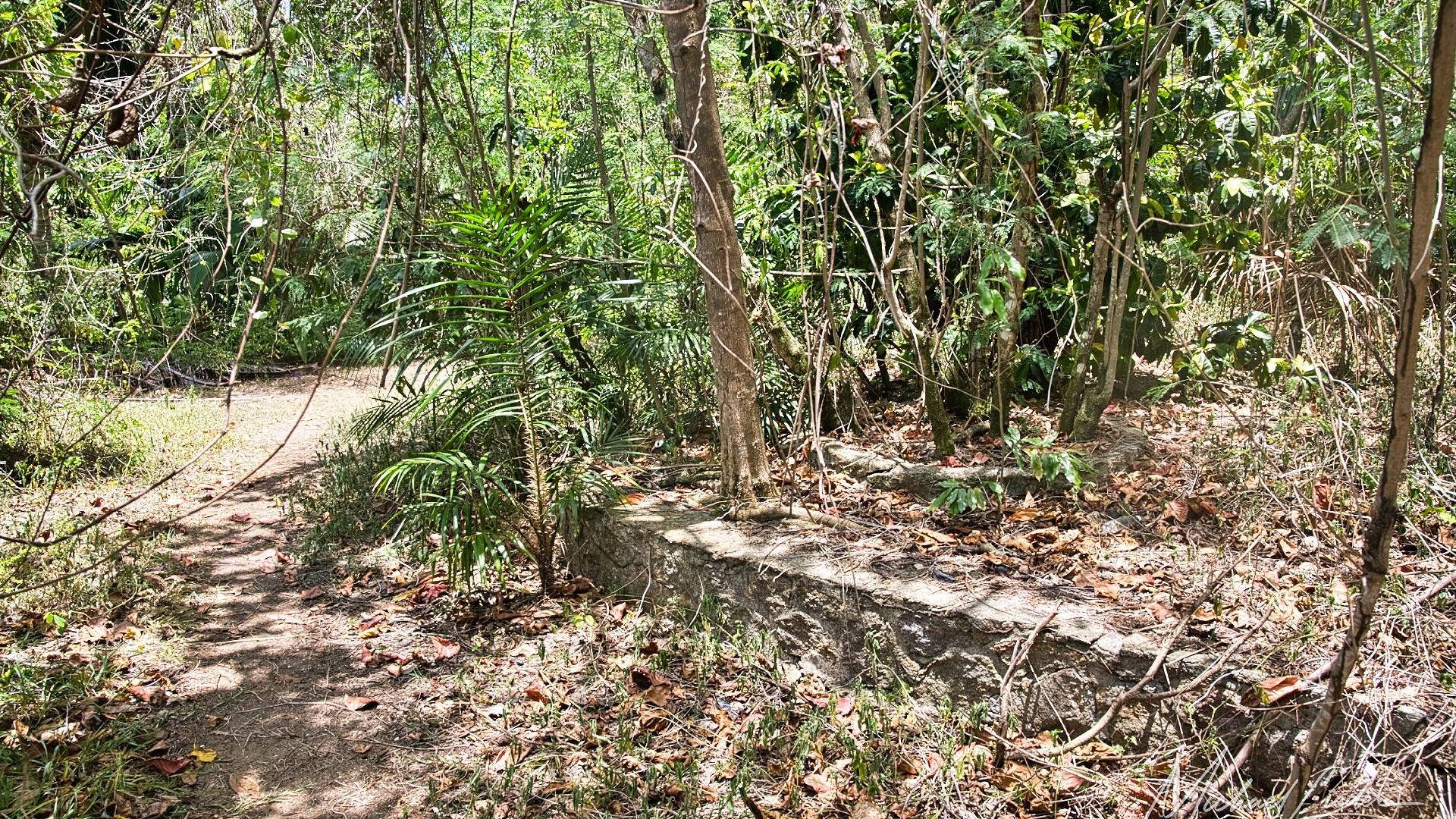
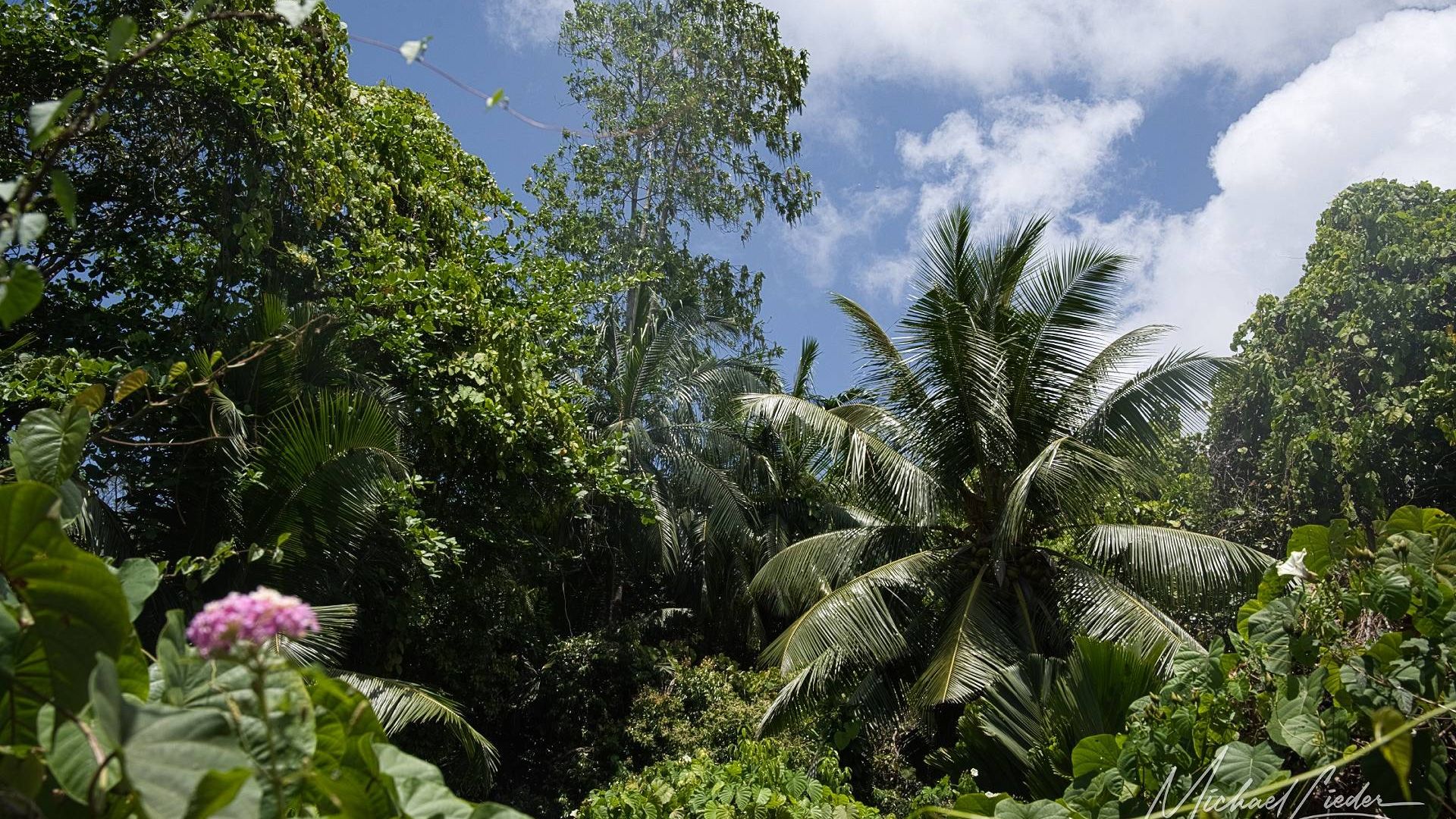
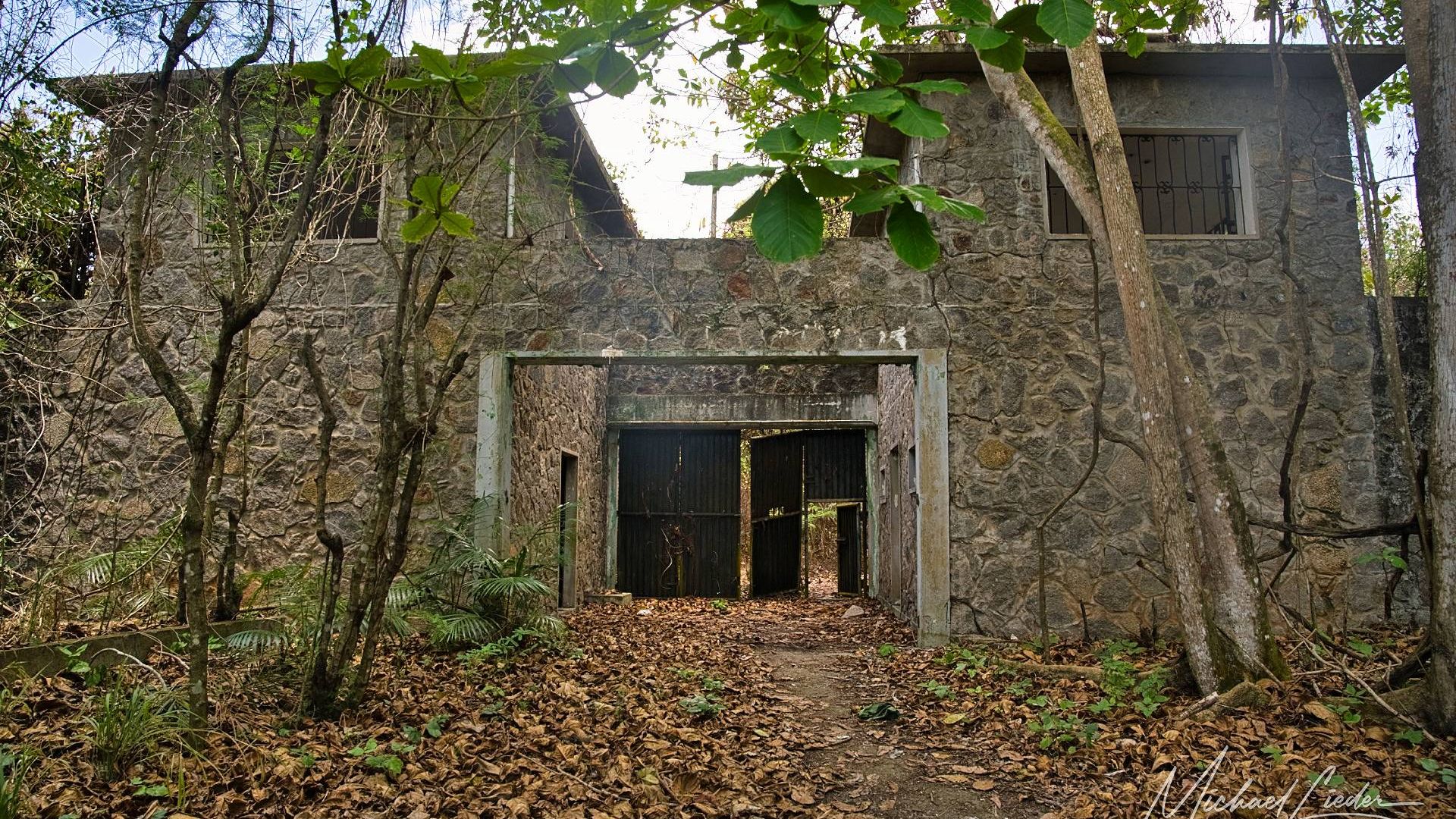
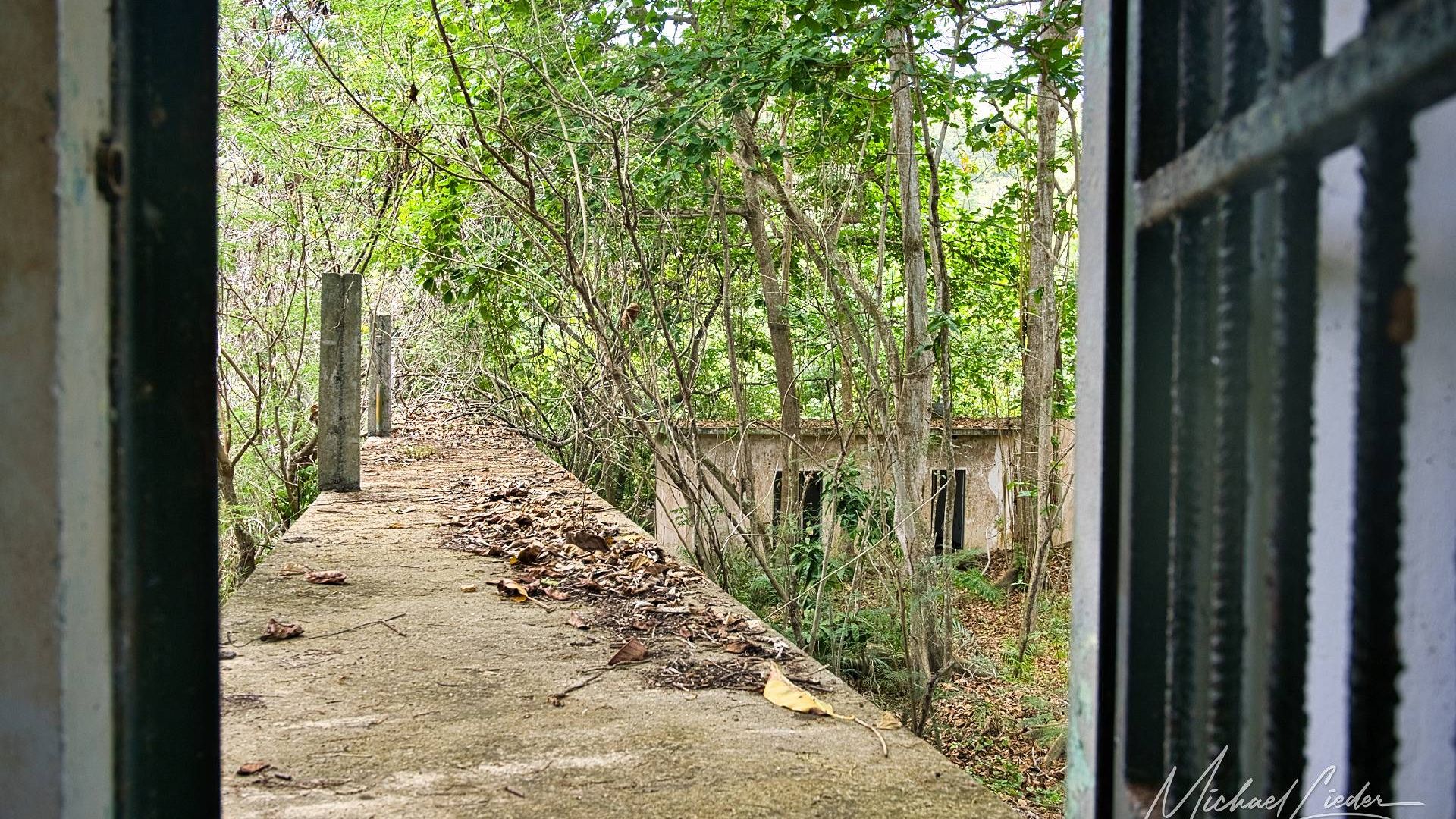
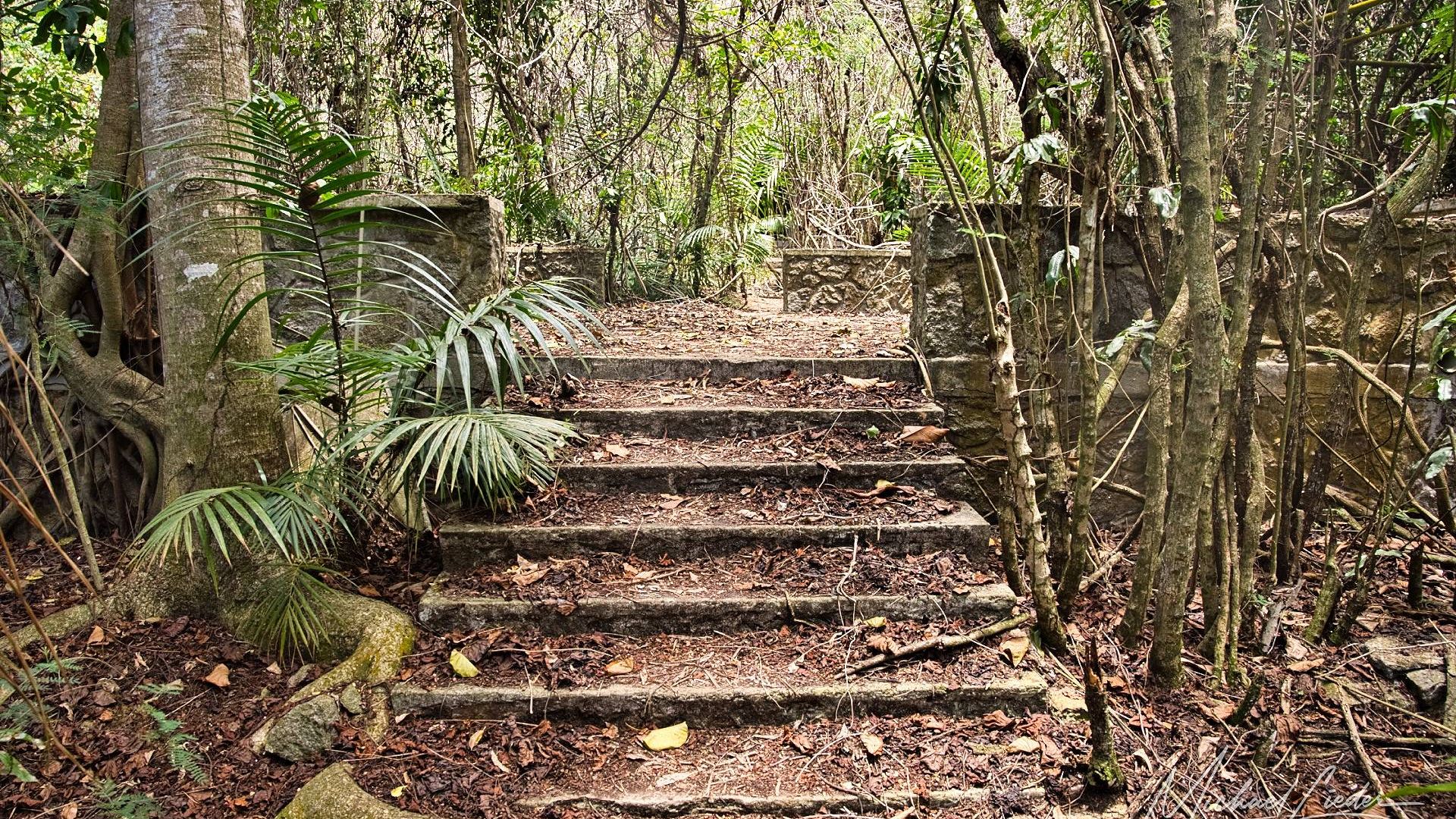
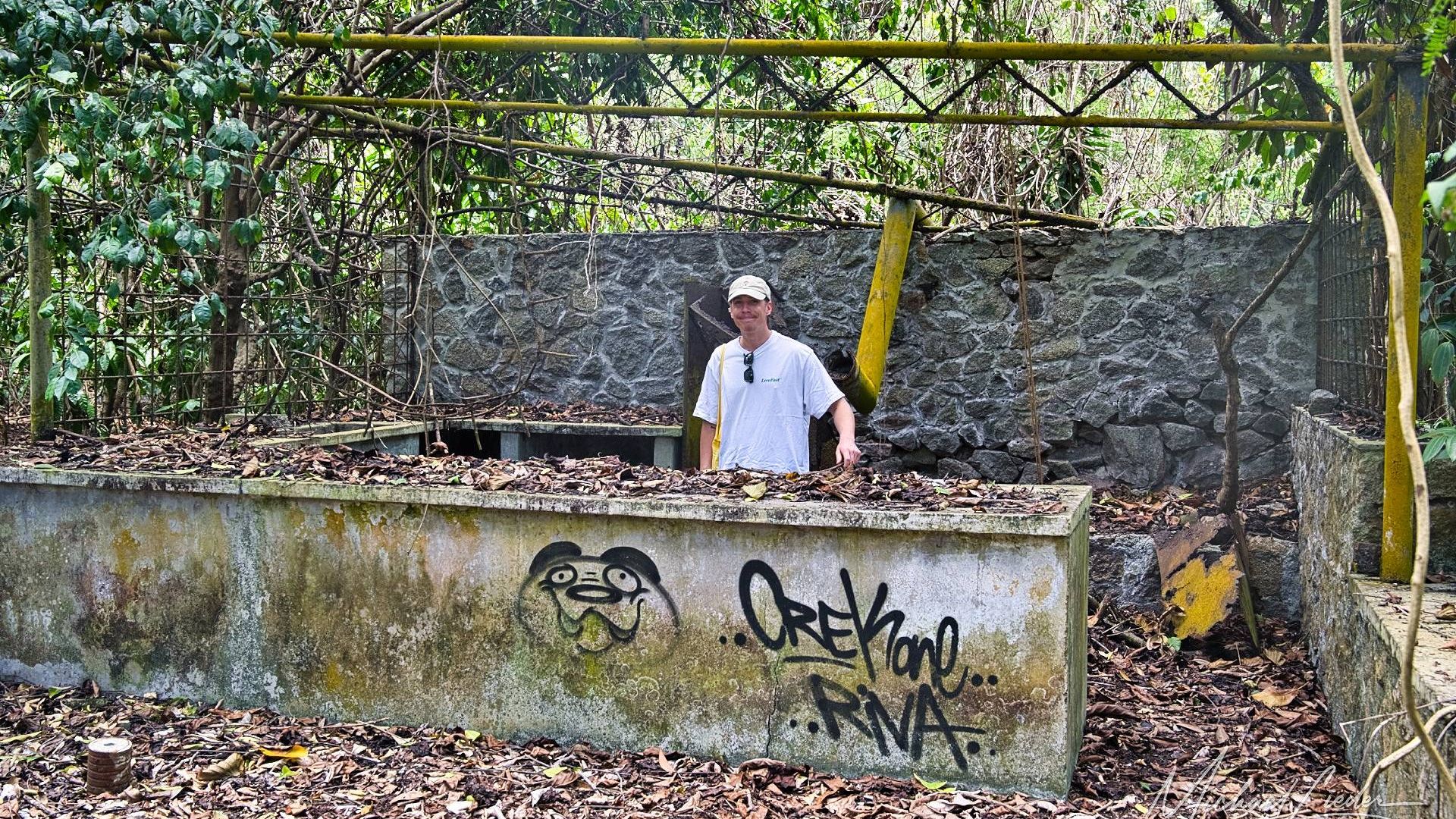
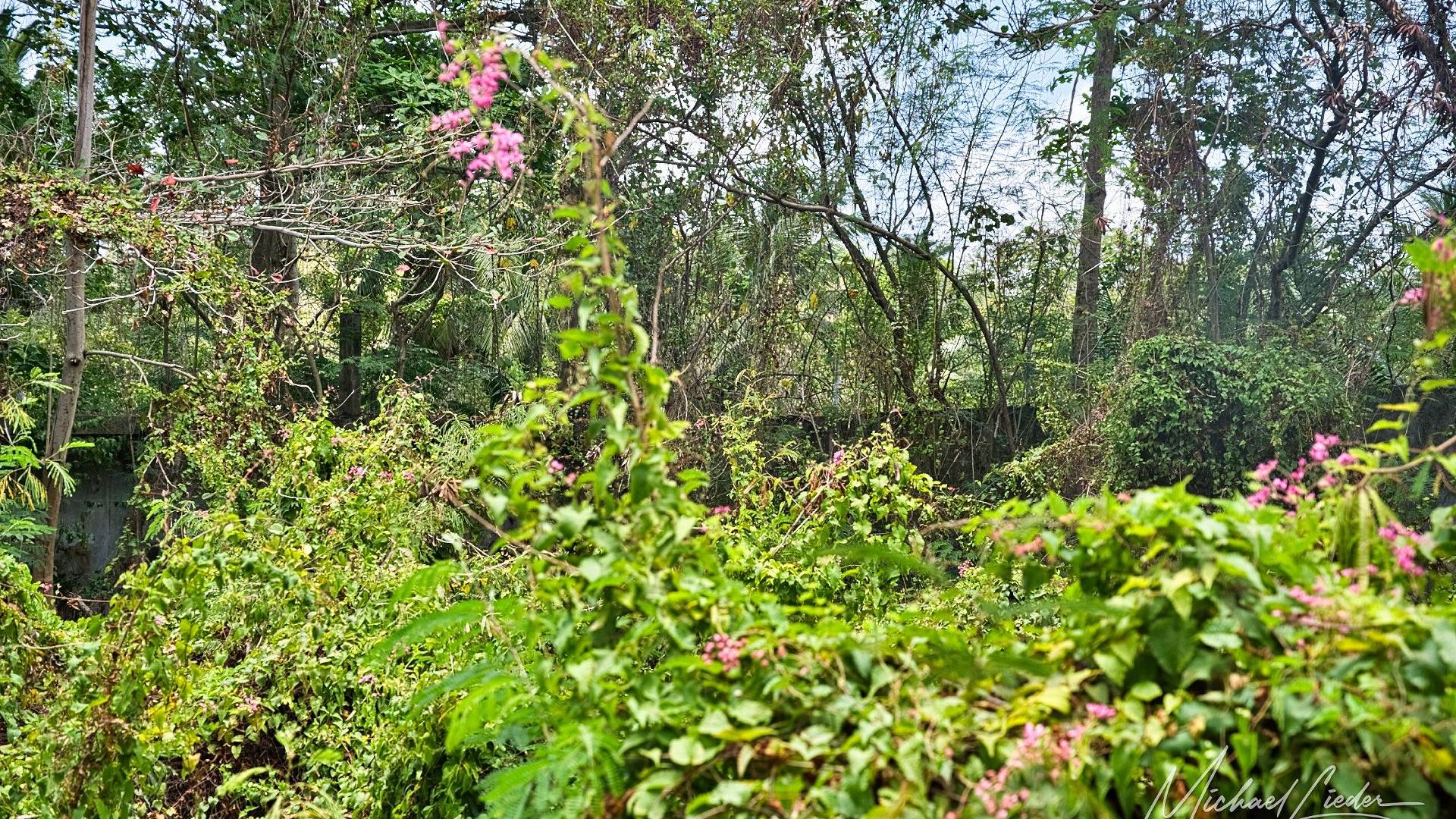
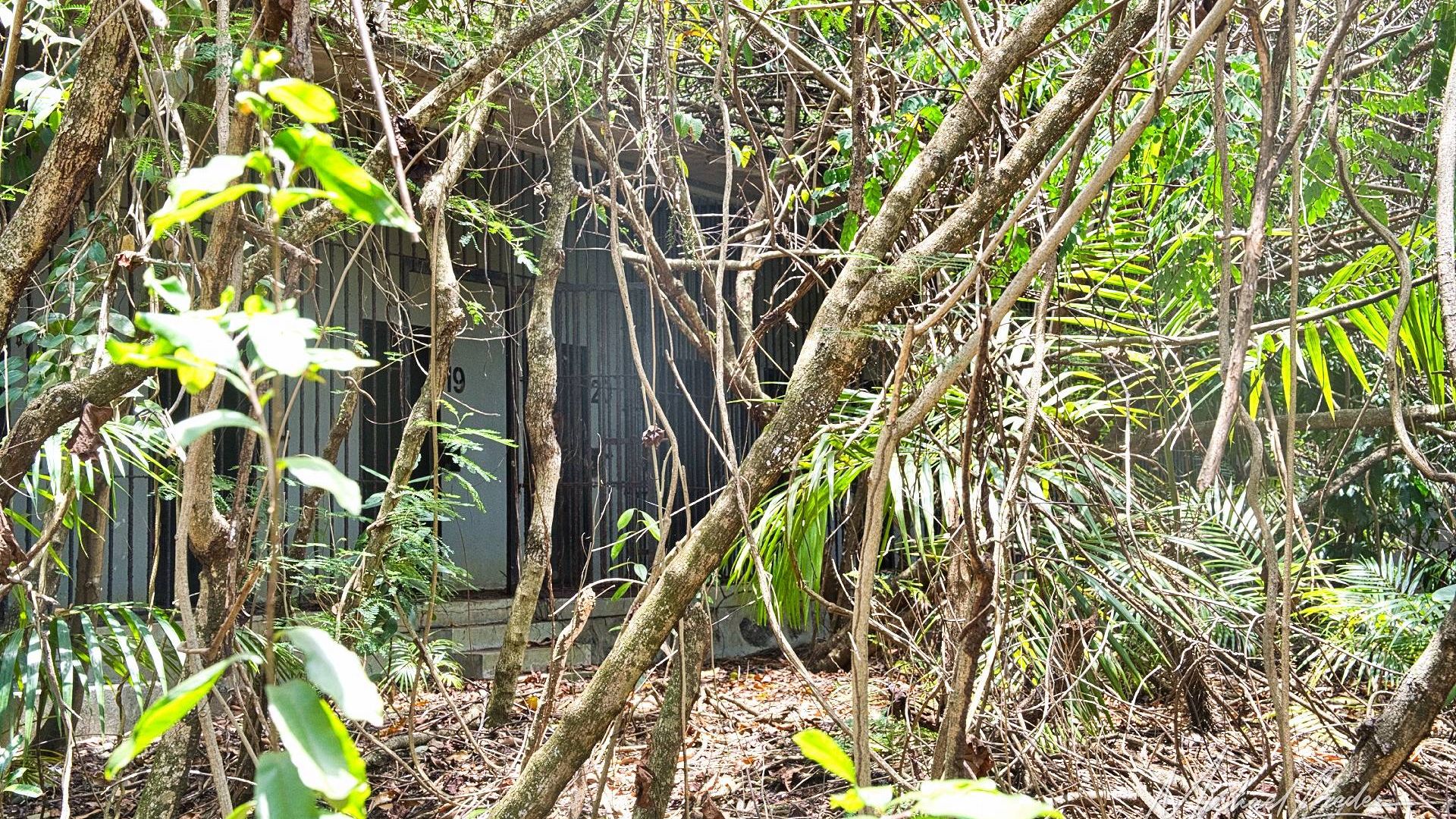
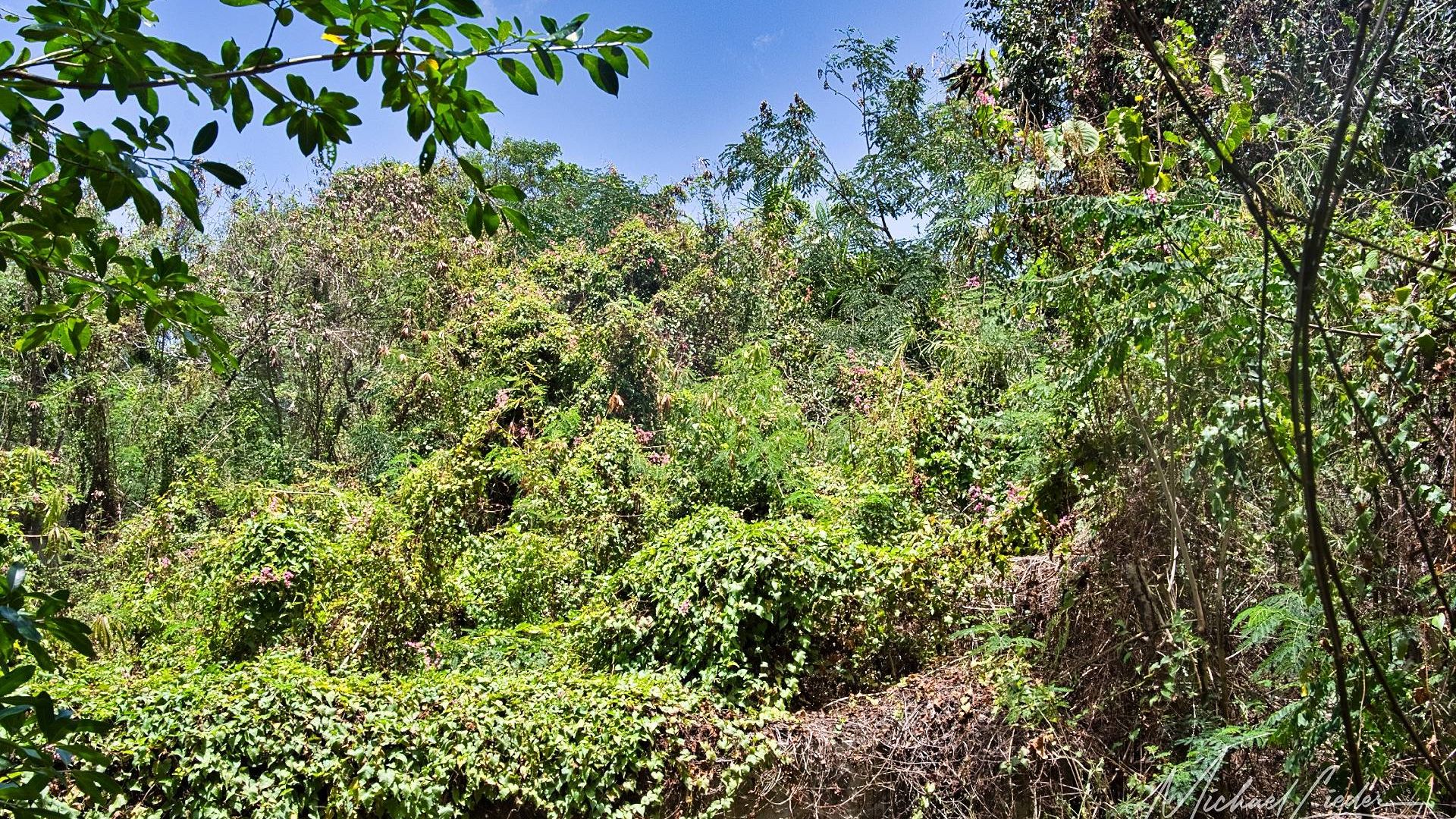
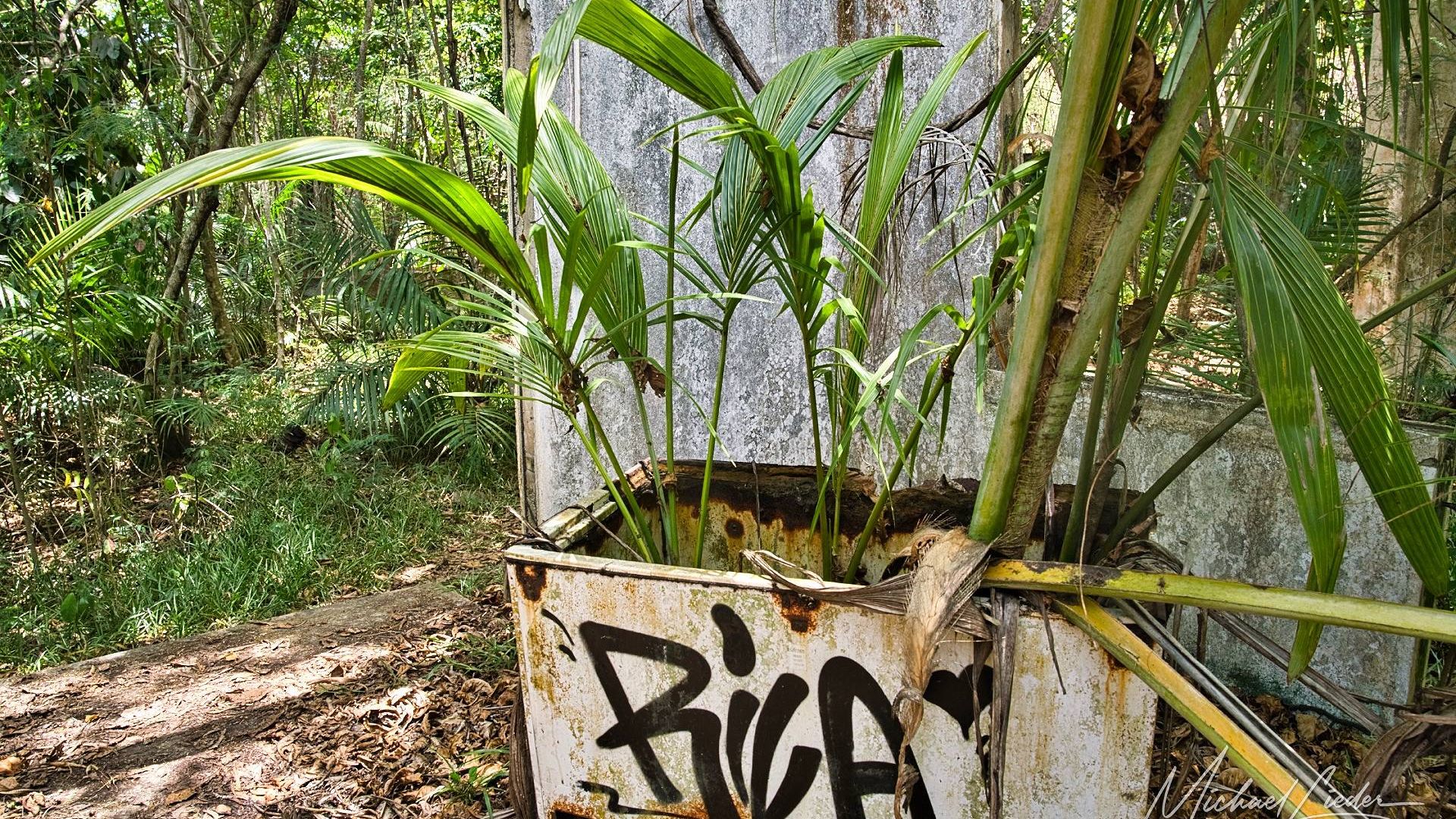
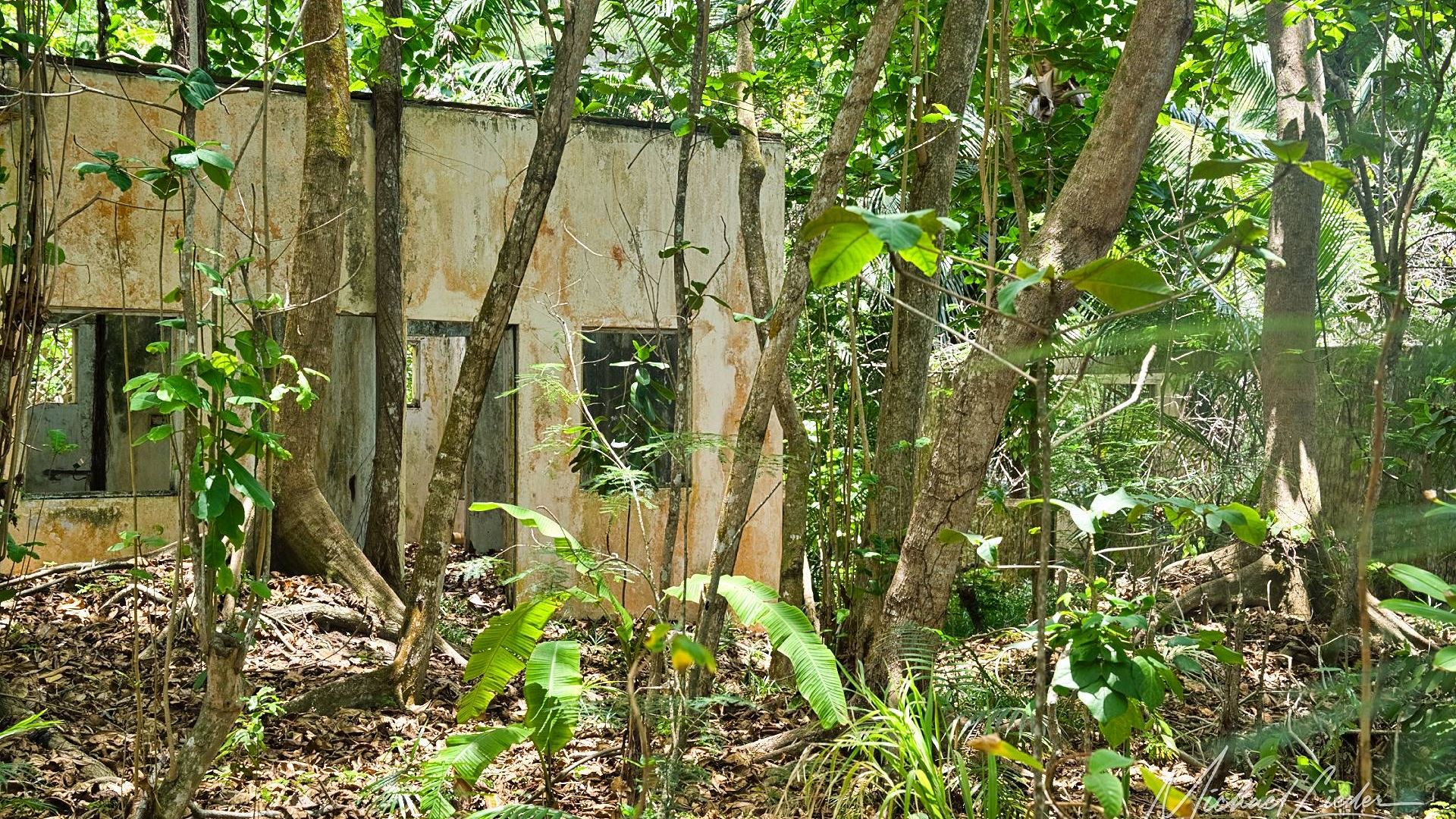
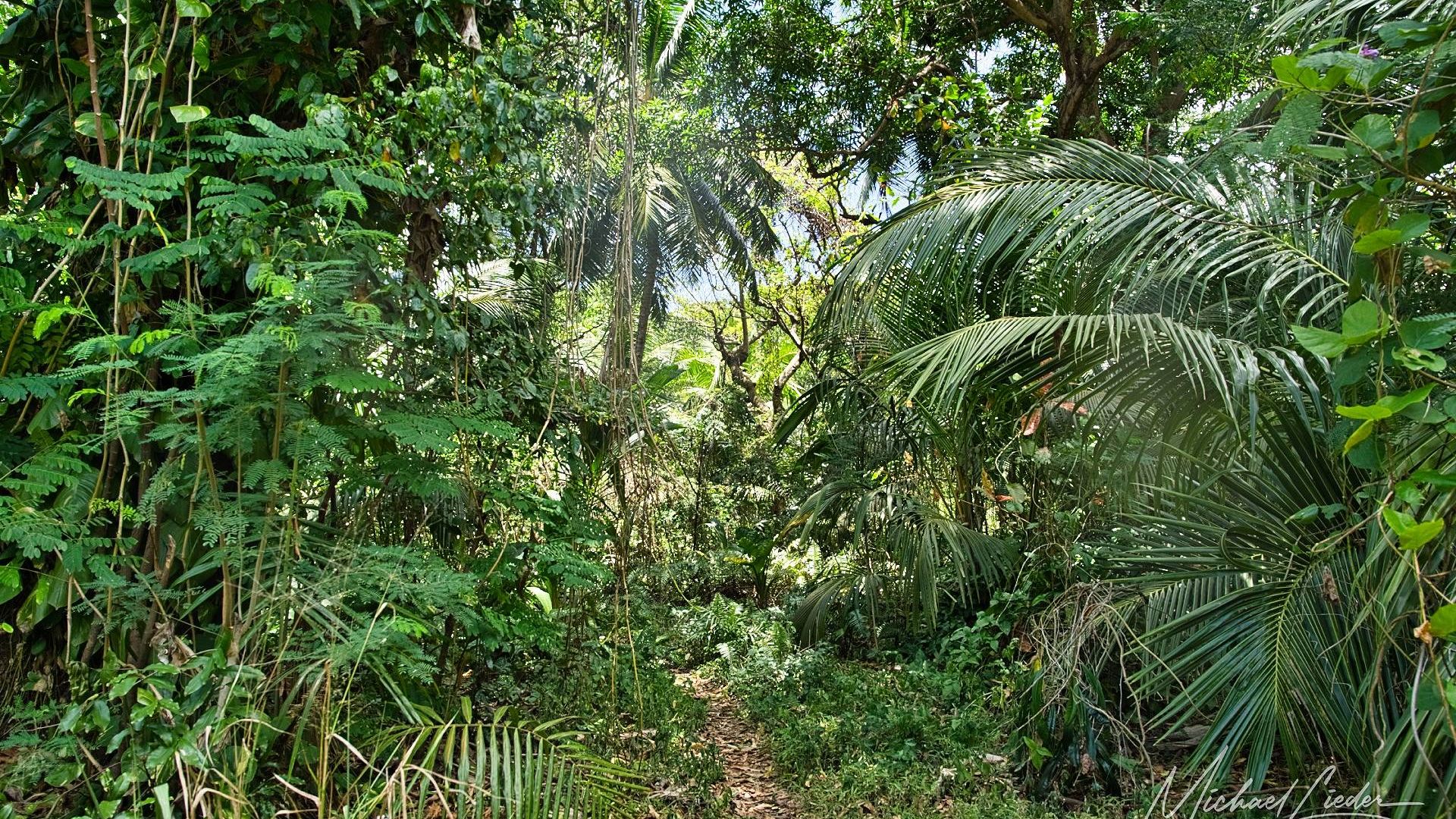
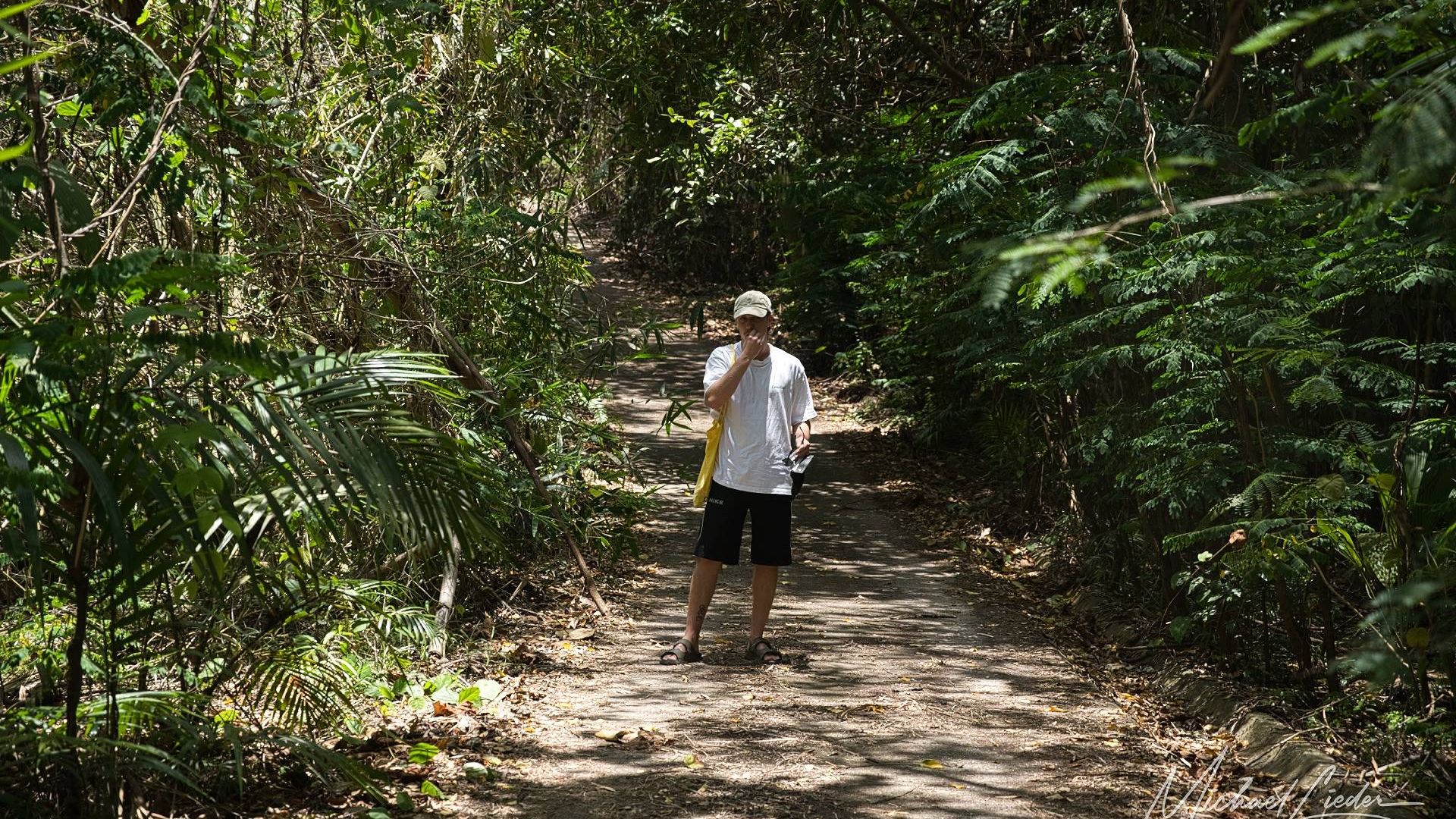
The jungle embraces us with tropical humidity, hair sticking, mosquitoes partying – and within minutes, the first ruins appear. Overgrown, broken, yet full of stories. As if they were whispering: “You’re close, stranger.”
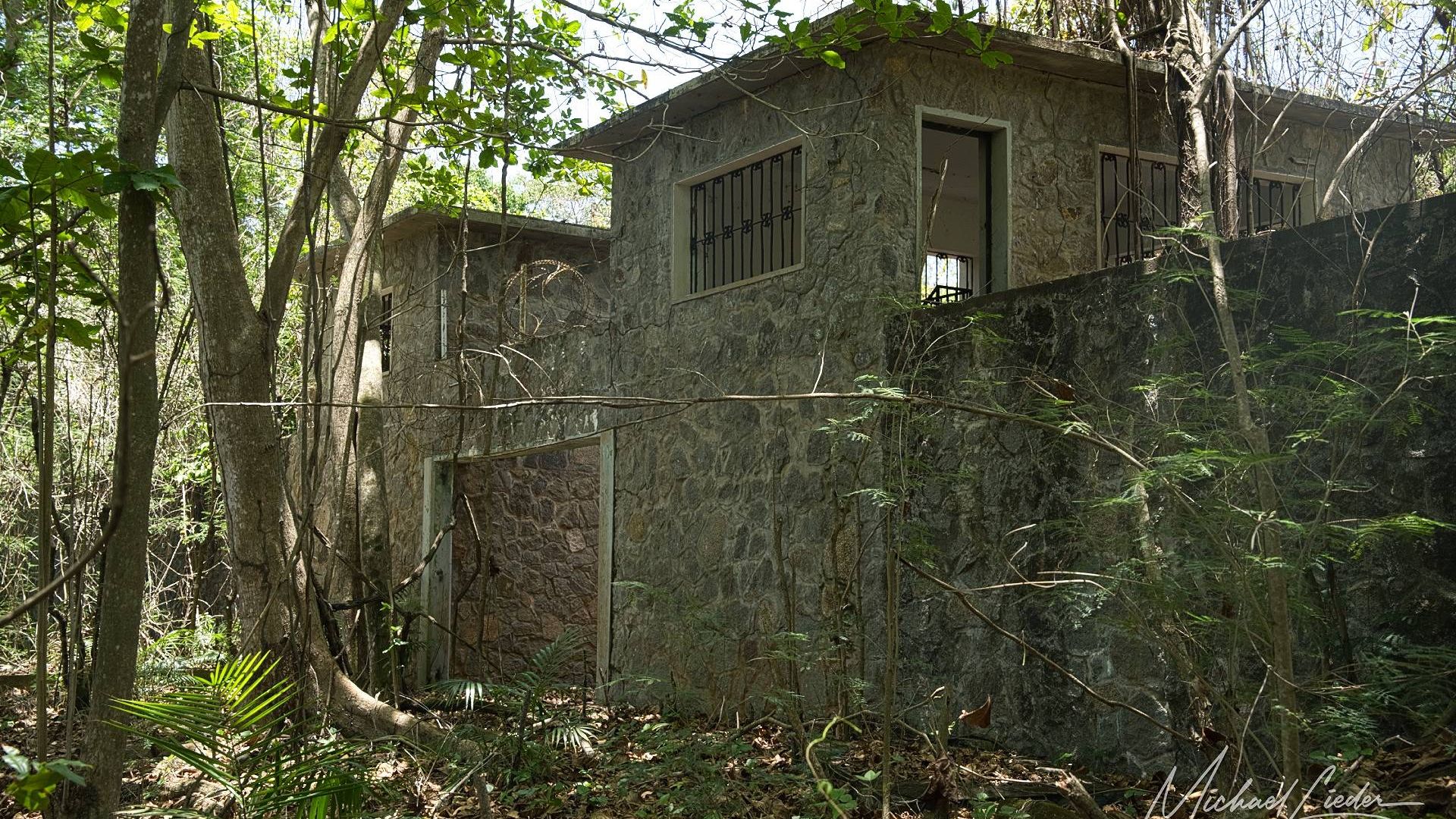
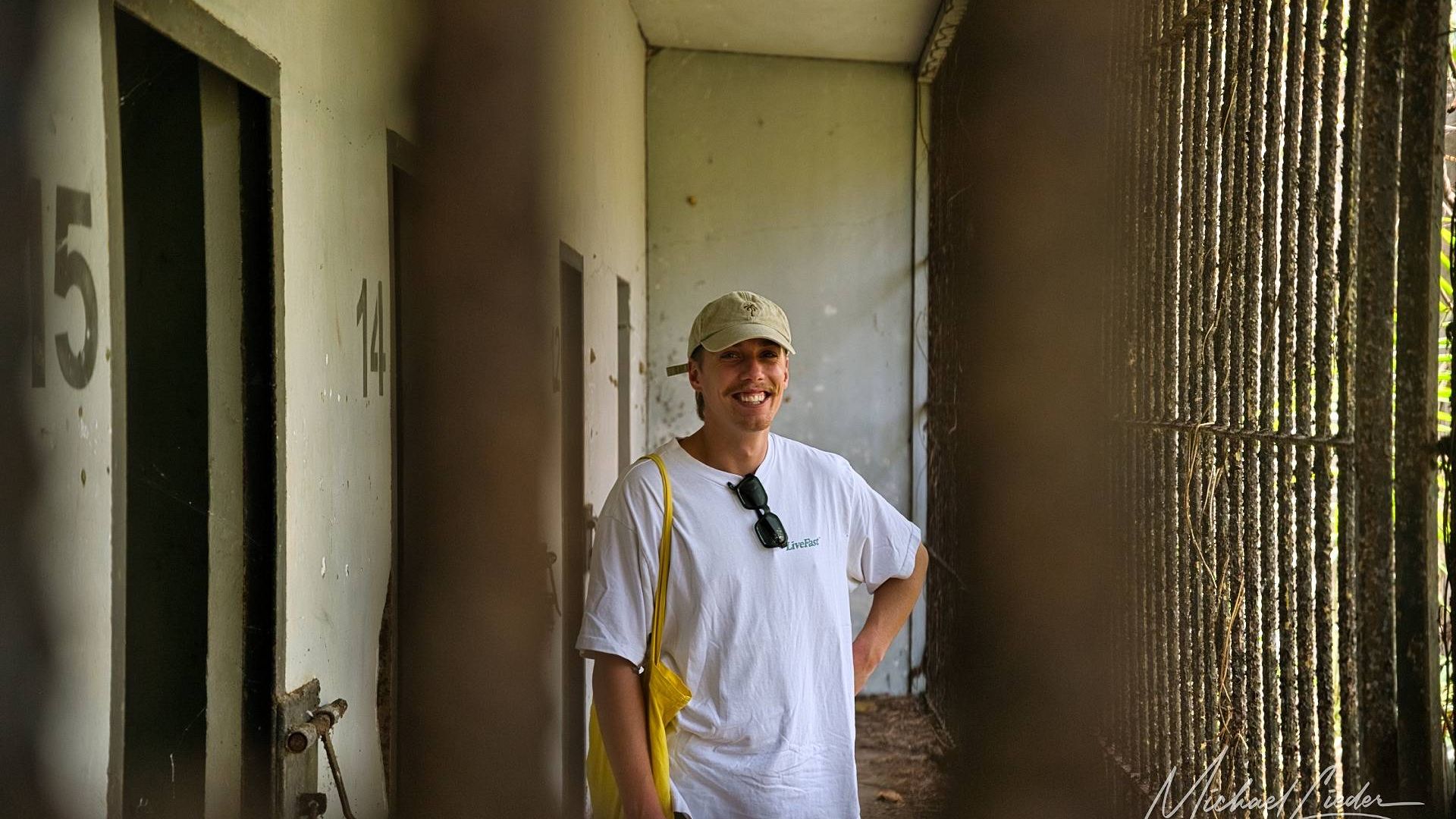
And then – suddenly – we’re standing in the middle of it: the Lost Prison of Police Bay.
Where the Bars Once Clanged
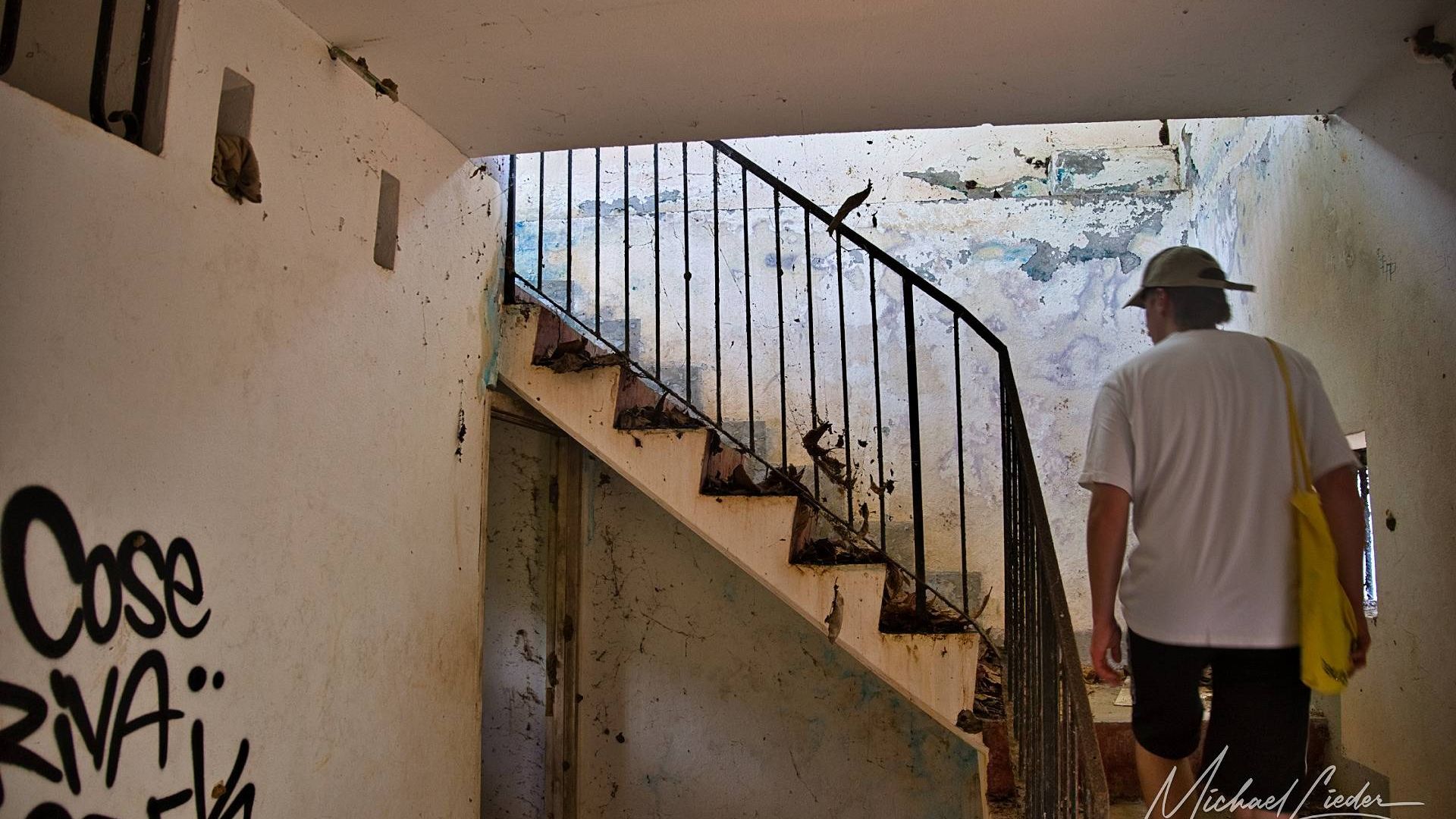
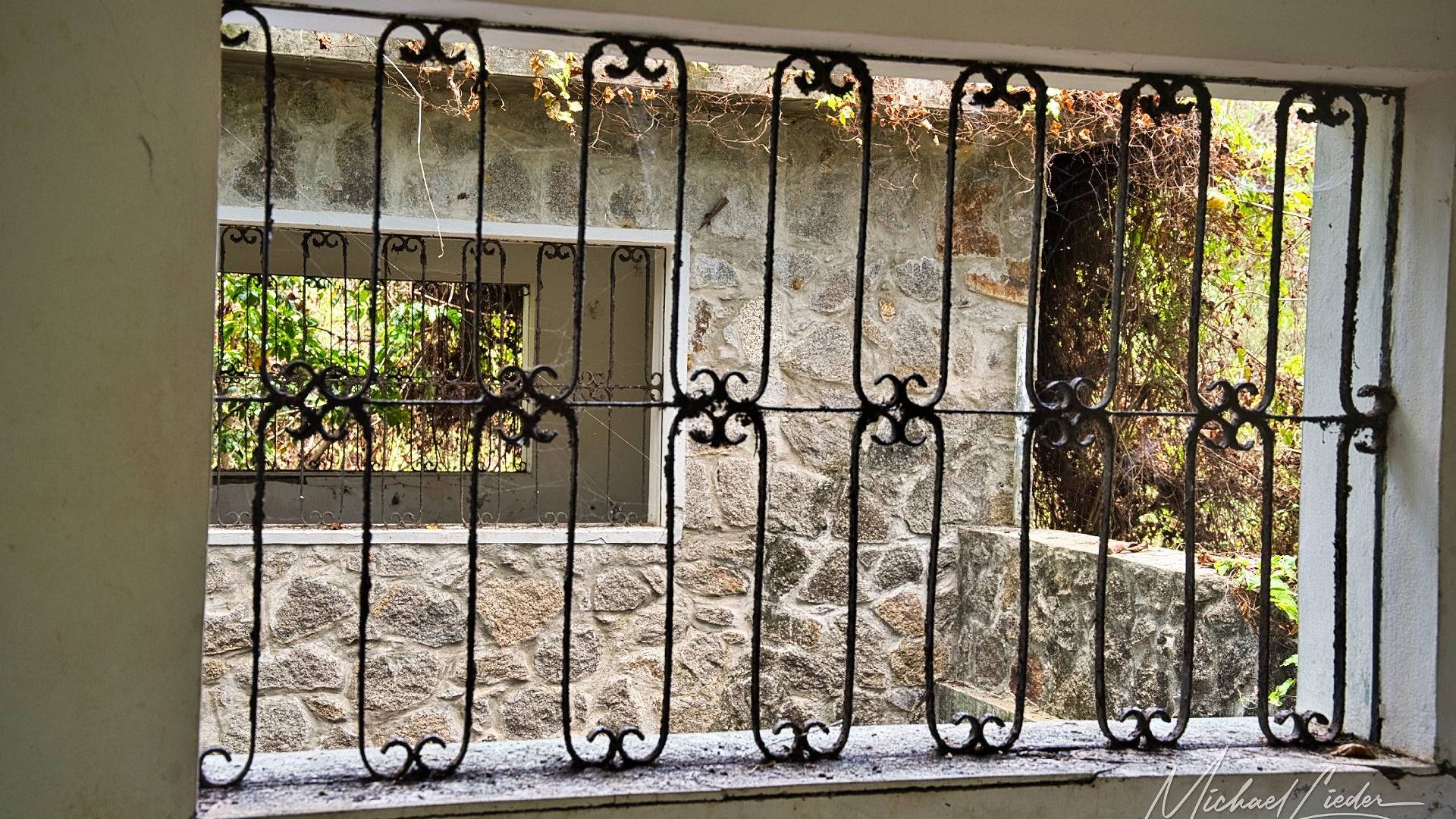
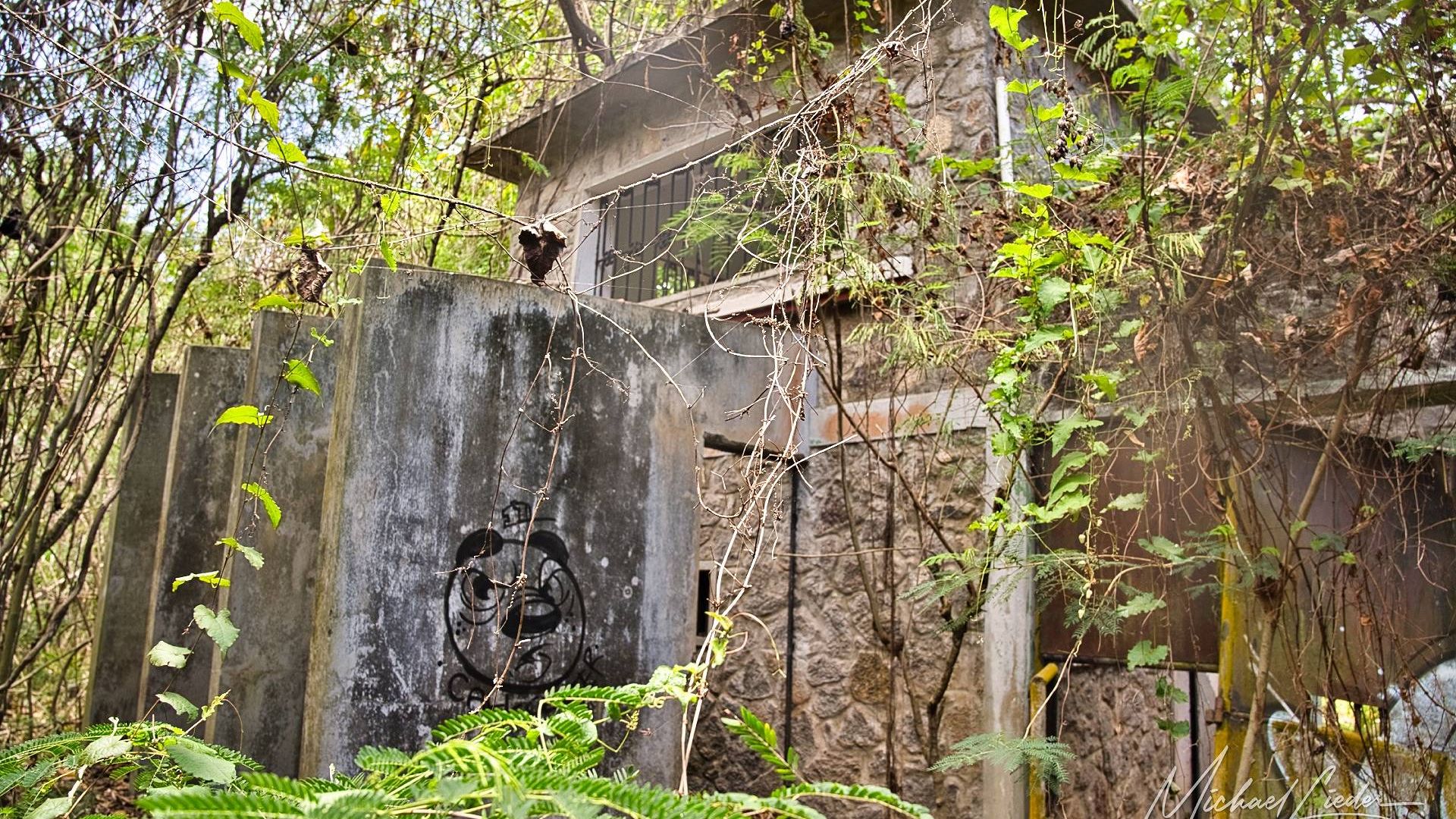
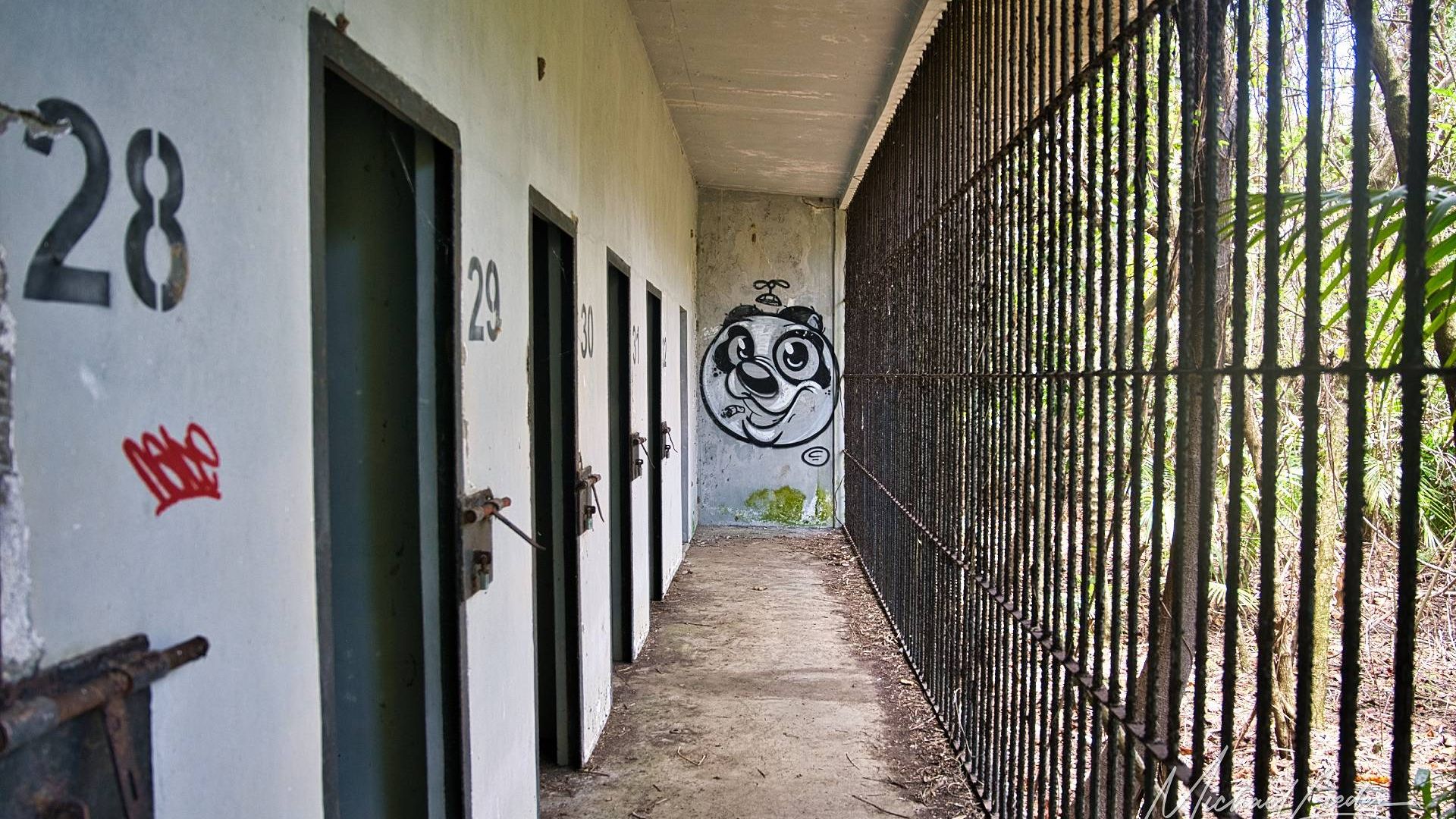
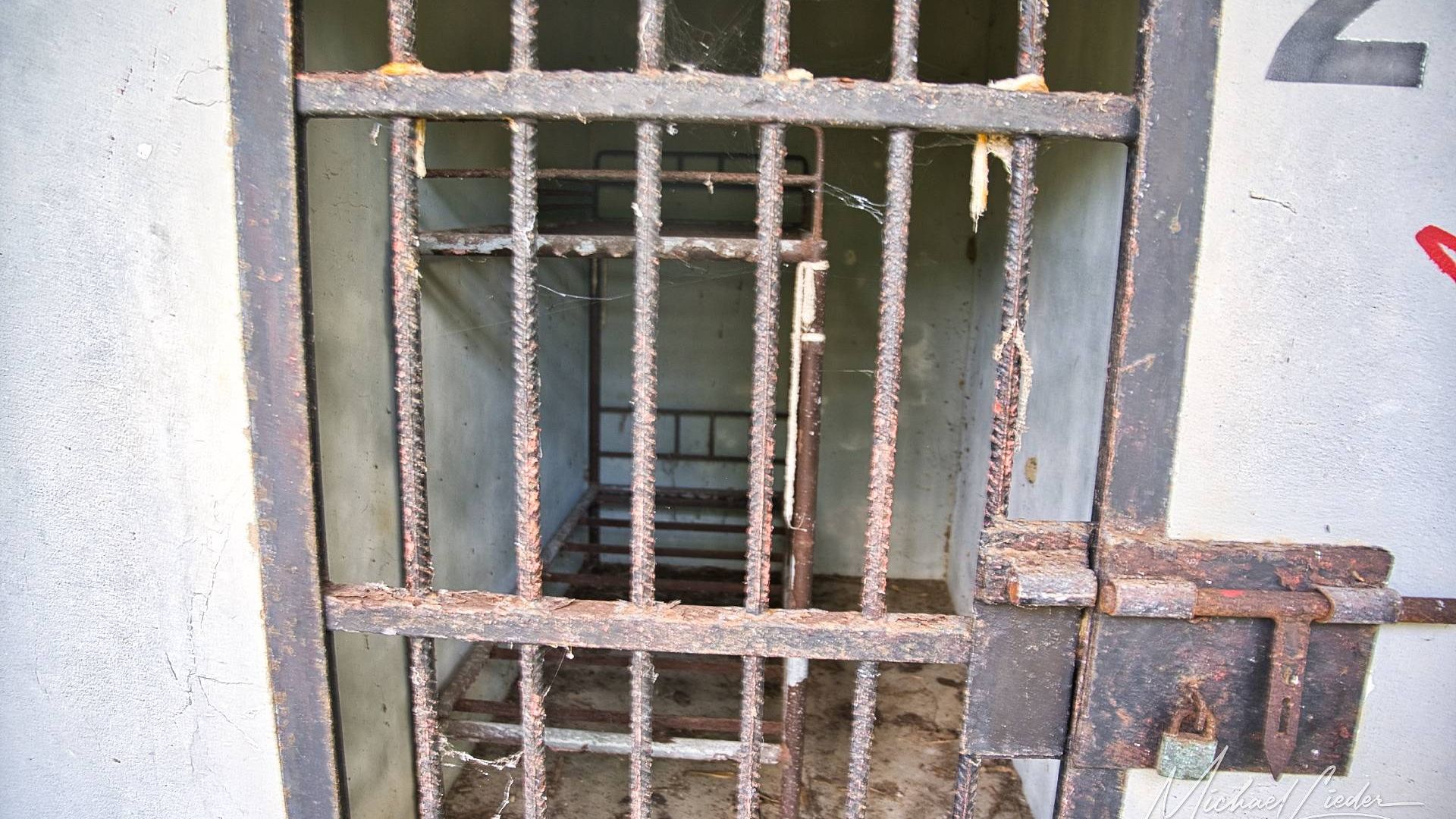
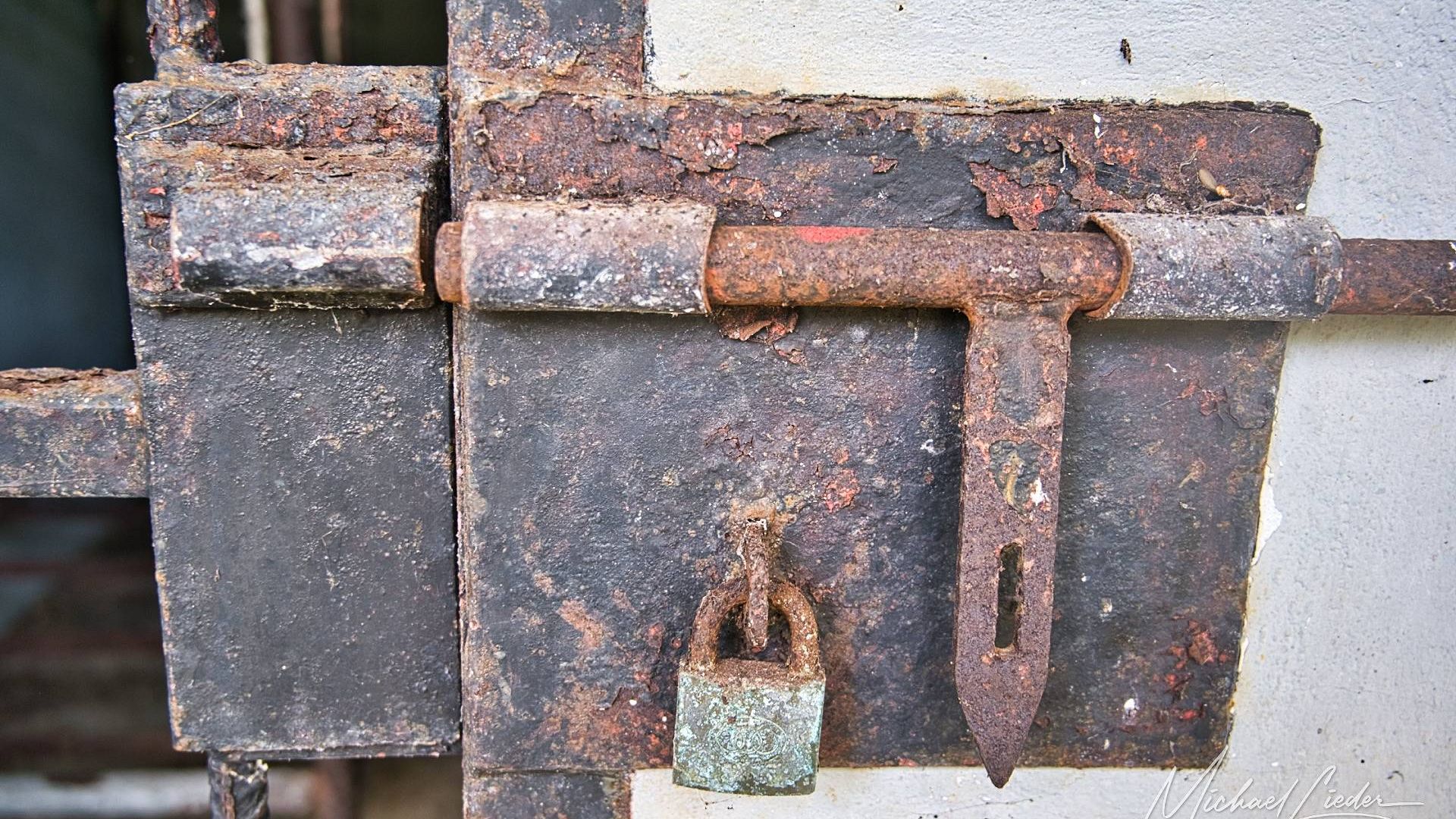
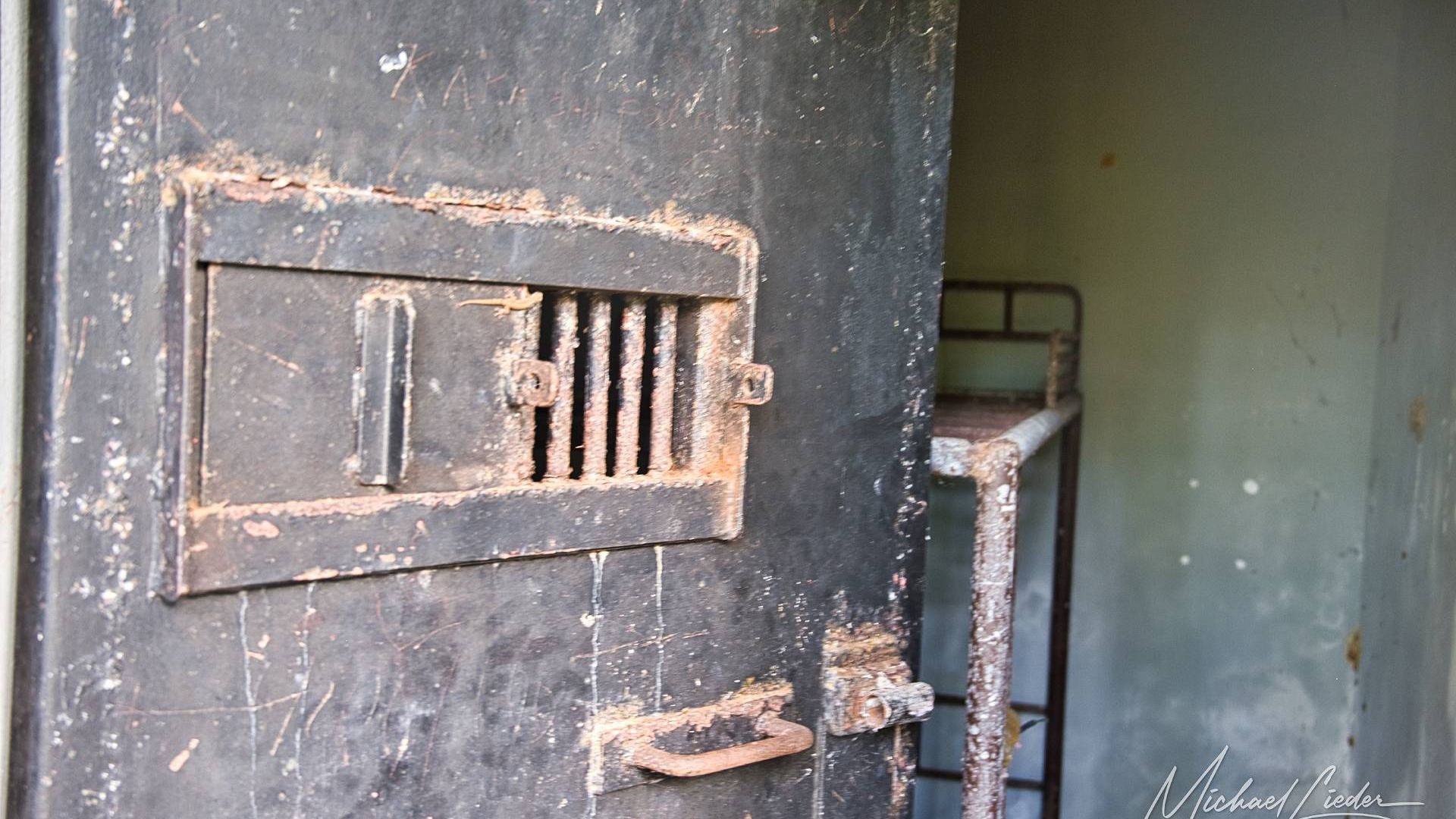
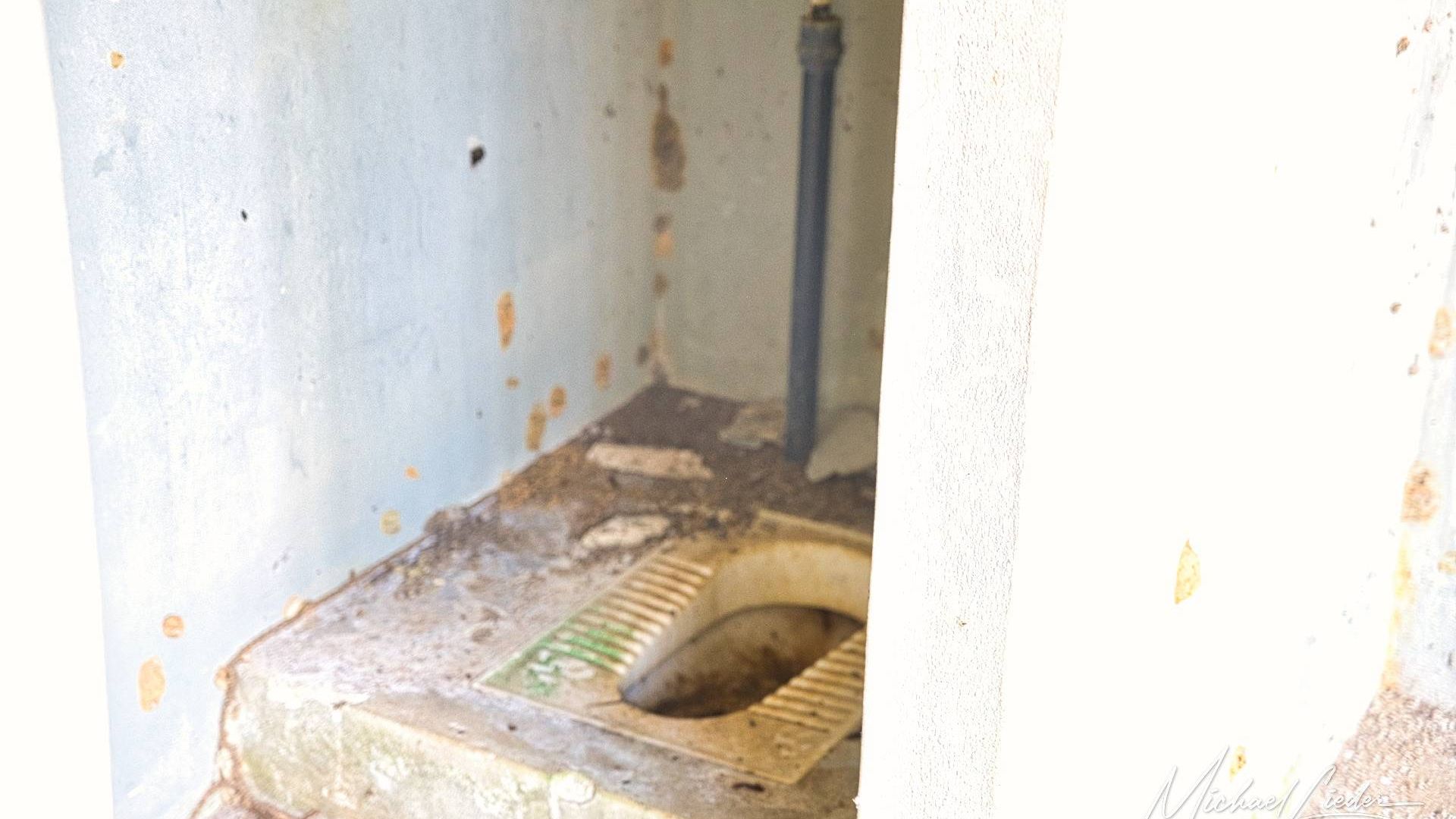
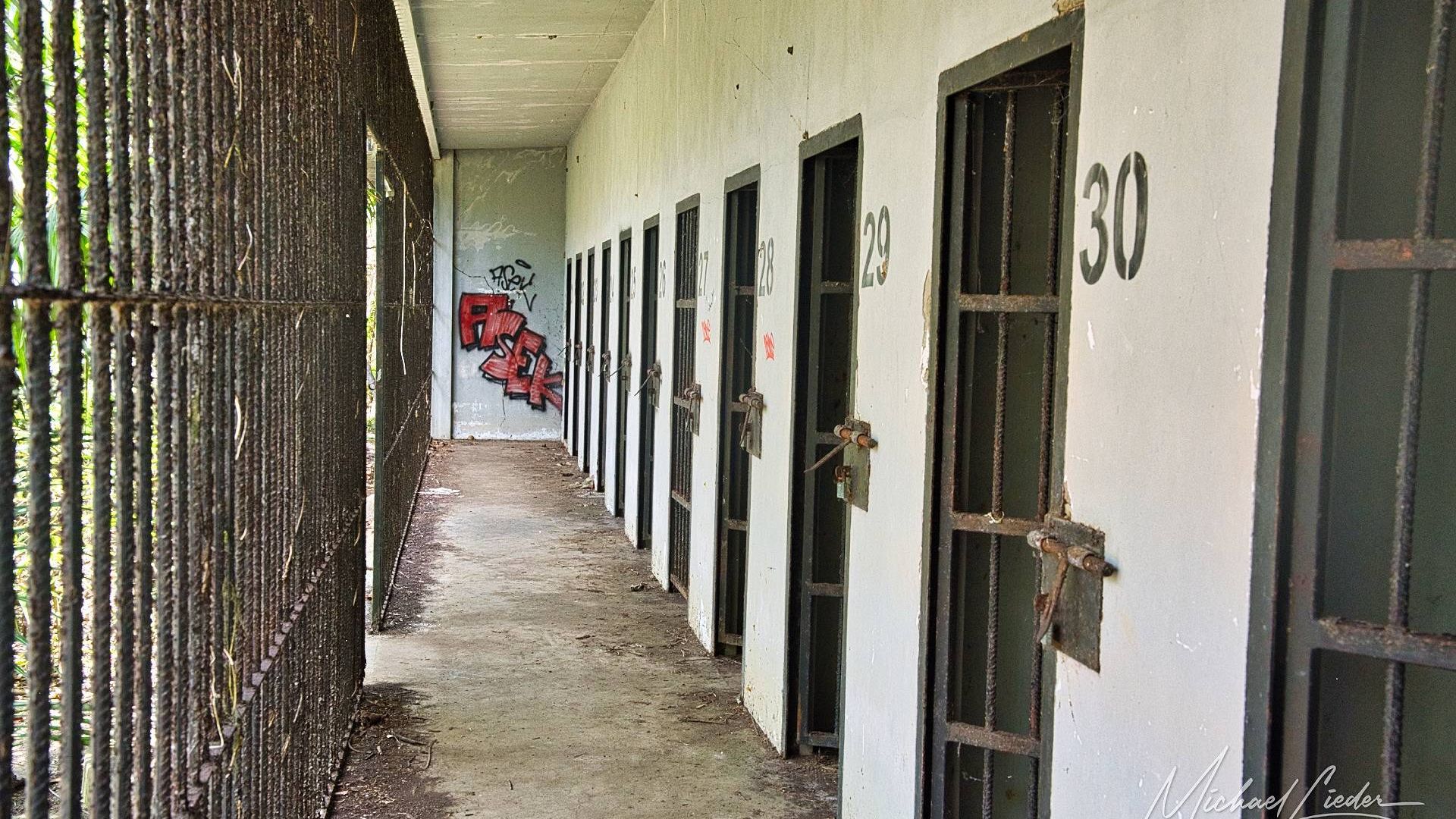
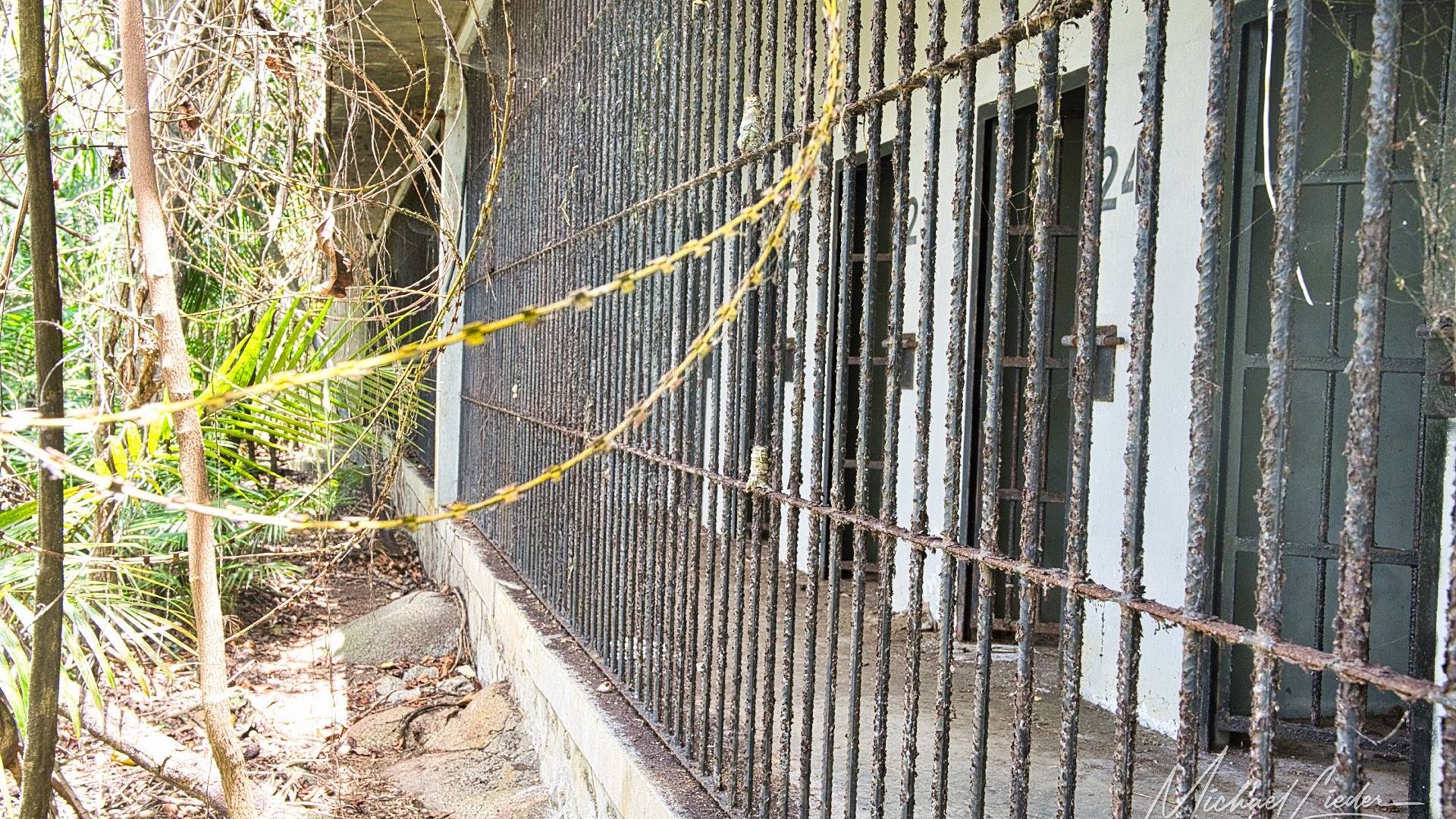
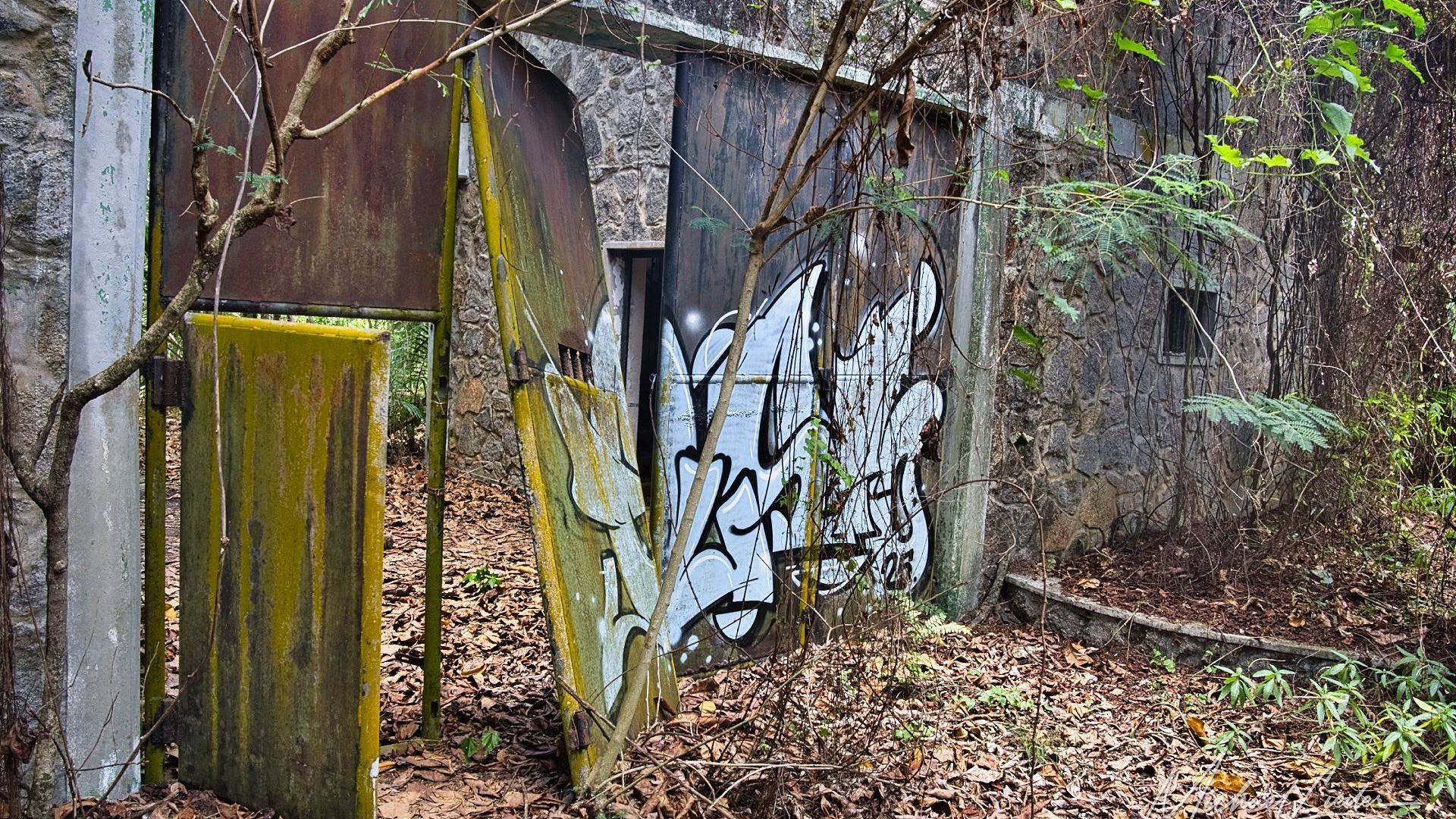
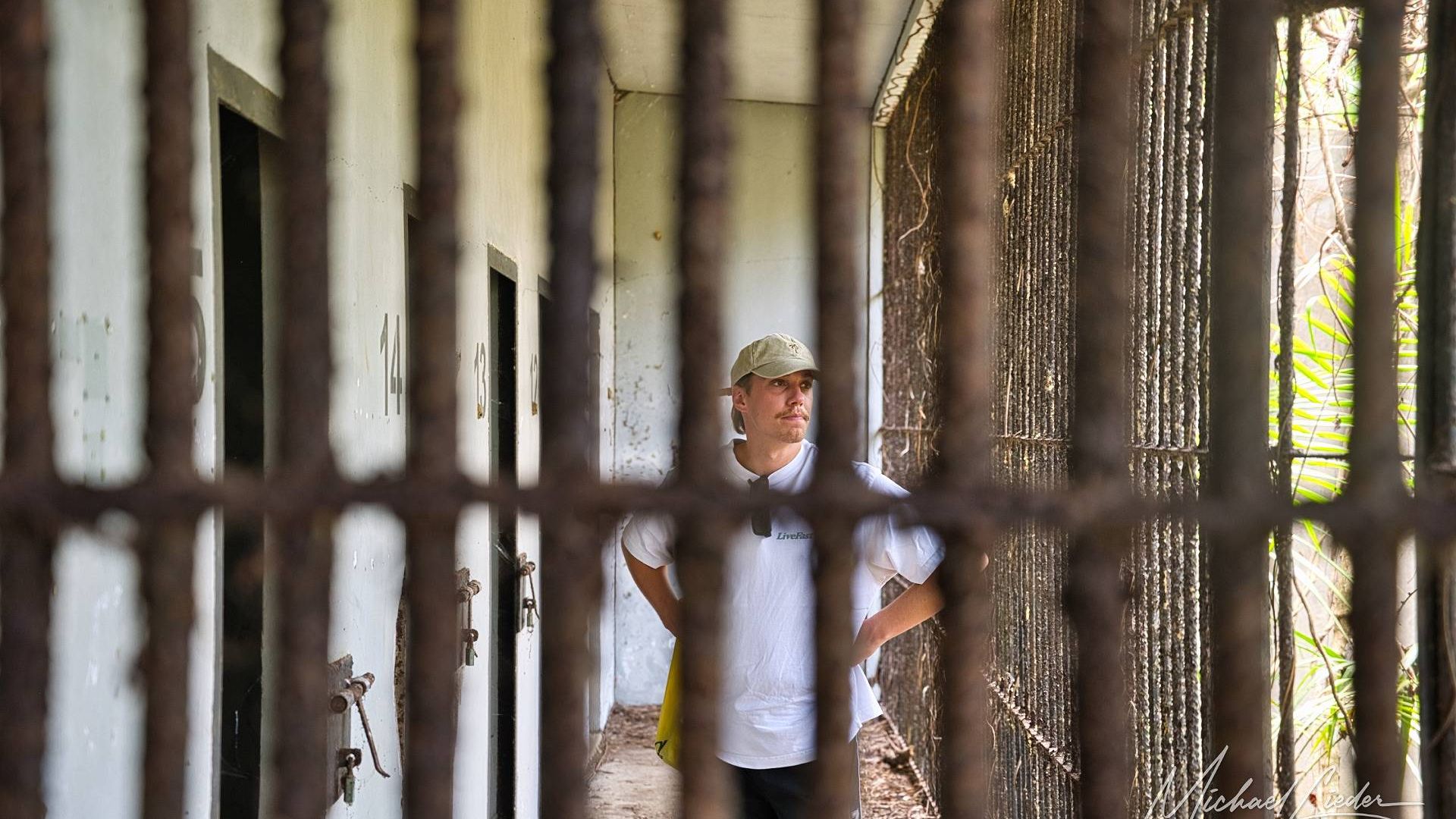
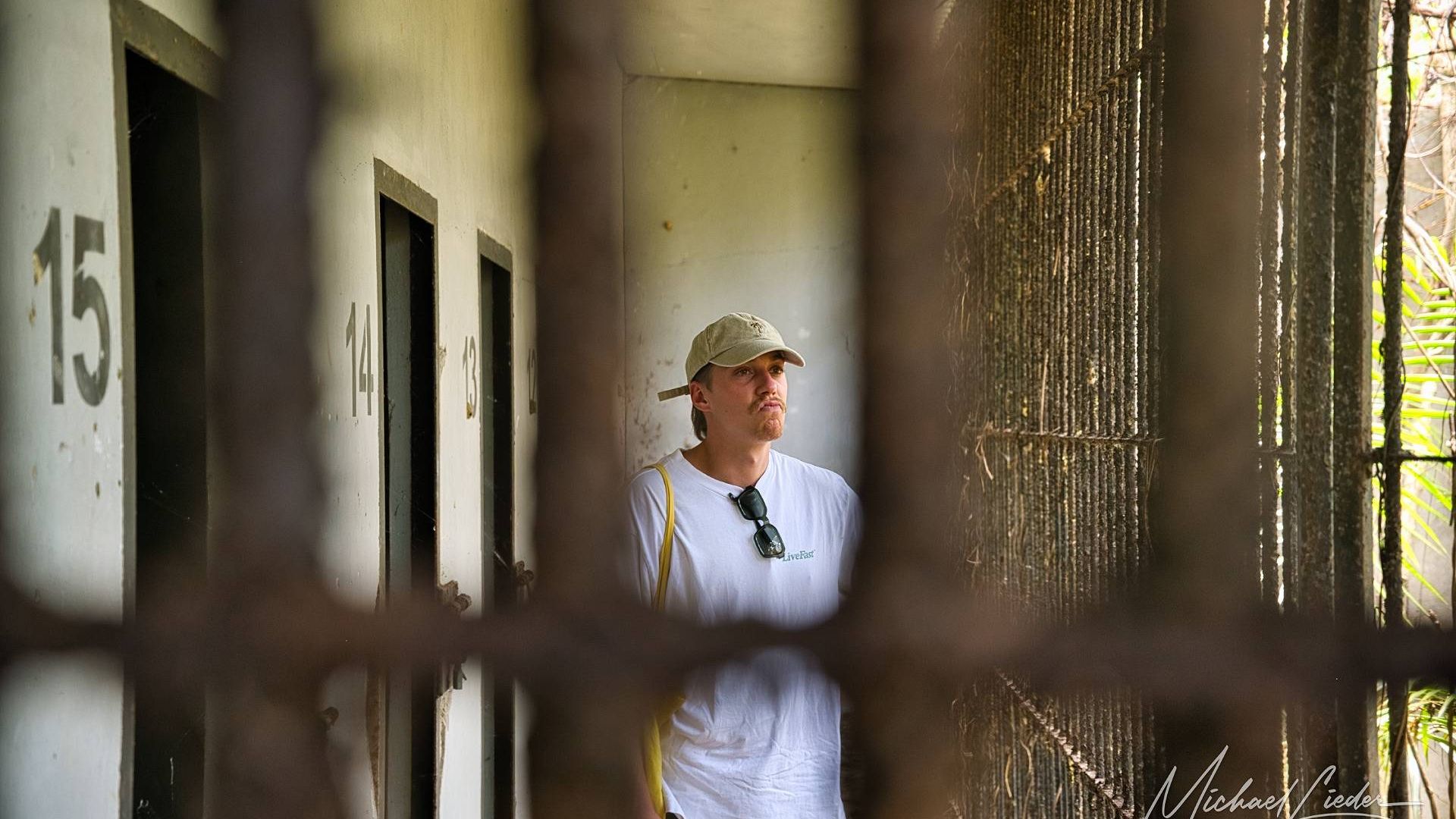
It’s quiet. Only the chirping of cicadas, the faint sound of the sea in the distance, and the occasional crack of a dry branch. Between the trees rise grey concrete walls, wrapped in vines that curl around rusty bars – nature’s own version of barbed wire.
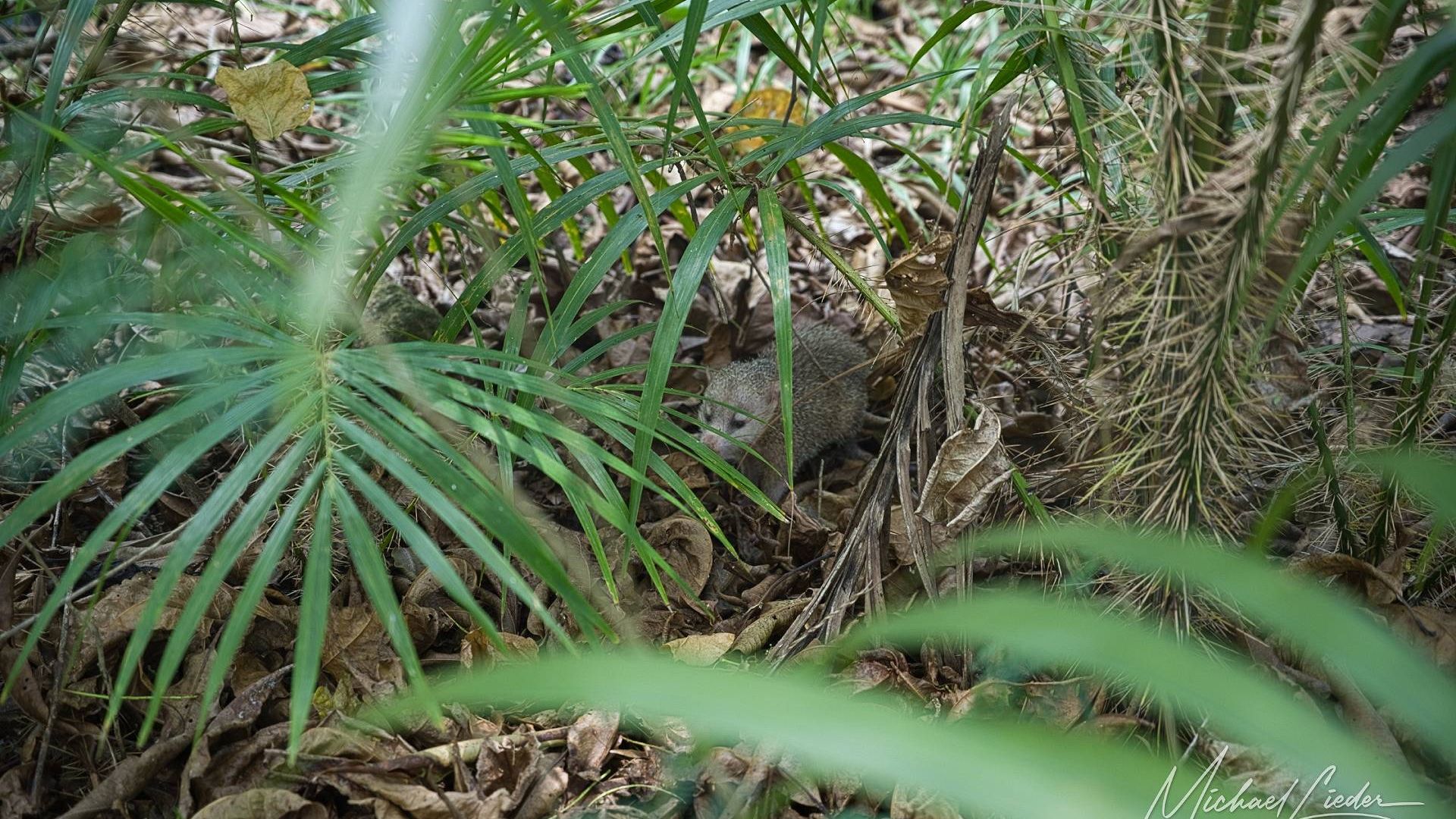
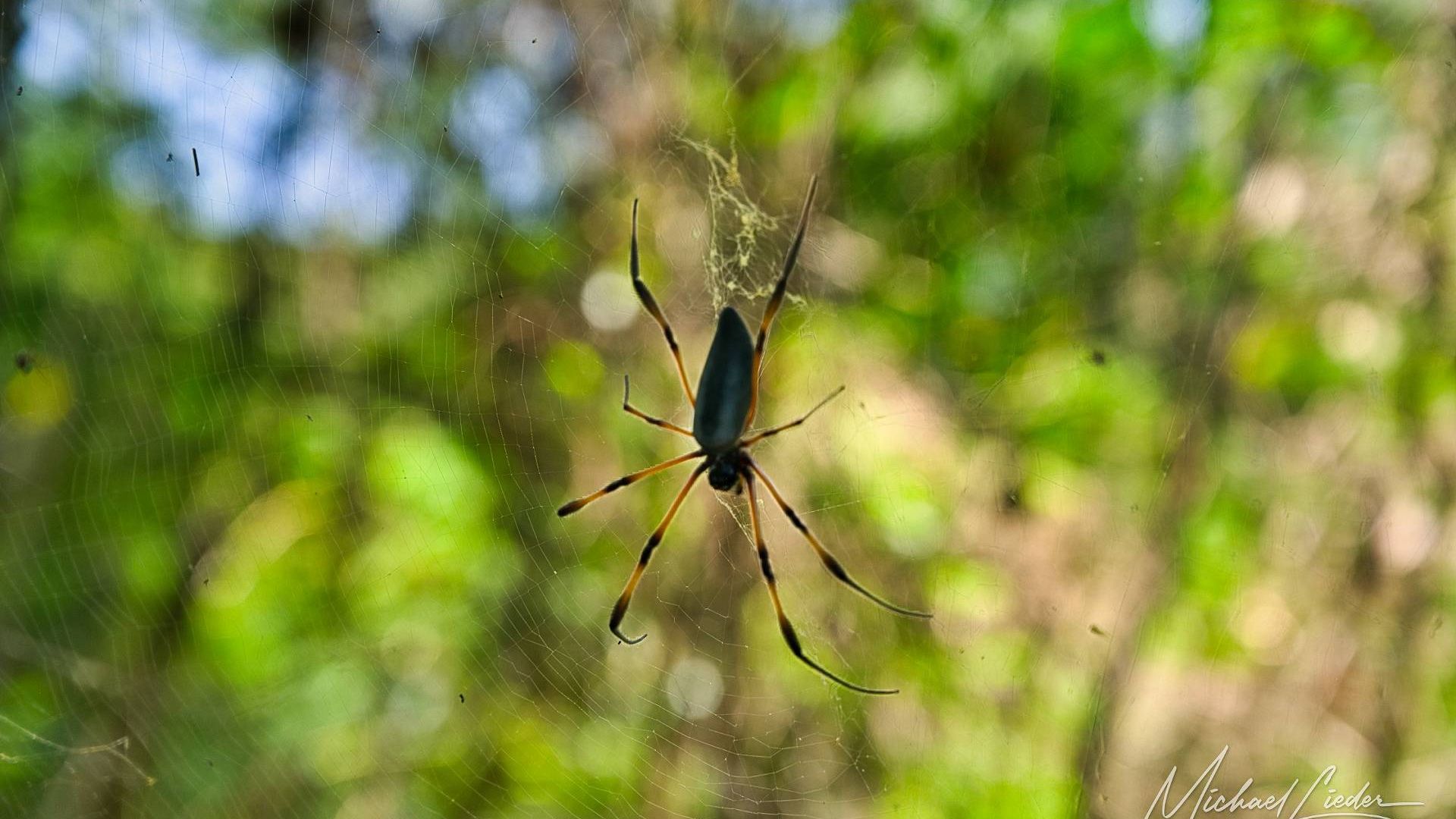
A small mongoose darts past, stops briefly, looking confused – probably wondering if we’re the new wardens – then disappears back into the undergrowth.
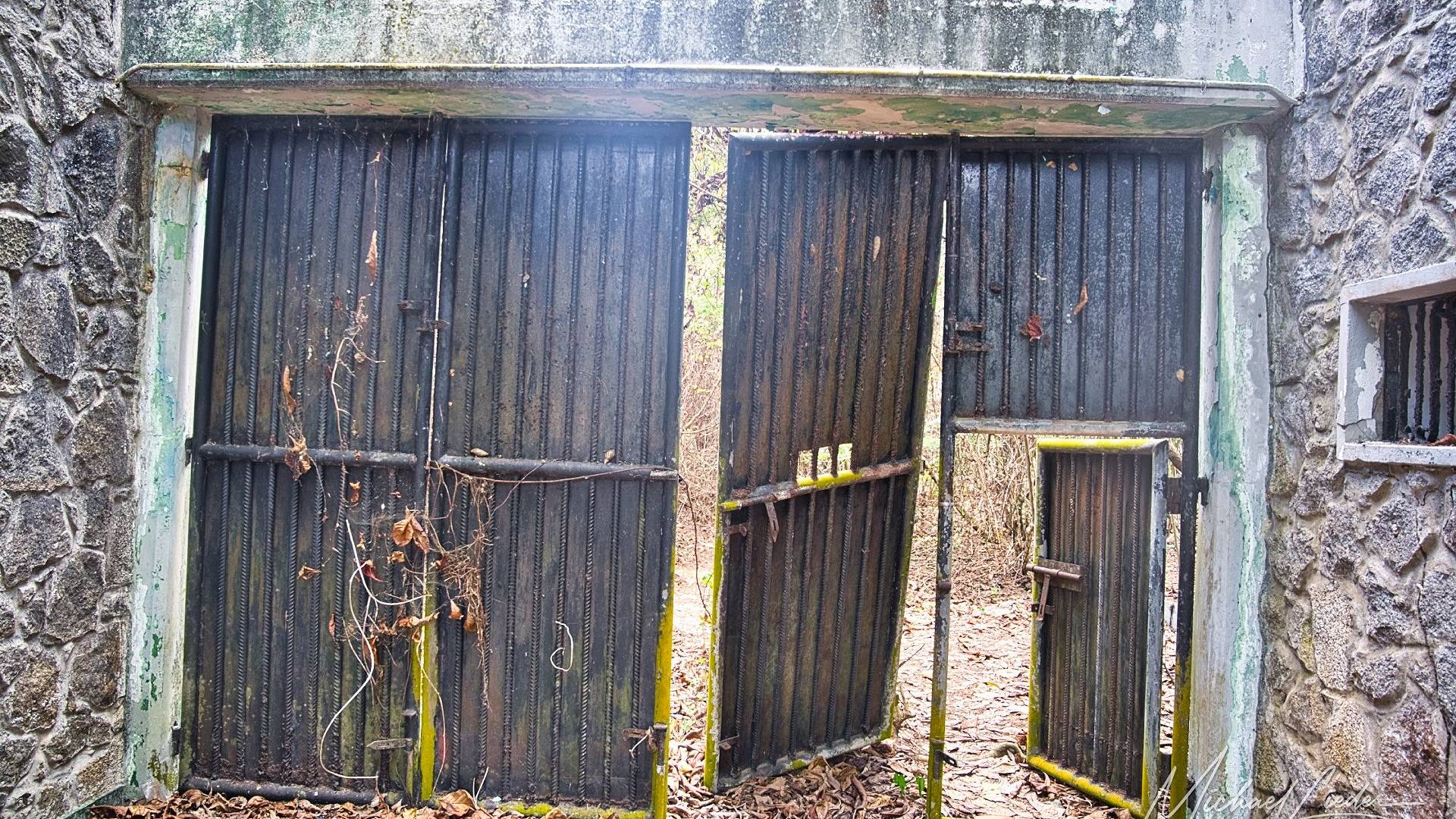
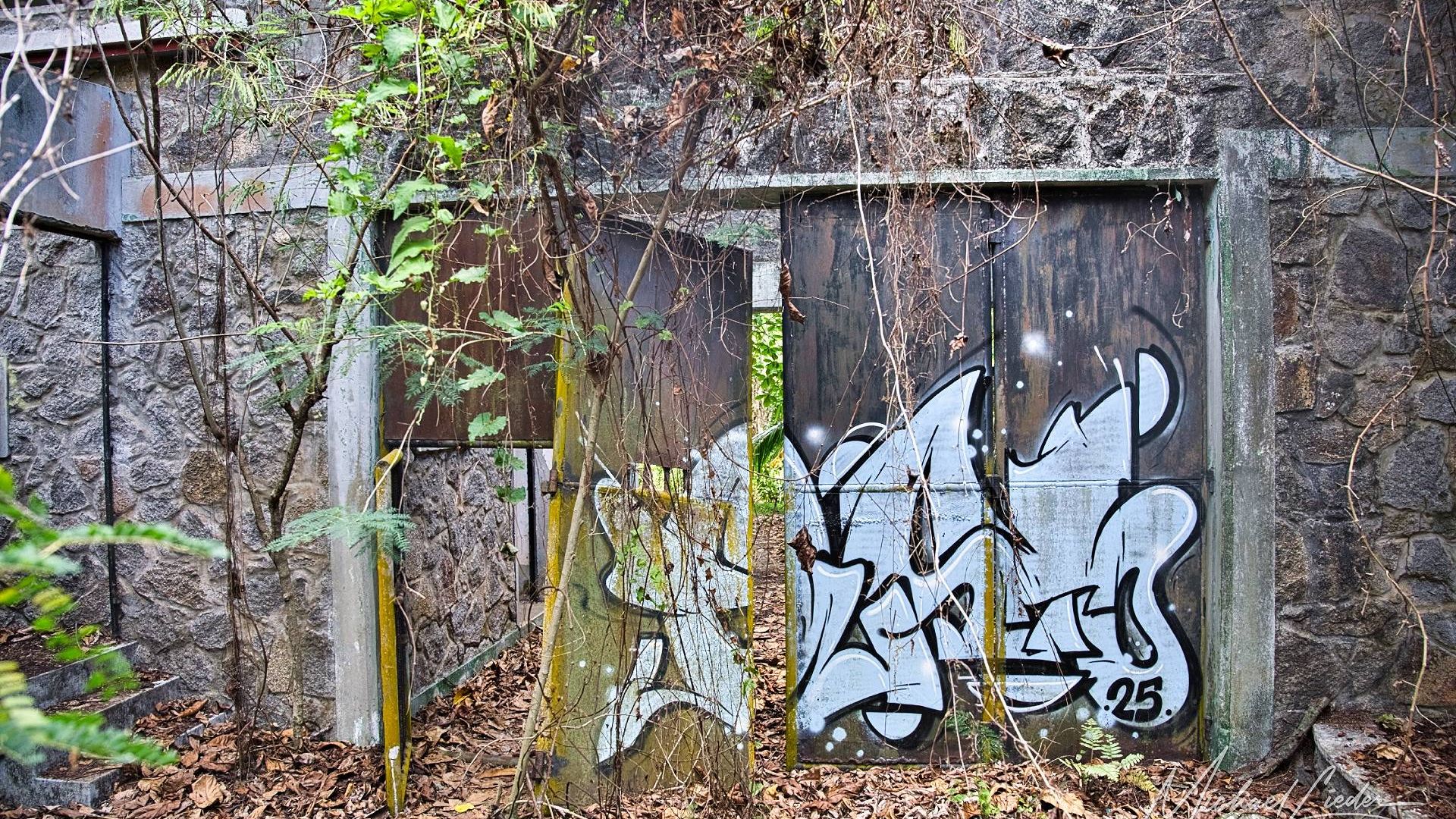
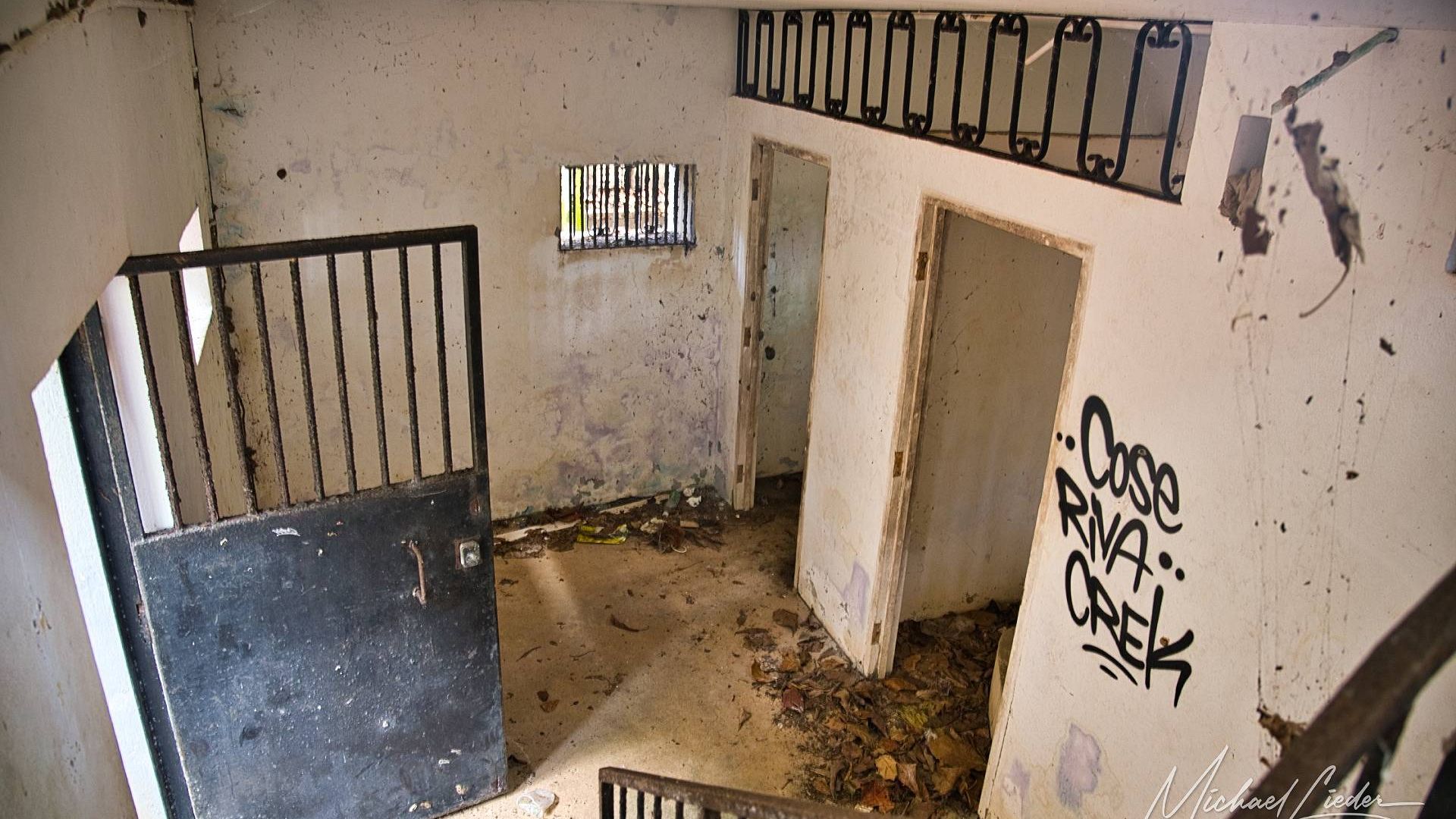
A dented gate with faded graffiti leads into a courtyard where cells once stood. Some walls still hold, others have long since collapsed. Sunlight filters through leaves and iron bars, as if nature wanted to prove how beautiful decay can be.
Robin stands in the middle of an open space, staging – in his own style – an imaginary prison rave. Arms in the air, beats in his head, invisible crowd cheering. I can’t help but laugh. Maybe he’s right – the place does have a rhythm to it, something almost musical.
When Silence Tells Stories
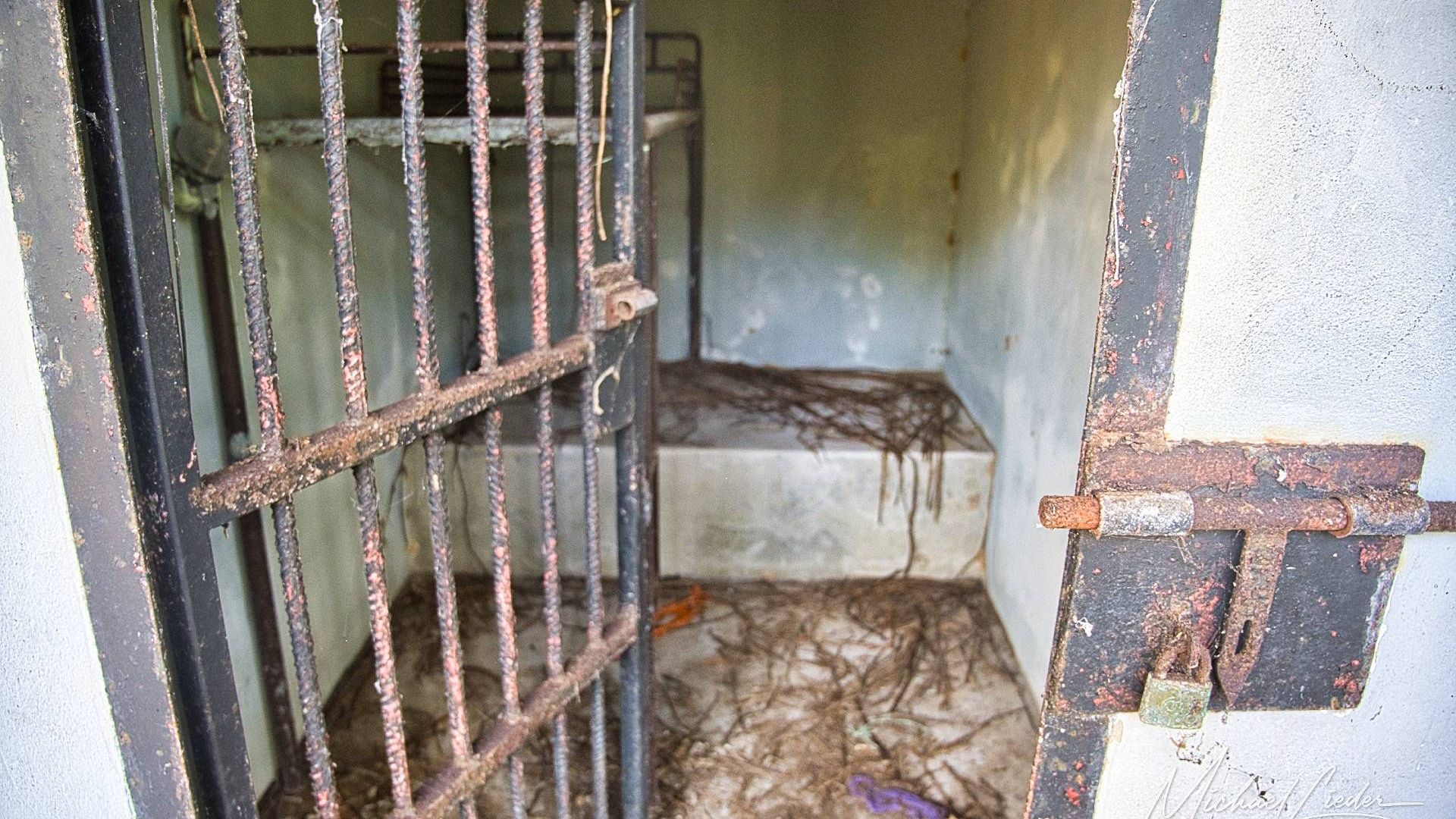
Some doors stand open, others remain firmly shut – as if the prison itself knew which memories it’s willing to share. I imagine how it once sounded here: orders barked, footsteps on concrete, the metallic jingle of keys.
Now there’s only wind, leaves, and the distant murmur of the sea.
It smells of earth, salt, and the past. I stop, place my hand on the cool wall. A place that once stood for control has become a quiet monument to freedom – ironic how quickly roles can reverse.
And as I walk back toward the path, I think:
Maybe every paradise needs its shadows – so the light can shine just a little brighter.


The Debate Around the Site
Less paradisiacal, but all the more human, is what happened afterward: sometime in the early 2000s, the land actually went up for sale – 90 hectares of tropical wilderness, ruins included. A real estate listing oscillating somewhere between megalomania and tropical comedy.
Just imagine it: an infinity pool with a view of rusted barbed wire, a cocktail bar in the cell block, and a “Detox & Detention” wellness package. Madness, briefly available at market price.
Thankfully, it never went beyond the idea. Today, the area is protected land. The Grand Police Lagoon has become a breeding ground for rare seabirds and sea turtles. Among all the voices calling for “development potential,” nature quietly held its ground – persistent, calm, and without a pitch deck.
She won.
How to Find It (If You Can Find It at All)
No signposts, no parking lot, no tourist smiles. If you want to find the abandoned prison, you have to earn it.
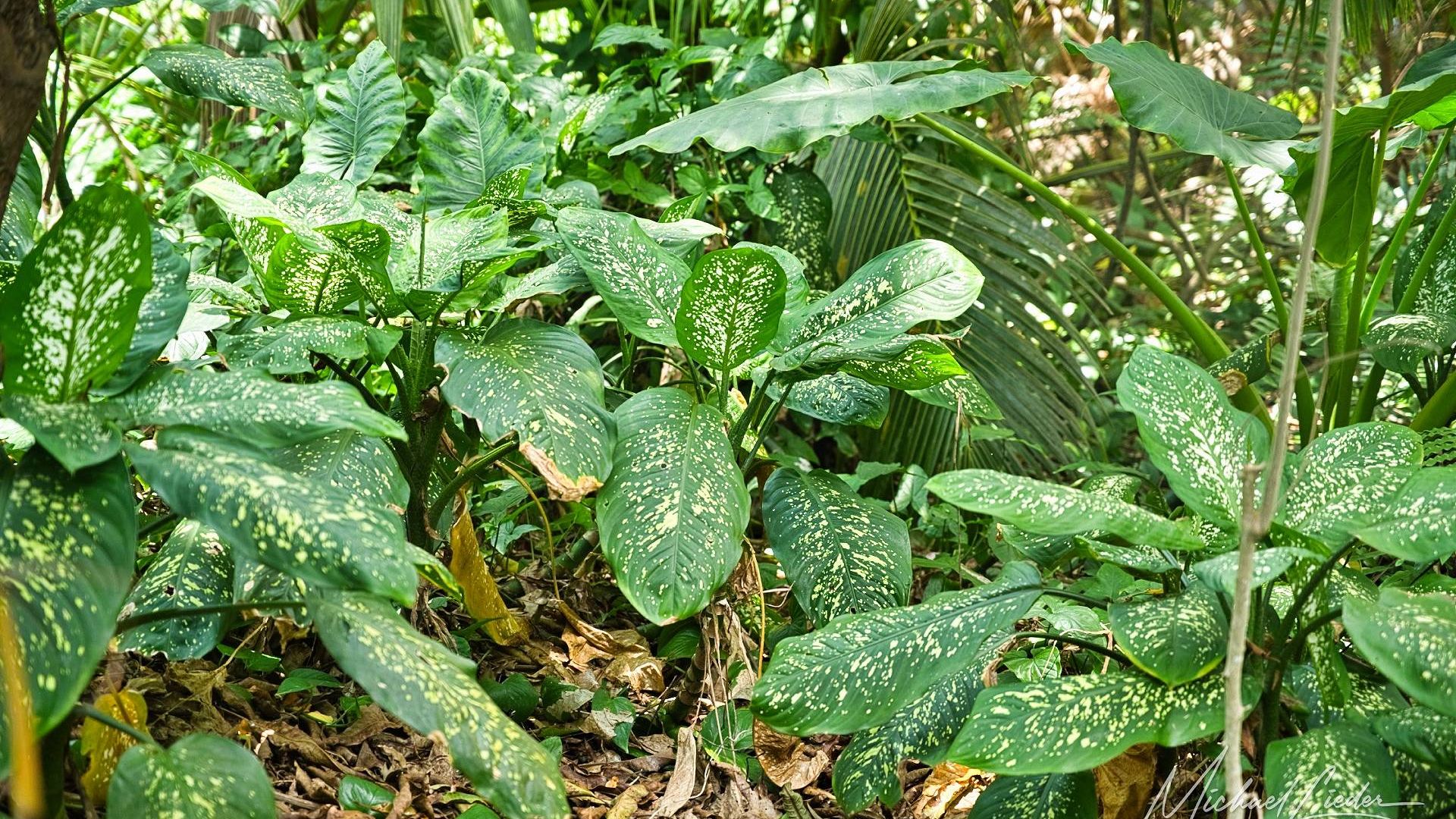
Start best from Anse Forbans or Anse Royale and follow the old track heading south. After about a 45-minute walk – just when you start to think you’re lost – the first crumbling walls appear on your right, hidden between ferns, bamboo, and ancient roots.
👉 Tip: Good shoes, plenty of water, and insect repellent are mandatory. And bring a healthy dose of adventure – the path feels more “Indiana Jones with sunstroke” than casual stroll.
When you finally stand before those broken walls, you feel it instantly: the sea has already begun to swallow them, and nature has reclaimed its authority. Birds nest where humans once lay on concrete slabs. The wind moves through the iron bars like the last whisper of forgotten voices.
My Conclusion
The abandoned prison of Police Bay is no bucket-list destination, no Instagram hotspot with pastel filters and flamingo towels. It’s a place that looks right back at you – even when you try not to look. A place where concrete, salt, and time hold a quiet conversation – and you just happen to overhear it. I left it with a strange feeling: a mix of awe, melancholy, and wanderlust.
The Seychelles are full of postcard perfection – turquoise, flawless, untouchable.
But here, in the south of Mahé, paradise tells a different story – one where beauty and decay speak the same language.
And honestly? That shadow side suits it damn well.

Experience Mahé's untamed side: misty trails on Morne Blanc, secluded beaches at Police Bay, and the forgotten prison in the south of the Seychelles. Between tropical forests, waves, and lost places—10 fascinating facts full of adventure, empathy, and wanderlust.
🏔️ Morne Blanc Trail – Fog, heights, and heart-pounding excitement
🌊 Police Bay – Paradise with waves and warning signs
🧱 The abandoned prison of Police Bay – Mahé's forgotten place