Kanchanaburi: Where the tracks breathe history
And yet—or perhaps precisely because of all this—there’s something quietly reconciling about this place. When the train rolls gently across the famous bridge over the River Kwai today, it’s not just the wooden planks that creak, but something somewhere in your chest as well. Between goosebumps and tropical heat, a peculiar calm spreads—one that forces you to pause, both outwardly and within.
I sat in that slightly swaying carriage, surrounded by curious Thais who seemed to enjoy the view almost casually. My camera was within reach, but my thoughts were elsewhere—somewhere between past and present. I found myself wondering how many stories lie buried beneath these tracks, how many names were never spoken, while the train now continues on its way, almost innocently.
When I finally stepped off, that feeling remained: sometimes travel doesn’t just change your location, but your awareness. Quietly. Lastingly. Without grand gestures.Kanchanaburi is a place that hurts—and at the same time, heals. In that very
Thai way: softly, warmly, without demanding attention. And that’s exactly why it stays with you.

The city and its famous bridge
When you arrive in Kanchanaburi, there’s no way around it.
- This bridge. Over this river. Through this history.
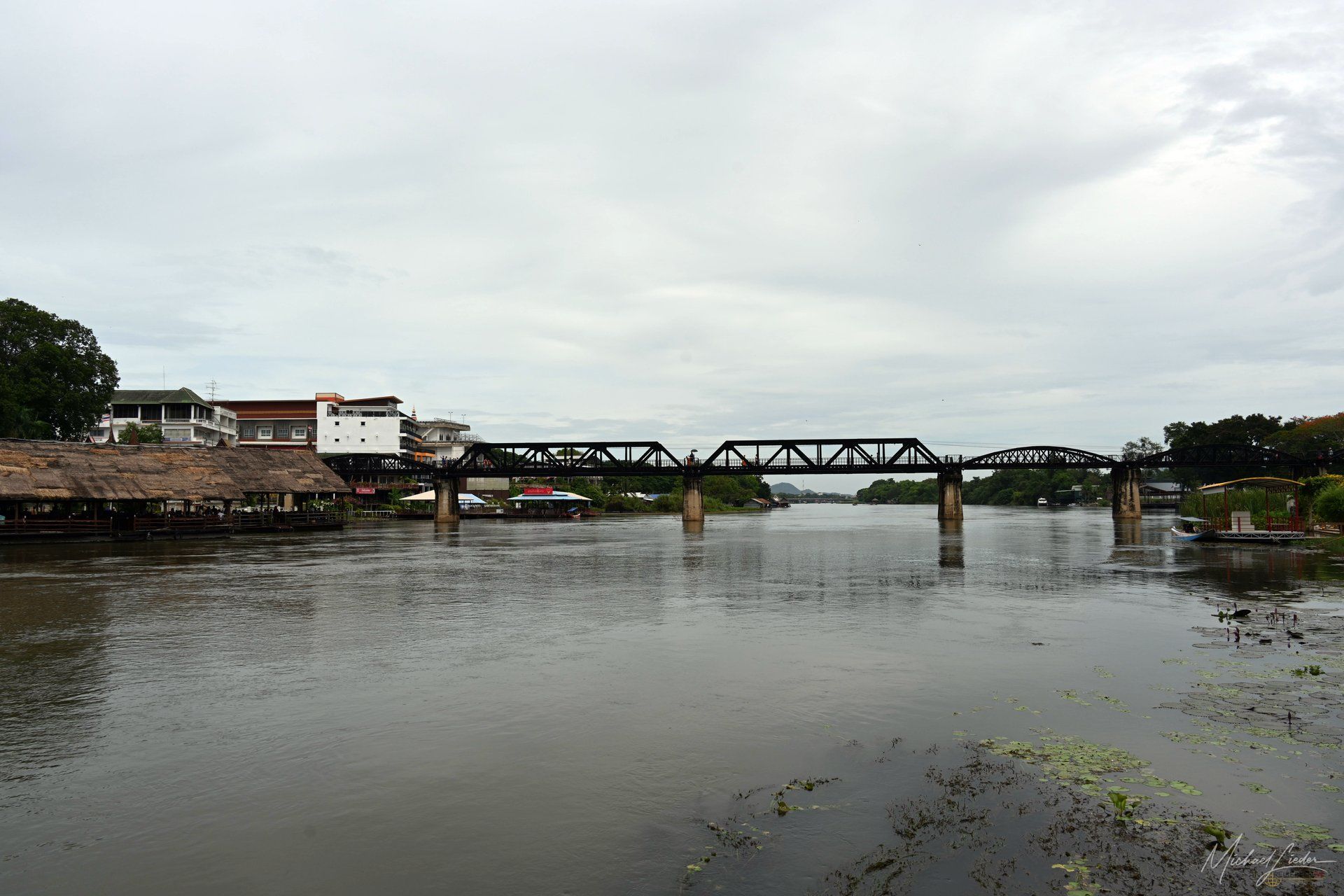
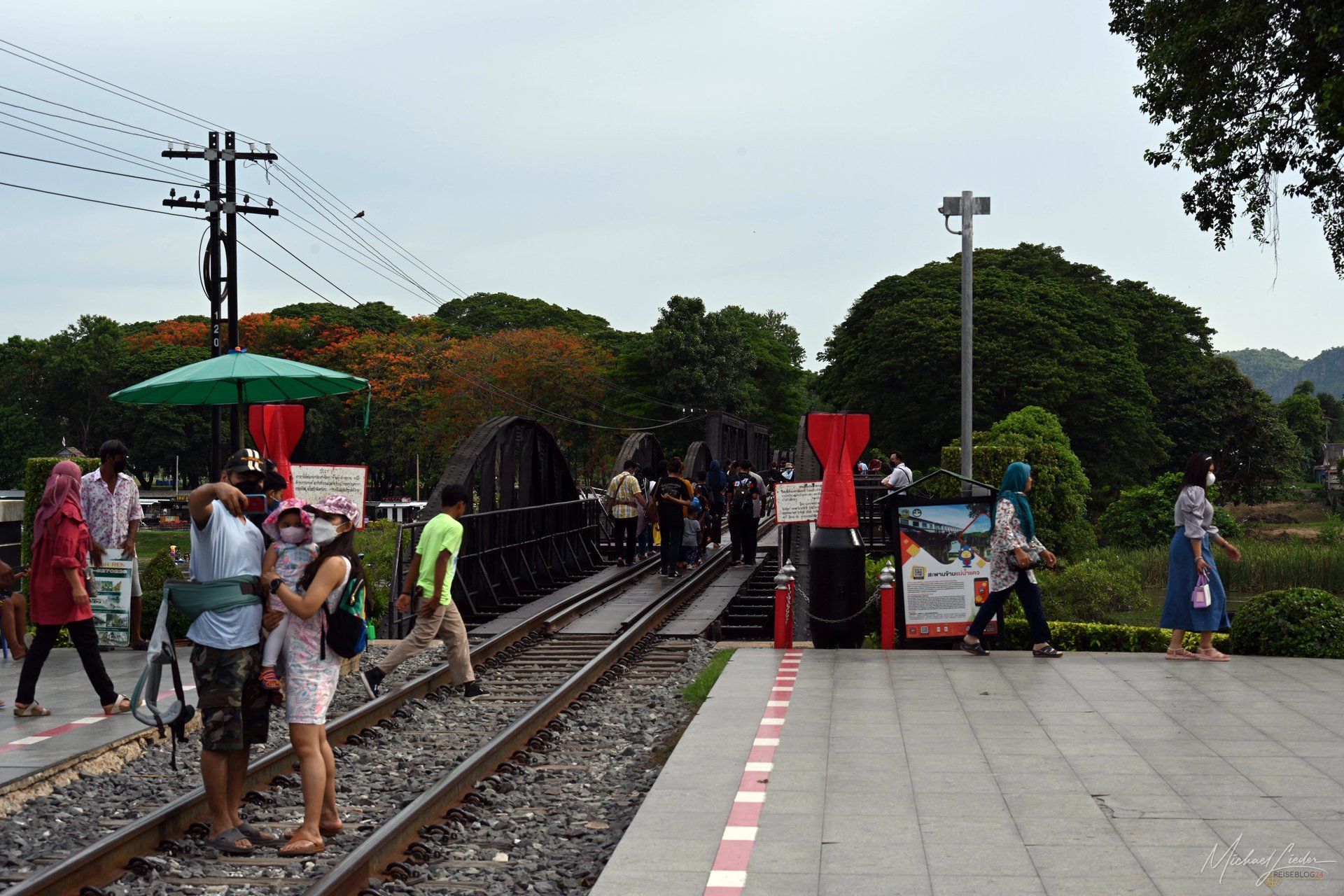
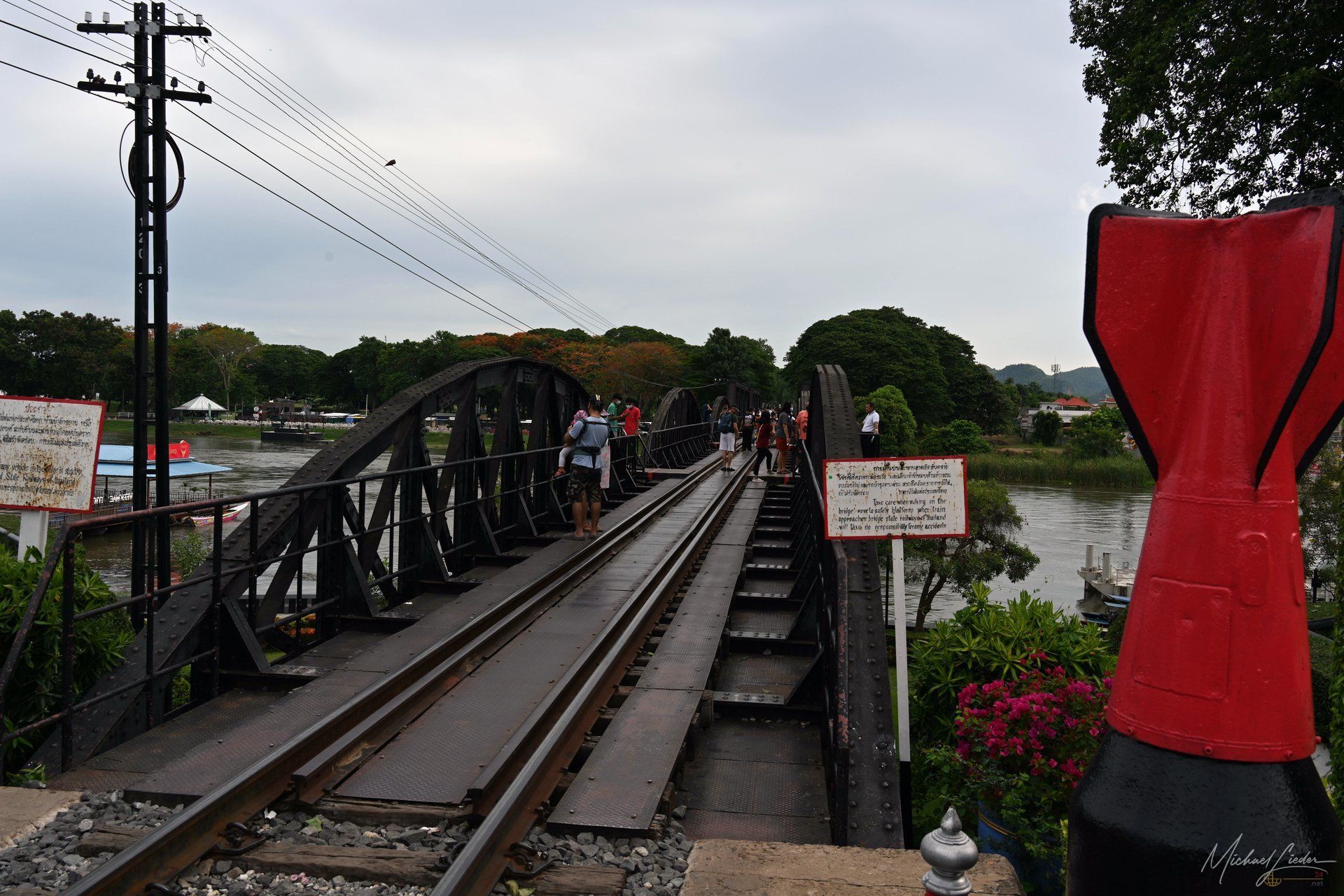
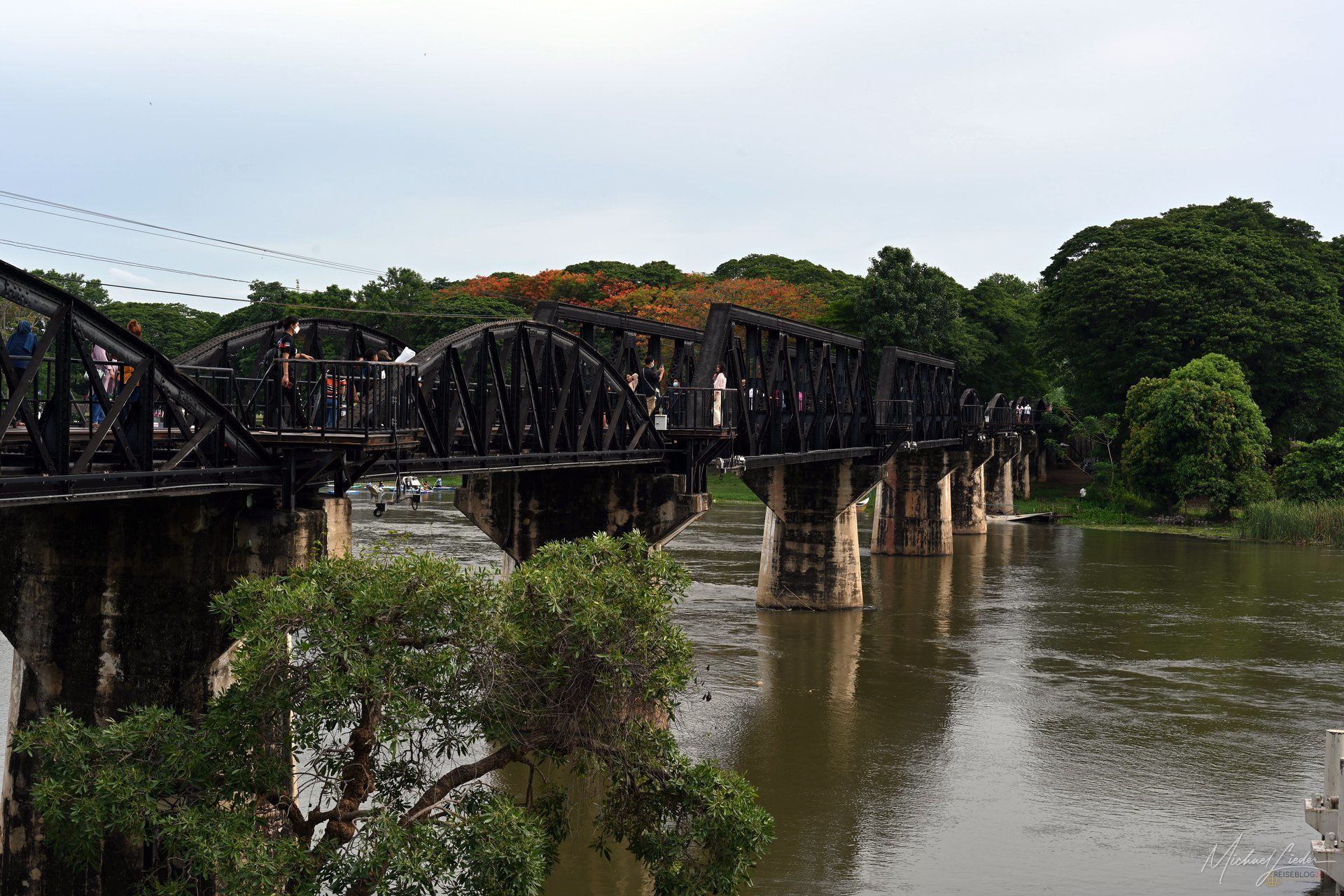
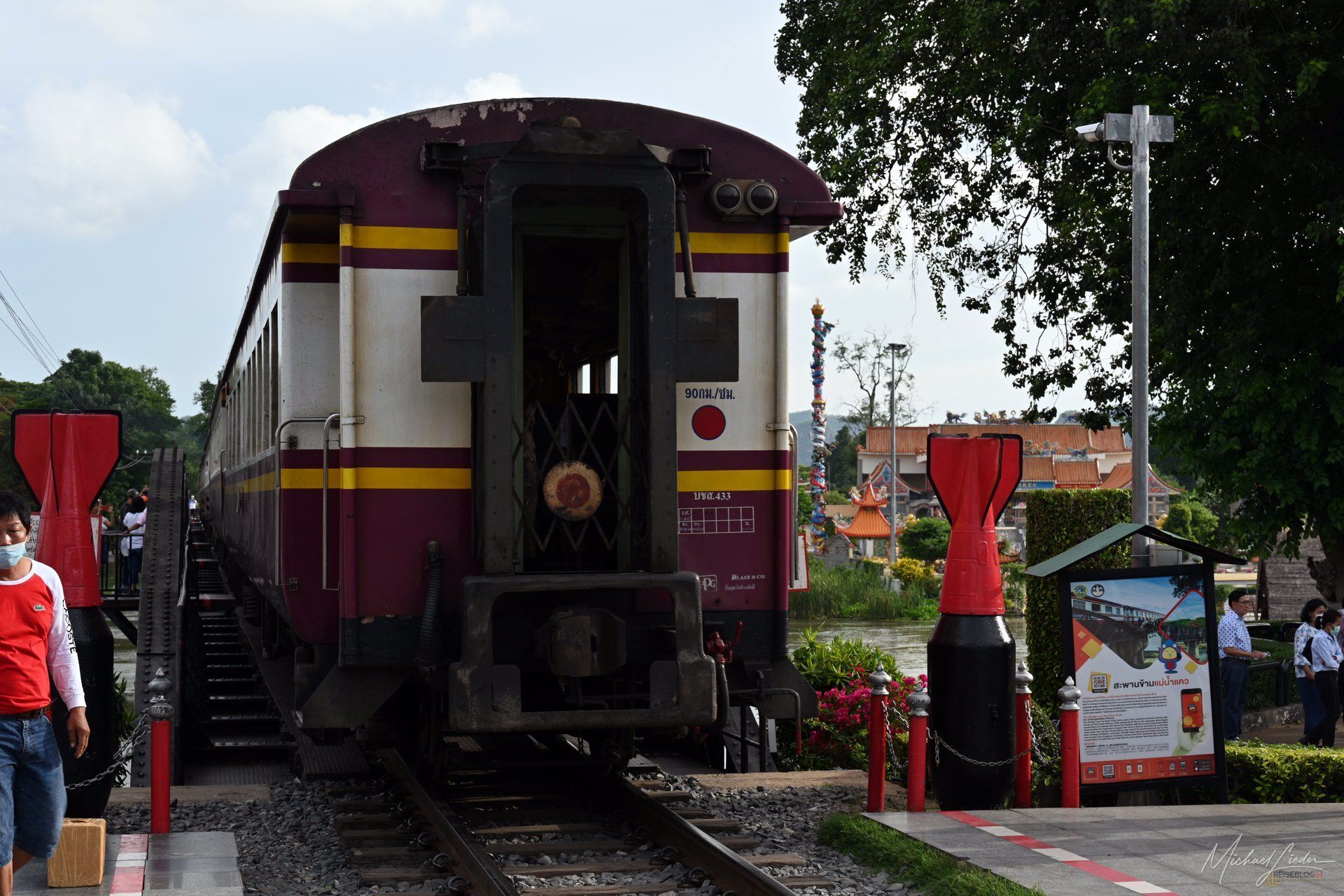
The Bridge over the River Kwai isn’t a place you simply tick off. You stand there—and something sticks. The name alone triggers collective mental cinema. Inevitably, the classic film The Bridge on the River Kwai by David Lean comes to mind, based on the novel by Pierre Boulle. That whistling tune? It’s suddenly there. Free of charge. Uninvited. And as I stand on the tracks, the sun burning into my face and a selfie stick extending somewhere nearby, everything feels familiar and foreign at the same time.
When the Film Ends and Reality Steps In
Then reality catches up. Because this bridge is not a film set. It’s a quiet, uncomfortable memorial of the Death Railway. Thousands of prisoners of war and forced laborers suffered here, toiled here, lost their lives here. If you pause for a moment—really pause—and tune out the chatter, there’s something heavy in the air. Not loud. But unmistakable. A place that asks for compassion without demanding it.
Everyday Thailand, Right Next Door
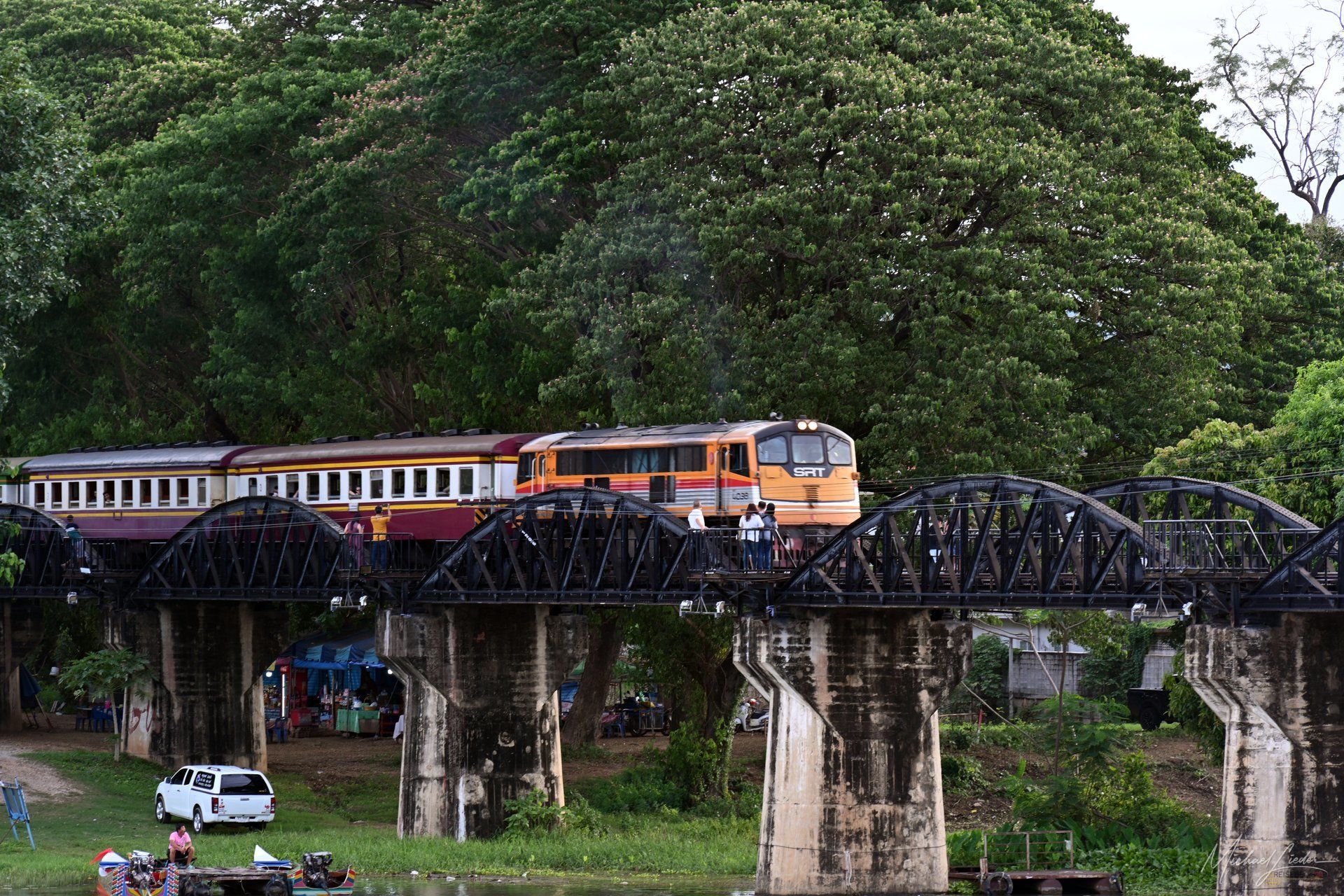
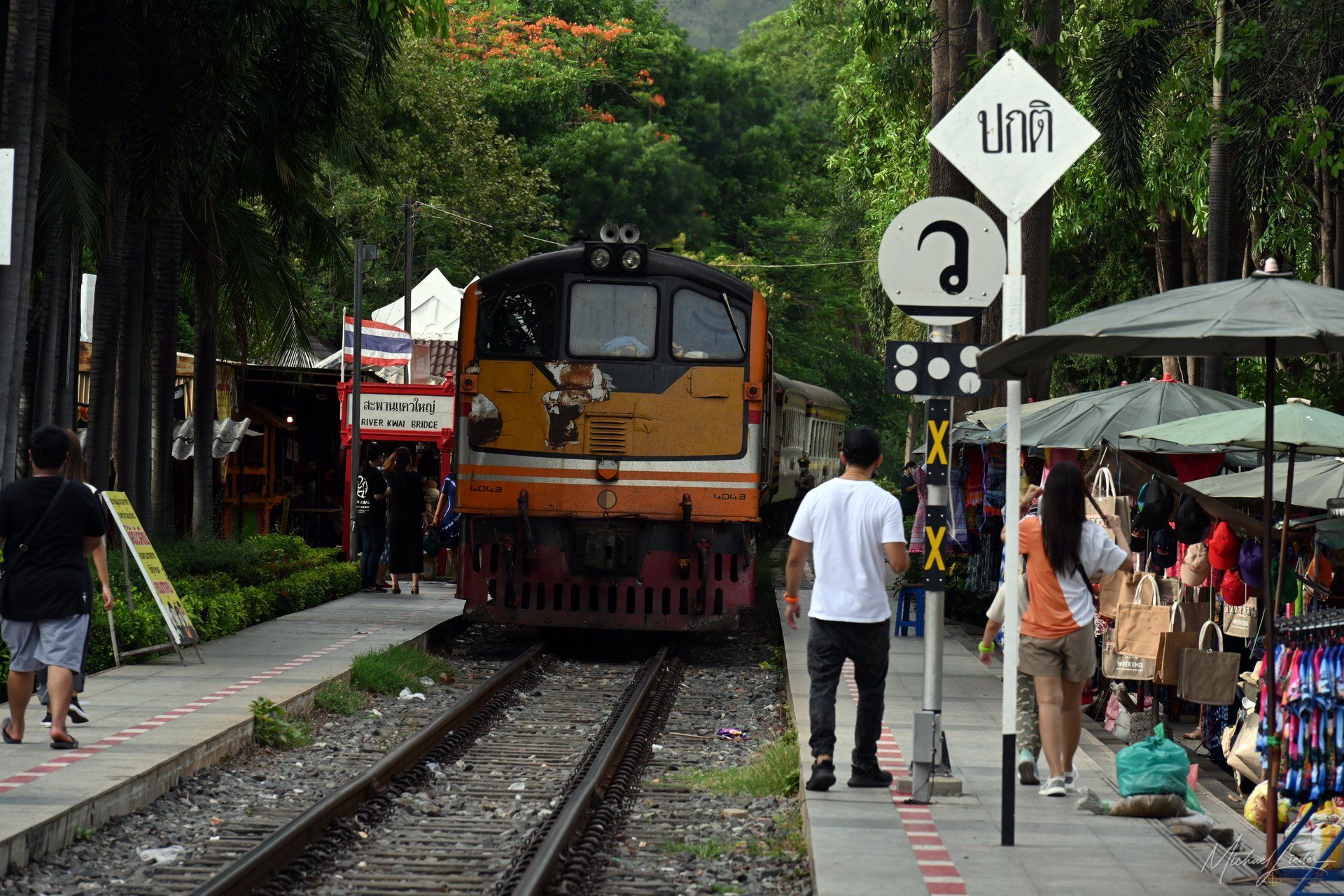
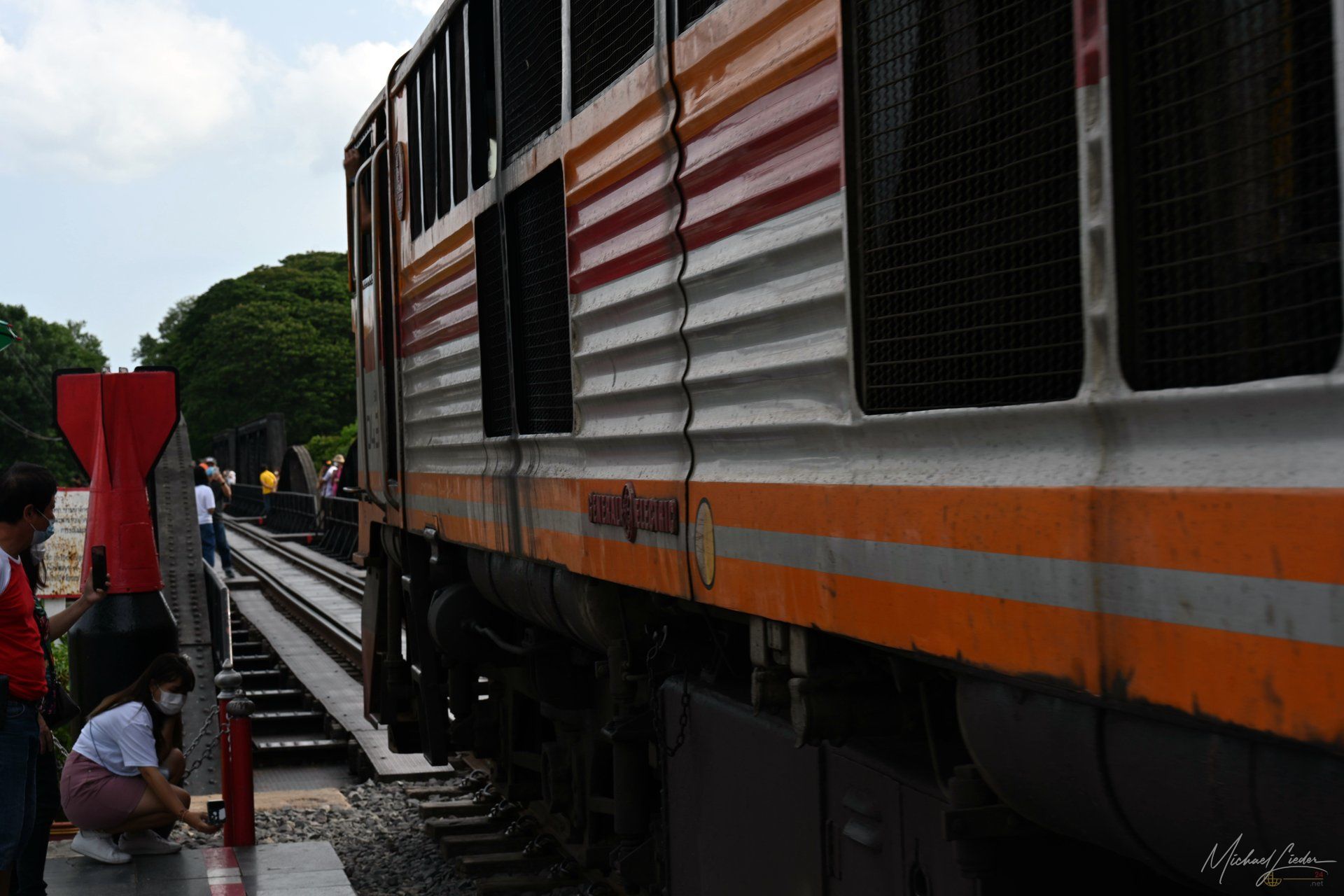
At the same time, modern Thailand pulses all around the bridge. Ice-cold coconuts clink, pad thai pans hiss, souvenir stalls sell Buddha figurines next to T-shirts whose taste is… let’s say debatable. History meets the present, and both shrug briefly. The small museum nearby tells the story soberly and pragmatically—no Hollywood, but with integrity. And then it comes: the train. A rattling metal veteran that clatters across the bridge several times a day, as if to say: I’m still here. For a few baht, I sit on a wooden bench, windows open, wind in my face. Rice fields pass by, hills, small villages—and children waving from the tracks as if this were the most normal thing in the world. It’s loud. It’s slow. And it has more soul than many a high-speed train.
Between Market Stalls and Memory
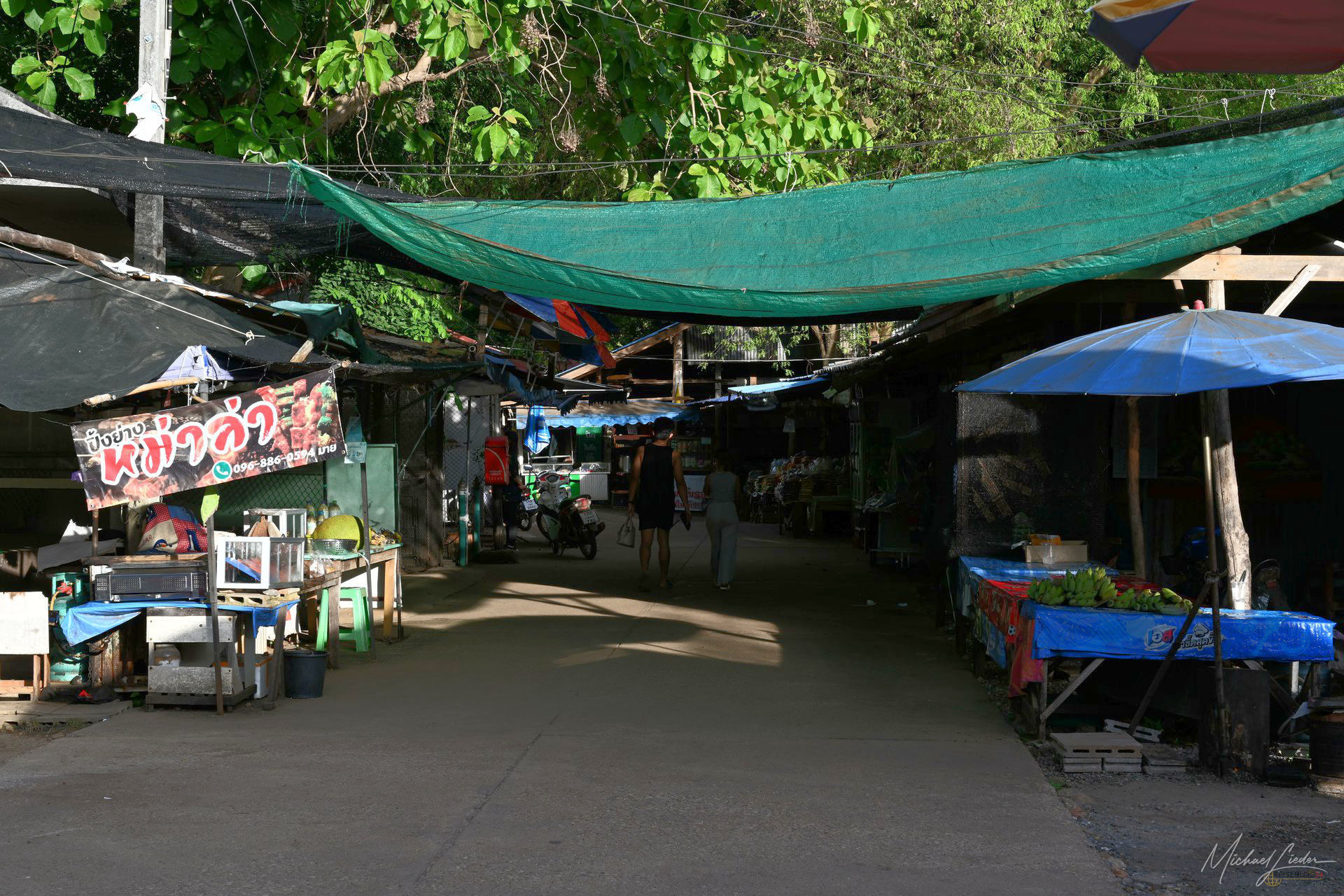
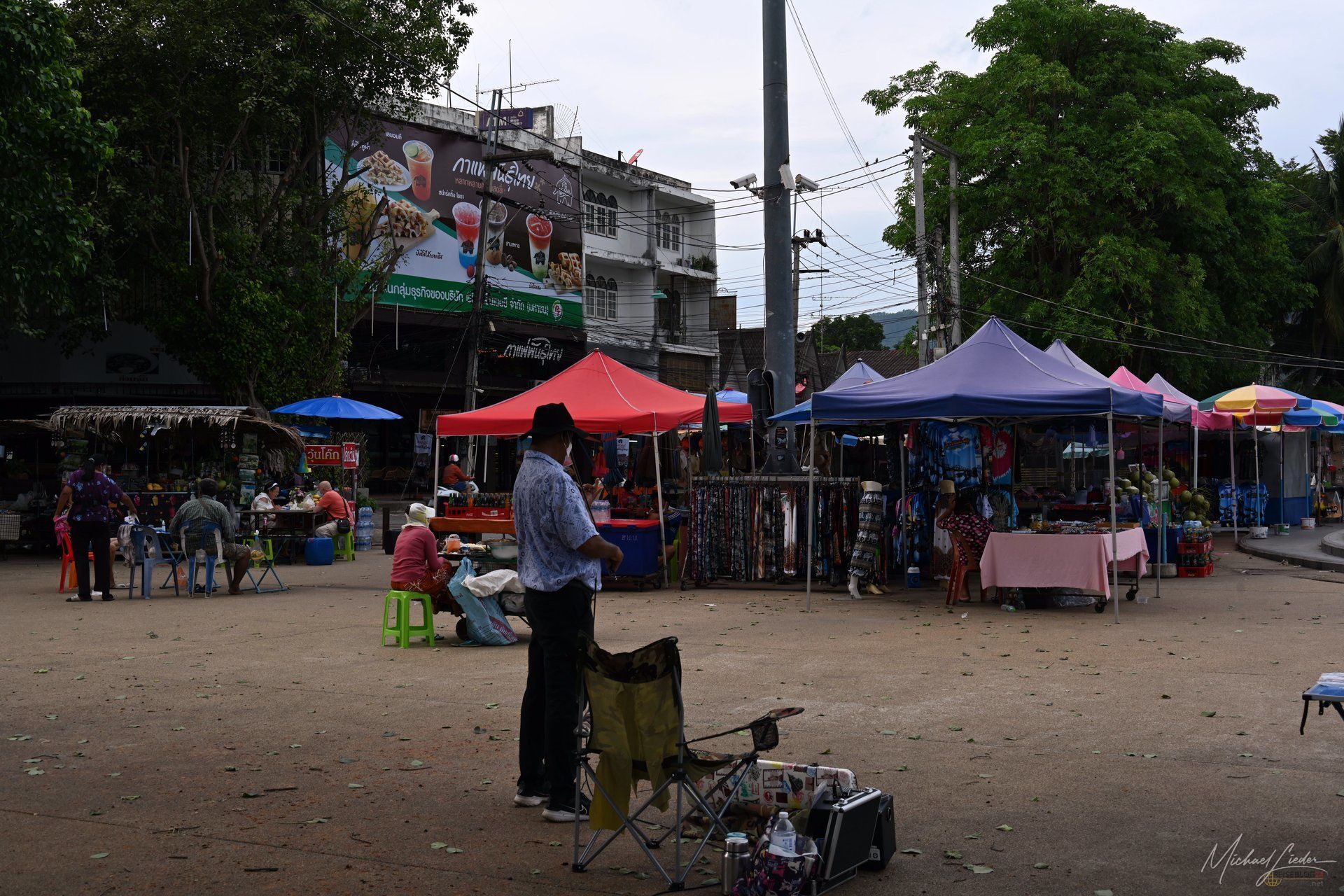
Right at the station, a market awaits that combines everything that makes Thailand so irresistible: aromas that trigger instant hunger, colors that overwhelm any camera, souvenirs hovering somewhere between kitsch and cult. Sometimes someone plays the guitar. Sometimes someone whistles. Yes—that melody. Irony included. Kanchanaburi isn’t a place for light entertainment. But it’s not weighed down by heaviness either. I laugh here. I eat here. I marvel here. And at the same time, this place reminds me that the world has been darker before. Maybe it’s precisely this mix of joy and remembrance that makes Kanchanaburi so special—a place that shows how something can grow from pain: quietly, with dignity, and unexpectedly alive.


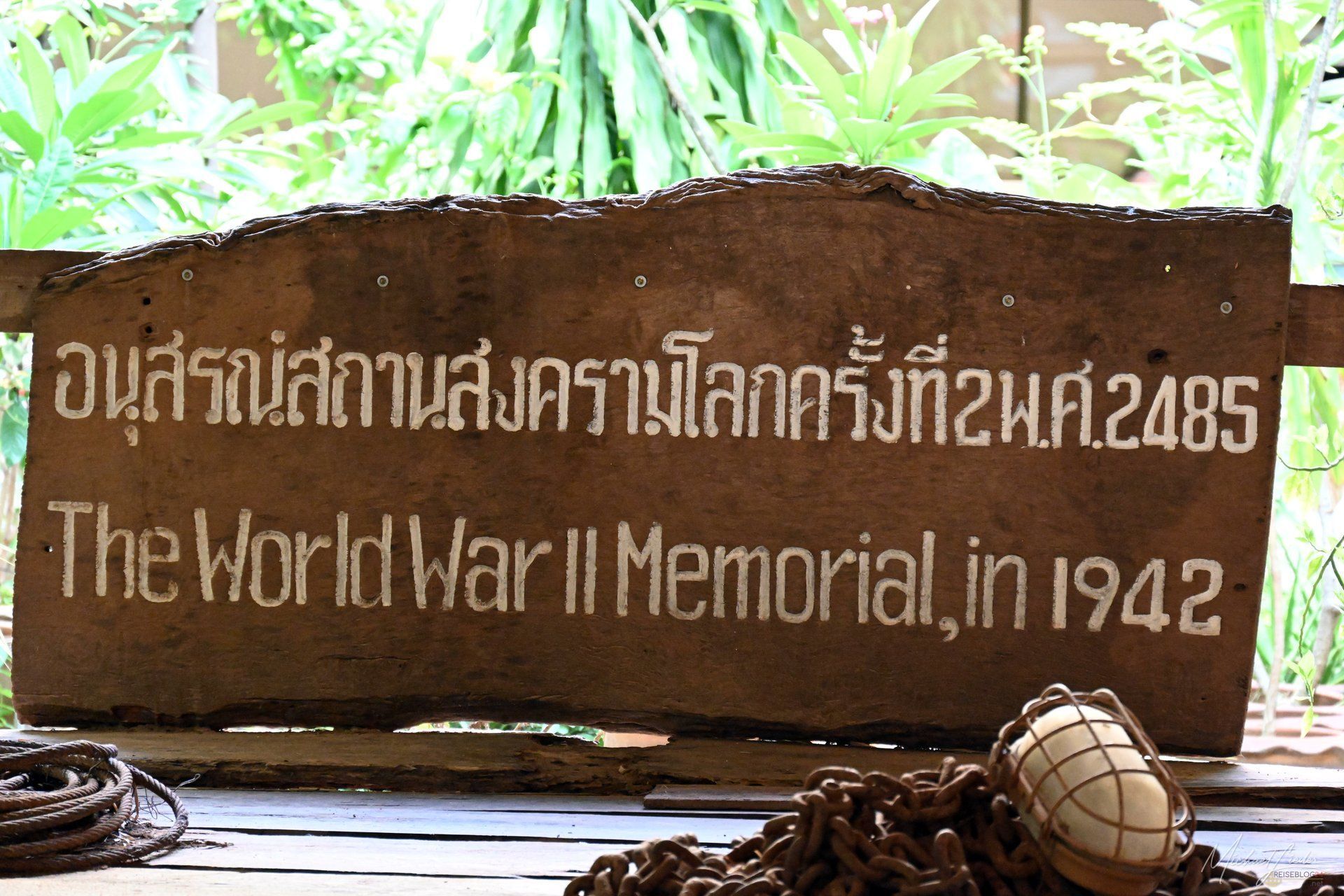
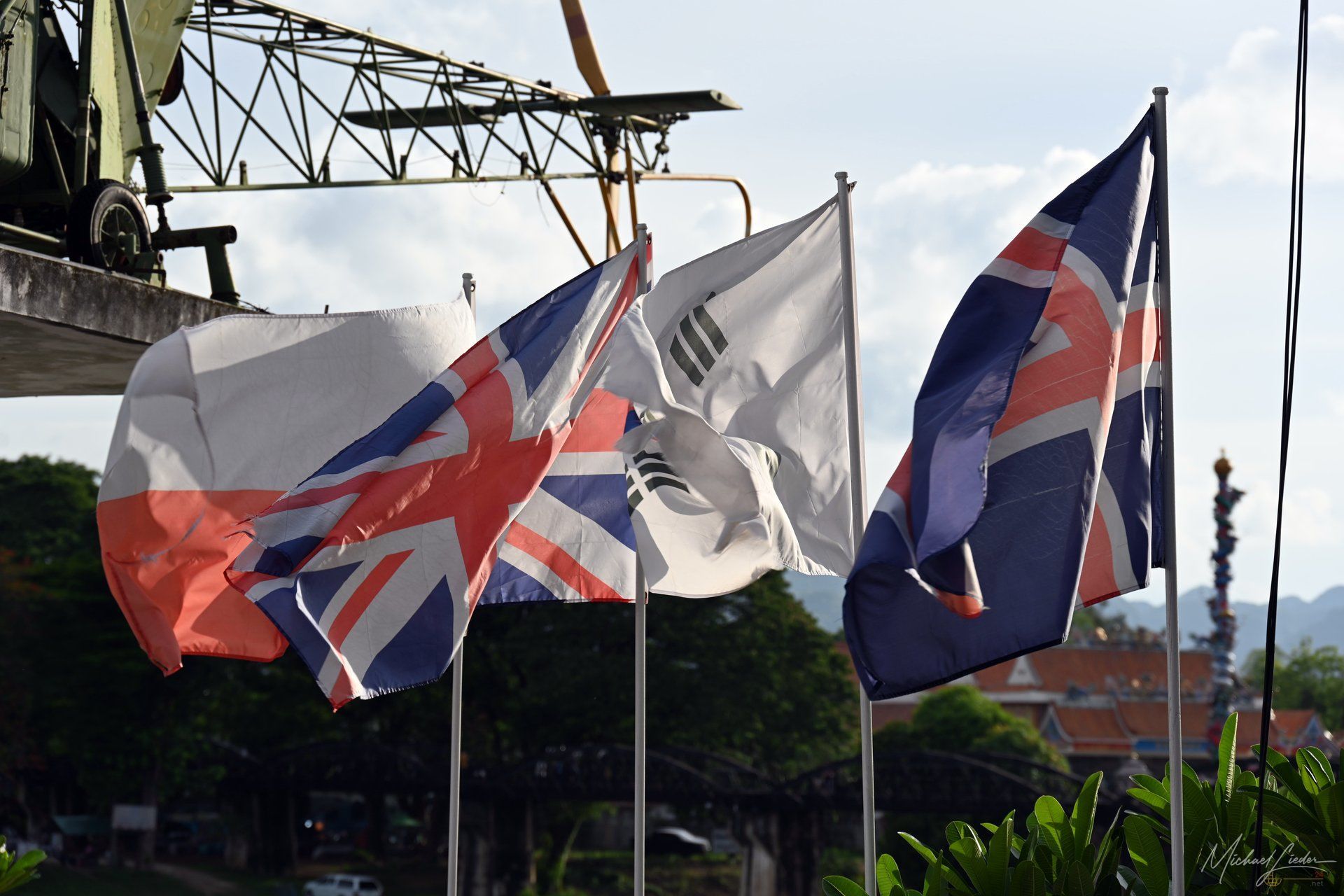


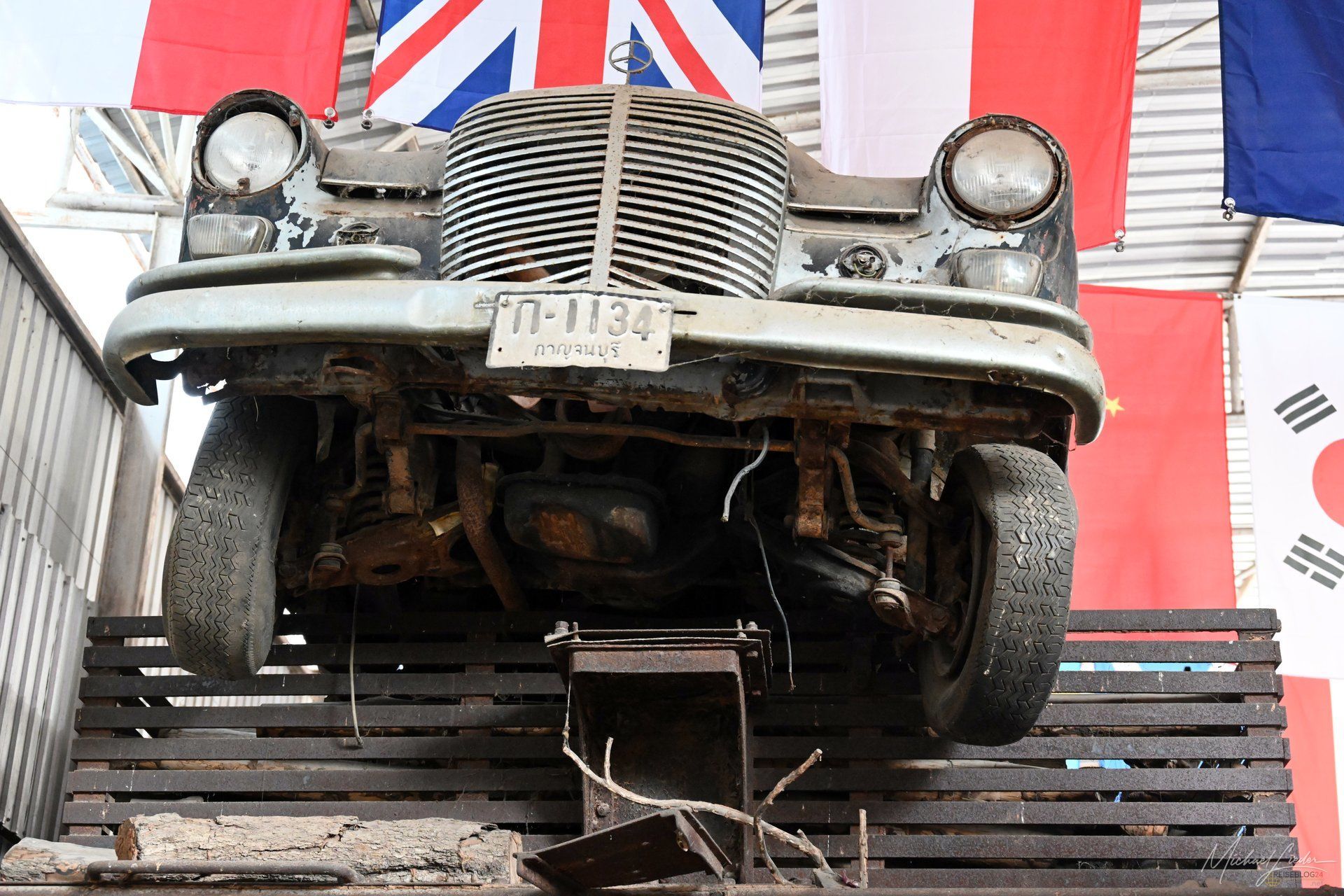
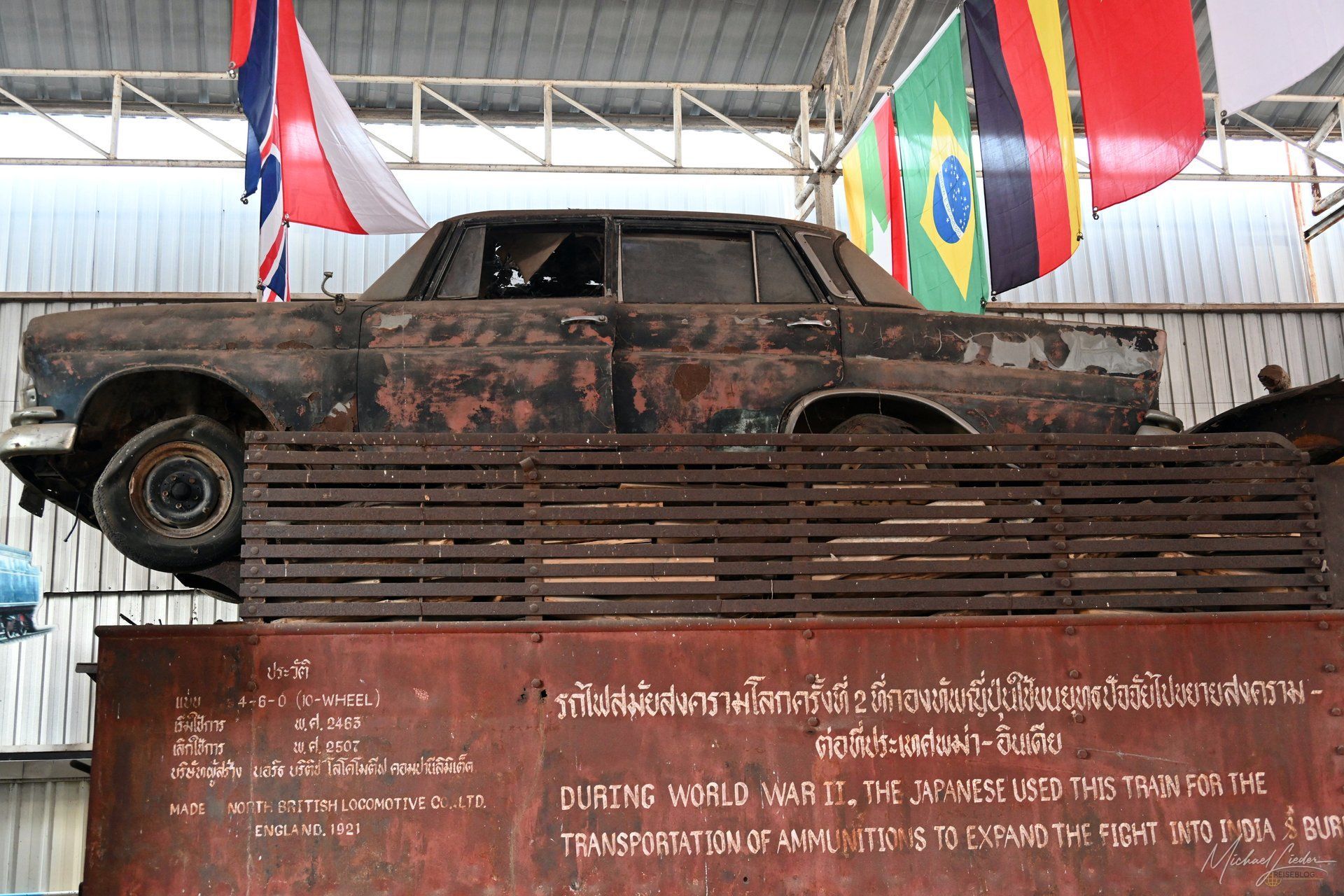

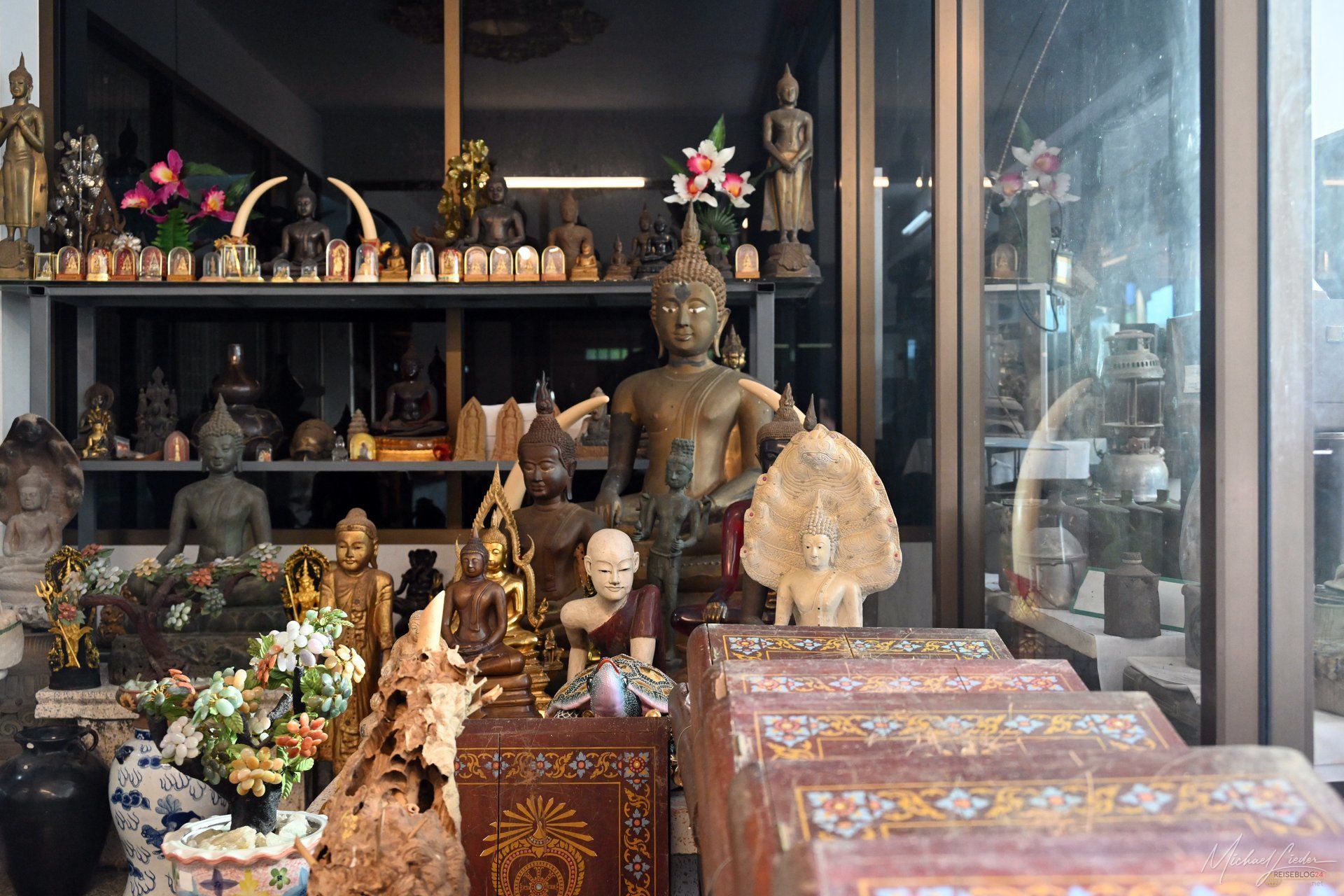

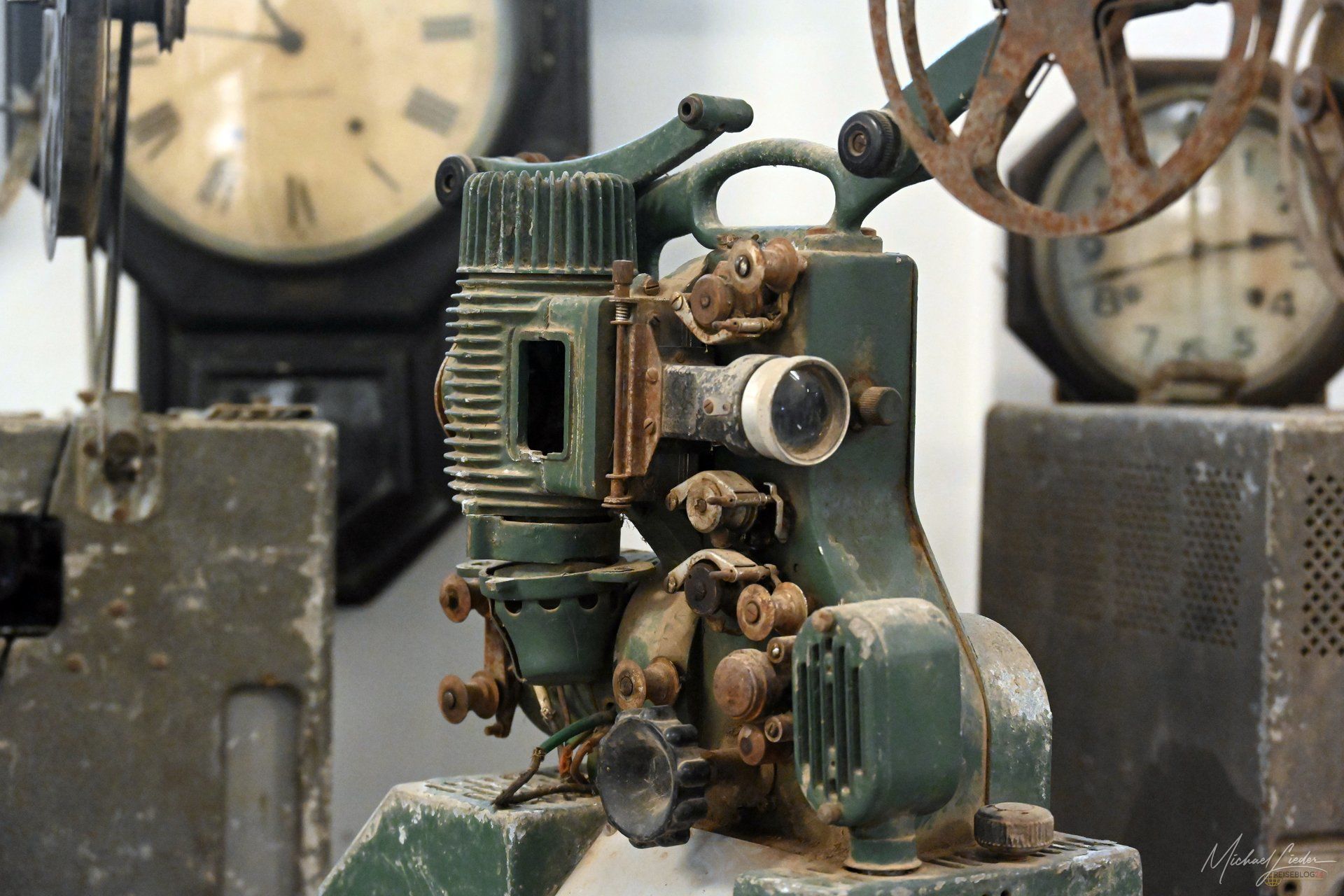
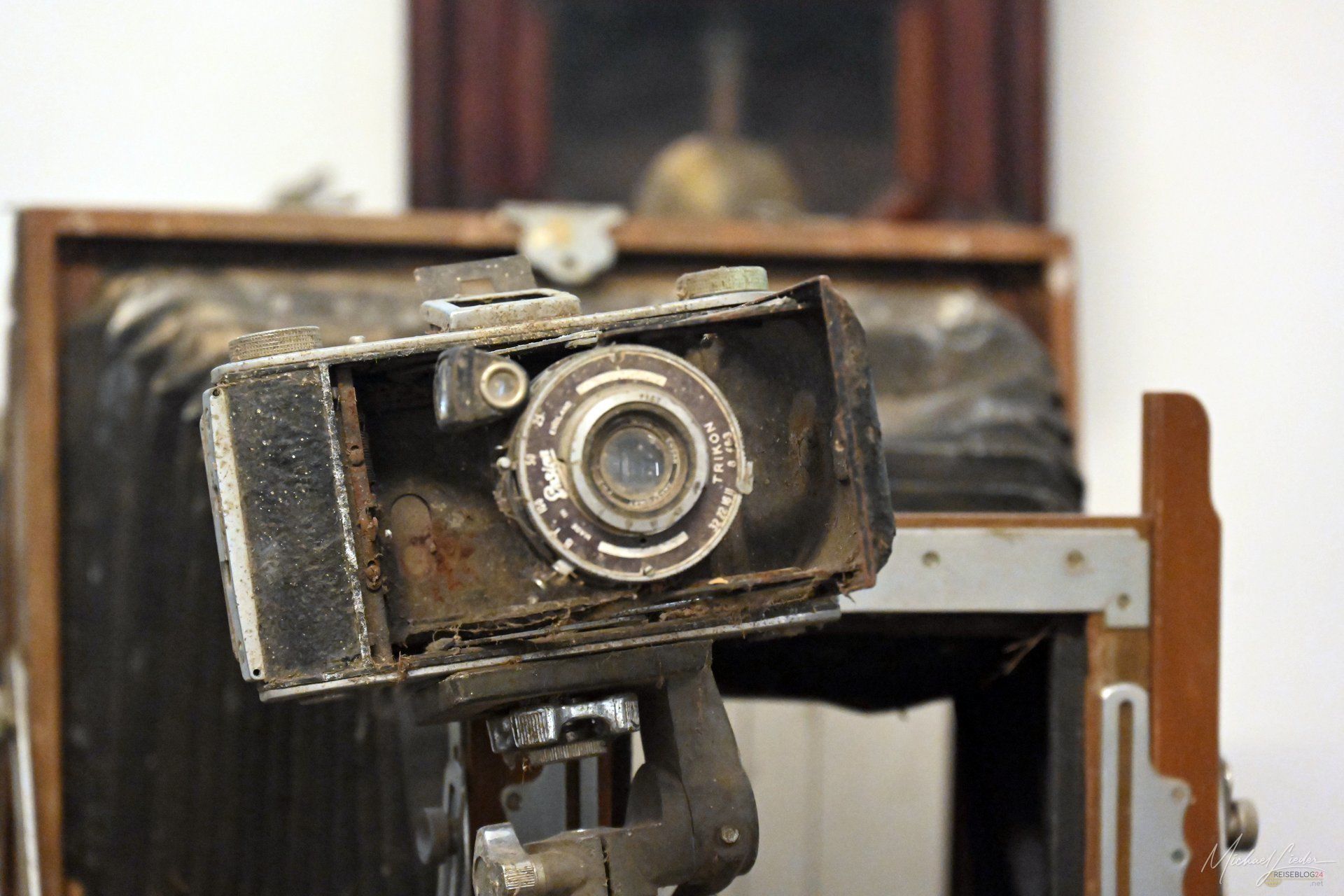
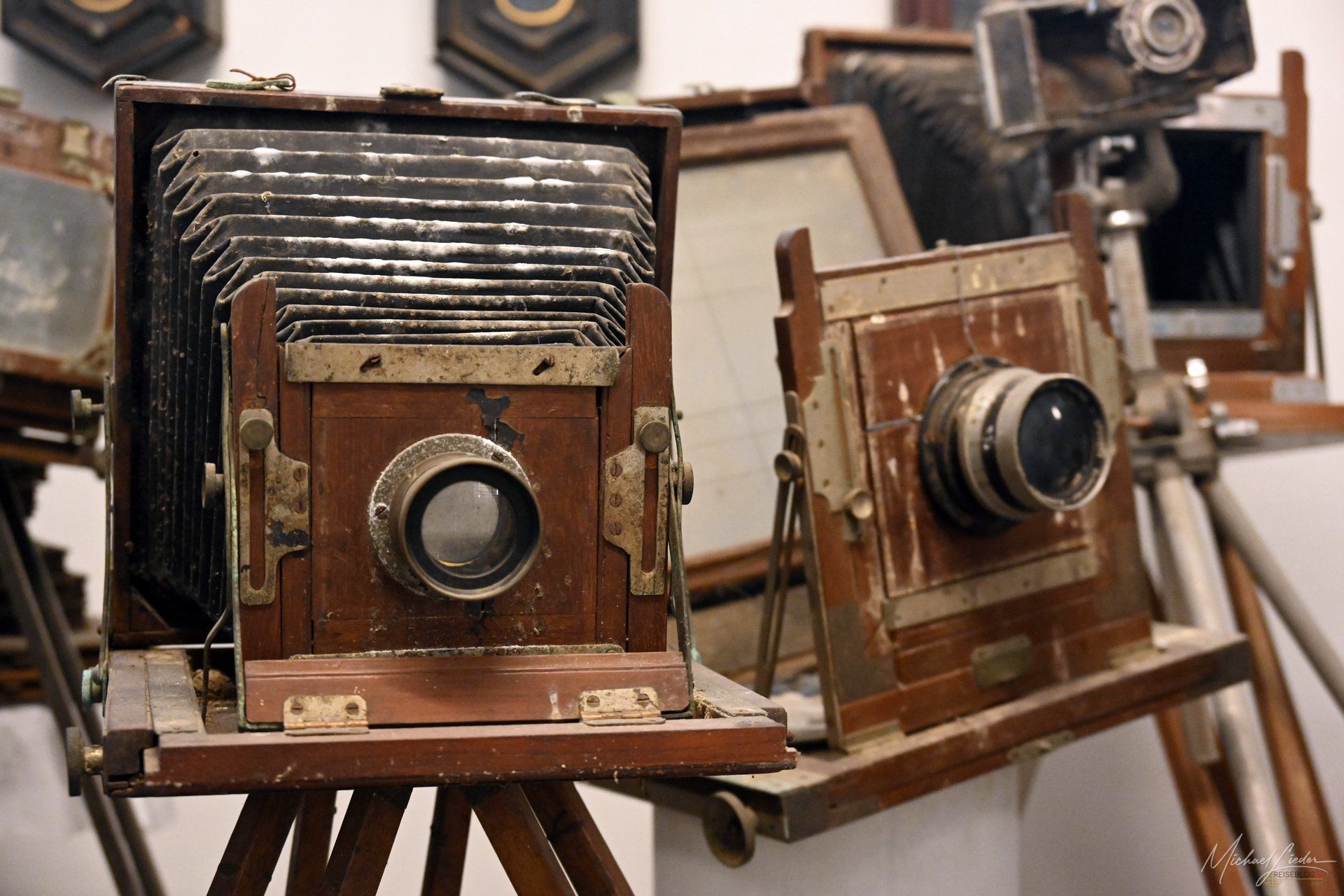

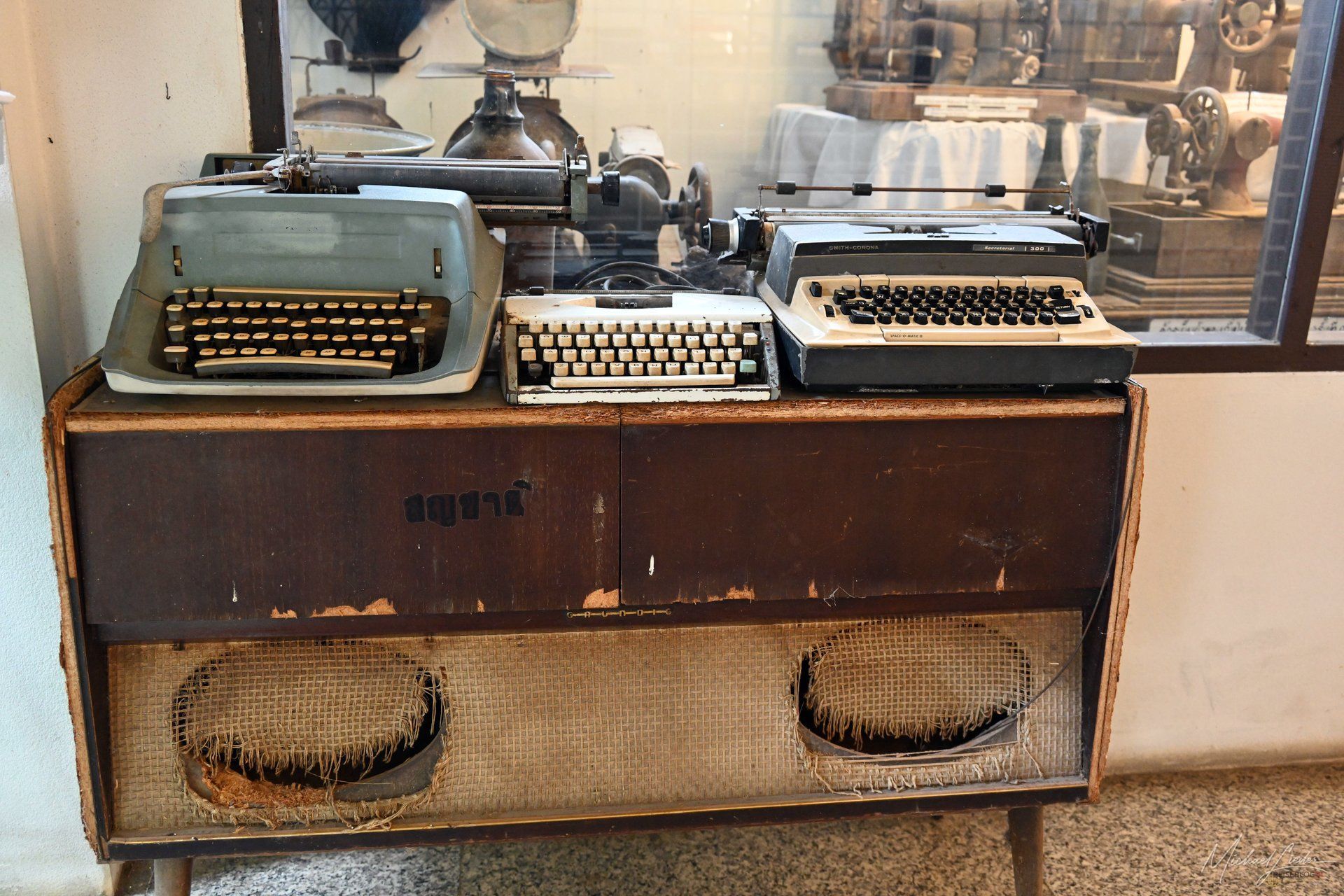
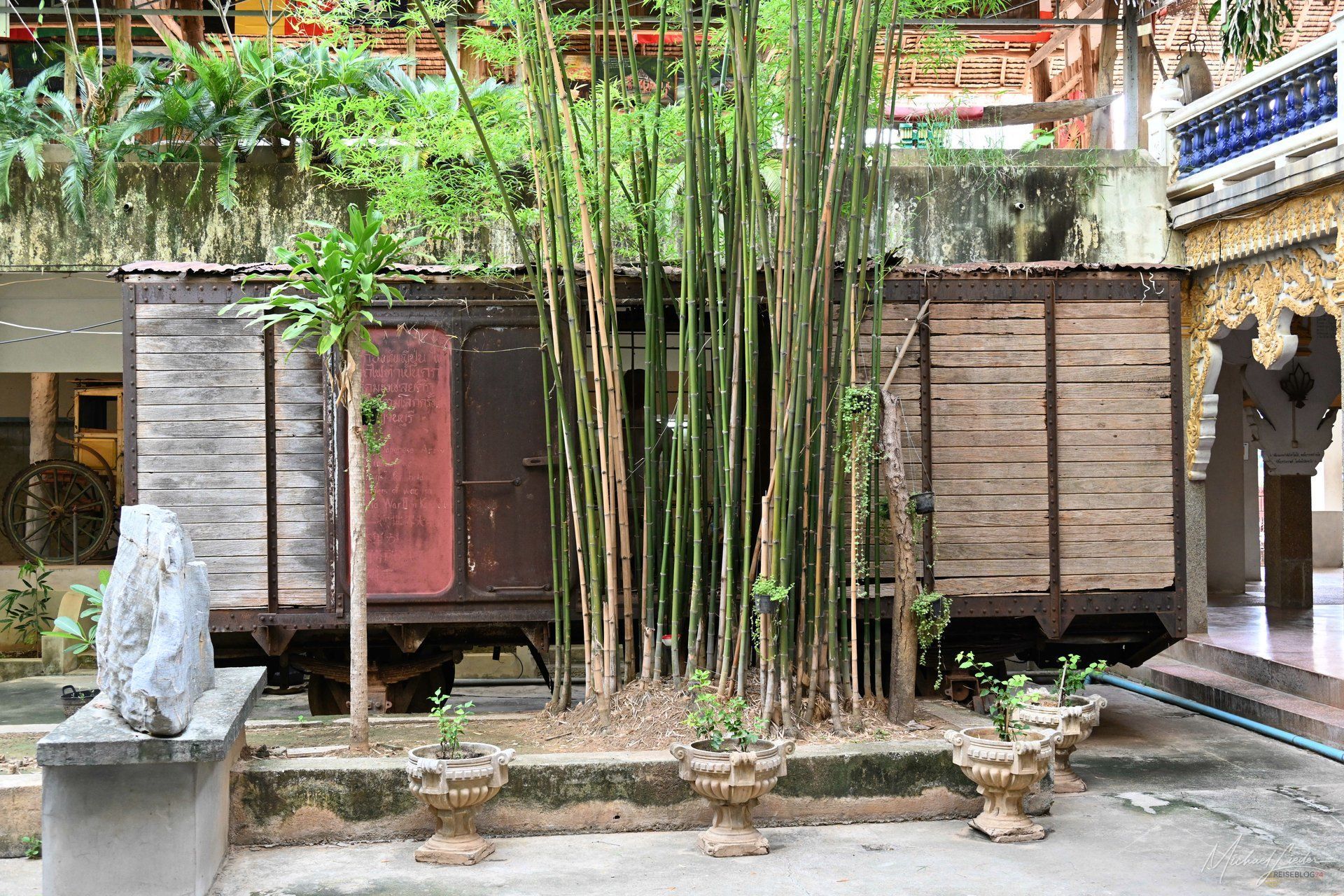
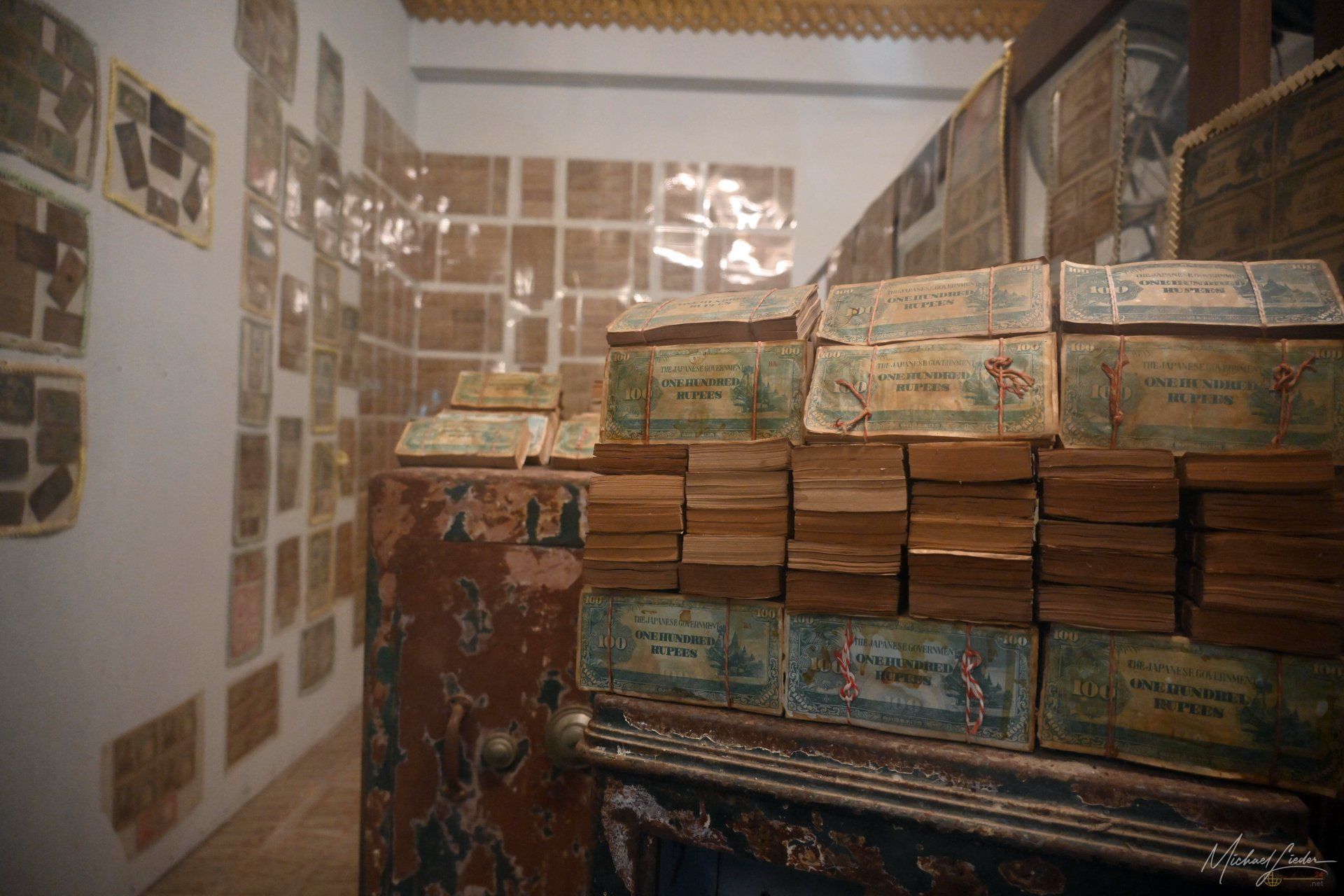
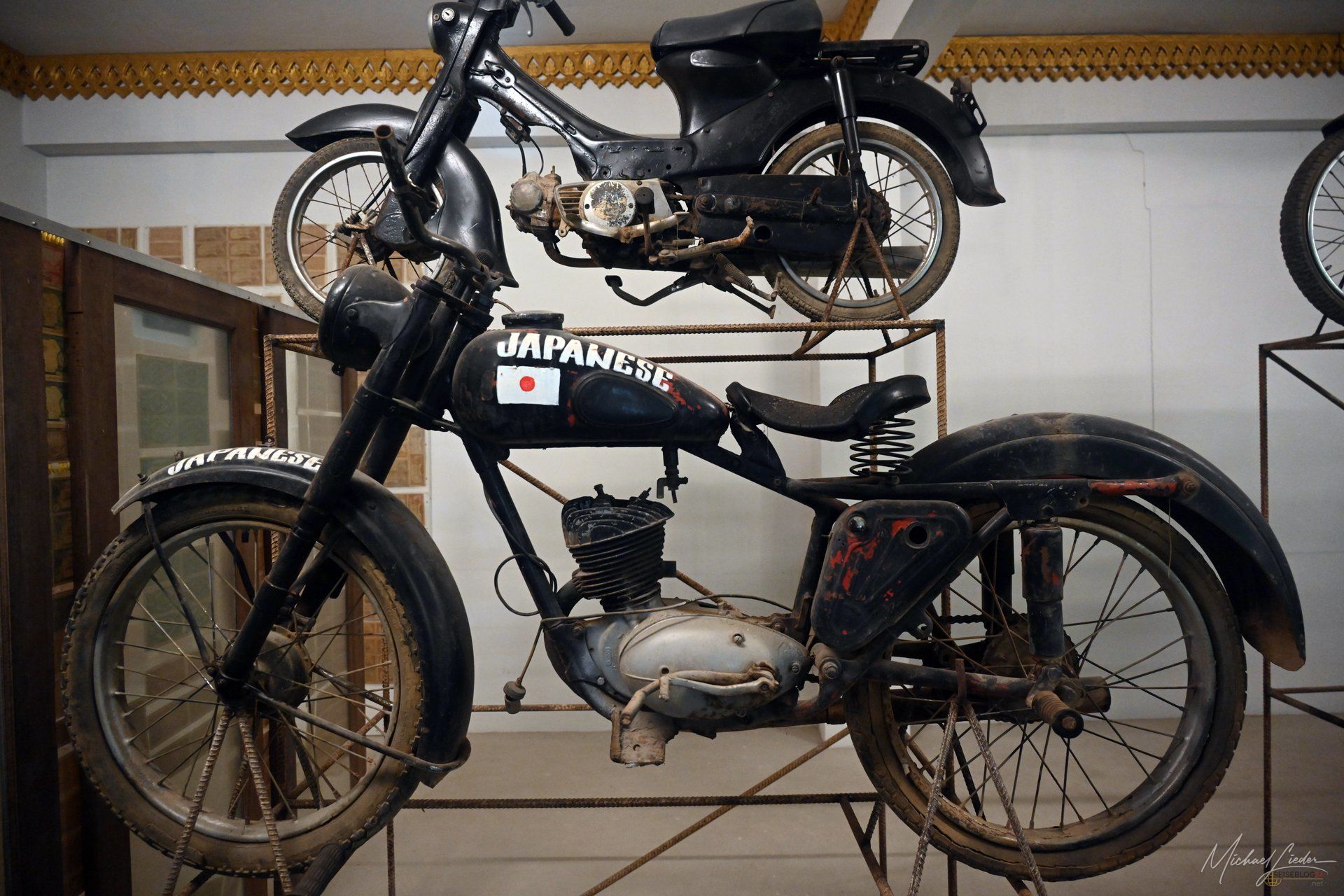
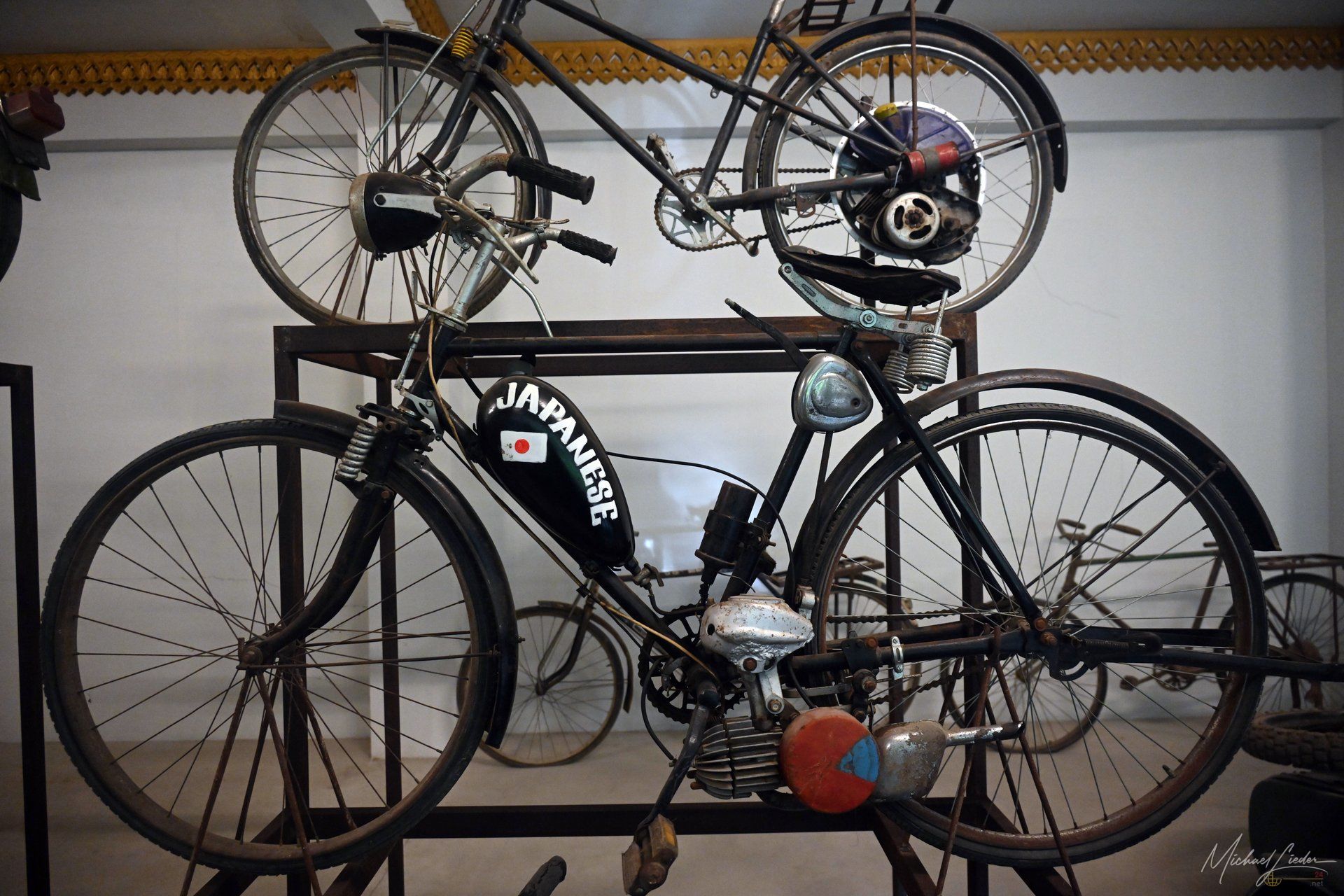

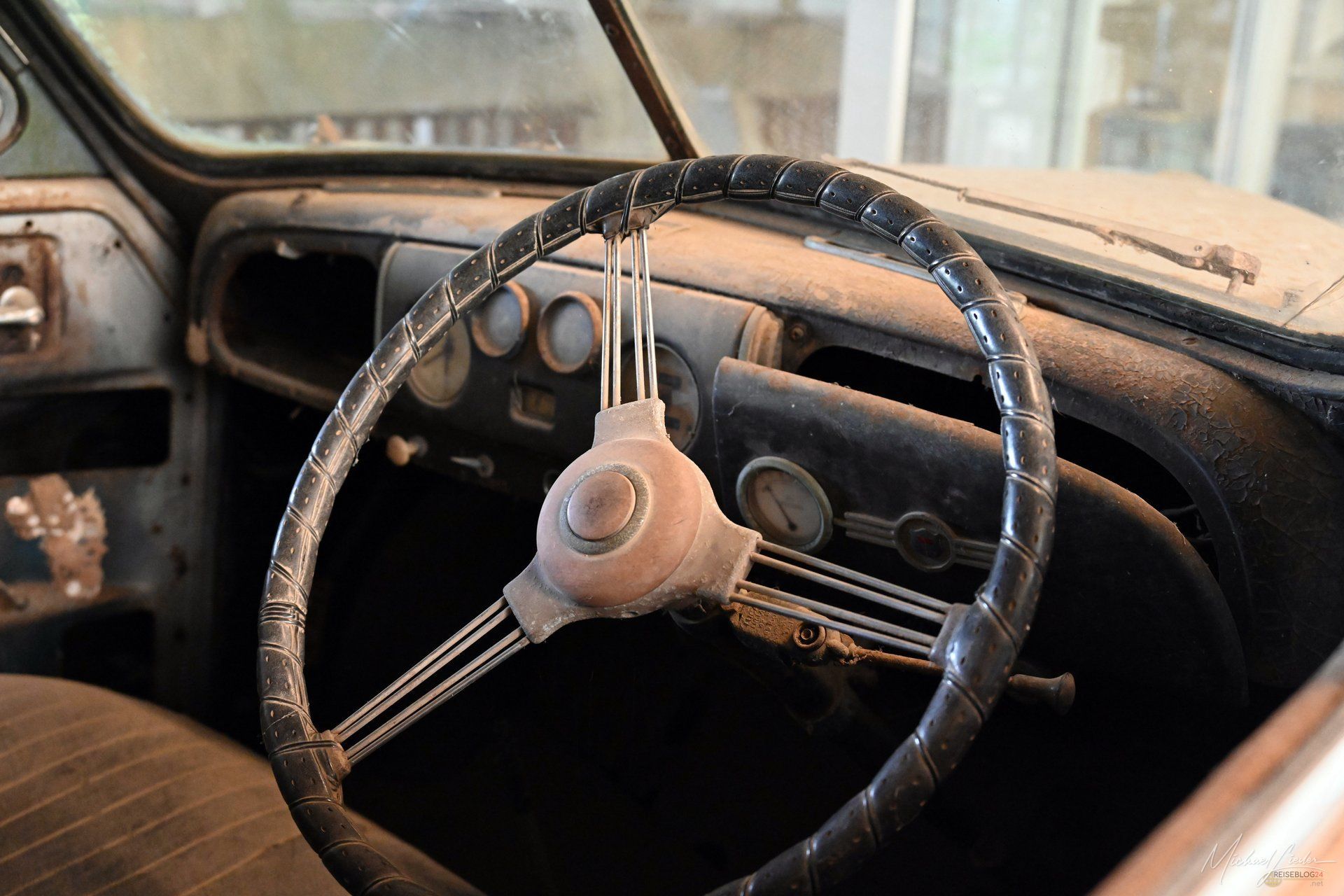
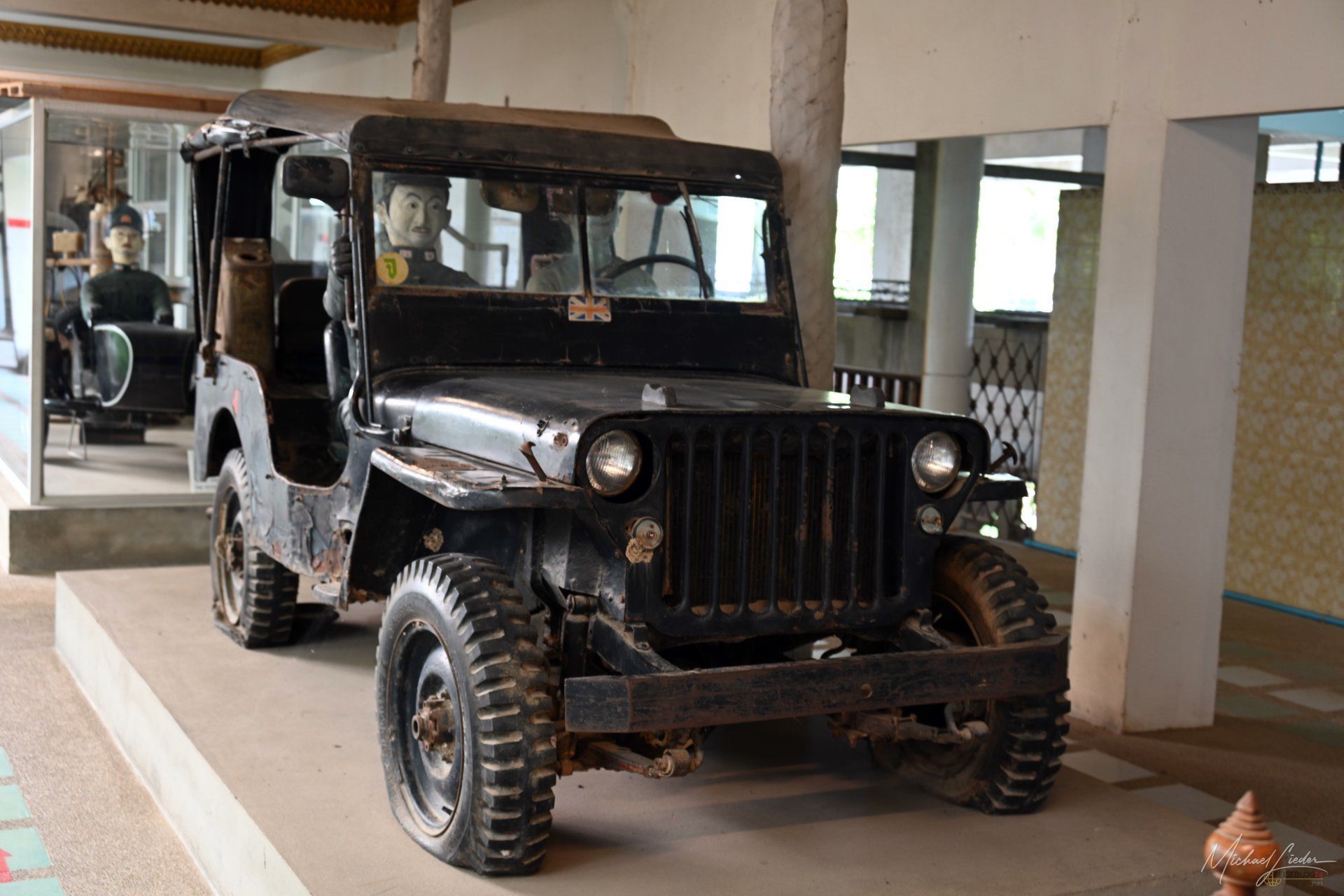
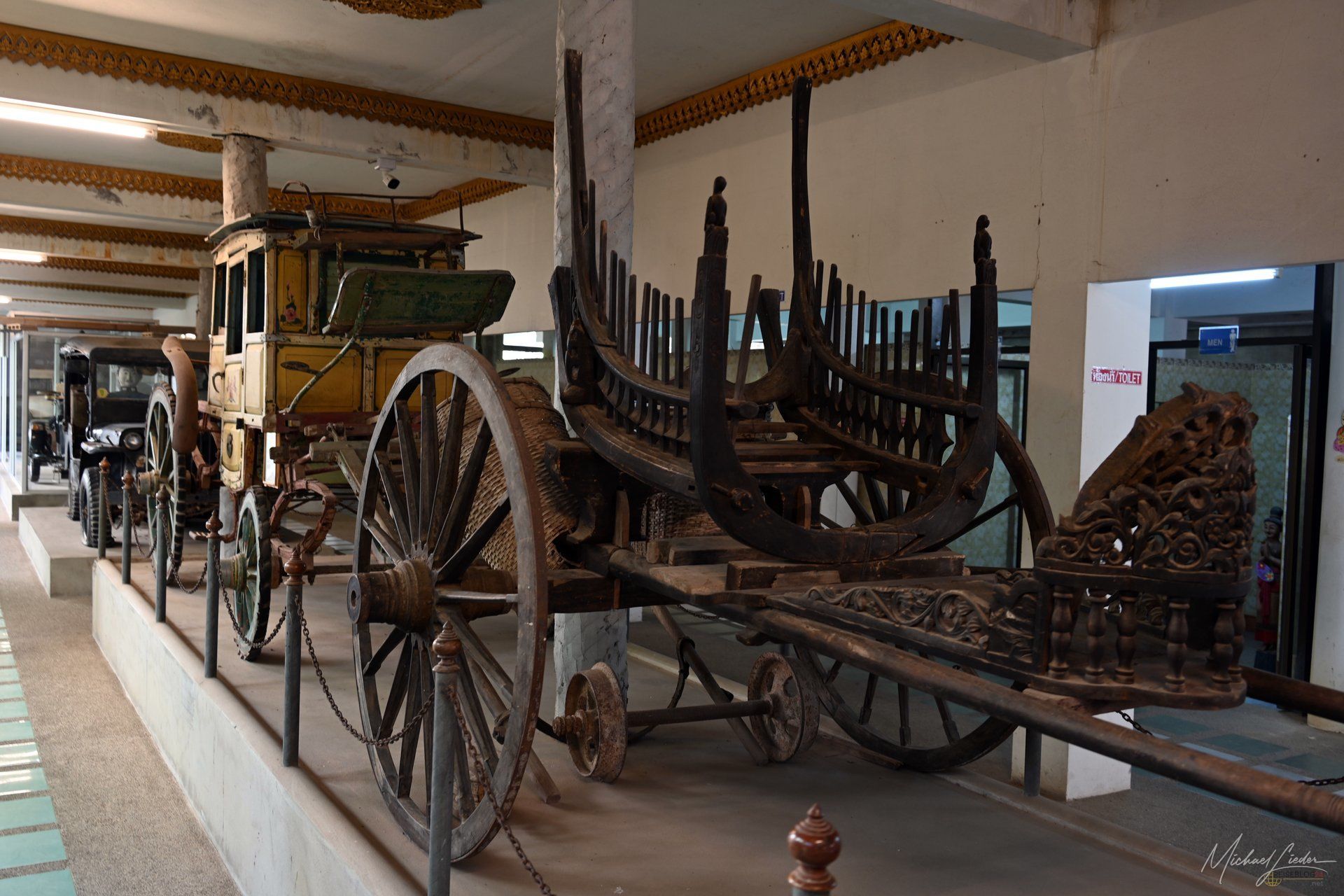
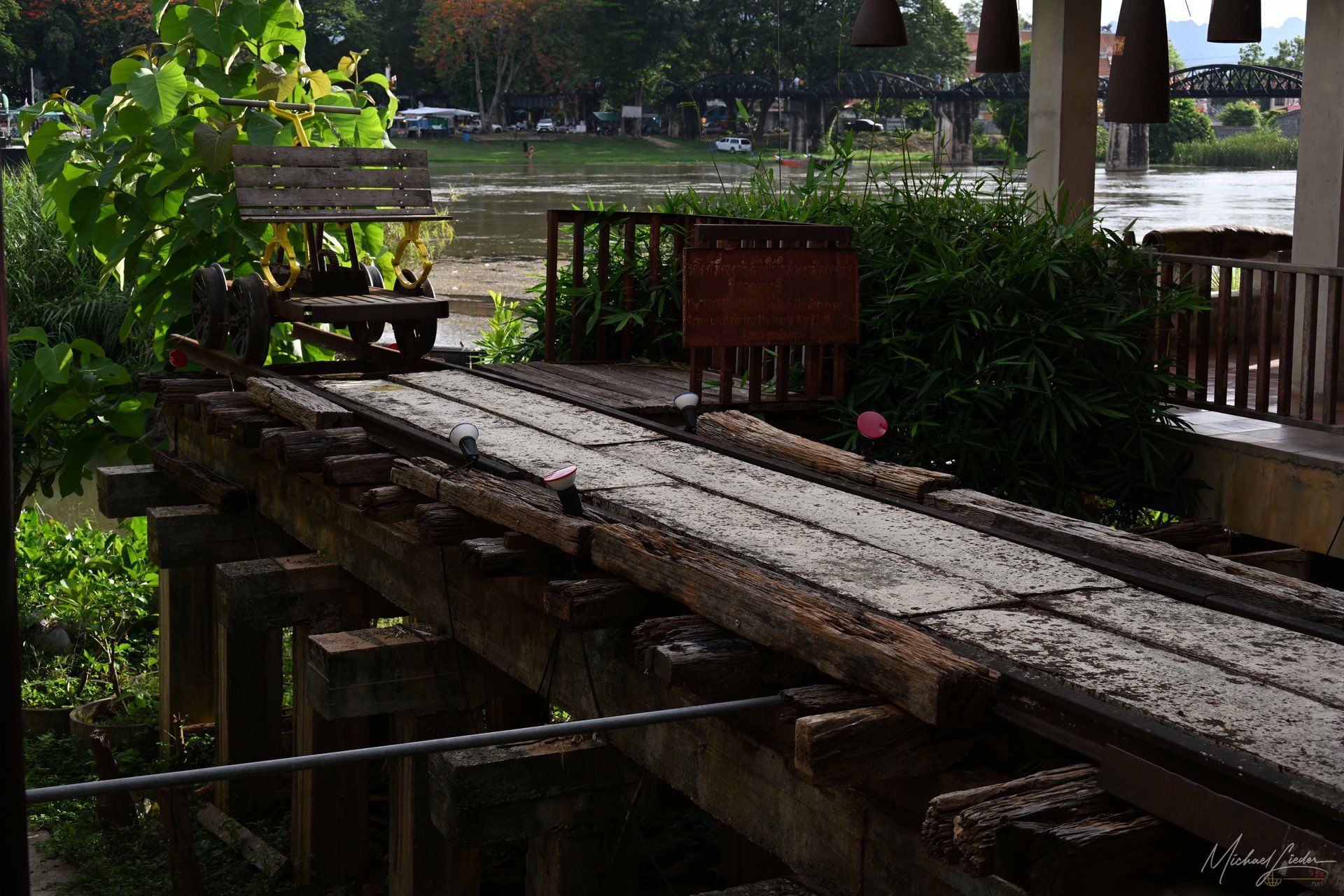
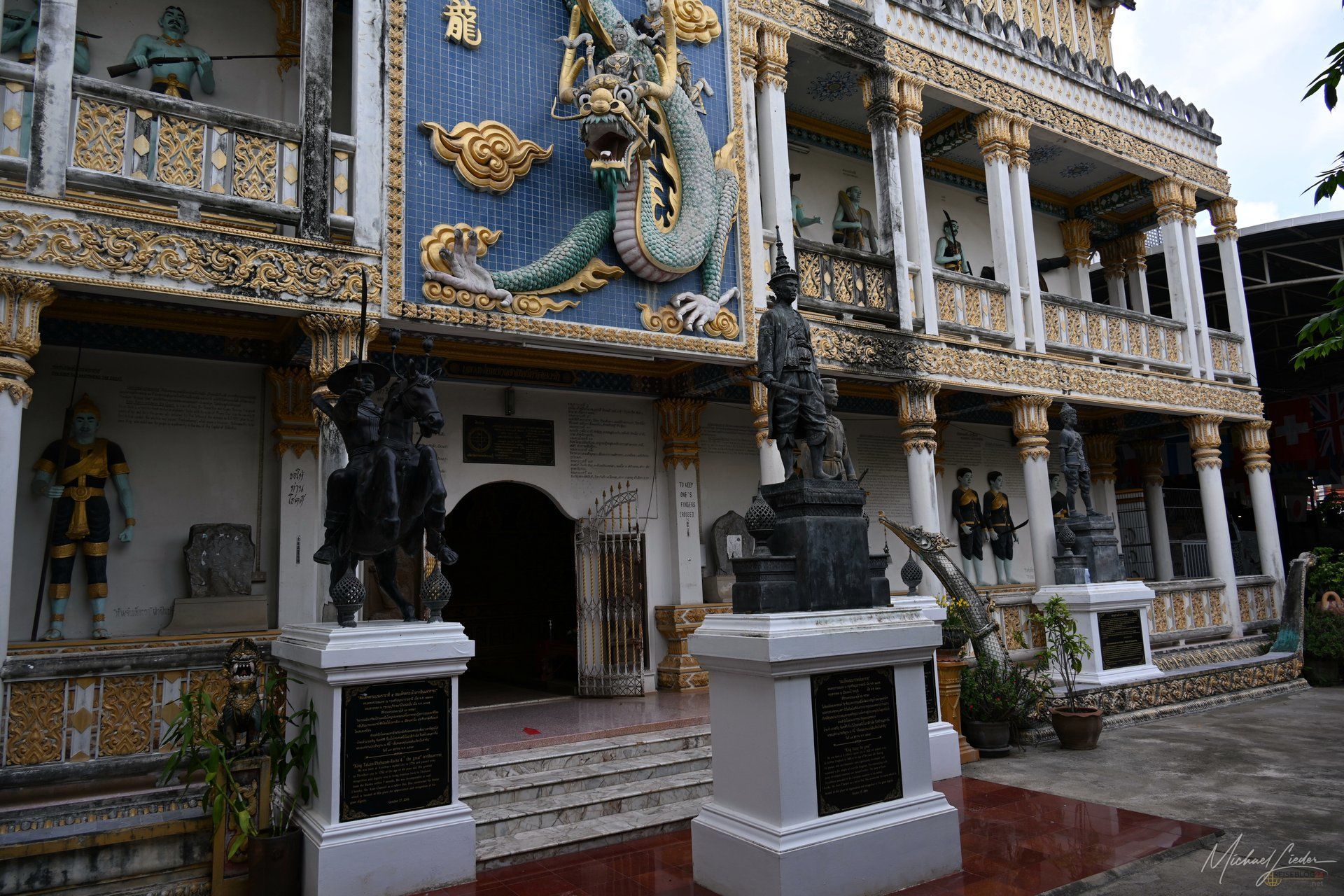
JEATH Museum for the dark past
There are places where history doesn’t live on information panels, but in the creaking of wooden planks, in the metallic rattle of a train slowly pushing its way through the jungle. The Wang Pho Viaduct is exactly such a place. One that doesn’t explain itself loudly—but tells its story quietly. Set in lush green surroundings, where the river drifts lazily and light flickers through the leaves, this stretch of the infamous Death Railway runs through the landscape. Built during World War II under Japanese occupation, constructed by prisoners of war and forced laborers, it served a goal that sounded strategic—and became hell for tens of thousands. Hunger. Disease. Violence. Anyone passing through today should remember the price this line demanded. Slow Rails, Heavy Echoes
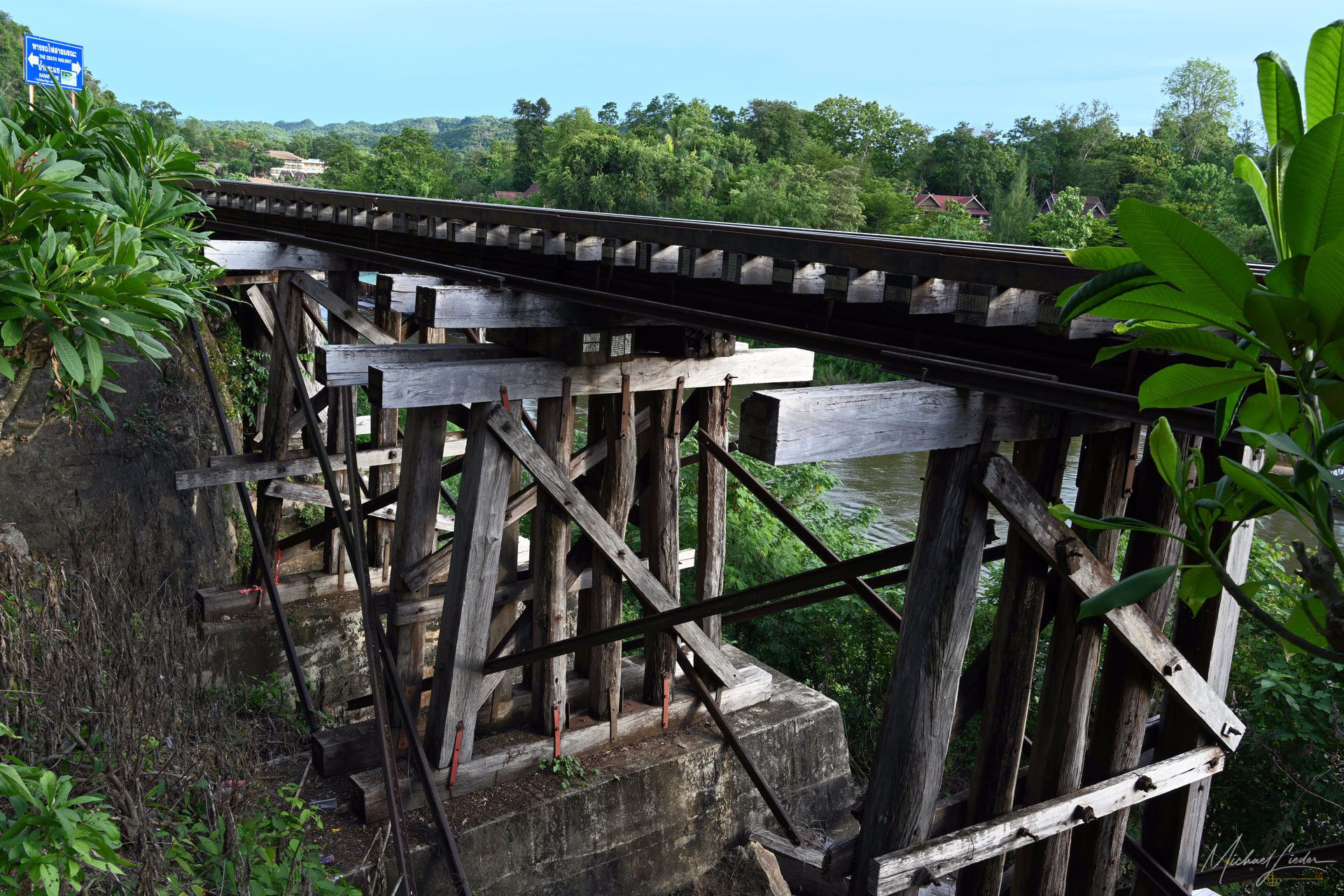
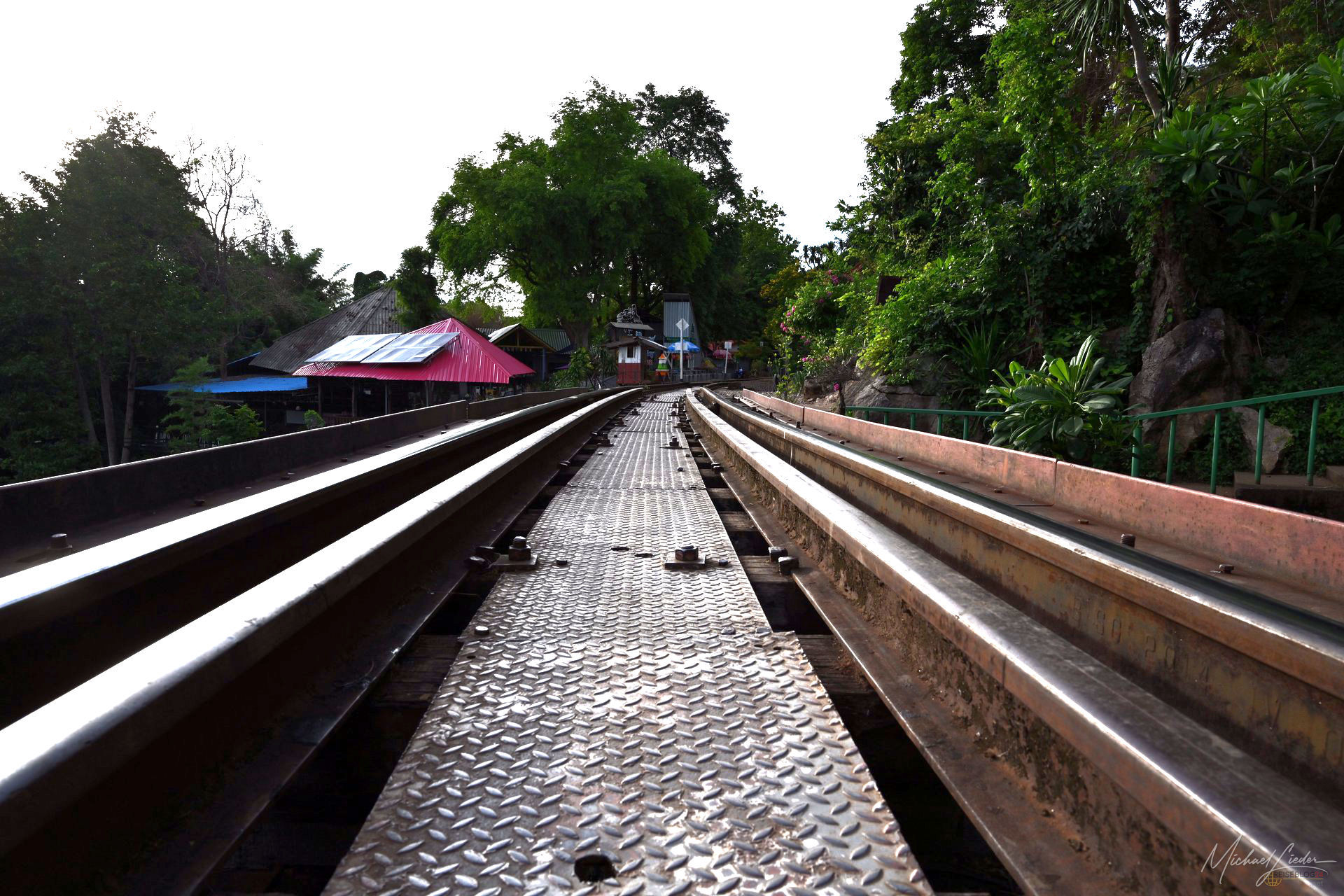
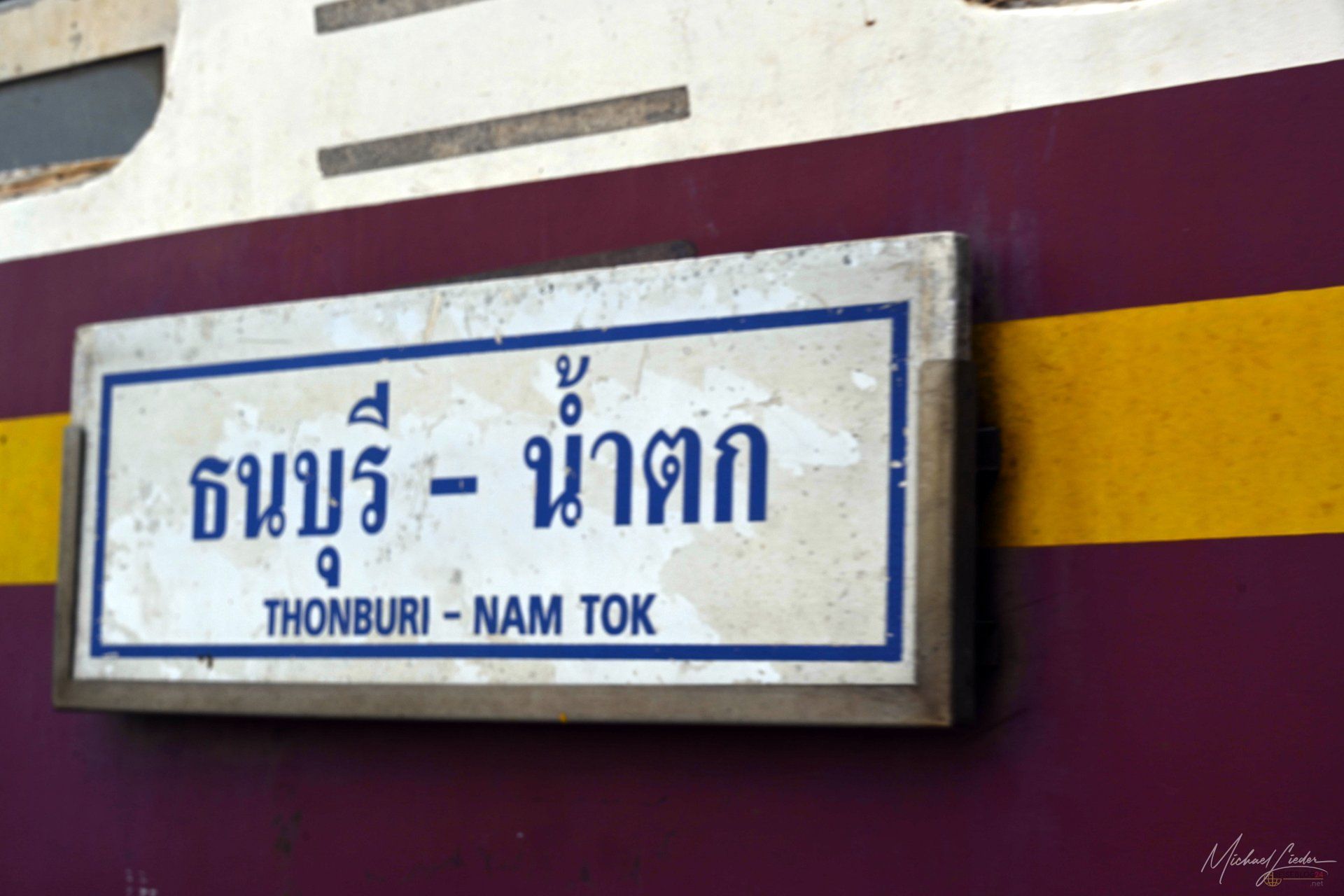
The railway from Bangkok to Nam Tok still exists. It runs slowly. Deliberately. Almost respectfully. And after the famous bridge over the River Kwai, deep in the jungle, comes its most striking section: the Wang Pho Viaduct. A wooden structure clinging daringly to a steep rock face, high above the river. Beauty and unease sit so close together here that you can’t help but pause.
I walked this section on foot. Step by step over old sleepers—no railing, no safety net—just me, the drop beneath, and the honest creak of wood. If you’re afraid of heights, truly, don’t do this. No joke. But if you commit, you’ll experience a moment that sticks: suspended between sky and earth, jungle and past. Intense. Unfiltered. Real.
Caves, Bats & Everyday Thailand
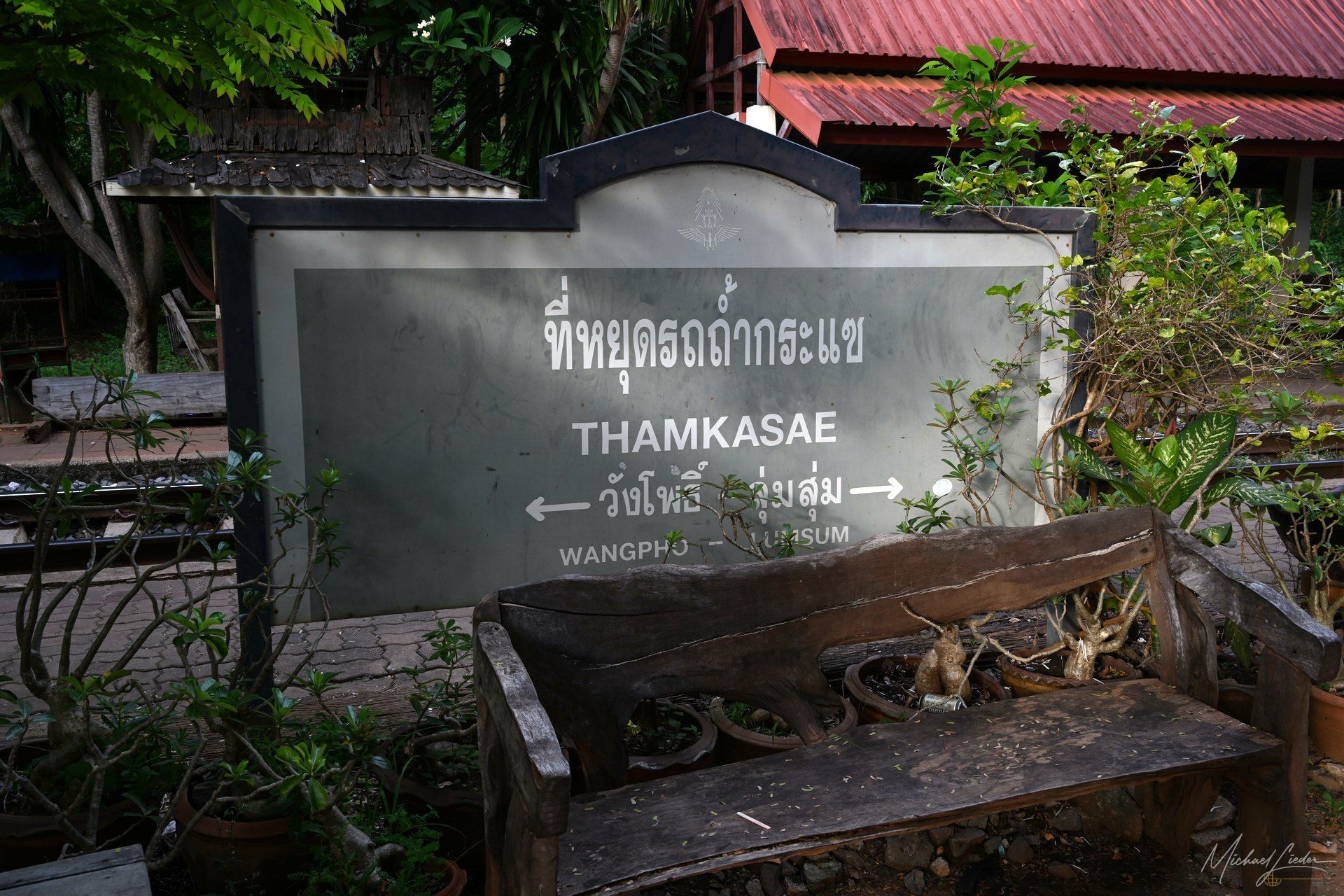
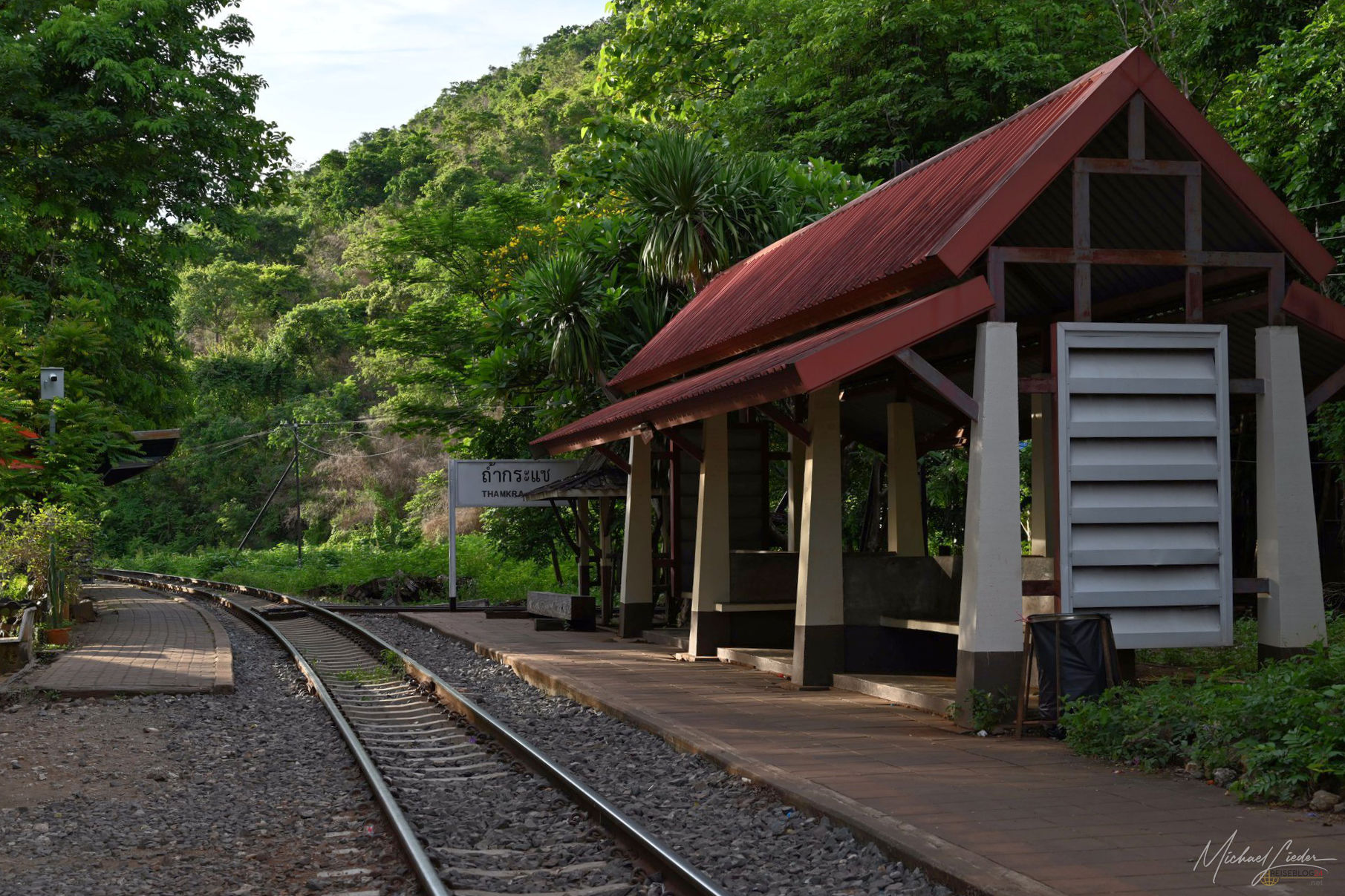
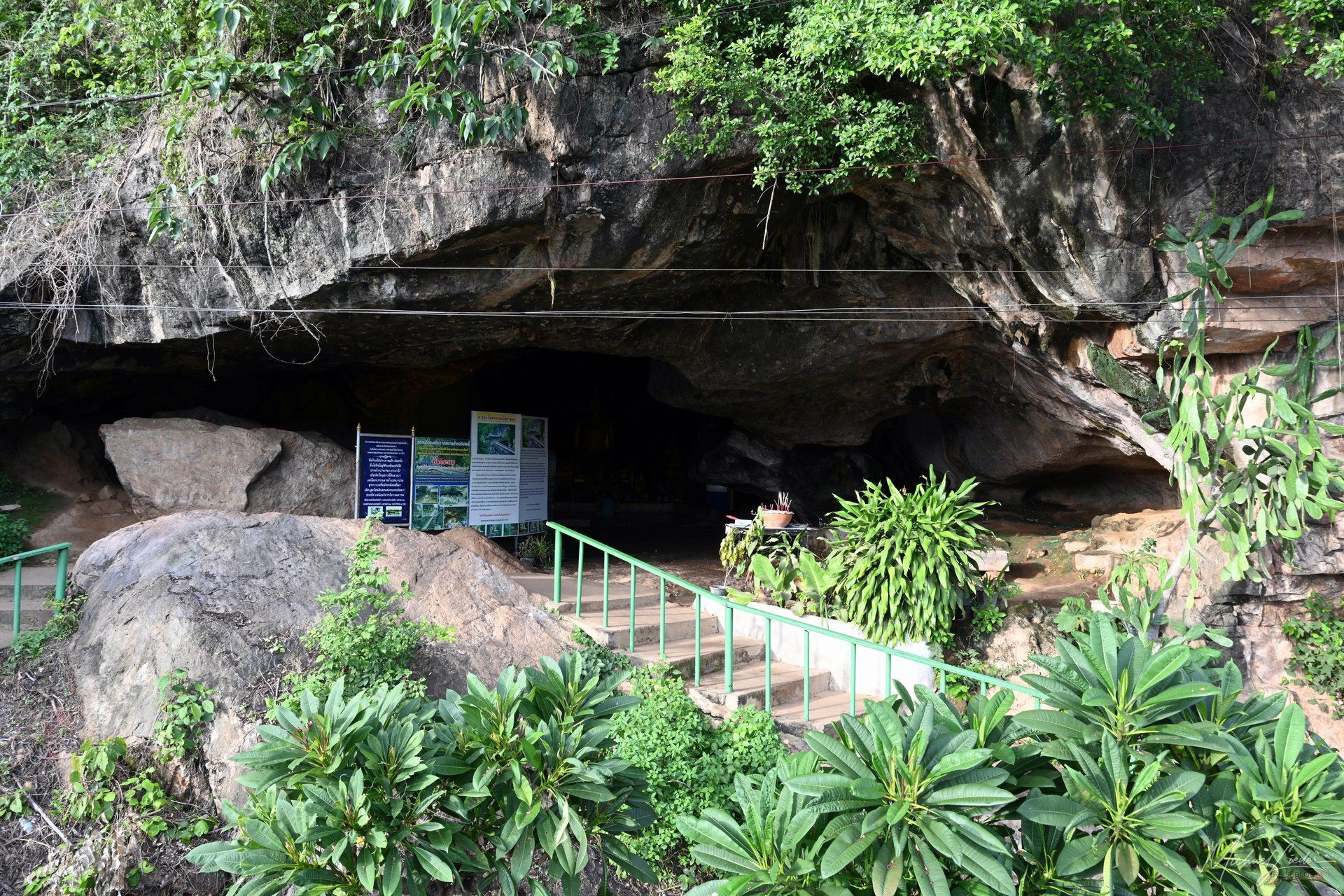
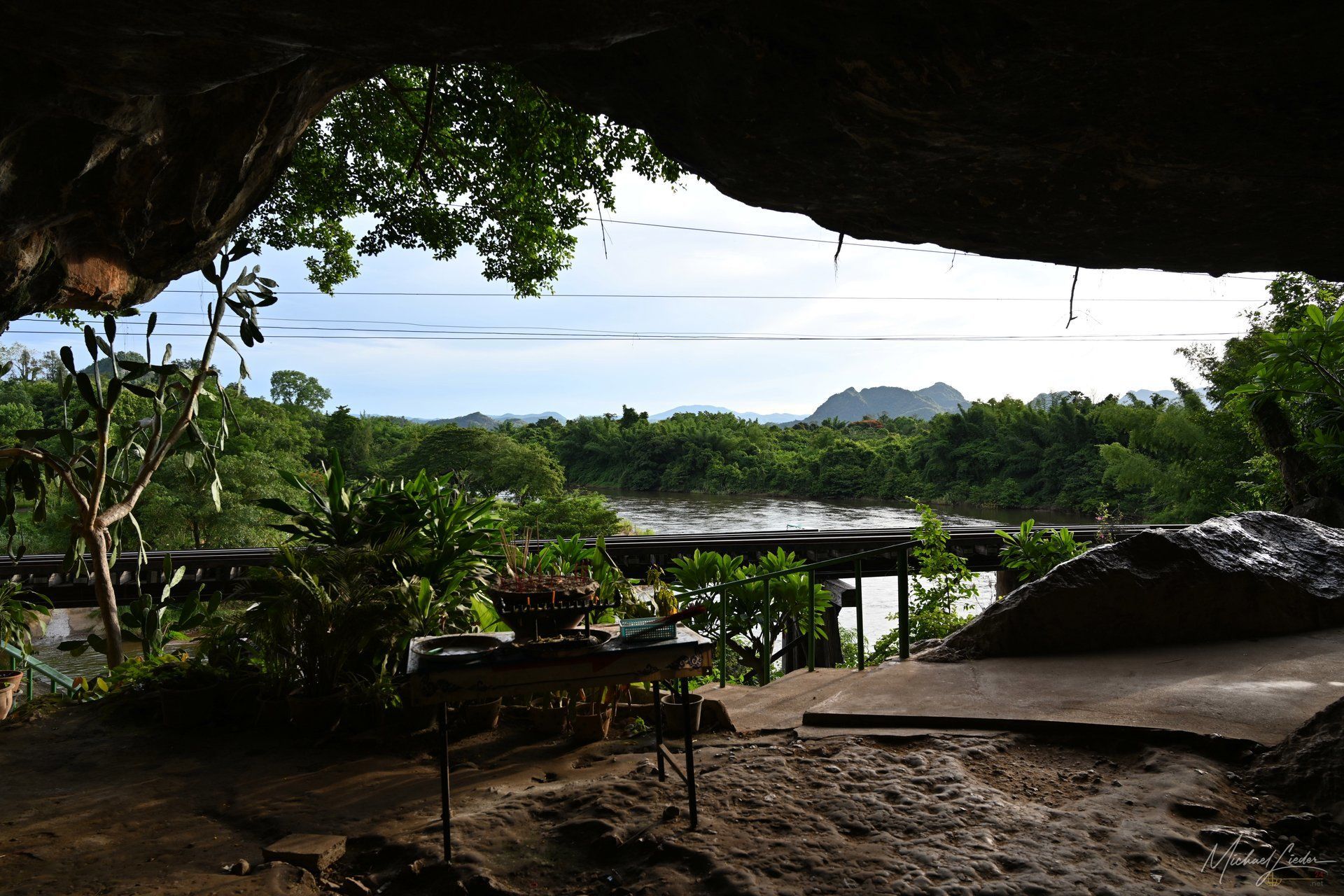
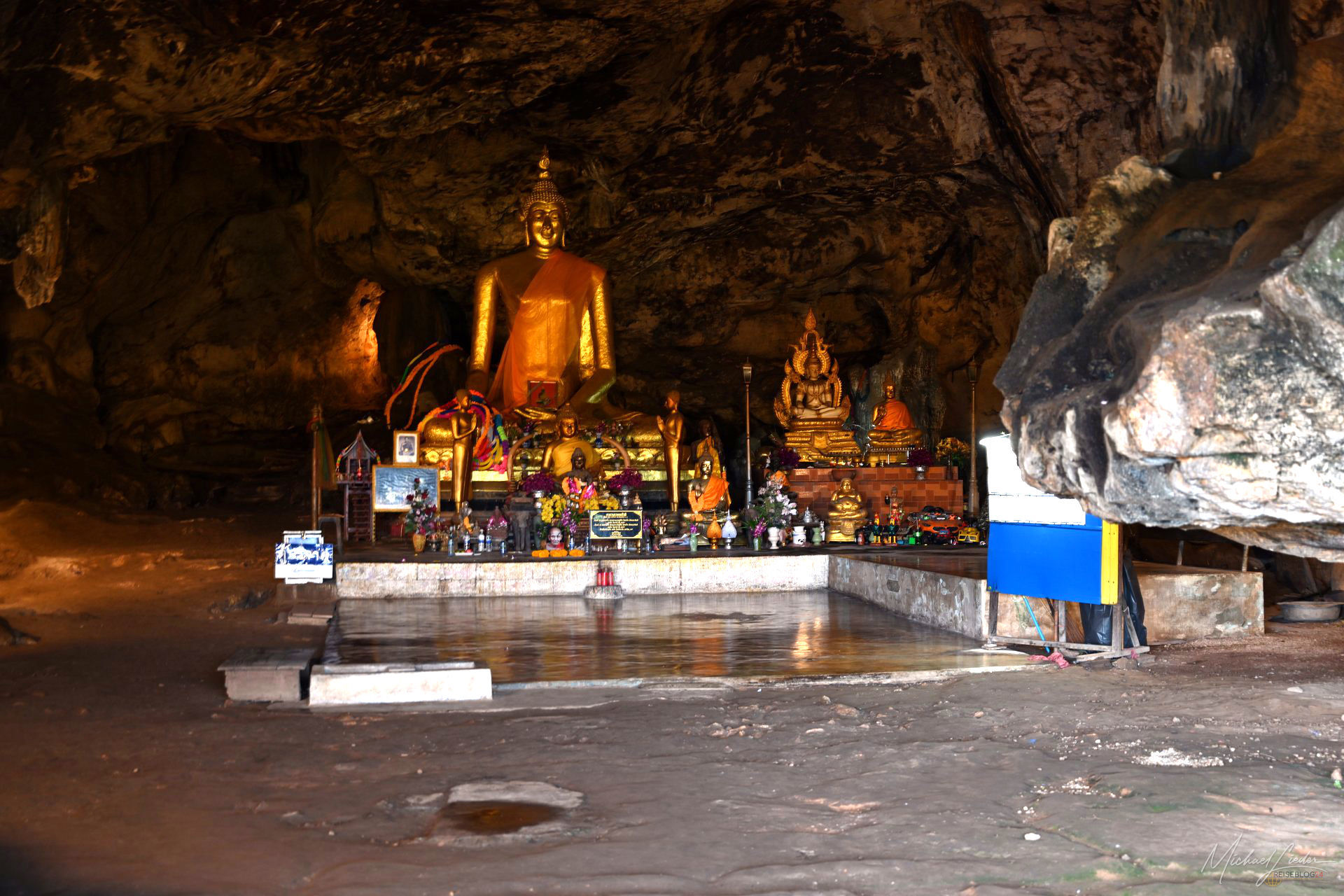
At Tham Krasae Station, where the viaduct begins, a small cave hides a Buddha shrine. Unassuming at first—until you venture deeper and suddenly, in a second chamber, bats hang from the ceiling. Living shadows. Silent. Awake. As if guarding this place. Outside, right next to the tracks, a proper tourist market has settled in. It smells of grilled meat, jasmine, dust, and sun—of Thailand. You sit there overlooking the rails, eat, hear the distant clacking of the train, and slowly understand: traveling is more than seeing. It’s feeling. Wondering. Remembering.
The Wang Pho Viaduct isn’t a place for quick photos. It’s a place that stays with you. One that cautions softly—and at the same time shows just how closely beauty and pain can exist side by side.
Wang Pho Viaduct on the Death Railway
Where History Feels Close Enough to Touch
There are places where history becomes so tangible you almost hear it—in the creaking of wooden planks, in the rattling of a train forcing its way through the jungle. The Wang Pho Viaduct is one of those places.
Here, surrounded by dense green, where the river drifts lazily and light dances between the leaves, runs a stretch of railway born from suffering, sweat, and death. The so-called Death Railway—built during World War II by prisoners of war and forced laborers under Japanese occupation—was meant to connect Thailand with Burma (today’s Myanmar). An ambitious project that turned into hell on earth for tens of thousands. Hunger, disease, and abuse were part of daily life, and anyone traveling this route today would do well to remember the price it once demanded.
A Rolling Memorial Through the Jungle
The railway from Bangkok to Nam Tok still exists today—a rolling memorial on steel rails. Traveling by train, you cross the famous bridge over the River Kwai—and further west, deep in the jungle, you reach perhaps its most striking section: the Wang Pho Viaduct. A wooden structure clinging daringly to a sheer rock face, high above the river. Standing there, you feel both at once—the beauty of the landscape and the quiet echo of something unimaginable. I walked this stretch on foot, carefully, step by step over the old sleepers while the wind moved through the valley. No railing. No safety net. Just you, the drop below, and the soft, honest creak of wood. If you’re not comfortable with heights, think twice. And yet—this moment suspended between sky and earth, jungle and history—was one of the most intense of my journey.
Bats, Buddha & the Present Moment
At Tham Krasae Station, where the viaduct begins, a small cave hides a Buddha shrine. It seems unassuming at first—until you venture deeper and discover a second chamber where bats hang from the ceiling. Living shadows between past and present. Outside, right next to the tracks, a Tourist market has settled in. It smells of grilled meat, jasmine, dust—of real Thailand. You can sit here, eat, listen to the clatter of the rails—and slowly understand that travel is sometimes more than seeing. It’s feeling. Wondering. And remembering.