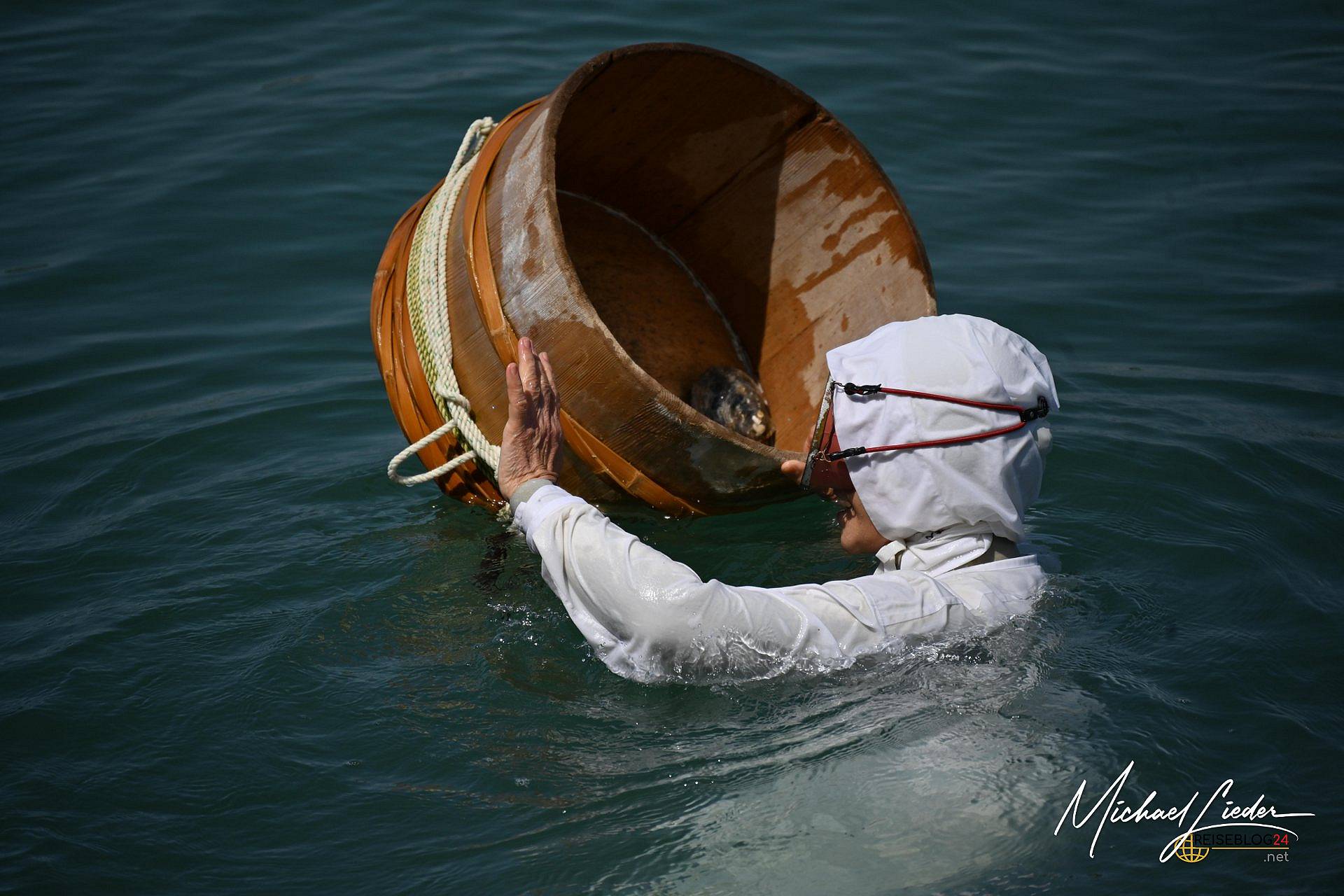
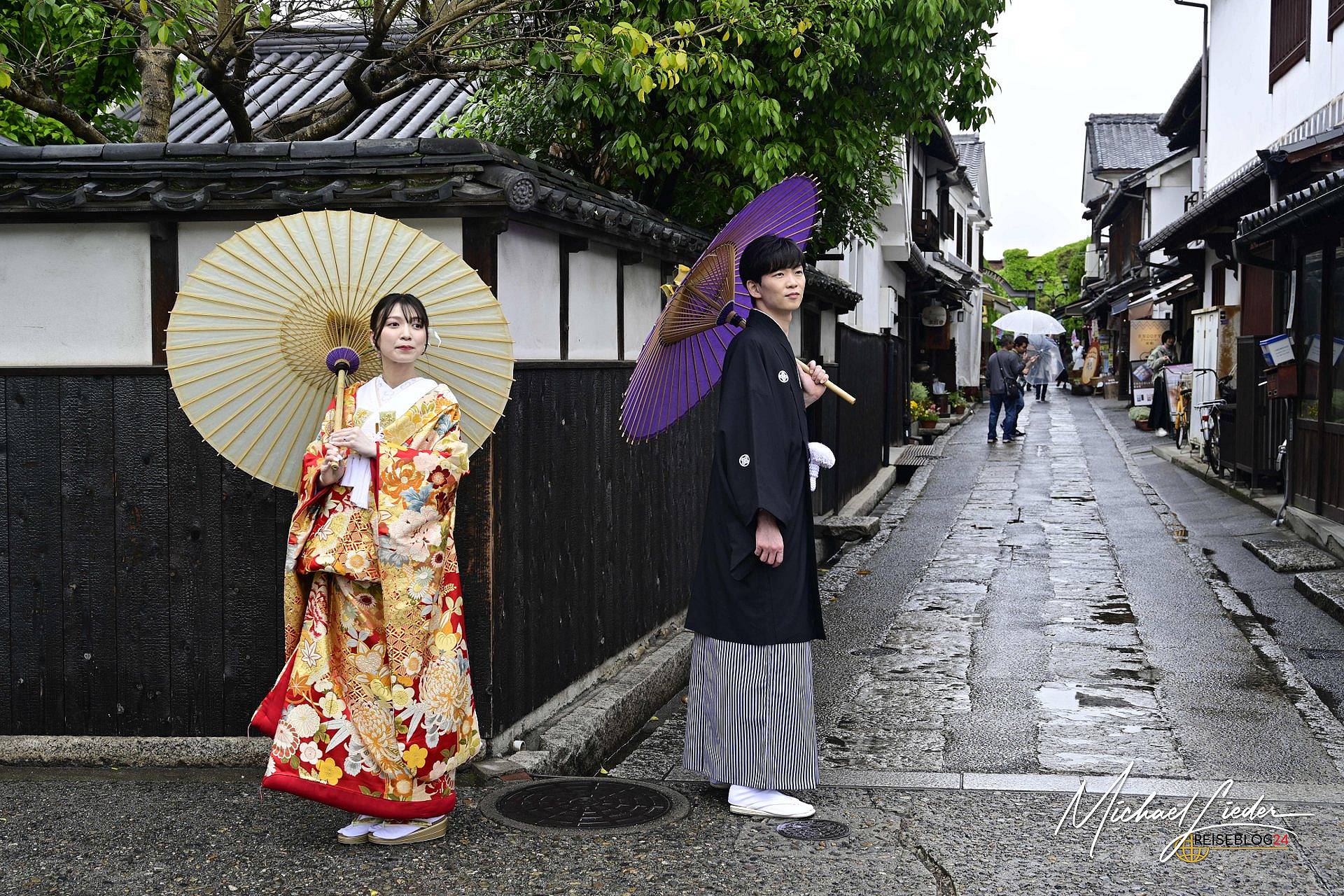
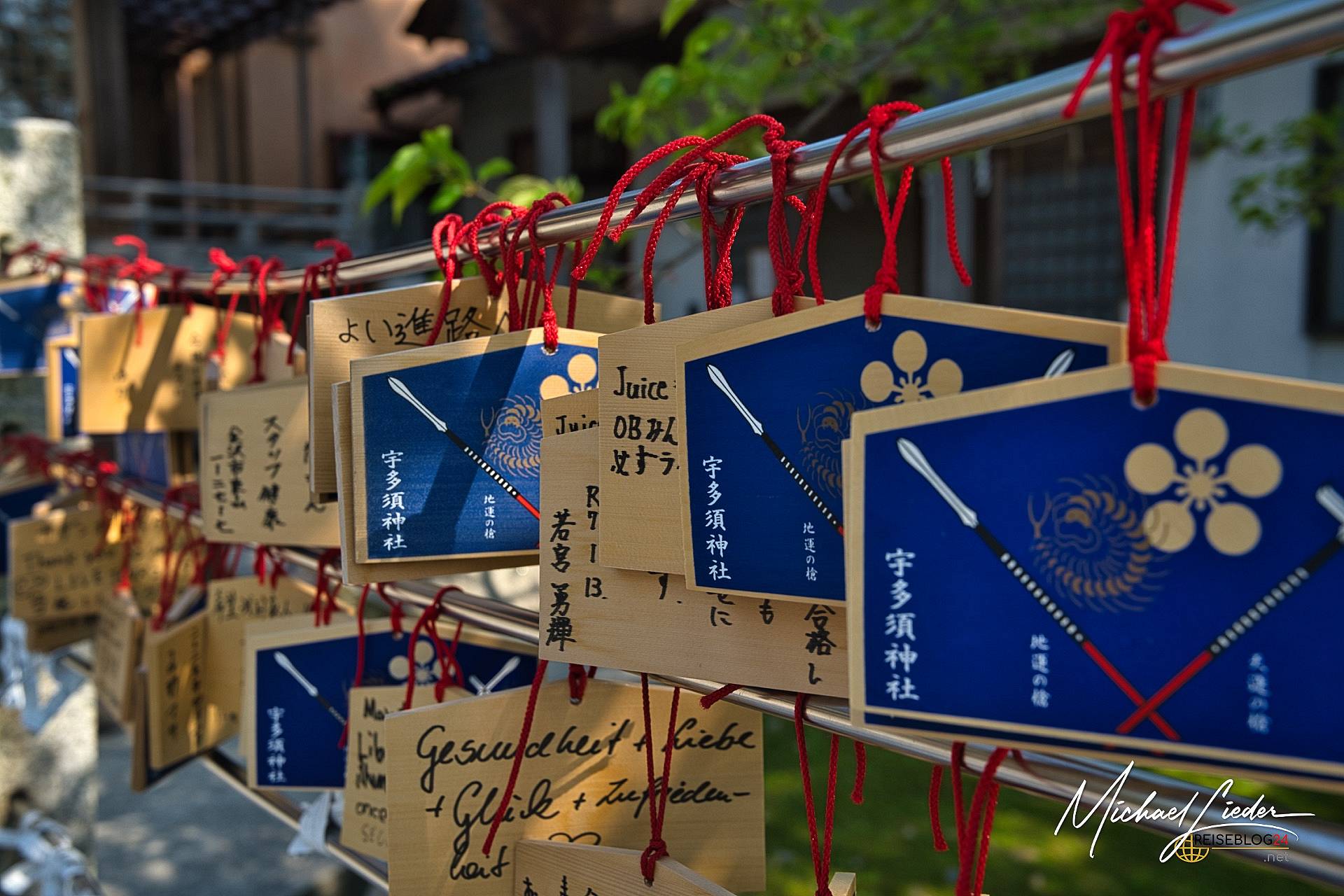
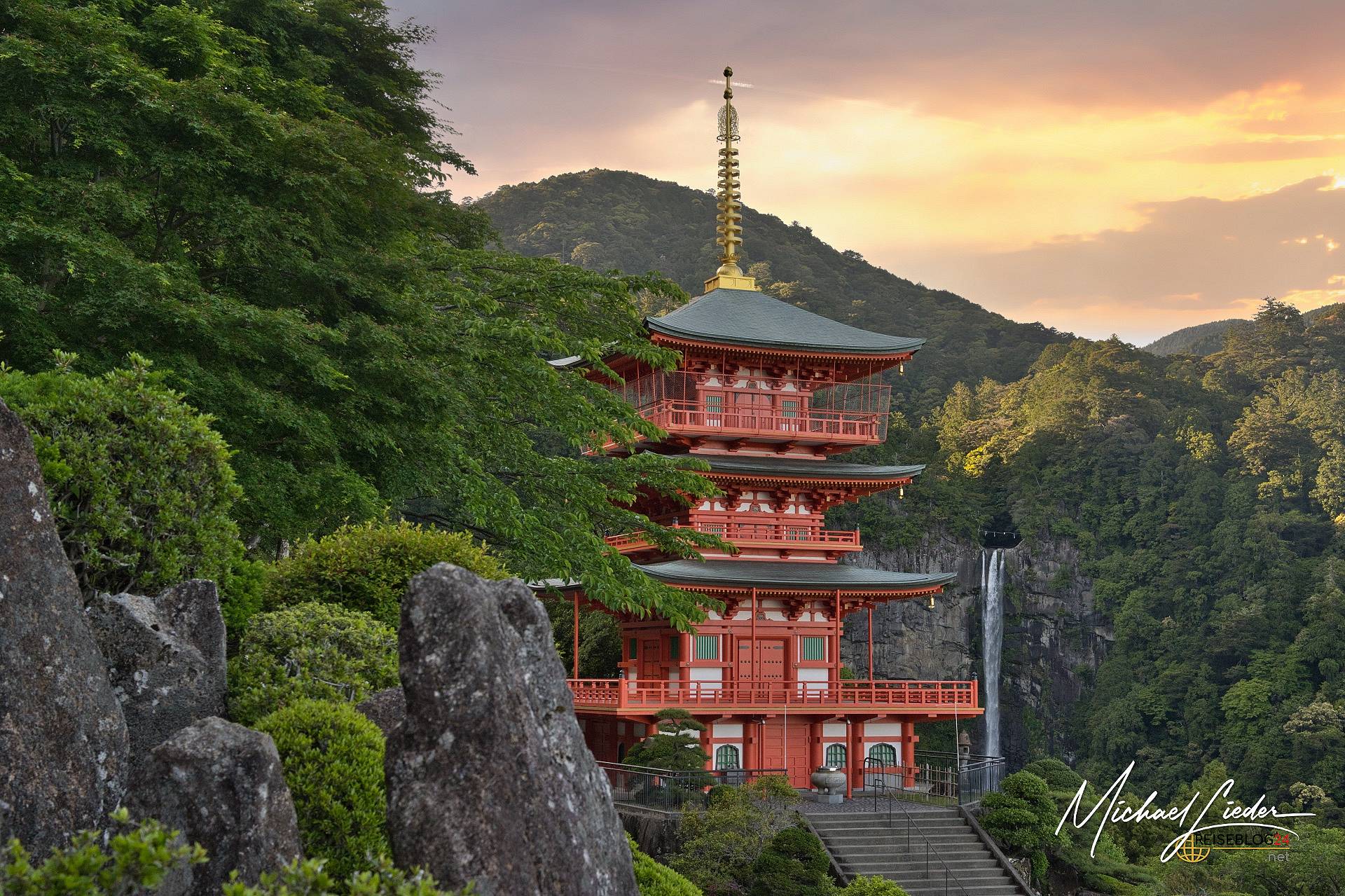
Japan in spring time
From April to June this time around, we were traveling through Japan – and I can happily say: it was a journey packed with unforgettable moments in the Land of the Rising Sun. In this blog, I don’t just want to share what we experienced on the ground, but also take you back into the preparation phase, which turned out to be a bit more extensive than usual this time.
For me, planning is one of the most beautiful parts of traveling – because the journey often begins long before takeoff. Whether everything actually goes according to plan is, of course, always an open question. But that uncertainty is exactly what makes traveling so exciting.
What Did We Experience in Japan?
The absolute highlights? Without a doubt, several traditional festivals we visited in Tokyo, Kyoto, and Nikko. These moments easily ranked among the most impressive experiences of the entire trip – colorful, loud, spiritual, chaotic, and deeply moving all at once.
How Did We Travel?
We were mainly on the road with a rental car, exploring Japan’s central, southern, and western regions. We consciously skipped the north to give ourselves more time elsewhere – a decision we didn’t regret for a second. Alongside driving, we also spent plenty of time walking and traveling by train, which turned out to be a wonderful way to experience Japan from very different perspectives.
Who Was With Me?
I took this journey together with my friend, Berlin-based photographer Roland Marske. And, as expected, we returned home with a beautiful collection of images – which I’m more than happy to share with you here.


I’m Beyond Excited to Have Taken You Along on reiseblog24.net – On My Big Spring Journey Through Japan! 🇯🇵
Just imagine it: avenues lined with pink cherry blossoms, mystical temples, steaming onsen (hot springs), moments of quiet reflection in Hiroshima and Nagasaki, and the pulsating energy of Tokyo – all of this (and so much more) I was lucky enough to experience. And you were right there with me, at least virtually.
These Were Some of the Highlights
Cherry Blossom Magic – I discovered some of the most beautiful hanami spots, including a few genuine hidden gems far away from the tourist crowds.
Culinary Adventures – From artistically arranged sushi to hearty street food on buzzing markets, everything was on the menu. Literally.
Tradition Meets Modernity – There’s probably nowhere else in the world where centuries-old temples and futuristic skyscrapers coexist so effortlessly.
Practical Tips – Shinkansen tickets, travel organization, onsen etiquette: I tested it all and documented it for you. You’re welcome.
Cultural Aha Moments – Somewhere between politeness rules, trying on a yukata, and quiet encounters, I gained a deeper insight into the Japanese soul.
Why Was It Worth Traveling Along?
Because I didn’t just share travel information – I shared personal experiences, small mishaps, big “wow!” moments, and touching encounters that made this journey truly unforgettable.
Were You There?
If so, you already know the magic. If not, feel free to stop by reiseblog24.net and let yourself be inspired. Who knows – maybe your next big journey will lead you to Japan as well. 🌸🗾


Eine Japanreise im Frühling ist ein Fest für die Sinne und die Seele. Die Mischung aus Natur, Kultur und moderner Technologie schafft unvergessliche Eindrücke. Wichtig ist eine gute Planung, um die Touristenmassen zu umgehen und die schönsten Seiten Japans in Ruhe zu genießen.
(P.S.: Ich freue mich über Kommentare, Fragen und Tipps – lasst uns zusammen reisen!)

Und jetzt das i-Tüpfelchen für alle Daheimgebliebenen:
Ab Herbst geht’s auch live weiter! Roland Marske, mit dem ich gemeinsam durch Japan gereist bin, bringt seine neue Multivisionsshow „Japan“ auf die Bühne. Wenn du seine bisherigen Vorträge kennst, weißt du: Das ist kein trockener Diavortrag, sondern großes Kopfkino mit Herz, Humor und Gänsehautmomenten.
🎥 Termine & Infos findest du hier:
👉 https://jules-verne-online.de
1) Japan plans “JESTA”: digital pre-travel authorization (from 2028)
Japan has advanced legislation to introduce an electronic travel authorization system (“JESTA”). For visa-exempt travelers, this would mean registering online before departure and receiving approval ahead of boarding. (Planned start: April 2028)
2) Kyoto raises accommodation tax from March 1, 2026 (luxury stays pay the most)
Kyoto has revised its per-person, per-night accommodation tax. The new tiered system scales with the nightly room price and can reach up to JPY 10,000 for high-end stays. If Kyoto is on your 2026 route, factor it into your lodging costs.
Source: Kyoto City Official Travel | Kyoto City (PDF)
3) Rail update: New/revised JR EAST passes from March 14, 2026 + ticket machine pickup from April
JR East is rolling out new and revised inbound rail passes from 14 Mar 2026, including coverage and price revisions. From 1 Apr 2026, some Japan Rail Pass reservations are also expected to be exchangeable/pickable at selected vending machines.
Source: JR East (PDF) | NAVITIME Guide
4) Sakura 2026: Official forecasts are updated frequently (timing matters)
Cherry blossom forecasts for 2026 are updated closely throughout March. For hanami planning, check the latest “first bloom” and “full bloom” updates right before departure because regional shifts can be significant.
Source: Japan Meteorological Corporation | JNTO
5) Travel safety: Japan remains very safe, but natural hazards drive disruptions
Overall safety conditions remain stable. The practical risk for travelers is mostly natural events (earthquakes, typhoons, volcanic activity) and related transport disruptions. Use live alert pages and official travel advice for current updates.
Source: Japan-Guide Alerts | Smartraveller


1. Politeness and Etiquette 🤝
Japanese people are incredibly polite – but many gestures and unwritten rules can feel unfamiliar to Europeans. Bowing is the standard greeting, shoes come off when entering homes (and many other places), and loud conversations on public transport are a definite no-go. Silence, it turns out, is a form of good manners.
2. Food Culture 🍣
From fish and rice for breakfast to bento boxes and perfectly crafted sushi – the food is different, but a true delight for food lovers. One surprise for Europeans: slurping your soup loudly is not rude at all. Quite the opposite – it’s considered a compliment to the chef. So yes, please slurp with confidence.
3. Language and Writing Systems 🈯
English isn’t spoken everywhere, especially outside major cities. Translation apps like Google Translate quickly become your best travel companions. Many signs are written only in Japanese, which can be confusing – but also turns everyday situations into small adventures.
4. Technology Meets Tradition 🏯🔋
Futuristic trains, high-tech toilets, and robot cafés exist right next to centuries-old shrines and temples. This contrast between ultra-modern life and deep-rooted tradition is fascinating – and one of the things that leaves European visitors constantly amazed.
5. Toilet Culture 🚽
Japanese toilets are an experience all on their own: heated seats, background music, automatic lids – often all at once. Confusing at first, mildly intimidating even, but by the end of the trip they might just become one of your favorite memories. 😄
🏙️ Osaka – My Gateway to Japan
I kick things off in Osaka. At Hotel Leola Tamatsukuri, I settle in and slowly tune my senses to Japan-mode. Before the road trip really gets going, I head to Koyasan – a world of its own. The temples, the silence, the atmosphere: it feels as if time has politely decided to take a break.
🏞️ Takayama, Shirakawa-go & Kanazawa – Alpine Magic and Gassho Houses
In Takayama, I wander through the charming old town, where every corner seems designed for slow strolling. From there, I continue on to the fairy-tale villages of Ogimachi, Suganuma, and Ainokura. The Gassho-zukuri houses look like they’ve slipped straight out of another century. In Kanazawa, I even meet a real geiko – a moment full of grace, history, and quiet awe.
❄️ Snow Monkeys & Mountain Scenery – Yamanouchi & Matsumoto
My journey takes me along the Tateyama Kurobe Alpine Route, where snow towers meters high beside the road. In Jigokudani Monkey Park, I watch the famous snow monkeys relaxing in hot water – living their best spa life. Then it’s on to Matsumoto, where I explore the iconic black castle that dominates the town.
🗻 Fuji Five Lakes & Hakone – Japan’s Icon Up Close
Around Mount Fuji, I’m treated to postcard-perfect scenery: the Chureito Pagoda with Fuji in the background, the Momiji Tunnel, the Tenku no Torii – simply wow. In Hakone, I unwind by Lake Ashi and enjoy the views from the ropeway, wondering if this is still real life.
🌀 Coastlines, Bridges & Spiritual Places – Ise, Wakayama & Himeji
I get up early to witness sunrise at the Meoto Iwa (the Wedded Rocks). From there, I drive along the coast to Kushimoto and the spectacular Hashiguiiwa rock formations. In Himeji, I admire the magnificent White Castle – and yes, it truly deserves its reputation as an architectural jewel.
🌉 Okayama, Shikoku & Hiroshima – Gardens, Fairy Tales & Floating Torii
In Okayama, I stroll through the serene Kōraku-en Garden. Crossing the Seto-Ōhashi Bridge takes me to the island of Shikoku. In the Iya Valley, I bravely step onto the rustic vine bridges (heart rate included). Later, Hiroshima greets me with all its history – Miyajima and the floating torii gate are a quiet, deeply moving highlight.
🔥 Onsen, Craters & Colonial Flair – Beppu, Aso & Nagasaki
In Beppu, I treat myself to an extended onsen session. Then I drive through the dramatic volcanic landscapes of Mount Aso before arriving in Nagasaki – a city full of stories, memories, and cultural diversity layered into every street.
🏯 A Finale with Heart – Kyoto, Nikko & Tokyo
In Kyoto, I lose myself among temples, gardens, and tiny tea houses. Nikkō impresses me with its ornate architecture. And then comes Tokyo – where life erupts at the sumo festival. I spend a night in a capsule hotel: futuristic, compact, and surprisingly comfortable. Japan, you’ve done it again.


Flight connections and stopovers
Direct Flights to Japan ✈️
From Germany, there are plenty of direct flights to Japan. The main destination airports are:
-
Tokyo (Narita & Haneda) – ideal for starting your adventure in the capital or heading off on a round trip.
-
Osaka (Kansai International Airport) – perfect for exploring Kyoto and the wider Kansai region.
-
Nagoya (Chubu Centrair Airport) – a great gateway to central Japan.
Direct flights from Germany depart from:
-
Frankfurt am Main – daily connections with Lufthansa, Japan Airlines (JAL), and All Nippon Airways (ANA).
-
Munich – also offers direct flights with Lufthansa and ANA.
-
Düsseldorf – occasional direct flights to Tokyo.
For budget-conscious travelers, airlines such as Finnair, Turkish Airlines, or Emirates offer attractive fares with one stop along the way. Slightly longer travel time, but often kinder to your wallet.
Flight Duration to Japan ⏱️
A direct flight from Germany to Japan takes approximately:
-
Tokyo: around 11–12 hours
-
Osaka: around 12 hours
-
Nagoya: around 12 hours
With stopovers, total travel time usually increases to 15–20 hours, depending on the route and waiting times. Enough time to question your life choices and watch far too many in-flight movies.
Arrival Time & How to Beat Jet Lag 🕒
Most flights to Japan depart Germany in the afternoon or evening and arrive the next day in the late morning or early afternoon (local time). This means:
-
You often gain an entire day in Japan – even if your body strongly disagrees at first.
-
The time difference is +7 to +8 hours, so your internal clock will need some convincing.
Tip: Try to sleep on the plane and, once you arrive, immediately adapt to Japanese daytime routines. Stay awake, get some fresh air, and resist the urge to nap at 3 p.m. Your future self will thank you.

Travel map - Japan in springtime

Japan im Frühling

Osaka

Takayama

Ishikawa

Yamanouchi

Matsumoto

Yamanashi

Kanagawa

Mie

Wakayama

Hyogo

Okayama

Tokushima

Hiroshima

Oita

Kumamoto

Nagasaki

Kyoto

Tokyo

Nikkō, Tochigi

Preparing for your trip to Japan – Everything you need to know!
Eine Reise nach Japan ist ein Abenteuer voller Kultur, Tradition und moderner Technik. Damit dein Trip reibungslos verläuft, habe ich hier eine Checkliste mit allen wichtigen Punkten und Hinweisen zusammengestellt:


Travel documents and visa
Entry Requirements for Japan 🛂
-
Passport: Your passport must be valid for the entire duration of your stay. Travelers from Germany, Austria, and Switzerland do not need a visa for tourist stays of up to 90 days.
-
Entry Registration (Visit Japan Web): Register in advance on the Visit Japan Web platform to simplify immigration procedures, customs declarations, and health checks. Less paperwork, more time for Japan.
-
Copies of Important Documents: Scan your passport, flight tickets, and insurance documents and store them digitally. Keeping printed copies in your luggage is also a smart move – just in case Japan decides to test your organizational skills.


Finance and money
Money & Payments in Japan 💴
-
Currency: Japan uses the yen (JPY). Credit cards are becoming more widely accepted, but cash is still essential in rural areas and in smaller restaurants. When in doubt, cash is king – quietly and politely, of course.
-
ATMs: Use ATMs at 7-Eleven stores or post offices. International cards work reliably there, saving you from awkward “why isn’t this working?” moments.
-
Check Exchange Rates: Compare rates before you travel. Having a small amount of cash upon arrival is always helpful – especially when your first mission is food.
-
Prepaid IC Cards (Suica / Pasmo): These cards are incredibly convenient for subways and buses, and they even work for purchases in convenience stores. Once you have one, you’ll wonder how you ever traveled without it.


Local transport
-
Japan Rail Pass: Great in theory – but really only worth it for longer Shinkansen journeys. It must be purchased before entering Japan, and is available for 7 to 21 days. Do the math carefully: the pass has become significantly more expensive in 2025, and for many itineraries it no longer pays off automatically.
-
Public Transport Apps: Use apps like Suica or Japan Transit Planner to plan train and bus connections. My tip: download and set up the Suica app on your iPhone before you leave home. It doesn’t get much easier than that when you’re on the move.
-
Taxi & Uber: Taxis are expensive but extremely reliable. Uber exists mainly in major cities and is usually even more expensive than regular taxis. A nice twist, though: the Uber app also lets you book standard taxis. I used that option several times and was pleasantly surprised by how well it worked.


Accommodation & Overnight Stay Tips
-
Hotels & Ryokans (traditional inns): Book early – especially during cherry blossom season (March–April) and Golden Week (late April to early May). Spontaneity is great, but not when every room in the city is already taken.
-
Capsule Hotels: An affordable and surprisingly fascinating option for solo travelers. Compact, futuristic, and far more comfortable than they look – once you get over the idea of sleeping in a very stylish drawer.
-
Airbnb & Guesthouses: A budget-friendly alternative to hotels, particularly in major cities. Great for more space, local vibes, and the occasional feeling of actually living in Japan rather than just visiting it.

Cultural Nuances & Etiquette in Japan
-
Shoes Off: When entering homes, temples, and some restaurants, taking off your shoes is mandatory. Pro tip: bring socks without holes. Yes, people will notice. 😄
-
Behavior on Trains: Keep it quiet – phone calls on trains are a big no-no. Trains are for silent scrolling, subtle people-watching, or mastering the art of sleeping upright.
-
Tipping? Nope. Tipping is uncommon in Japan and can even be seen as rude. Great service is simply part of the deal – no extra math, no awkward moments.
-
Onsen (Hot Springs): Wash thoroughly before entering the bath. Tattoos often need to be covered, as they are traditionally associated with the Yakuza. Rules may vary, but cleanliness is non-negotiable.

Communication and language
-
Basic Japanese Phrases: A few simple words go a long way. “Arigatō” (thank you) and “Sumimasen” (excuse me / sorry) will earn you smiles almost everywhere. Effort counts – pronunciation perfection does not.
-
Translation Apps: Google Translate, especially with the camera function, is incredibly helpful for menus, signs, and those mysterious buttons you probably shouldn’t press blindly.
-
Wi-Fi & SIM Cards: Rent a pocket Wi-Fi router or buy a local SIM card for mobile internet. While many cities offer free hotspots, having your own connection saves time, nerves, and unnecessary wandering in search of signal.

Food and drinks
-
Try the Local Specialties: Ramen, sushi, okonomiyaki (Japanese savory pancakes), and mochi – food in Japan is an adventure all on its own. Come hungry, leave happy, repeat daily.
-
Drinking Water: Tap water in Japan is safe and perfectly drinkable. Your reusable bottle will feel very welcome here.
-
Vegetarian / Vegan?: Japan is still very meat- and fish-focused. Apps like HappyCow are extremely helpful when searching for vegetarian or vegan-friendly restaurants – unless you enjoy culinary roulette.

Health and safety
-
Travel Insurance: International health insurance is essential – medical treatment in Japan can be expensive, and peace of mind is worth every cent.
-
Emergency Numbers:
-
Police: 110
-
Ambulance / Fire Department: 119
-
-
Hygiene Items: Hand sanitizer and tissues are very useful, as many public restrooms don’t provide soap or paper. A small hygiene kit can save the day – and your nerves.

Packing list – What do you need to take with you?
-
Comfortable Shoes: Absolutely essential for long walks through temple grounds, gardens, and cities that seem to go on forever (in the best possible way).
-
Umbrella / Rain Jacket: Spring weather can be unpredictable, especially in May. A compact umbrella will quickly become your quiet hero.
-
Medication: Many European medicines are hard to find in Japan. Bring everything important with you and keep the package leaflets – just in case explanations are needed.
-
Travel Guides & Apps: Lonely Planet or digital travel guides with offline maps and tips are incredibly useful when mobile signal drops or batteries decide to protest.
Conclusion: Good planning is half the battle! Japan offers a fascinating blend of tradition and modernity. With this checklist, you will be well prepared and can relax and enjoy your adventure.
What makes Japan so unique? – A journey to a country full of contrasts and traditions
Japan is a country that blends modernity and tradition in a truly fascinating way. From vibrant metropolises like Tokyo that never seem to sleep, to the quiet temple grounds of Kyoto that invite deep reflection – Japan captivates with its incredible diversity. But what is it that makes this country so special?
Maybe it’s the world-famous cherry blossoms that transform cities and parks into seas of pink every spring, enchanting millions of visitors. Or the centuries-old tea ceremony, still practiced today with reverence and quiet precision. Perhaps it’s the culinary perfection – from fresh sushi and hearty bowls of ramen to beautifully arranged bento boxes that almost feel too pretty to eat. Almost.
Japan is a land of contrasts. Cutting-edge technology meets ancient traditions, and futuristic skyscrapers rise just steps away from historic shrines. At the same time, the country’s breathtaking nature – from majestic mountains like Mount Fuji to the tropical beaches of Okinawa – offers remarkable variety for both adventure seekers and those simply looking to unwind.
In this blog, I take you along on my personal journey of discovery through Japan. We’ll dive into the culture, explore fascinating places, and uncover why this country is a dream destination for so many travelers. Let yourself be inspired – and who knows, maybe by the end you’ll feel that unmistakable pull of wanderlust toward Nippon yourself.