Long-haul flights
With a little planning, a little research – and a willingness not to put up with everything – you can get an amazing amount of comfort. You just have to know where to start.
For me, flying is still something special. I love flying. Not just because of the take-off, but because of everything that goes with it: the slightly overexcited faces at the gate, the first coffee far too early in the morning, that collective ‘here we go’ feeling at the airport. For me, the journey doesn't begin at the destination – it begins before boarding.
For me, arrival and departure are just as much a part of travelling as the first street food stall or the smell of the sea. For me, comfortable travel does not mean isolation, but conscious movement. That's why I'm not the type to hide away in one of those padded first or business class caves, draw the curtain and pretend I'm not on the plane at all. I want to be aware of what's going on. I want to travel, not teleport.
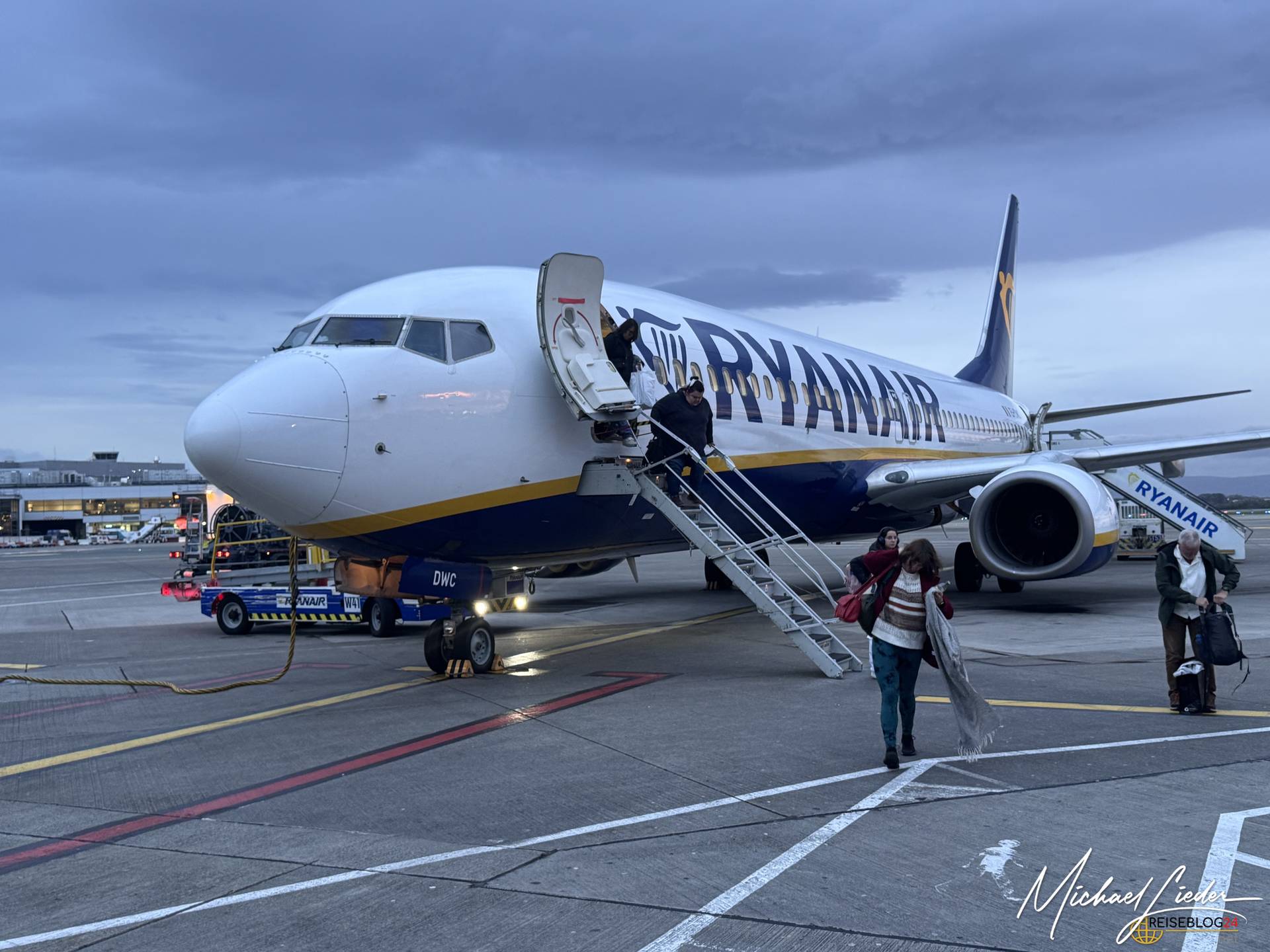
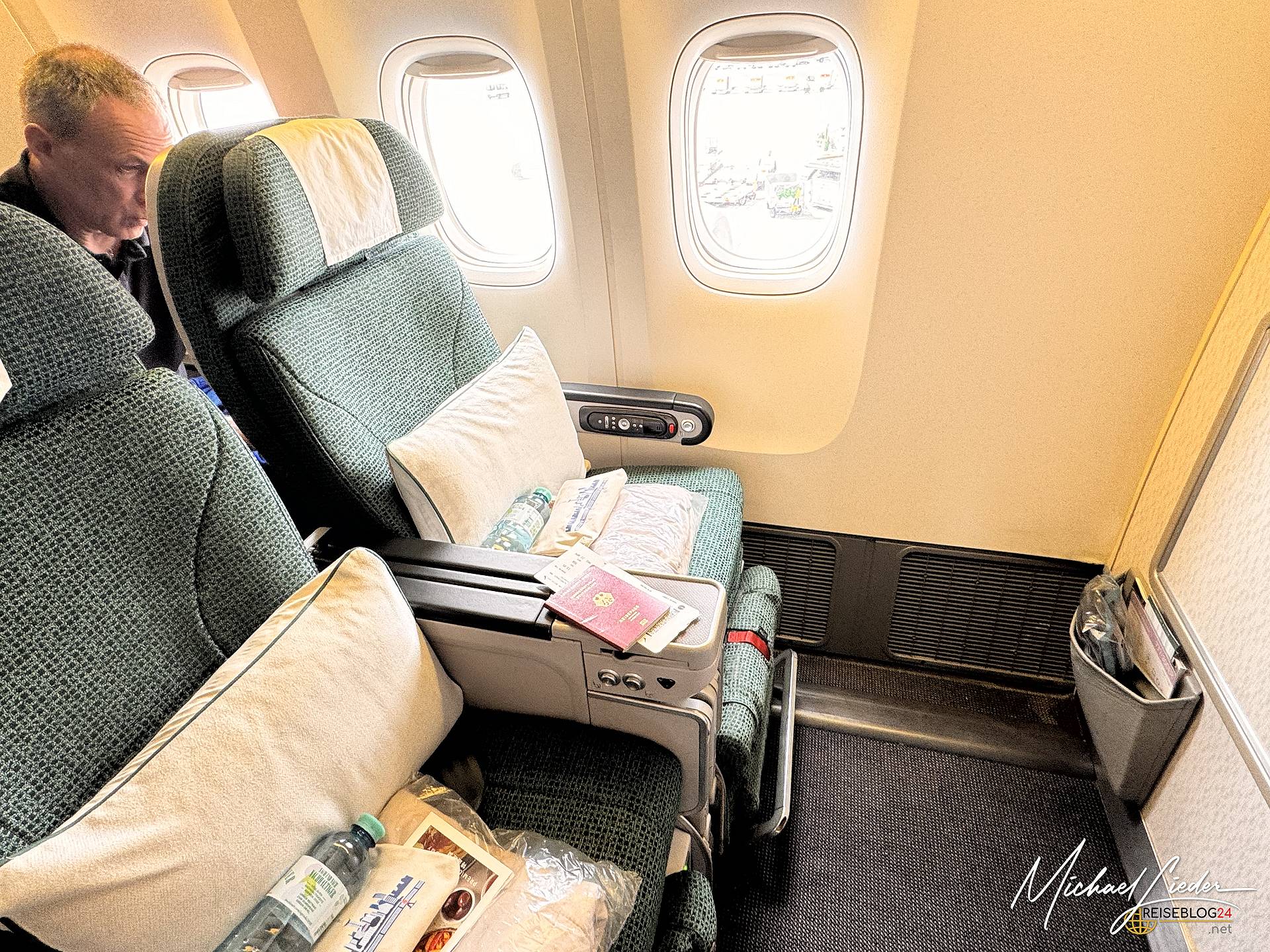
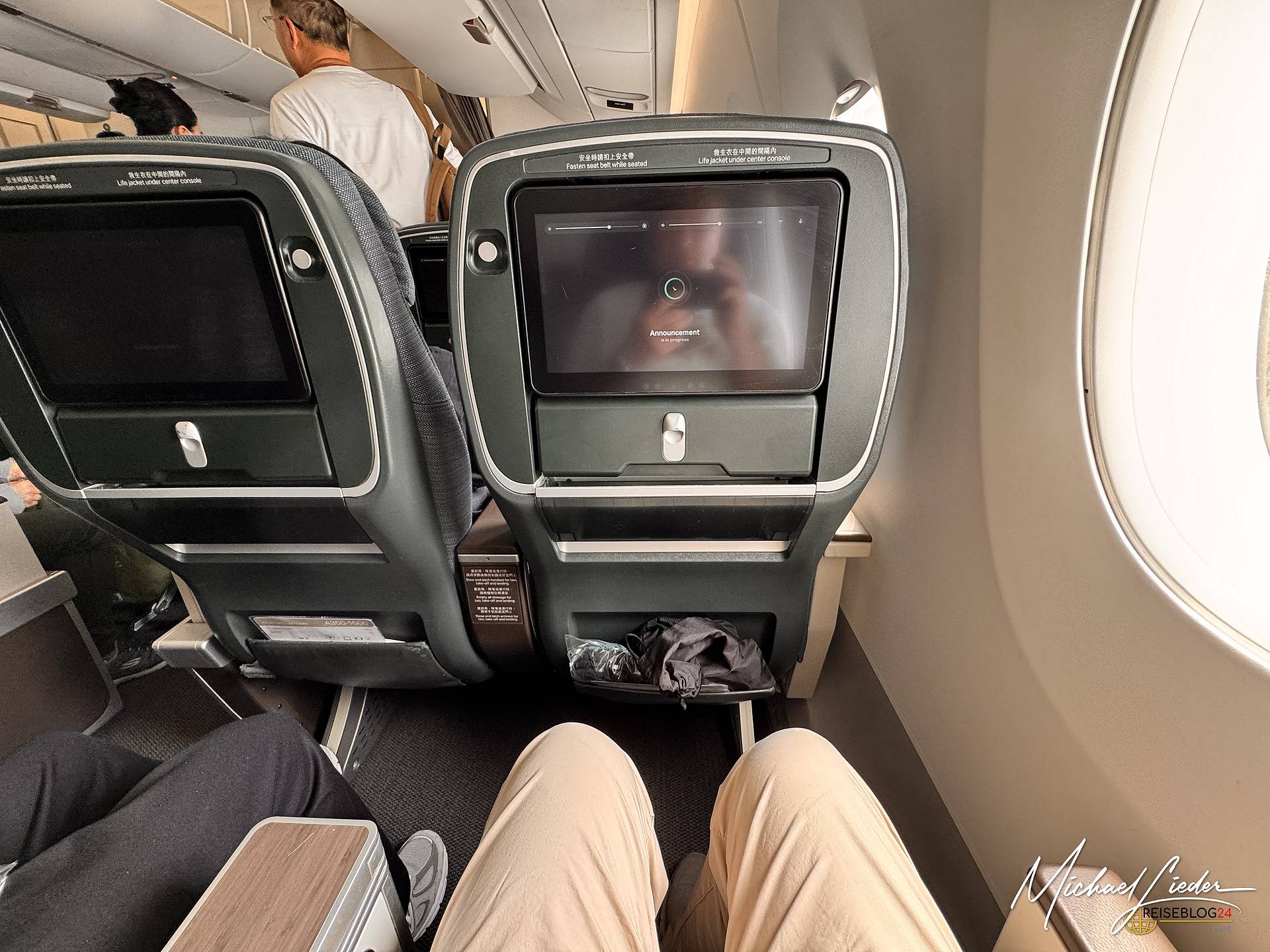
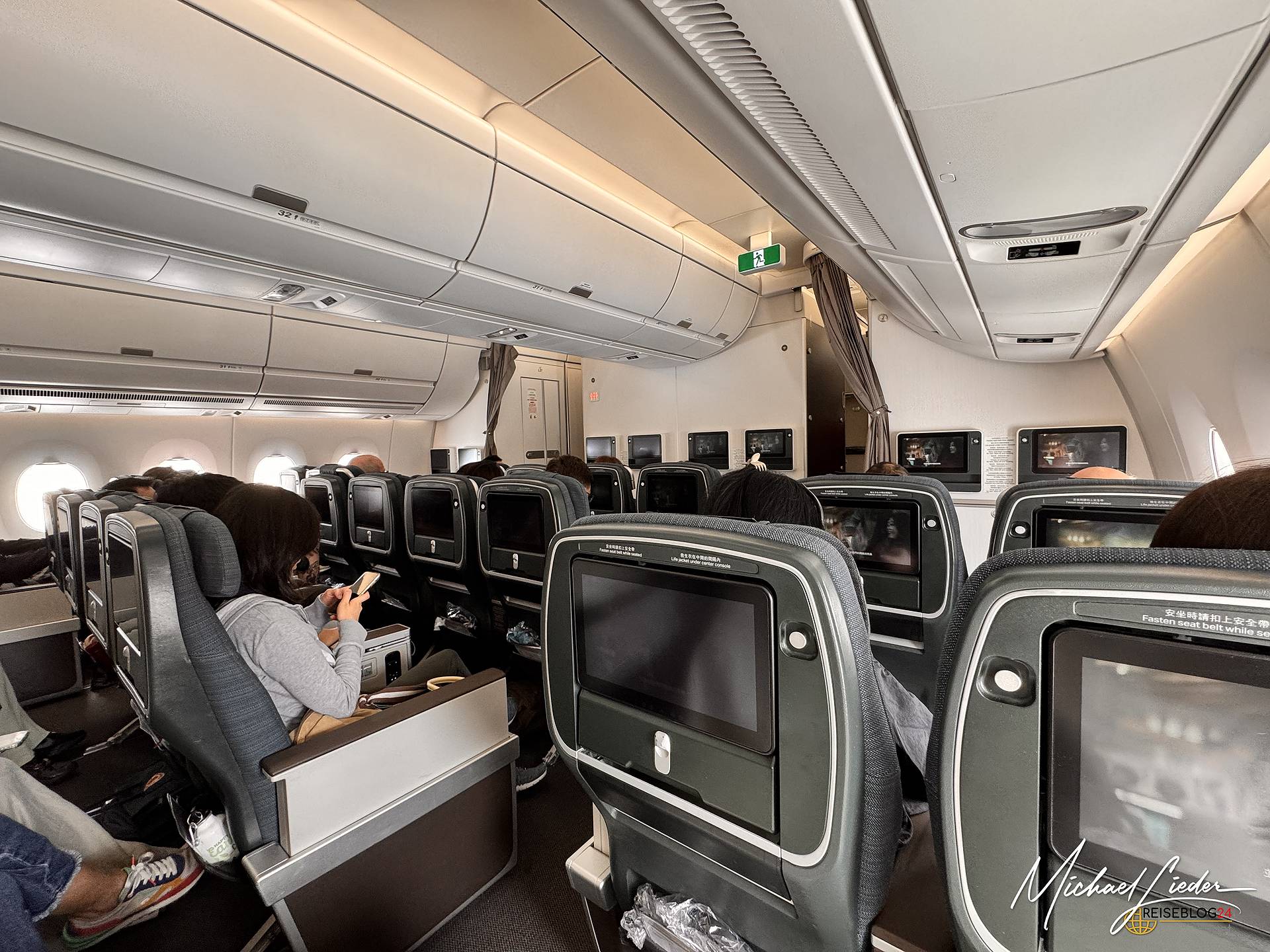
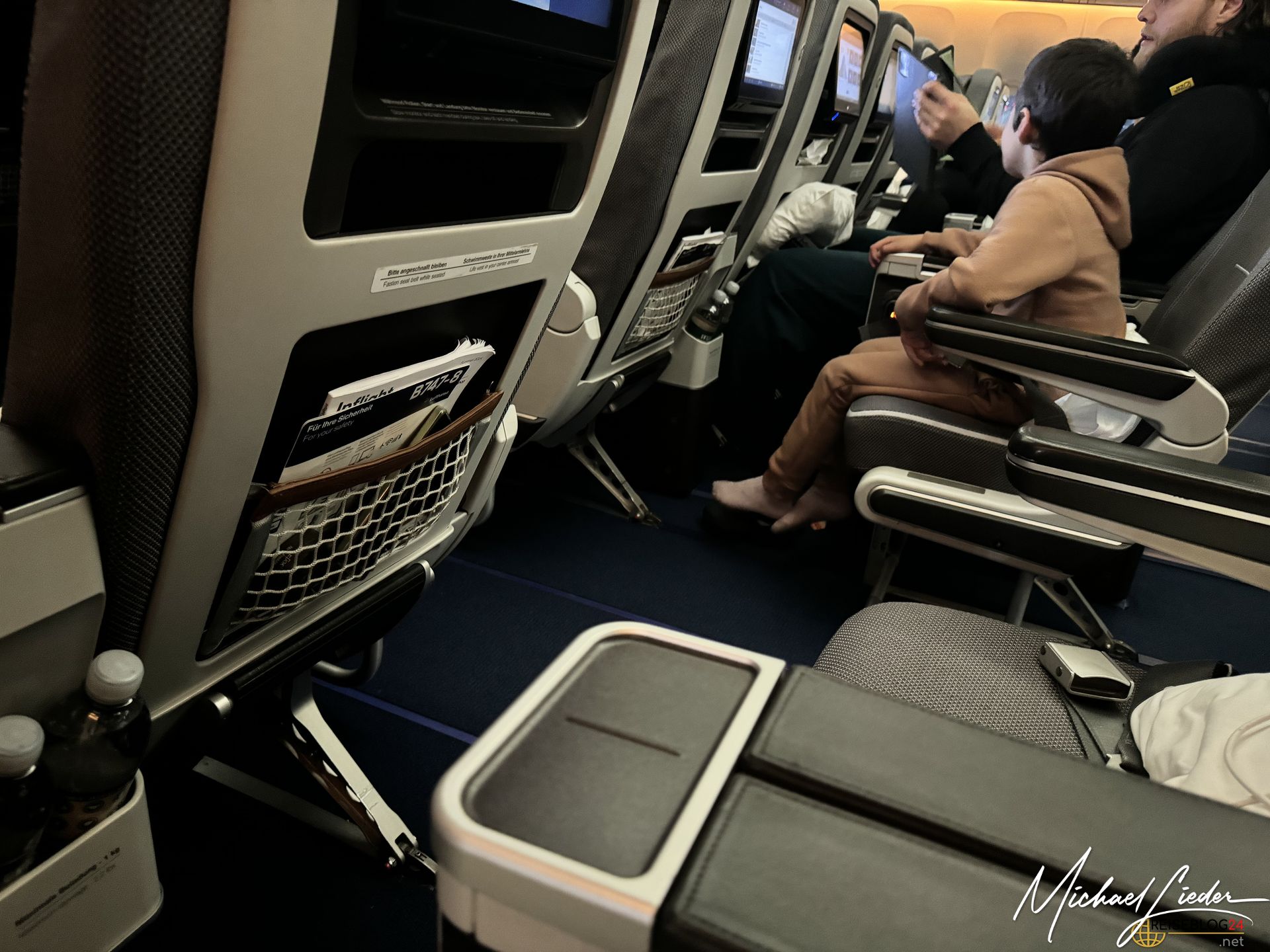
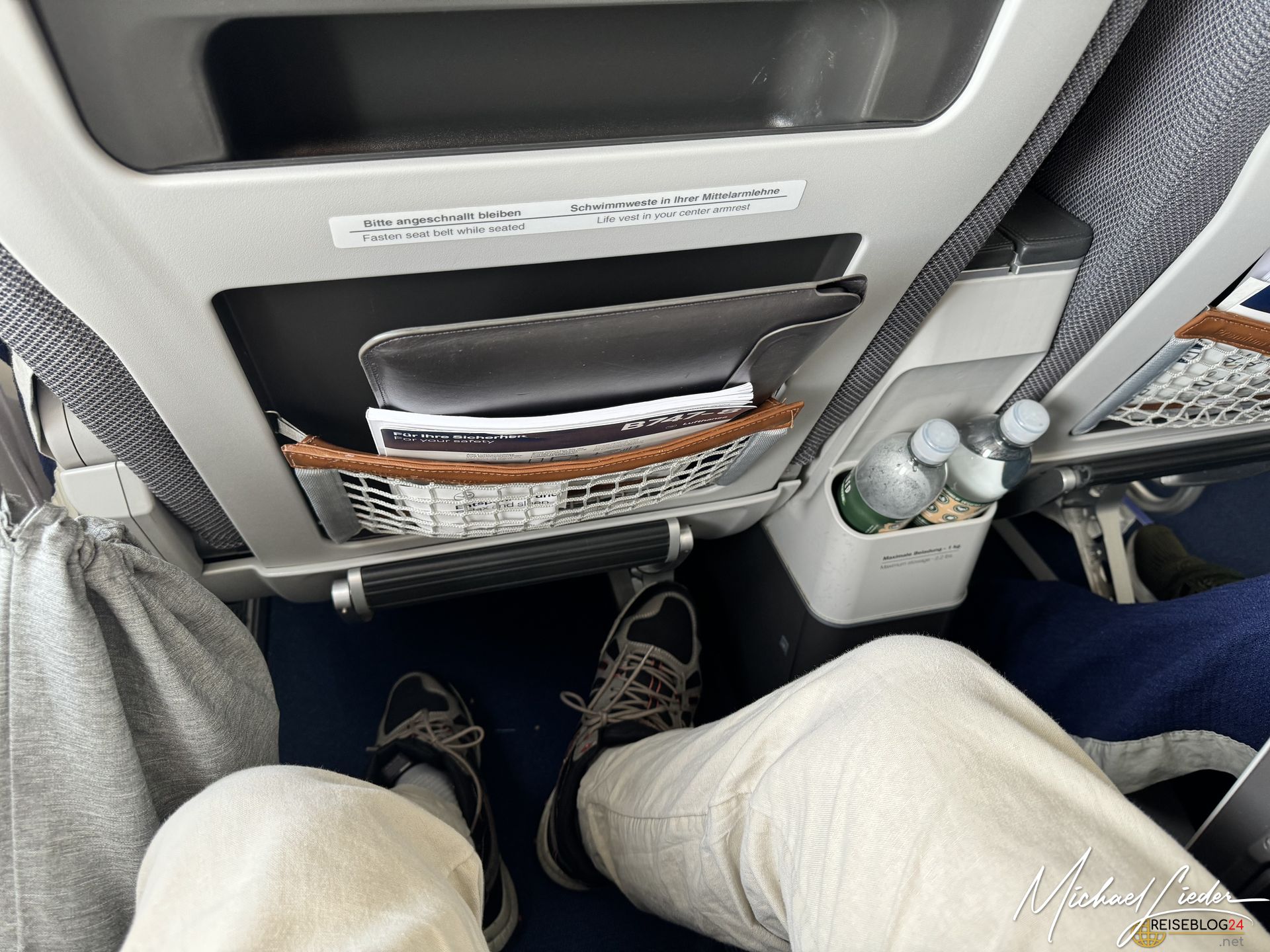
My sweet spot is usually premium economy – or, if that's not available, a cleverly chosen economy seat with a little more legroom. Often, this only costs a few pounds extra, but it saves nerves, back pain and bad moods. And yes, this even works with airlines where you wouldn't necessarily expect it – even Ryanair.
The trick is simple: take seat selection seriously, compare fares, don't leave comfort on board to chance. If you invest a few minutes, you'll end up travelling much more relaxed – and won't arrive at the other end of the world completely creased.
Long-haul flights don't have to be a necessary evil. They can be part of the adventure.
You just have to give them a chance. And yourself too.

The flight, every airline is different...
Over the years, I’ve tried just about every travel class airlines around the world have to offer—except First Class. And yes, there are those flights where, while still taxiing to the runway, you already think: This will not happen to me again.
One of those was a flight from Stuttgart to the Canary Islands with Condor. The outbound journey felt less like the start of a holiday and more like an involuntary test run in modern space compression. The aircraft was old, worn out, and so tightly packed that it felt more like a cage than an airplane. The knees of the passenger behind me drilled reliably into my lower back, while I, in return, was probably slowly but permanently traumatizing the seat in front of me. A silent pact of suffering, lasting several hours.
At 181 cm, I’m really not a giant. But relaxed sitting? Not a chance. Reclining position? Forget it. The food and service didn’t help either—quite the opposite, actually. That quiet tingle that usually marks the beginning of a vacation never showed up. Instead, one thought kept looping in my head: If this is how it starts, how is this supposed to end?
So my review—both on the blog and in the official feedback—was refreshingly honest. Not out of spite, but out of conviction. Fair criticism belongs where it’s deserved. Full stop.
And Then Came the Return Flight
And suddenly, everything was different.
A clean aircraft. Not brand new, but miles away from “worn to death.” Enough space, decent food, friendly service. No luxury—but exactly what you hope for: solid, respectful, pleasant. In short: how flying should feel.
The real aha moment came before takeoff. A flight attendant walked straight up to my seat, looked at me, and asked kindly:
“Mr. Lieder, is everything to your satisfaction this time?”
In that moment, I knew two things. First: they actually read feedback. And second: you’re apparently not completely anonymous in the system. My two seat neighbors looked at me as if I’d secretly earned some kind of frequent-flyer nobility and murmured, “You must fly quite a lot…”
Yes. And that’s exactly why I write about it.
Because experiences like this show that flying isn’t just a matter of luck—it also depends on how seriously airlines take their passengers. And how seriously you yourself take traveling.


How ‘close your eyes’ finally becomes ‘away’

I’ve Tried. Honestly.
I’ve tried often enough. Really.
Aisle seat, middle seat, “it’ll be fine” optimism—everything tested, everything regretted. Sleeping on a plane is a discipline somewhere between yoga, Tetris, and quiet self-sacrifice. But there are seats that make it especially difficult.
The Aisle Seat: Front-Row to Restlessness
Take the aisle seat. Sounds practical at first. More freedom of movement, quick exit, close to the action. In reality, it means I become a nighttime climbing aid for seatmates with active bladder management, get brushed by backpacks in half-sleep, and flinch every time an elbow, a coat, or a drinks trolley passes by. Deep sleep? More like rhythmic waking every two hours.
The Middle Seat: Surrender in Cushion Form
The middle seat is even more brutal. Wedged between two complete strangers and their life stories, both armrests fiercely contested, shoulders locked in permanent tension. Falling asleep feels like surrender—and usually ends with waking up at some point, head tilted, arm numb, wondering how exactly you ended up here.
The Window Seat: My Quiet Ally
The window seat, on the other hand… that one’s my silent ally.
Something almost magical happens here. No one has to climb over me. No accidental bumps. No midnight requests to move. I have a wall. A real one. Something to lean against. And suddenly, the seat feels less like furniture and more like a retreat.
At the window, I build my little sleep nest. Neck pillow, hood pulled low over my face, a scarf for extra padding—a setup that looks like I’m preparing for hibernation. But it works. Most of the time, at least. And when I wake up, it’s not because someone needs to pass by, but because somewhere above the clouds, morning is slowly beginning.
I’m not claiming you sleep perfectly at the window. That would be a lie. But the odds are noticeably better. And on long-haul flights, it’s rarely about perfection—it’s about damage control.
So yes: if I have the choice, I take the window seat. Not for the view—I usually only see that during takeoff anyway. But because it gives me at least the illusion of calm. And sometimes, that’s exactly enough to step off the plane not completely wrinkled.

I Used to Think Seat Selection Was Frequent-Flyer Voodoo
For a long time, I thought choosing a seat was some kind of frequent-flyer voodoo. Nice to know, maybe—but in the end, you still land somewhere between hope and a seatback.
Spoiler: not true. The right seat makes a huge difference—especially if you want more from a flight than lying awake, contemplating your life choices.
Many airlines now show you pretty clearly which seats are considered comfortable and which are better described as a social experiment. That information is pure gold. Because there are zones on a plane where sleep is more of a theoretical concept than a realistic option.
The Toilet Zone: Where Sleep Goes to Die
Seats right next to the lavatories, for example. Sounds harmless. It’s not. There’s constant foot traffic, queues full of people eager to chat, and doors opening and closing every five minutes—or at least it feels that way. Even if you do manage to fall asleep, you’ll be woken up sooner or later—usually by someone nervously shifting their weight right next to your seat.
Front Rows: Looks Good, Sounds Bad
The front rows are tricky too. They look appealing at first glance, but often turn out to be the acoustic center of the aircraft. This is where things are prepared, cleared away, discussed, and clattered. On top of that, in some aircraft the seatbacks in these rows don’t recline—or only minimally. Falling asleep with a perfectly upright spine is then a challenge best suited for very ambitious individuals.
Choosing on Purpose (Not Perfection)
I’ve gotten into the habit of choosing my seat consciously. Not obsessively—but deliberately. A few extra clicks during booking, a quick look at the seat map, and your chances increase significantly of ending up somewhere you can actually relax.
Because in the end, it’s not about luxury. It’s about giving your body a fair starting position. And that often doesn’t begin with a blanket or a neck pillow, but with a very simple question:
Where do you really want to sit for the next ten hours?

If You Really Want to Sleep on a Plane
If you genuinely want to sleep on a plane, don’t rely on spontaneous inspiration or the hope that “this time it’ll be different.”
Spoiler: it won’t. Sleeping above the clouds works best with your own gear—and with the quiet acceptance that comfort up there has to be actively earned.
A good sleep mask and decent earplugs make the biggest difference. Really. They’re the dividing wall between you and the nightly reality of reading lights, rustling snacks, and conversations that absolutely could have waited. Ever since I started using a proper sleep mask, I honestly don’t care anymore if the person next to me thinks 3 a.m. is the perfect time to read.
Neck Pillows, Faith & Survival
Neck pillows are a matter of belief. Not every model works for every human, but going without any support is usually worse. I take a pragmatic approach: better a halfway functional pillow than waking up feeling like my neck has completed its own long-haul journey.
A sweater is also part of my basic kit. As extra padding, as a blanket, or simply as protection against that air-conditioned cabin chill that eventually gets everyone. None of this is luxury—but it noticeably raises the comfort level and makes the night on board far more bearable.
My Small Bag of Sanity
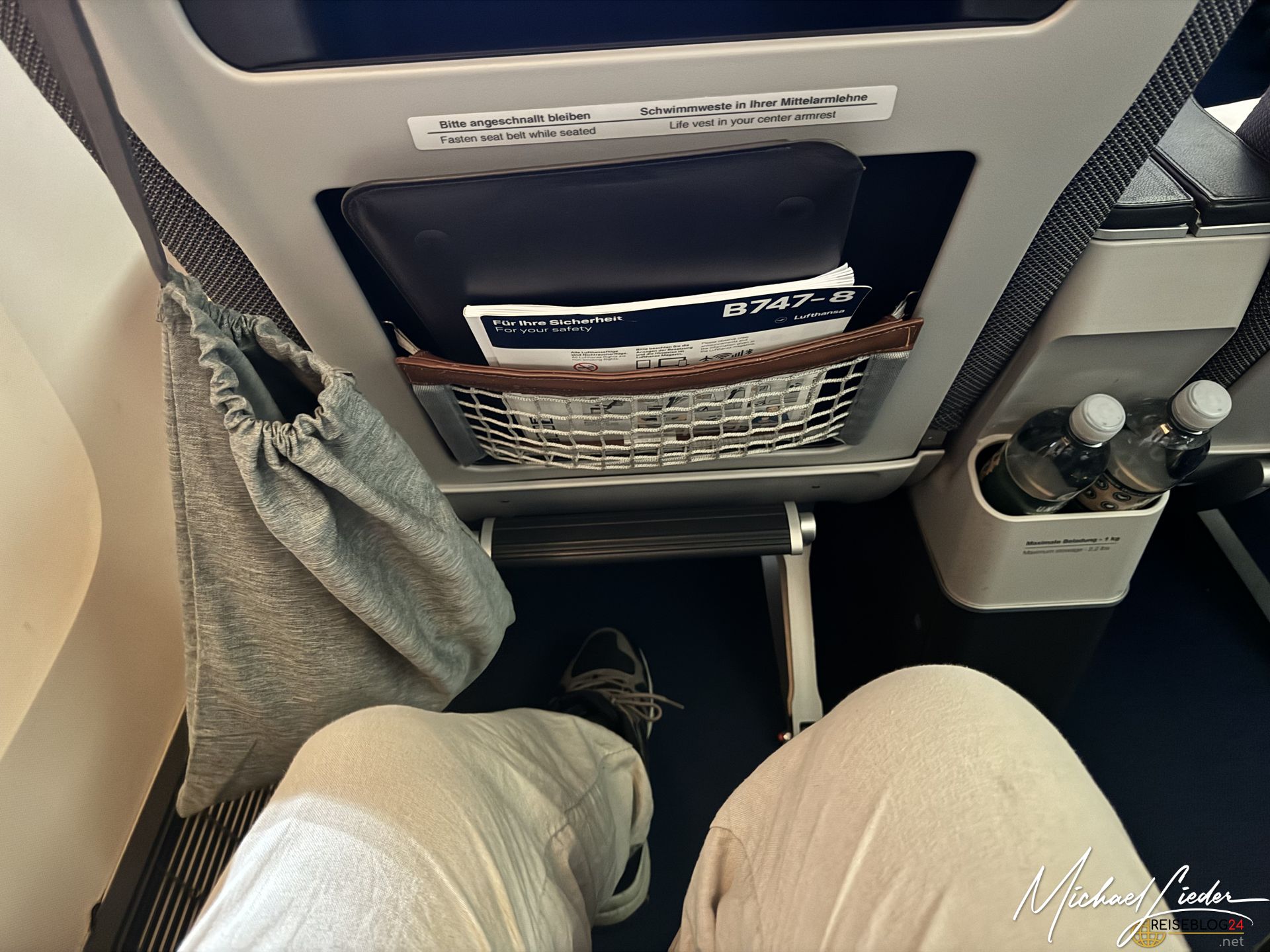
That’s why I always carry a small fabric pouch in my hand luggage. Not a fancy organizer—more like my personal in-flight ritual. It hangs from the seat in front of me and contains, meticulously, on every trip, without exception, my essentials:
-
Sleep mask (the good one, 3D—anything else is self-deception)
-
USB cable, 2 meters long (because outlets are never where you need them)
-
Small travel adapter for 220V
-
My AirPods
-
3–4 wet wipes (you never know exactly why—but you will need them)
-
Inflatable neck pillow
Does it look a bit nerdy? Maybe.
Does it work? Absolutely.
Because in the end, it’s not about sleeping perfectly on a plane. It’s about improving the conditions enough that you don’t arrive completely crumpled, overtired, and slightly irritable. And sometimes, all it takes is a small pouch—and the realization that preparation isn’t being uptight, it’s self-preservation.

Comfort Beats Style. Every Time.
At some point, I realized this: tight jeans, stiff blouses, or a belt are not a style statement on long-haul flights—they’re a very predictable mistake. If you want to sleep on a plane—or at least avoid constantly getting in your own way—you need one thing above all else: freedom of movement. Comfortable, loose clothing makes a massive difference. Leggings, joggers, or pants with a soft waistband work far better than any “I still look polished at the gate” outfit. A few hours above the clouds, it really doesn’t matter how fashionable you look. What matters is that nothing pinches, cuts in, or constantly reminds you that you’re sitting.
A soft sweater is non-negotiable for me as well. Cabins cool down faster than you expect—and being cold is the guaranteed death of any attempt at sleep. Staying warm doesn’t just make sleeping easier, it makes everything feel more relaxed.
I’ve even gone one step further and dedicated a pair of sneakers solely to flying: slip-ons from Skechers. No laces, no contortions in the seat, no balancing act between armrest and seat in front. In, out, done. It sounds trivial—but it’s pure gold when you have to get up at night or don’t want to look like you’re mid-yoga warm-up at security.
When it comes to pants, I’m fully committed to elastic waistbands. No belt means sitting more comfortably, no pressure points—and, as a bonus, a much smoother experience at security. Plus, nothing digs in. And on a long-haul flight, that’s an argument you really shouldn’t underestimate. 😉
In the end, the rule is simple: comfort beats looks. Always.
A flight isn’t a runway—it’s a transition. And if you make that transition as comfortable as possible, you don’t just arrive more relaxed—you already feel like you’ve done something kind for yourself along the way.

The Drink Trolley Is a Trap
On long flights, the temptation is real. The drinks cart rolls by, glasses clink invitingly, and suddenly a sweet cocktail, a glass of sparkling wine, or at least a cola feels like a perfectly reasonable choice. Maybe a coffee or a black tea after the meal too—it’s all part of the ritual. Or so I thought for a long time.
For sleeping on a plane, though, it’s pretty counterproductive. Alcohol, sugar, and caffeine all push your system into overdrive, make sleep restless, and dry your body out even more. And as if that weren’t enough, their effects tend to last much longer in the dry cabin air than they do on the ground. What feels like a harmless drink at sea level often comes back to haunt you above the clouds—with a racing heart, dry mouth, and a night that’s more dozing than actual sleep.
Choosing Boring on Purpose
So I’ve made a habit of deliberately hitting the brakes on the fun while on board. Water—still or with very little carbonation—is my default. Sometimes a mild herbal tea, if it’s available. Sounds boring, works wonders. Anything that keeps me awake or gives my body extra work, I skip. Not out of discipline, but out of experience.
Of course, this won’t magically turn an economy seat into a business-class bed or guarantee perfect sleep. But it does noticeably increase the chances of getting a few uninterrupted hours of rest. And honestly? The cocktail tastes better at your destination anyway—preferably outdoors, with solid ground under your feet and no seatbelt in sight.
Real sleep on board is possible.
It only requires one thing: that you take it seriously. ✈️


What is Premium Economy Class – and is it really worth it?
...or, the seat that says:
‘I can do comfort’ without breaking the bank.
Premium Economy: The Sensible Middle Ground
Premium Economy is that wonderfully reasonable middle world between Economy (knees in your chin) and Business (lie-flat bed & champagne smile). You’re no longer stacked like Tetris blocks in row mode—but you also don’t have to pretend you’re heading straight into a board meeting after landing.
What You Usually Get in Premium Economy
- noticeably more legroom (the word noticeably matters here)
- wider seats and often a bit more recline
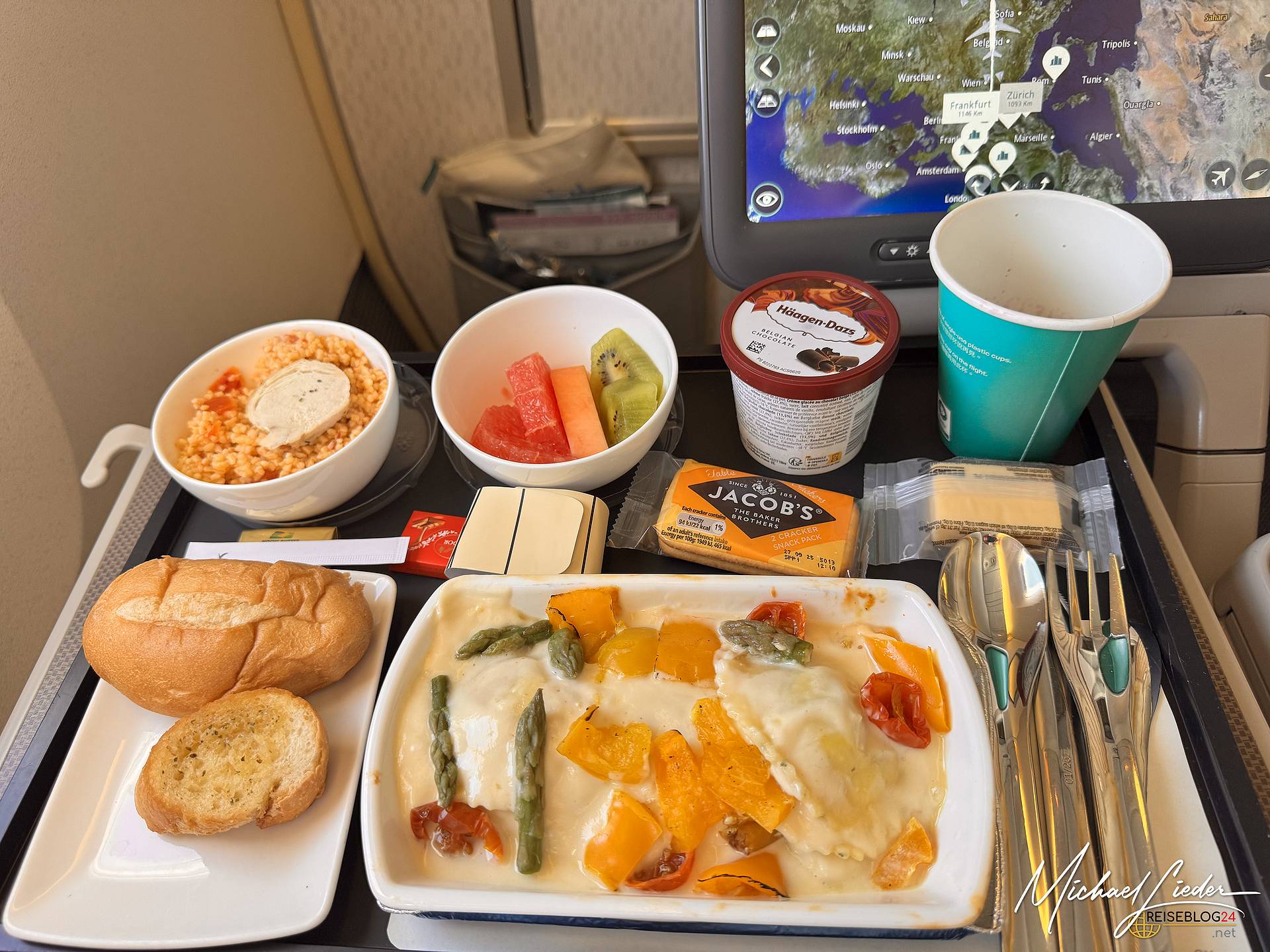
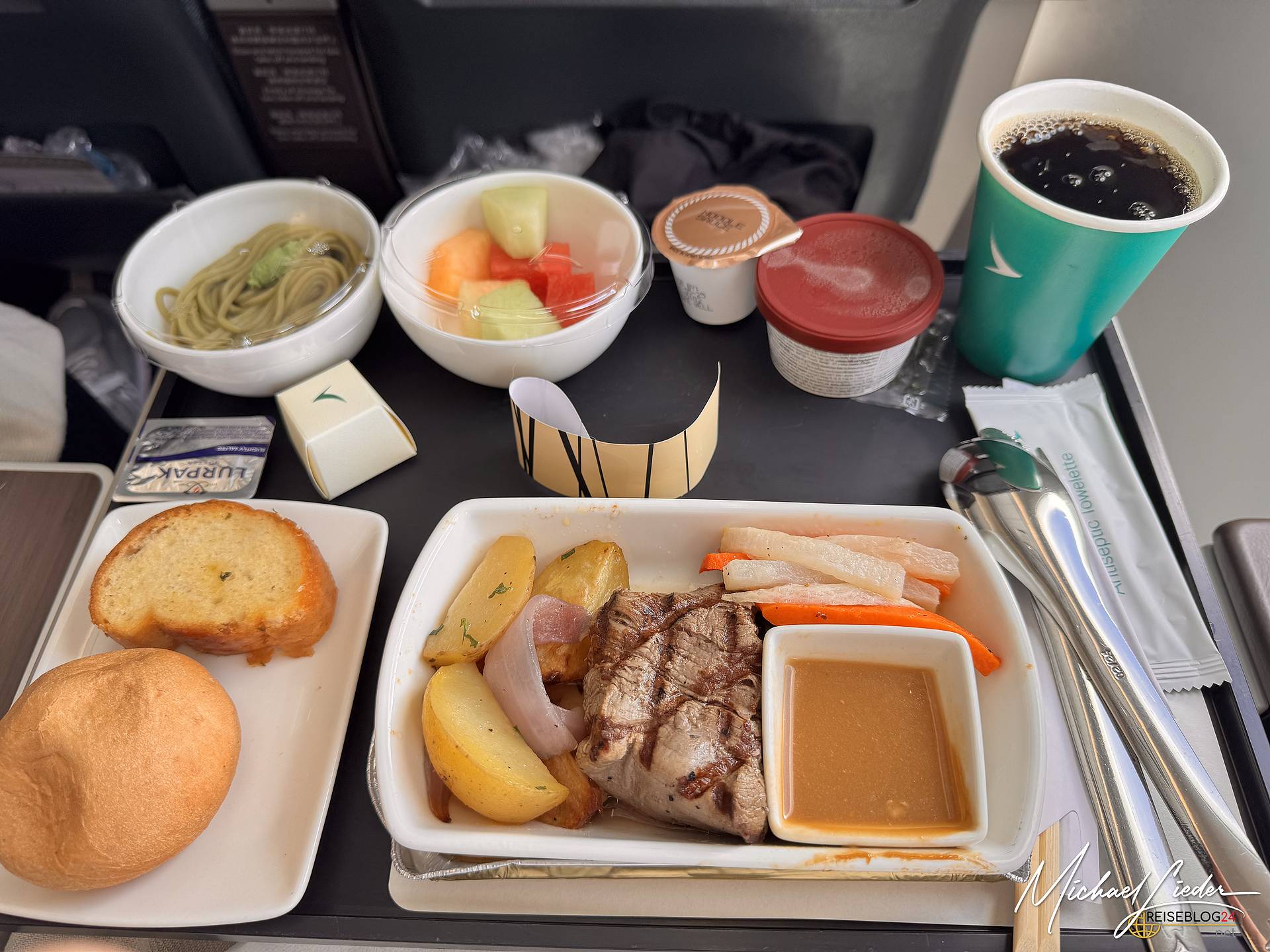
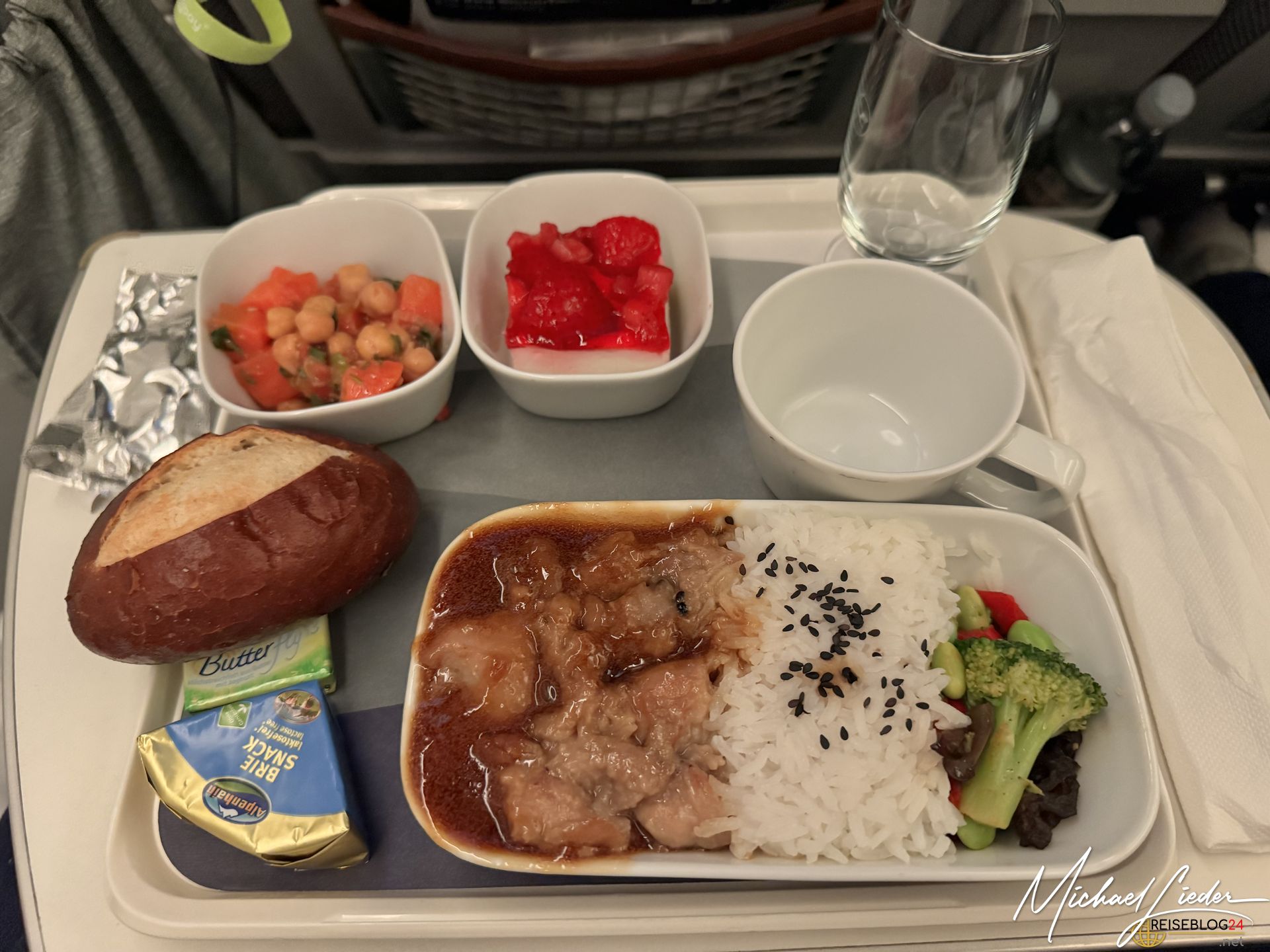
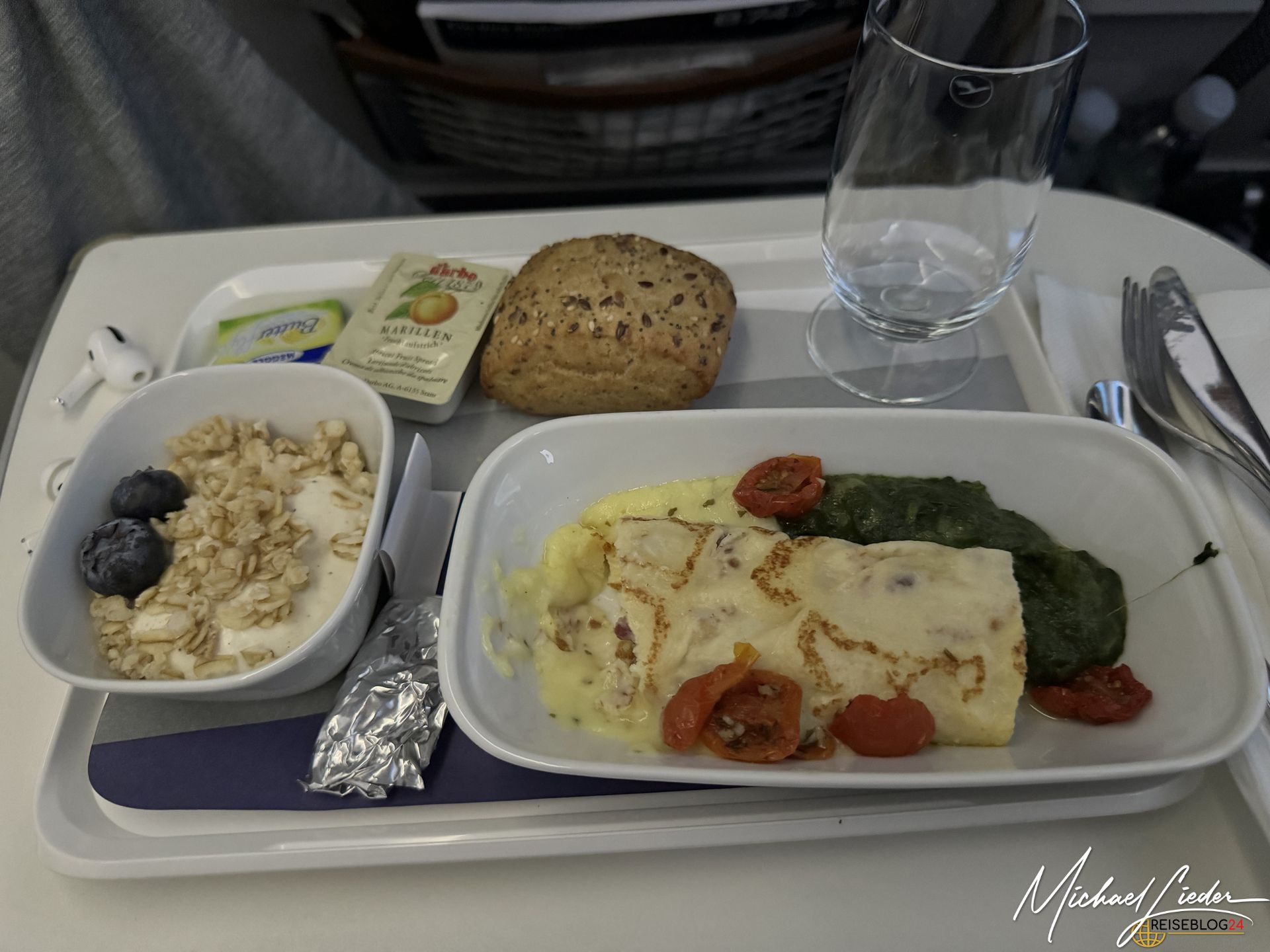
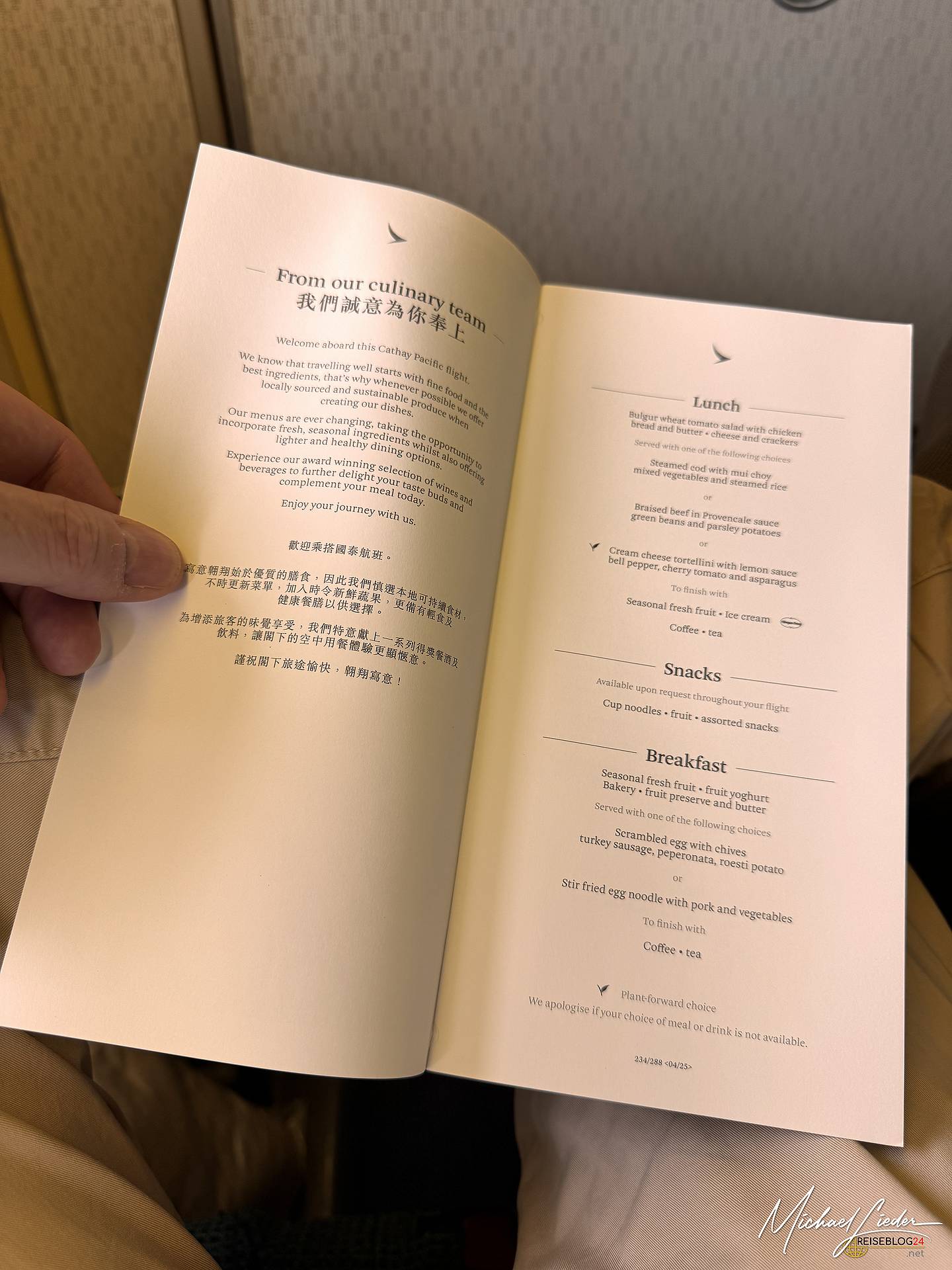
- better food or at least more pleasant meals (depending on the airline: sometimes good, sometimes well… warm)
- often a higher baggage allowance
- seat selection frequently included or cheaper
- sometimes more flexible rebooking than the cheapest Economy fares
What You Don’t Get Compared to Business Class
- no fully flat bed (and yes, that’s the big difference)
- usually no lounge access
- no “Welcome, Mr. Lieder” service (although… I was actually recognized once—but that’s another story 😄)
- often no dedicated Business Class check-in
- rarely separate lavatories
So, Who Is Premium Economy Really For?
Let’s put it this way: Premium Economy is for anyone who doesn’t want to arrive looking like a crumpled sticky note.
It’s especially worth it if you…
- are tall (or simply enjoy knowing where your knees are)
- have back issues (or would like to keep your back happy)
- travel with more luggage and don’t want baggage rules to become a hobby
- are a diver – splitting gear across two checked bags is a real advantage
- actually want to sleep on long-haul flights (or at least doze without pain)
- have limited mobility or just need more personal space
- travel for work, but your budget says: “Business? That’s cute.”
When Does It Really Make Sense?
- 8–10 hours and up: the extra space pays off noticeably
- from around 6 hours: can be worth it if the upgrade price is fair or sleep is a priority
- shorter flights: only if you snag a great deal—or simply crave more peace and quiet
The Small Catch: Armrests
One downside that makes me sigh every single time: in many Premium Economy cabins, the armrest between seats can’t be lifted. Meaning the romantic idea of “let’s turn two seats into a cozy cuddle zone” usually remains an Economy-only fantasy. Premium Economy is comfortable—but not necessarily flexible.
My quick ‘Is it worth it?’ checklist
Premium Economy Is Worth It for You If at Least 2–3 of These Apply
- Your flight is 8+ hours
- You actually want to sleep—or at least arrive somewhat human
- You’re 1.80 m+ / 5’11”+ or blessed with long legs
- You have back or neck issues (or would like to avoid developing them)
- You’re traveling with a lot of luggage and prefer less stress
- The upgrade price feels reasonable to you (not “for that money I could almost fly again”)
If you’re nodding along more than once here, Premium Economy is probably not a luxury—it’s a very sensible decision.


Charging cable with USB-A or USB-C connector
-
One Cable to Rule Them All
A USB-A (or USB-C) charging cable is the simplest solution for all your charging needs while traveling. Whether you’re on a plane, at the airport, or in a hotel—this one cable has you covered.
It saves space and avoids unnecessary weight in your luggage. A compact USB cable is often all you need to keep your devices powered on the road.
Thanks to the widespread availability of USB-A ports, you can use your charging cable almost anywhere. That way, you’ll always have enough power for your smartphone, tablet, and whatever else is keeping you connected along the way.

A power bank is a useful gadget.
-
“A power bank can be a real lifesaver. Just keep in mind that the IATA allows devices with a rated capacity of up to 100 Wh in carry-on luggage. To be safe, check the exact regulations directly with your airline.”
-
“A power bank is a useful gadget when traveling. Make sure it doesn’t exceed 100 Wh so you can carry it in your hand luggage without issues. The specific rules can vary by airline, so it’s best to inform yourself in advance.”

Set destination time zone
Outsmarting Jet Lag Before It Starts
To reduce jet lag and arrive more relaxed, you can start adjusting to local time while you’re still on the way. Gradually shift your sleeping and eating times, and be mindful of when to seek out daylight—or avoid it. Light is your best ally here.
If you arrive during the day, try to spend as much time outdoors as possible. Natural daylight helps your body adapt to the new rhythm much faster. If you arrive in the evening or at night, aim to go straight to sleep and consider using a sleep mask to simulate darkness.