Kanchanaburi – Bridge over the River Kwai
Arriving Fast — Understanding Slowly
I didn’t arrive by train, but by car from Ayutthaya. Practical. Air-conditioned. Efficient. And yet I know this much: if you truly want to understand Kanchanaburi—slowly, rattling along, with time for what once was and for what still echoes—you have to come by train. It’s the only way that really fits this place.
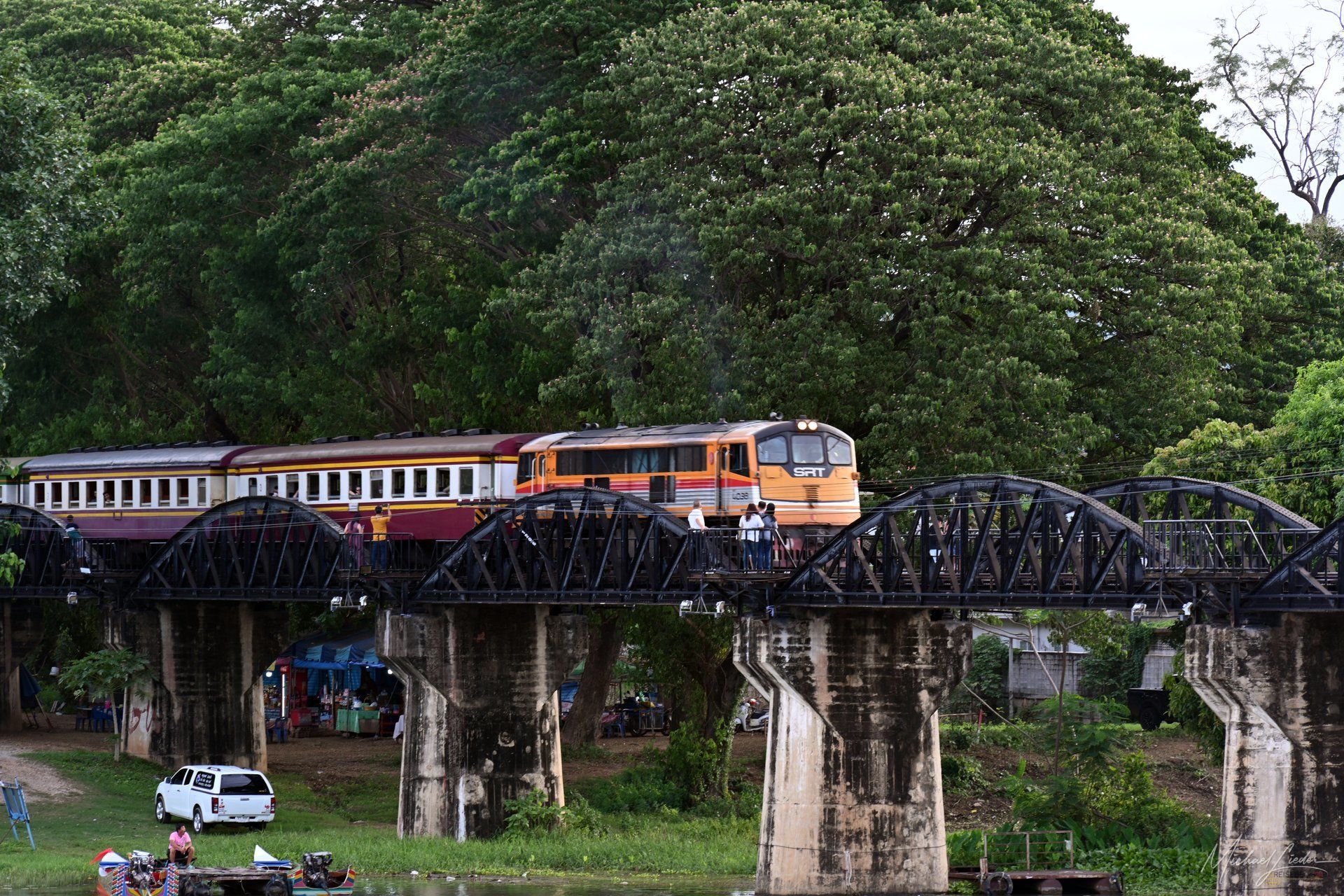
Standing on the Wang Pho Viaduct, with the river shimmering below in the sunlight while the train groans its way along the cliff face, is deeply calming—and unsettling at the same time. Maybe because beauty and pain sit so close together here that you can’t separate them. The jungle falls silent, the train clatters on, and somewhere in between, you find yourself stopping too.
A Place You Don’t Just Tick Off
Kanchanaburi isn’t a city you simply check off a list. It’s not a box to tick, not a quick “seen it, moving on.” It’s a place that stays—with you between the rails, in the smiles of the people, in that quiet sense of unease you carry along without being able to fully explain why.
Maybe that’s exactly it: Kanchanaburi feels like memory with a present-day warranty. And it reminds me that travel is sometimes more than moving from A to B. Sometimes it’s a pause. And sometimes it’s a gentle shift in perspective that lingers long after you’ve moved on.
City, Country, River...
A piece of history that gets under your skin
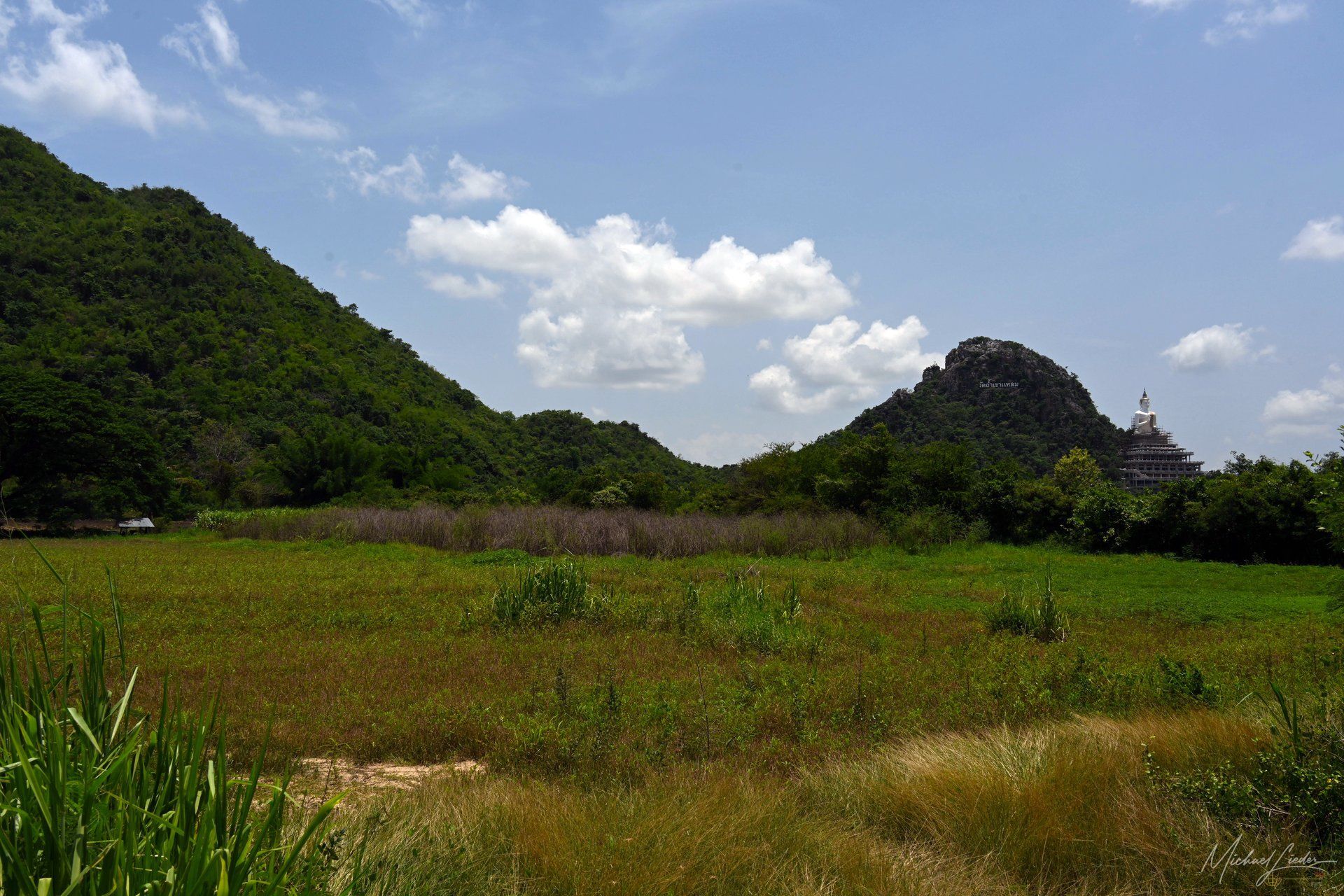
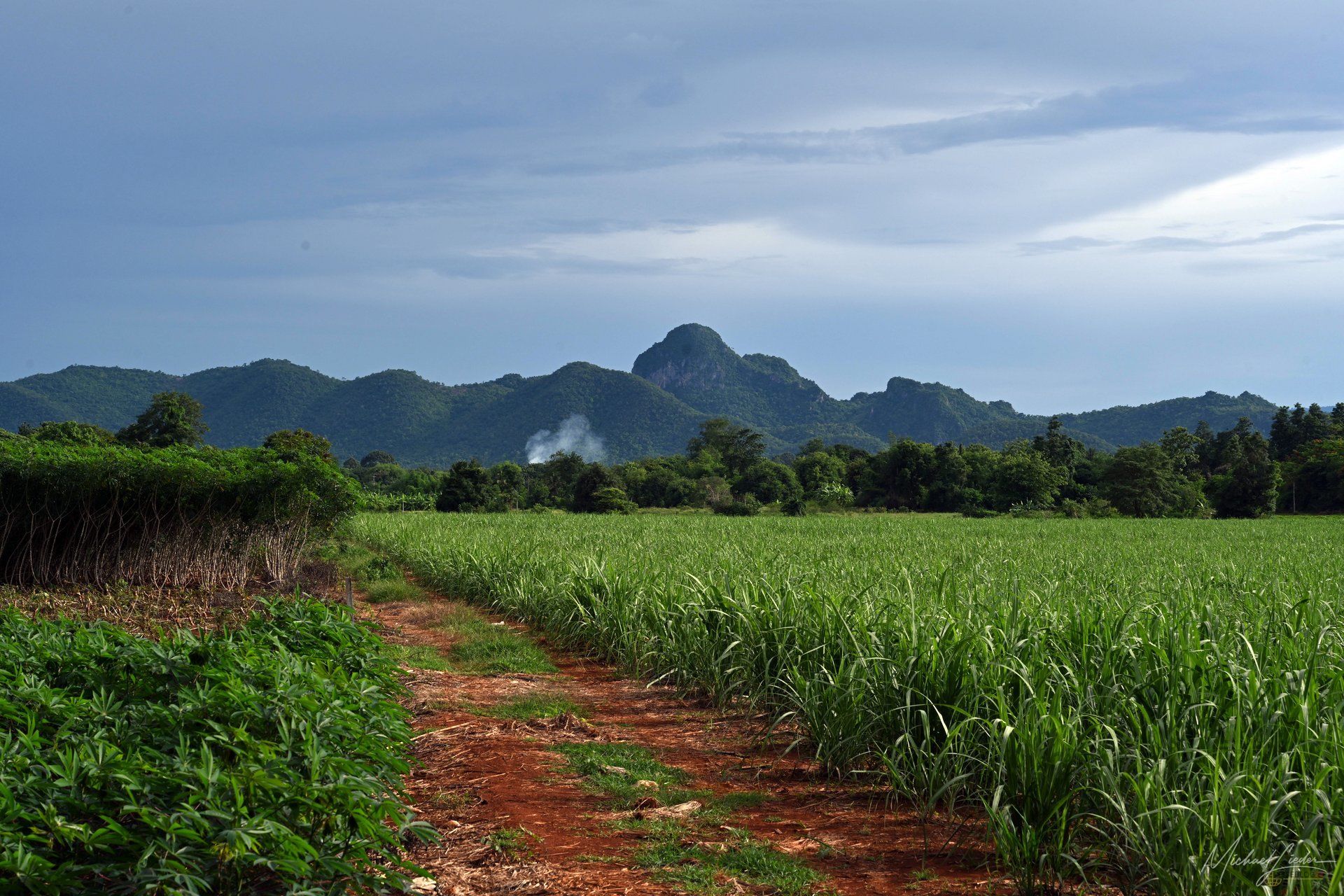
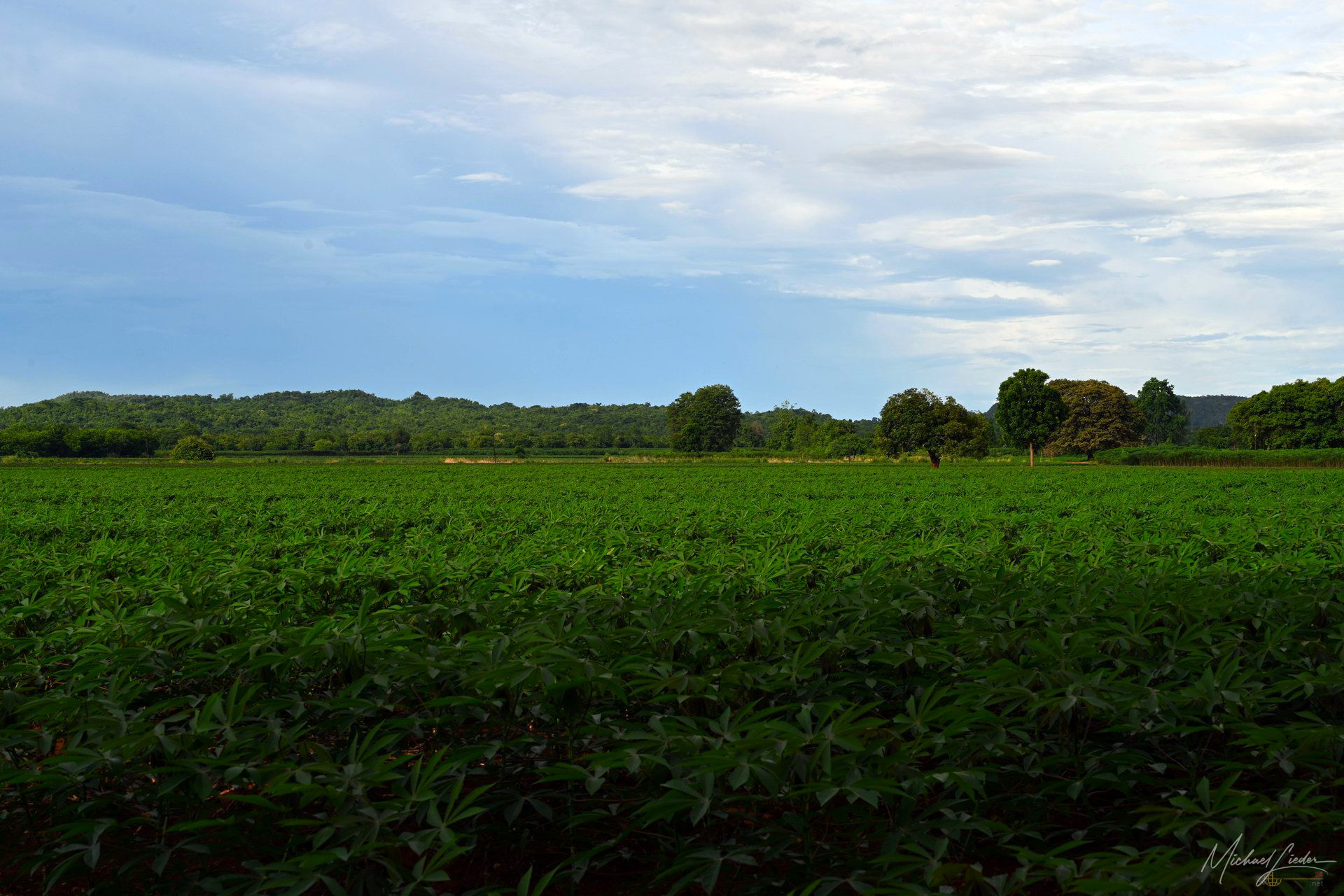
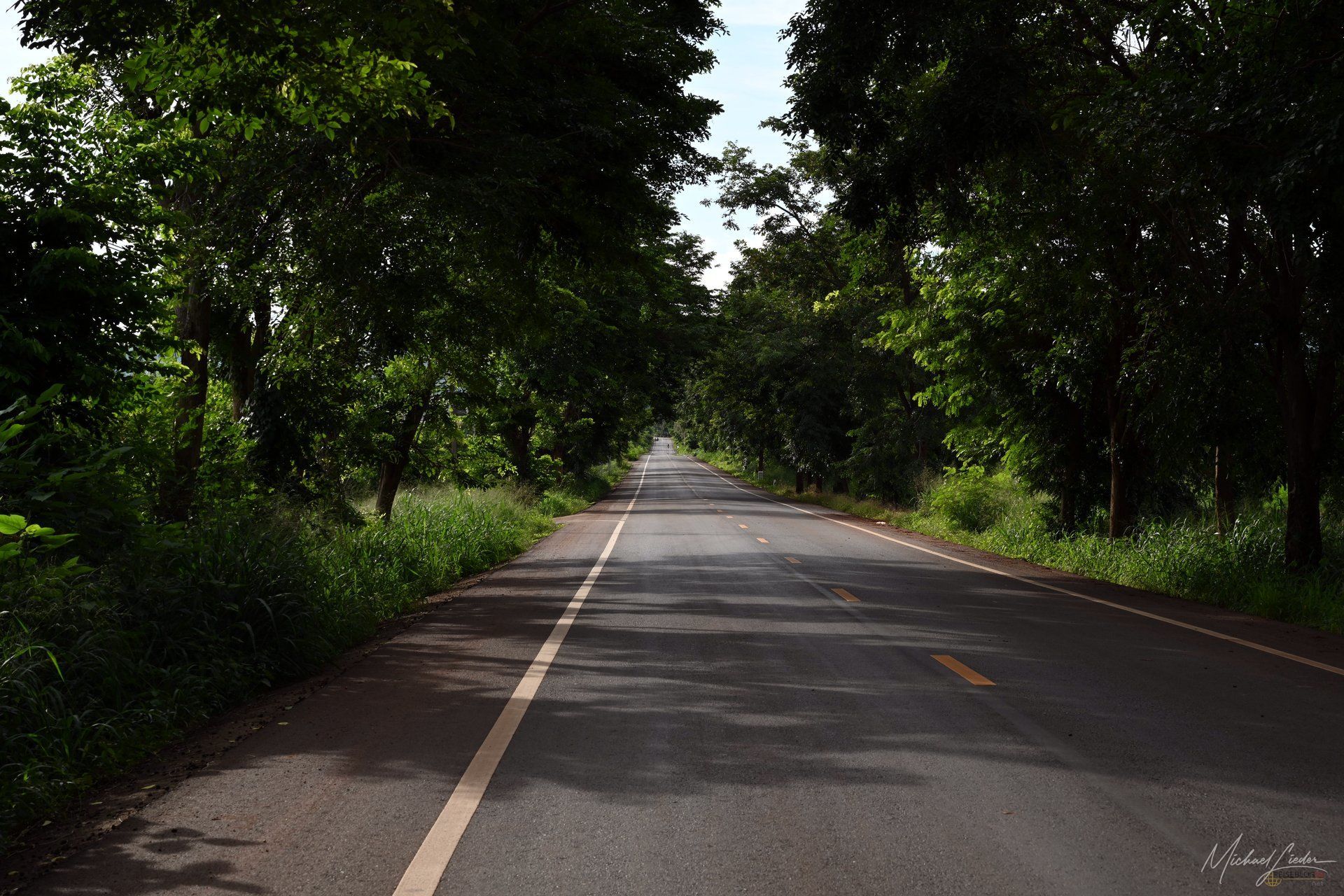
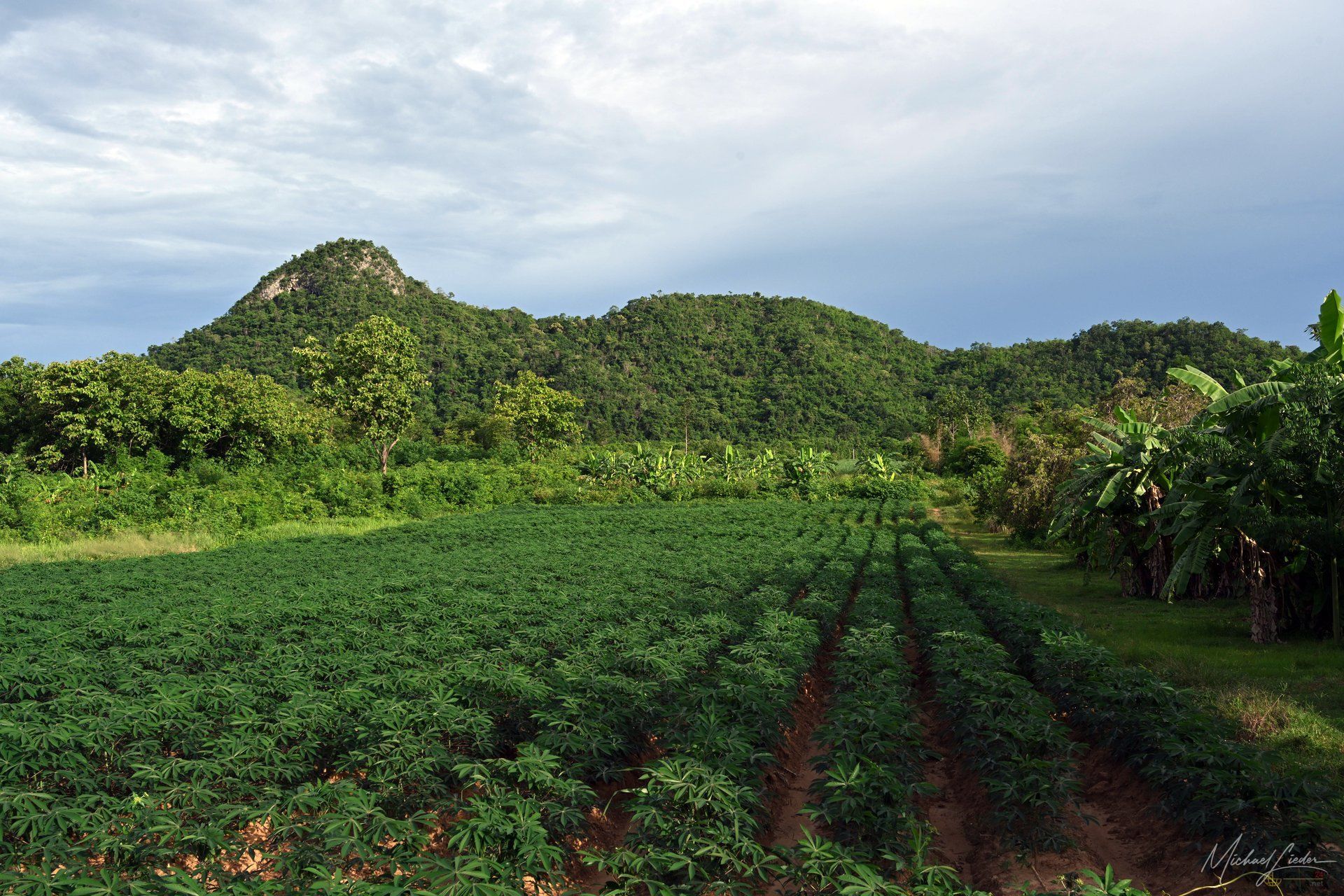
From Ayutthaya, I drive west. Behind me, the venerable temple ruins fade into the rearview mirror; ahead, the road opens into the unknown. No sooner have I left the city limits than it grows quiet. Rice fields slide past—some glowing green as if freshly painted, others already shimmering gold, patiently waiting for harvest. The wind sweeps across the land like a whisper: this is where real Thailand begins.
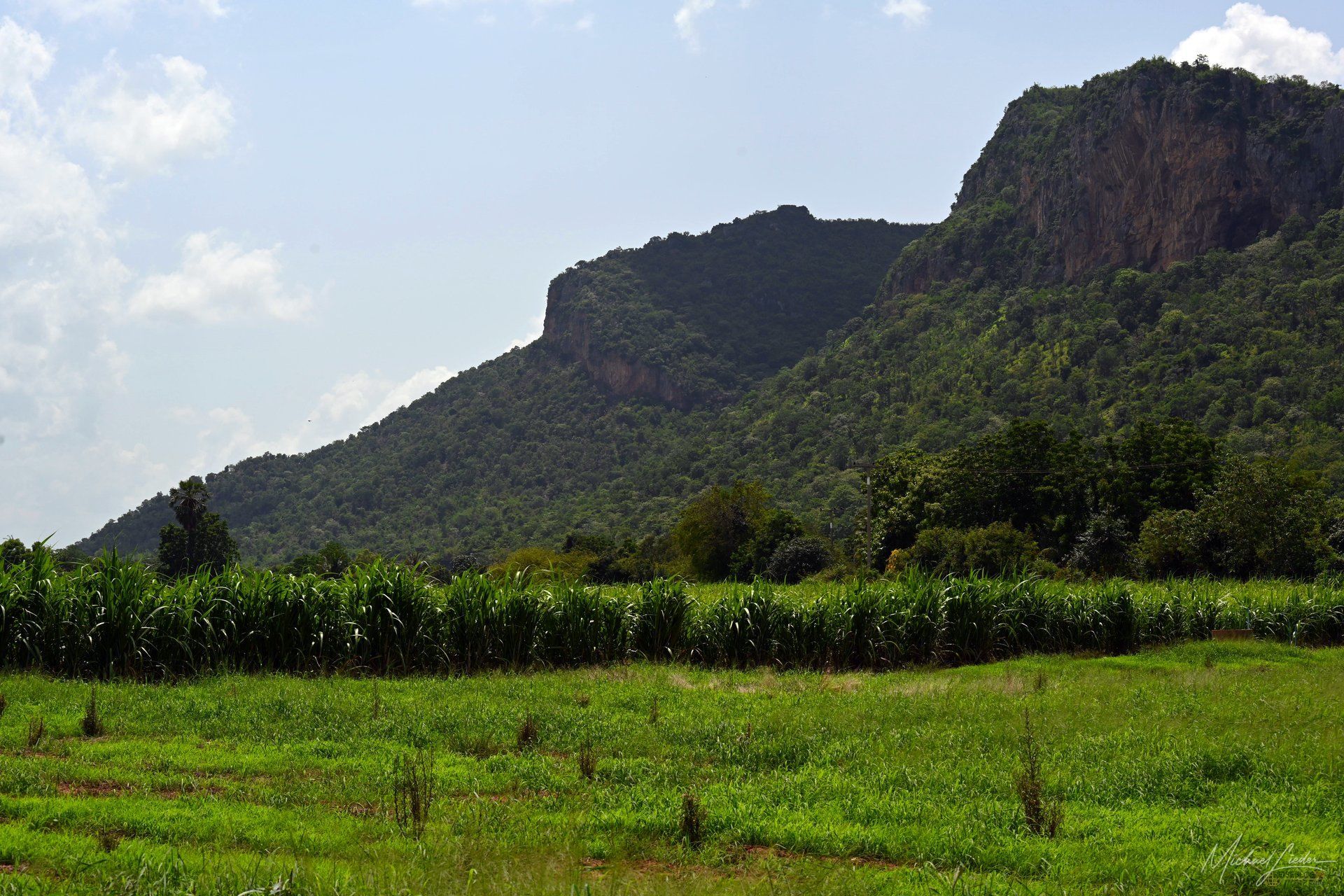
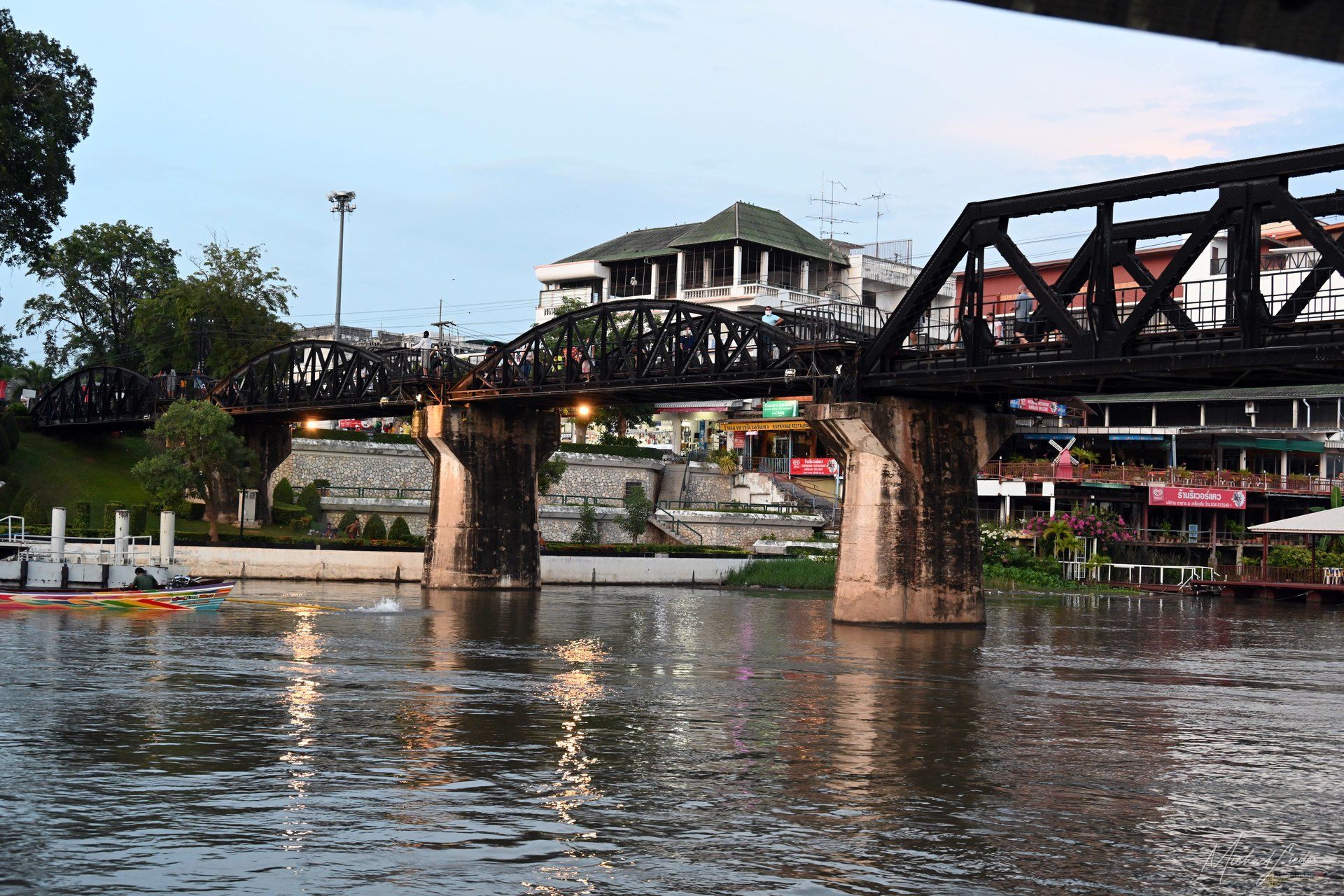
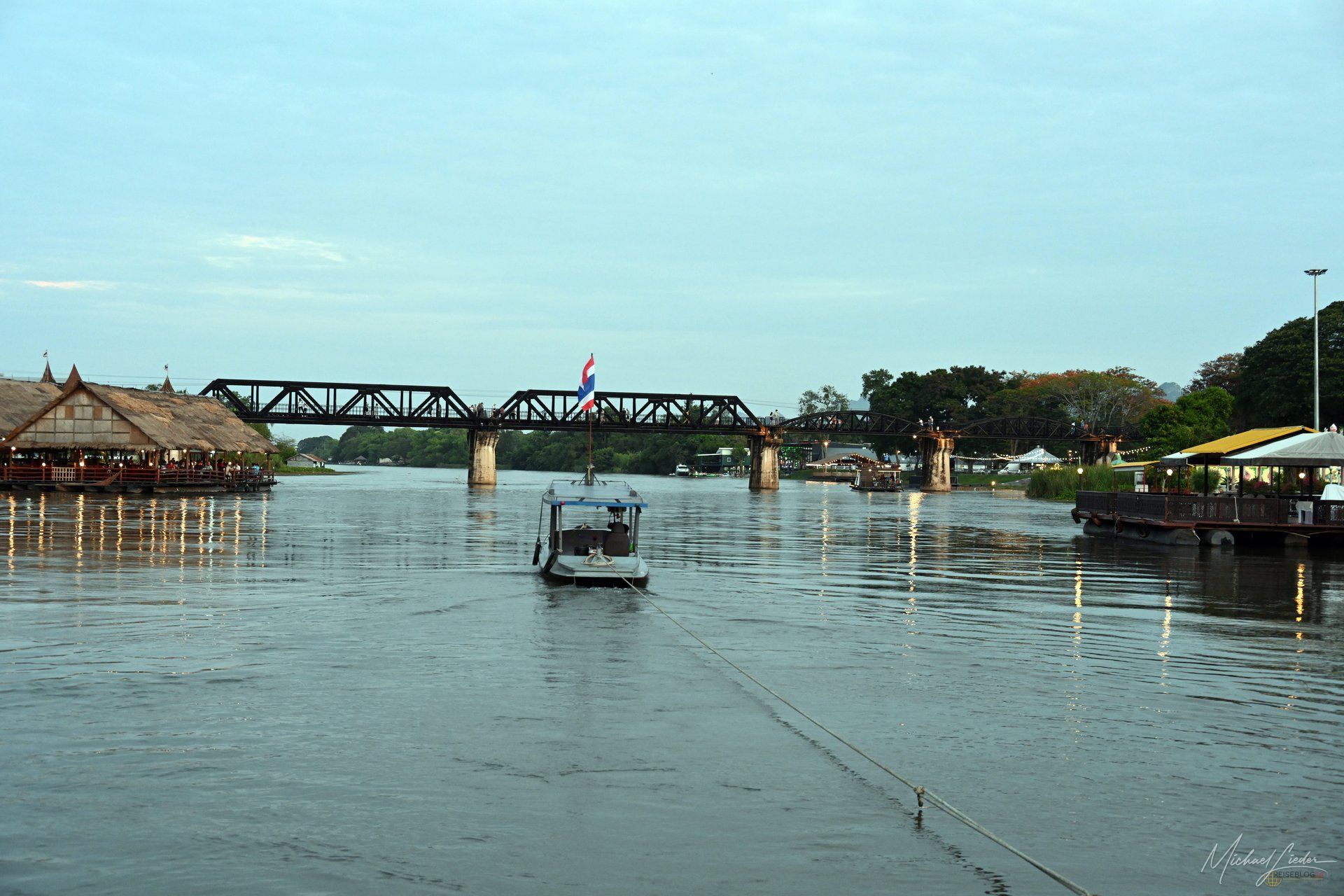
With every kilometer, the landscape feels more elemental. Forests, sugarcane, fields—everything a little wilder, a little more honest. And then it appears: Kanchanaburi. A town that looks so unassuming at first glance it’s hard to believe how much history hangs in its air. Because Kanchanaburi is inseparable from the Death Railway—a chapter so dark that standing by the Bridge over the River Kwai instinctively lowers your voice. This bridge is more than steel and rivets. It’s a symbol of suffering and coercion—and, at the same time, of life continuing afterward. I stand there, sun blazing, river glittering, and somewhere between rails and a gentle breeze lies something that refuses to be neatly put into words.
Where Rivers Meet — and So Do Stories
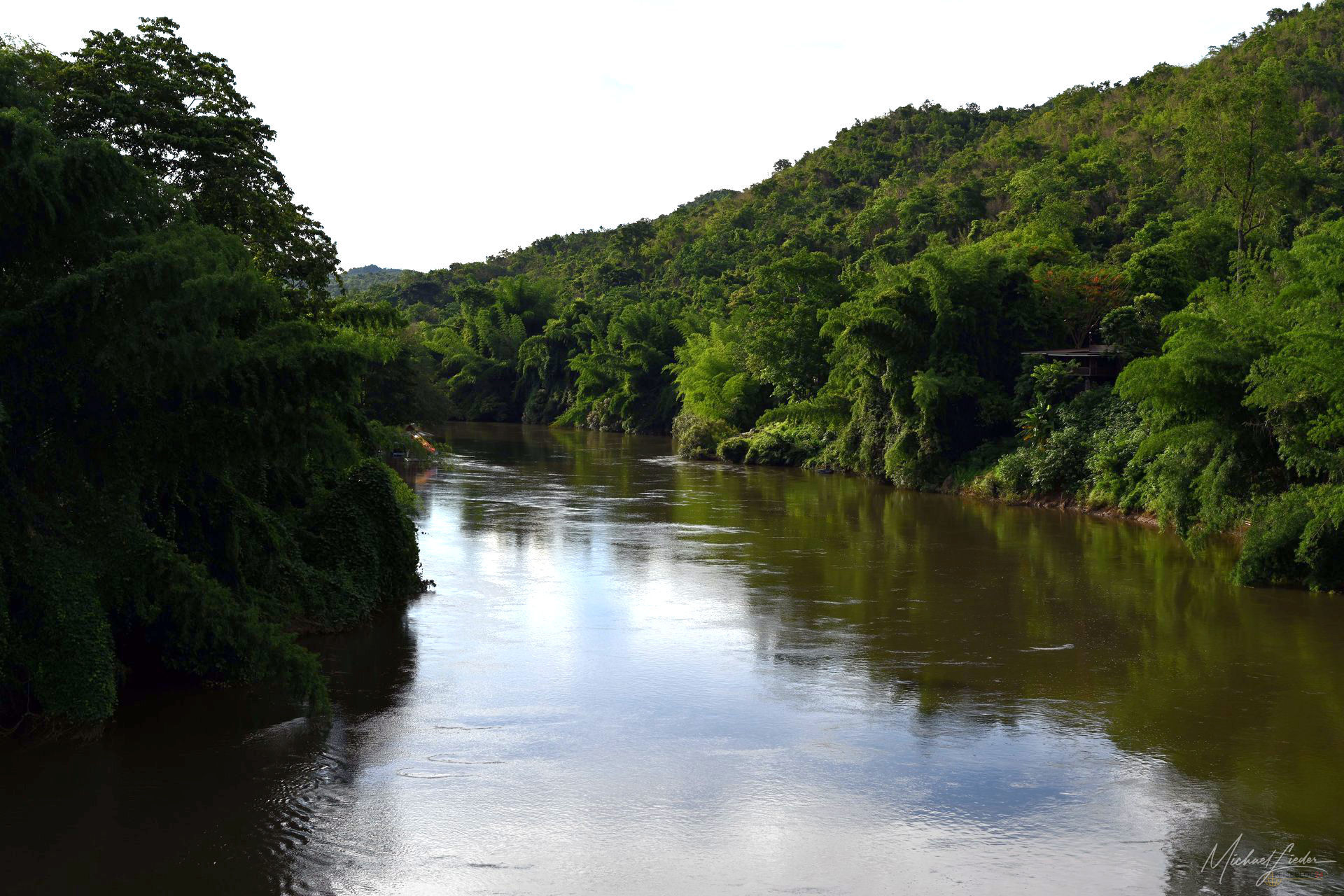
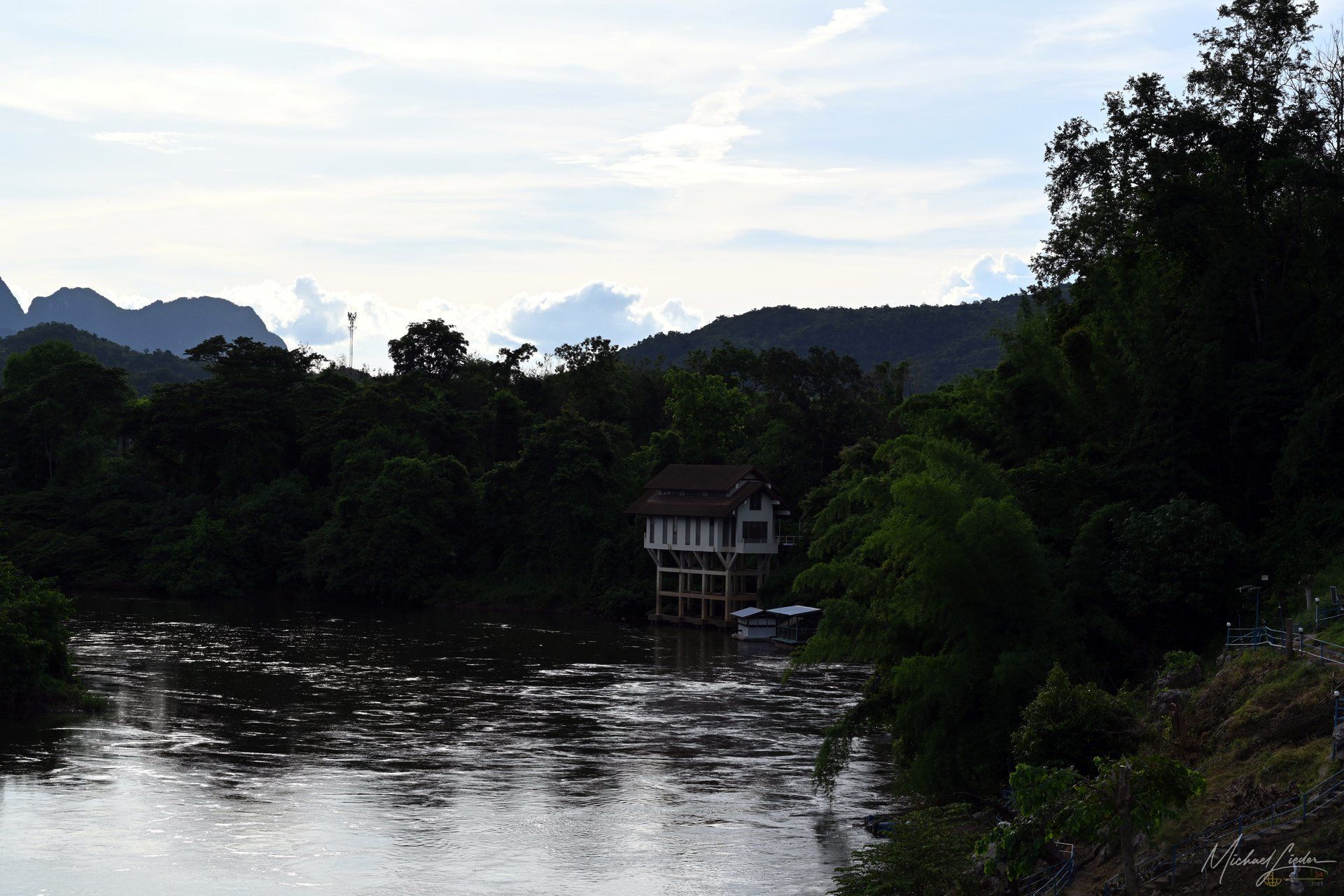
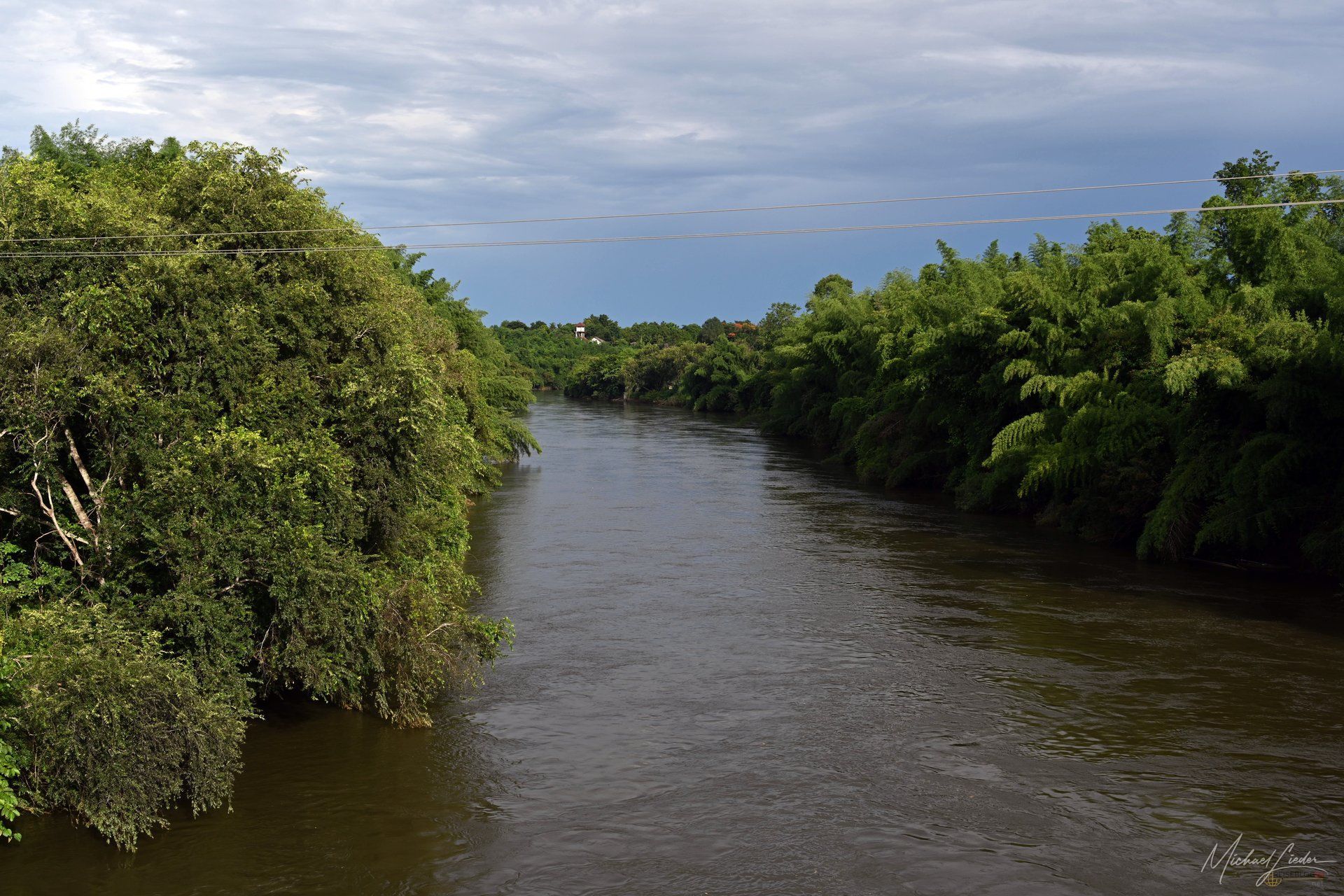
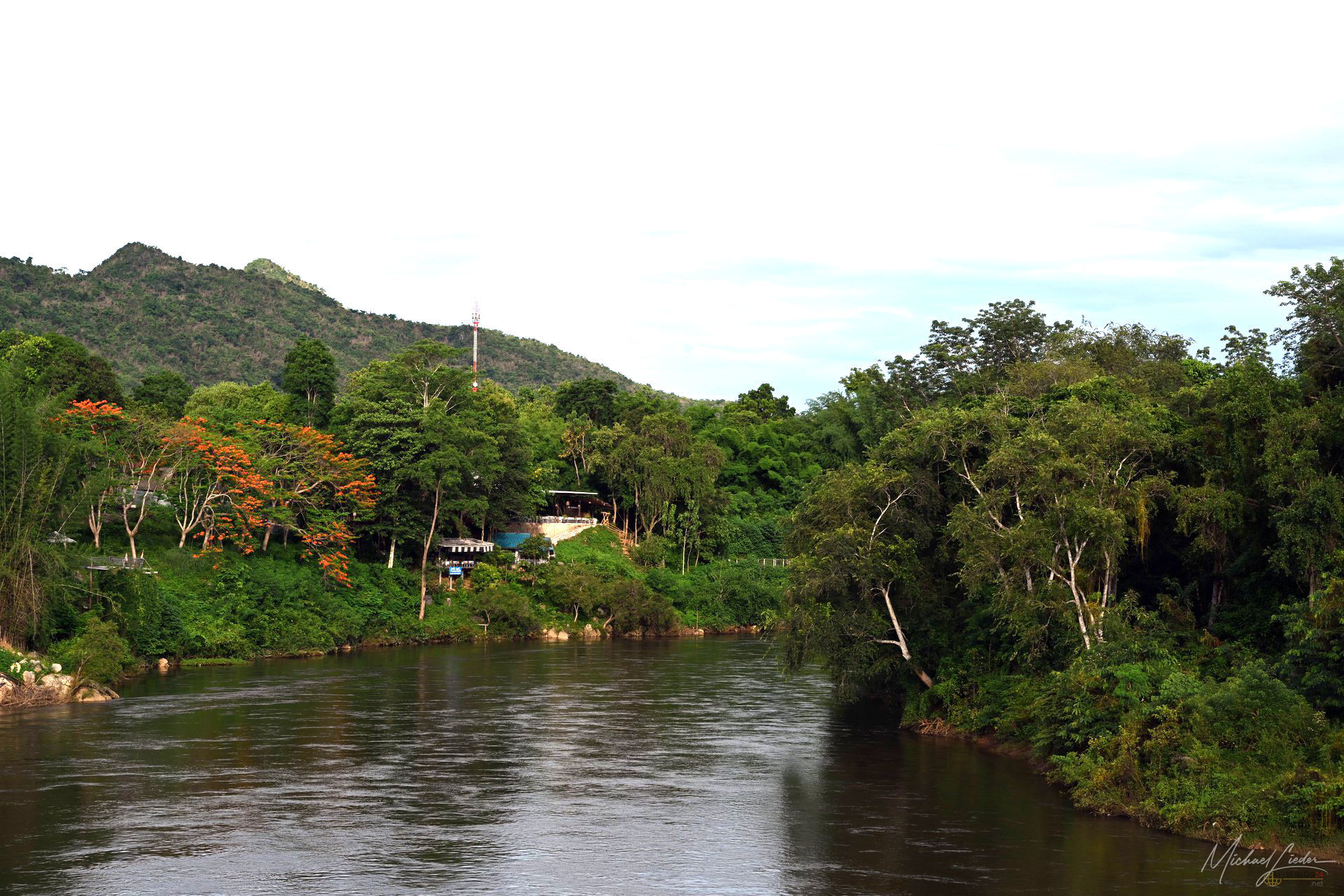
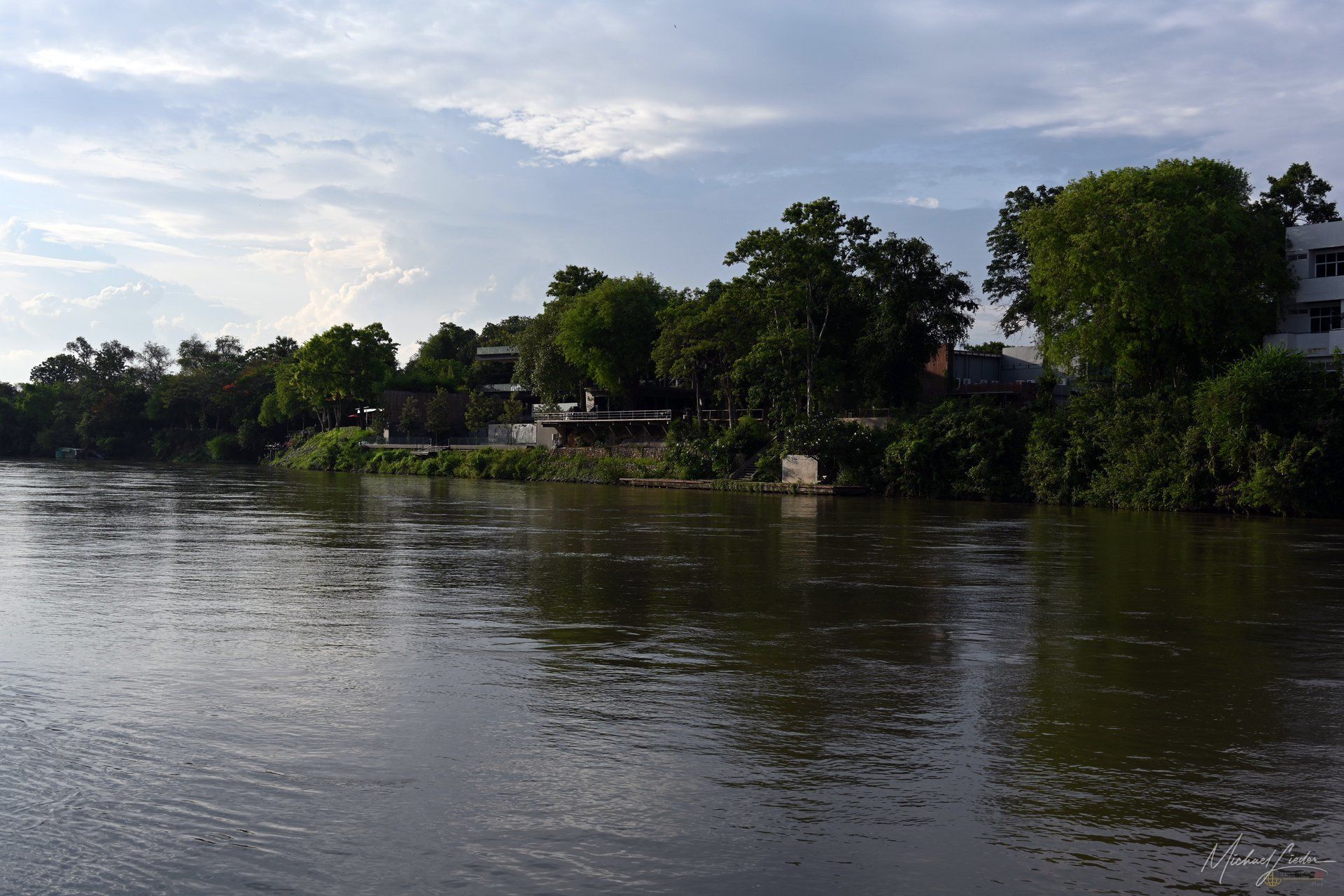
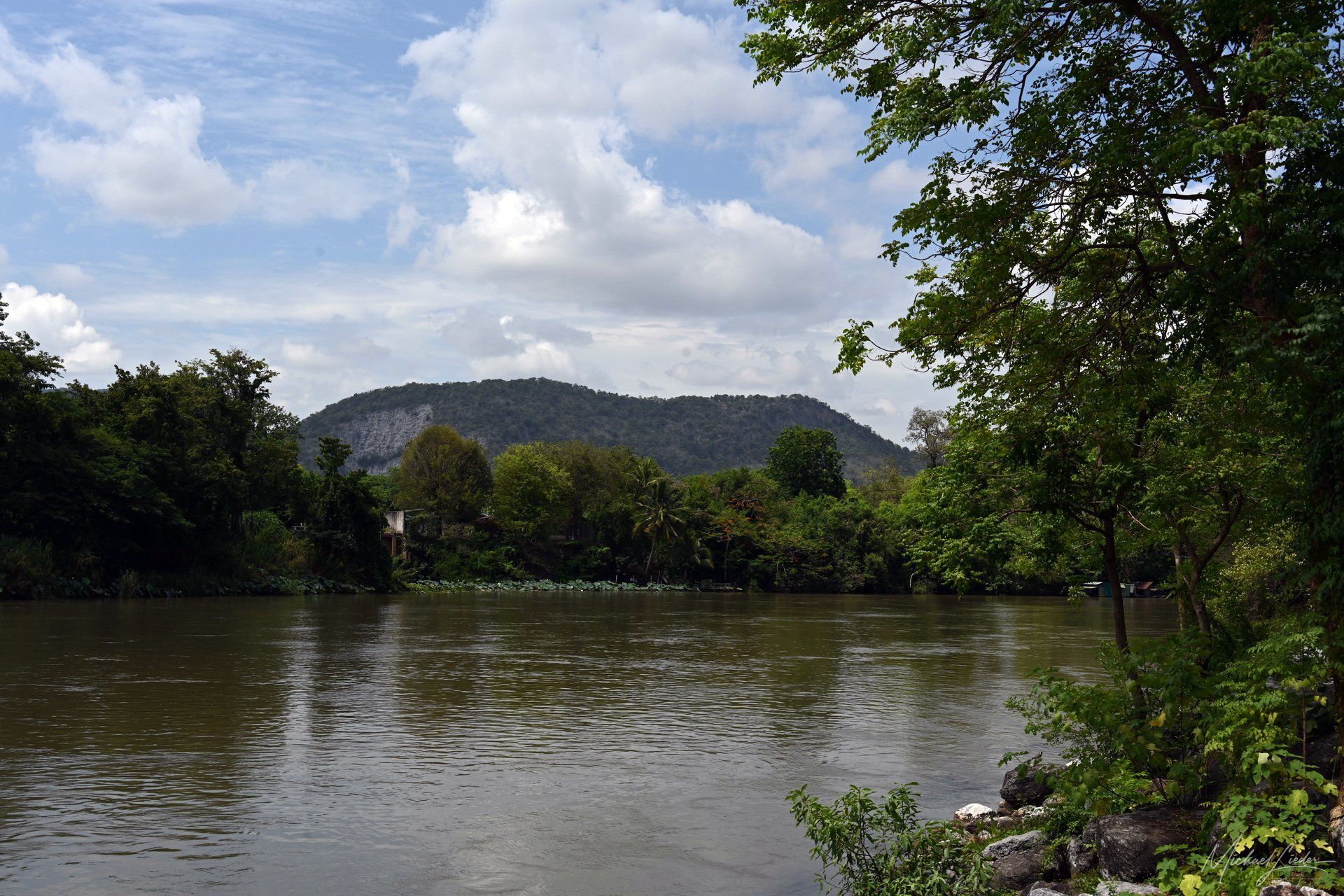
And yet—or perhaps because of all this—Kanchanaburi radiates an unexpected calm. The town sits where the Khwae Noi and Khwae Yai converge to form the Mae Klong River. A place where currents meet—and maybe stories, memories, perspectives too.
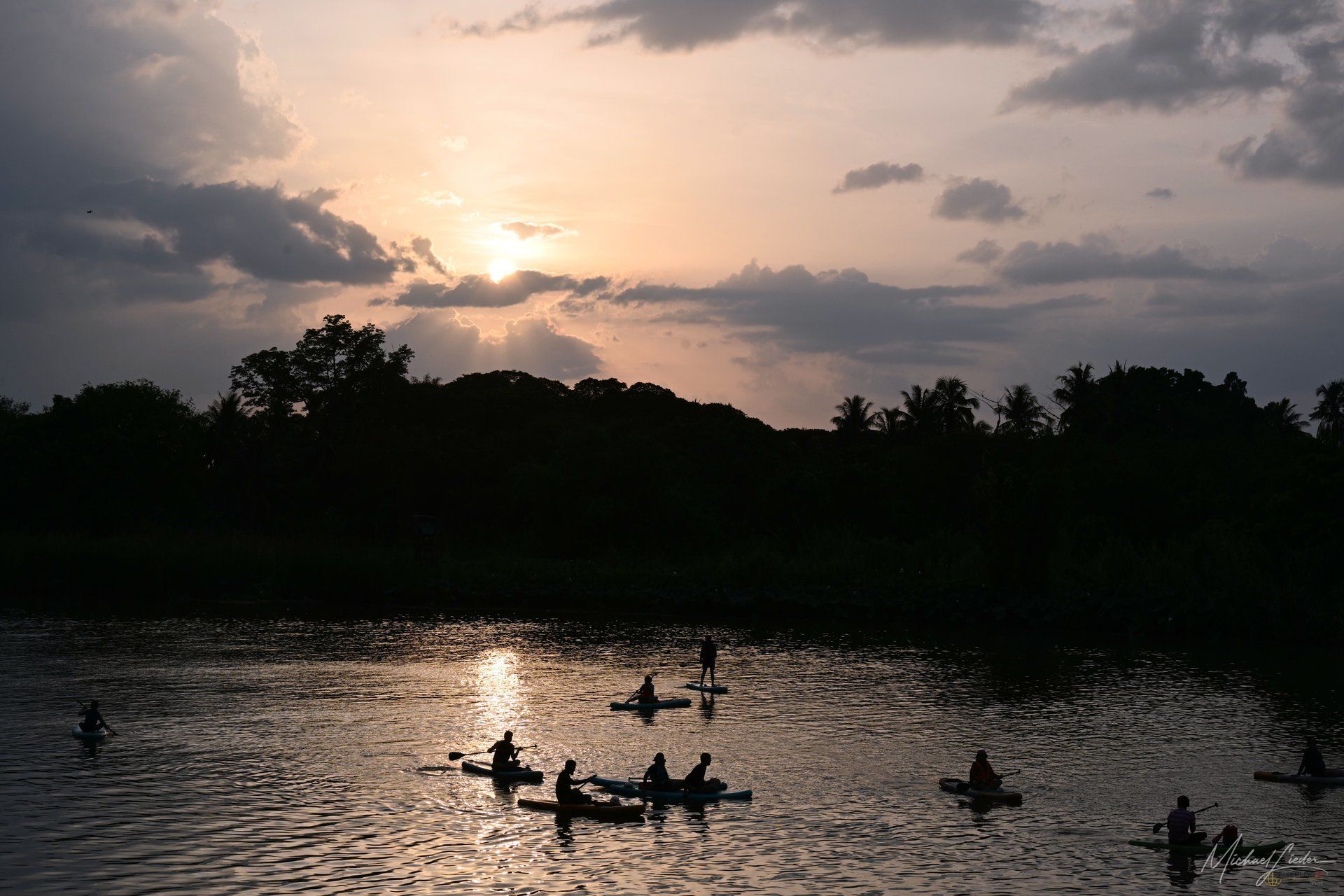
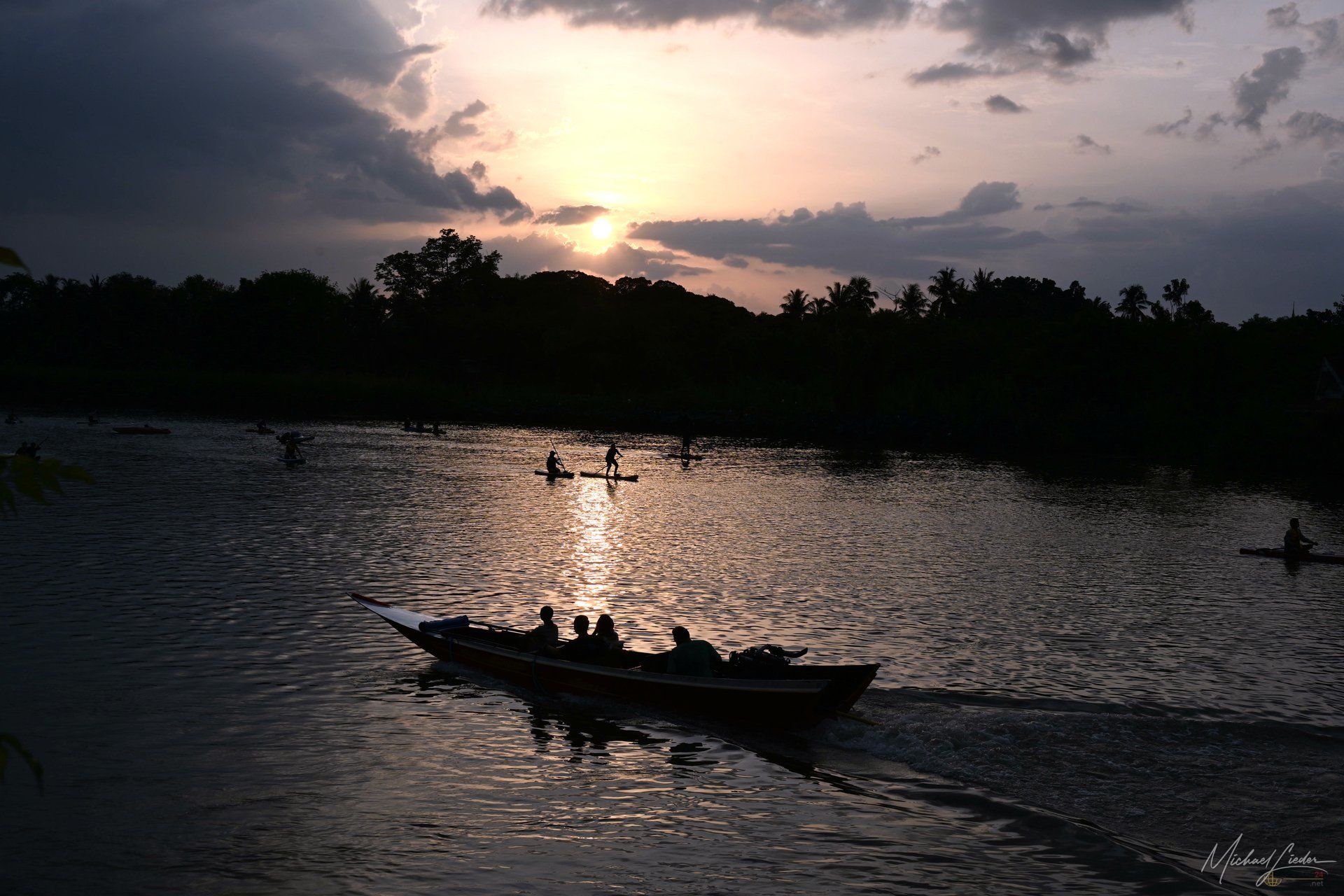
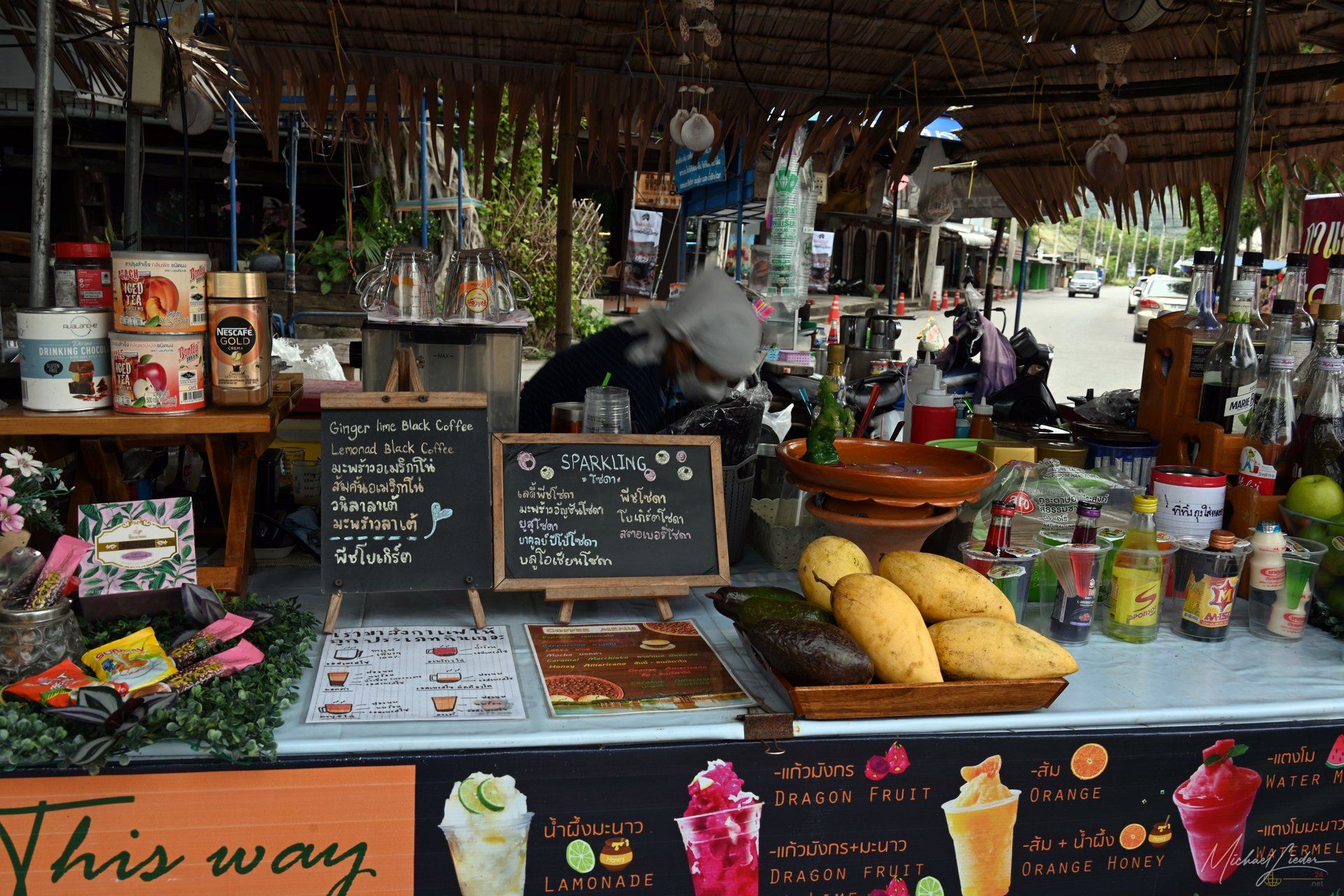
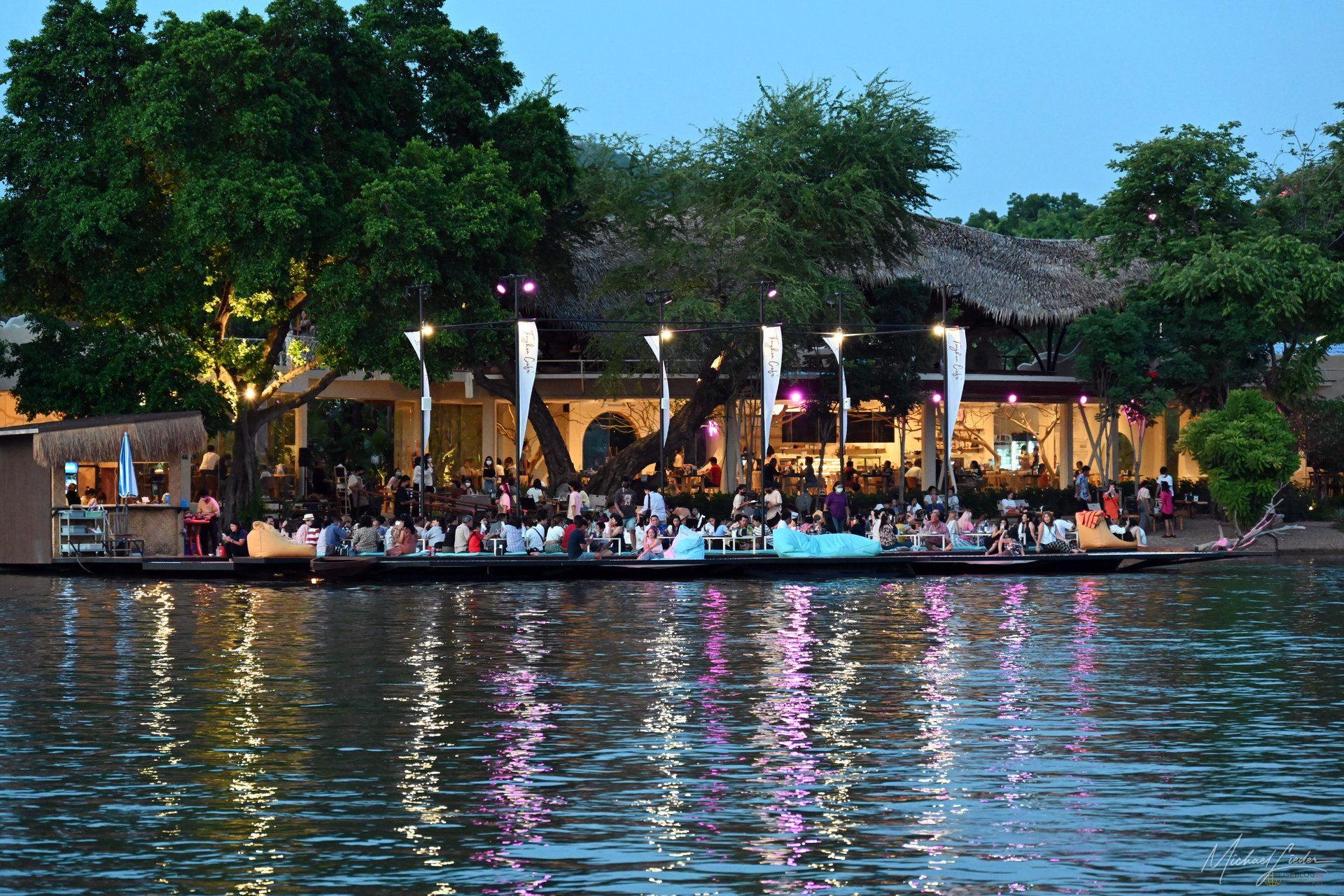
Today, Kanchanaburi feels almost light. Small riverside cafés, gently rocking longtail boats, friendly faces. Many come for the waterfalls of Erawan National Park or for jungle temples. I came planning to stay briefly—and ended up staying longer. Because some places don’t call out loudly; they speak softly. And if you listen, you realize: some journeys don’t change the route—they change the way you look.

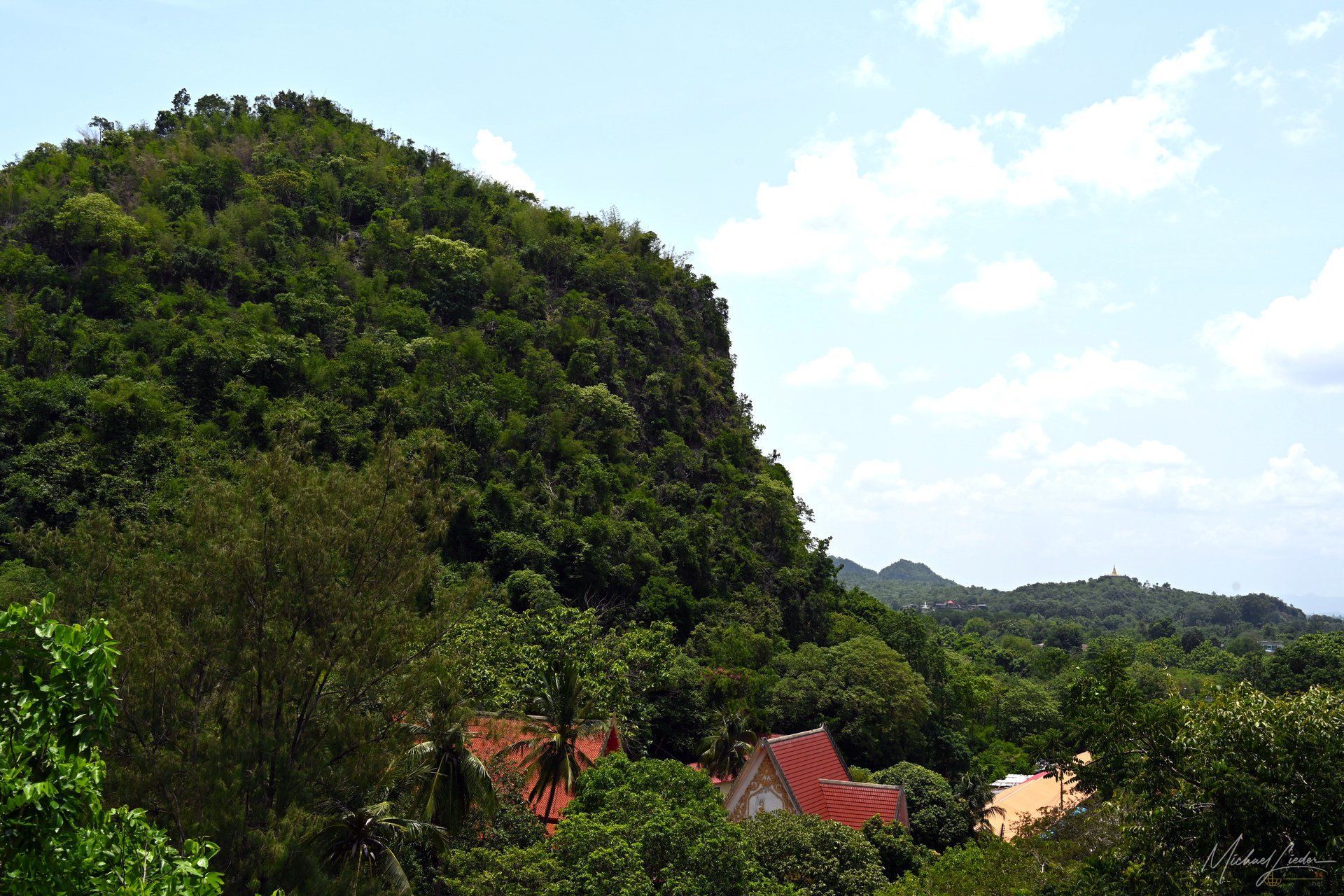
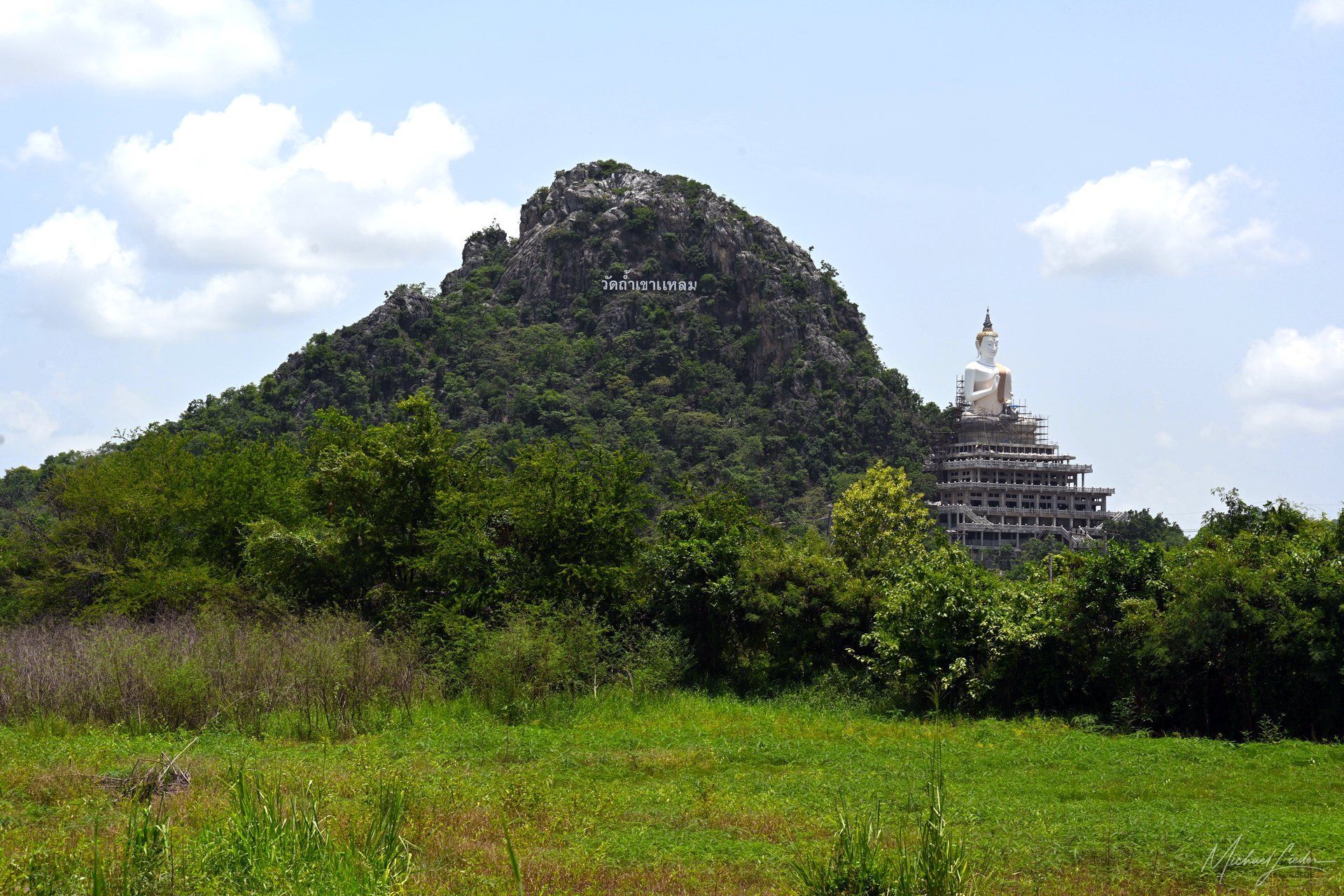
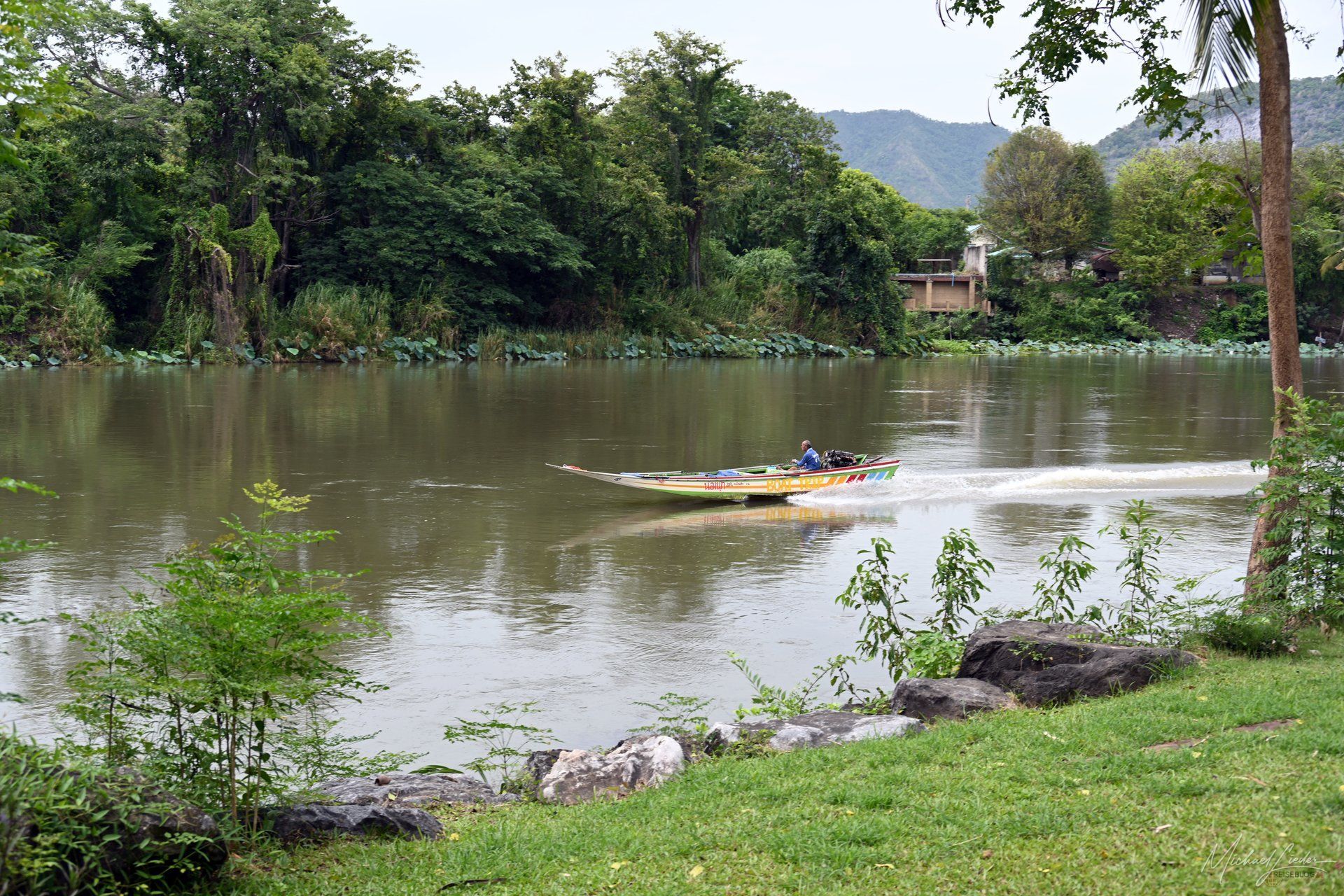
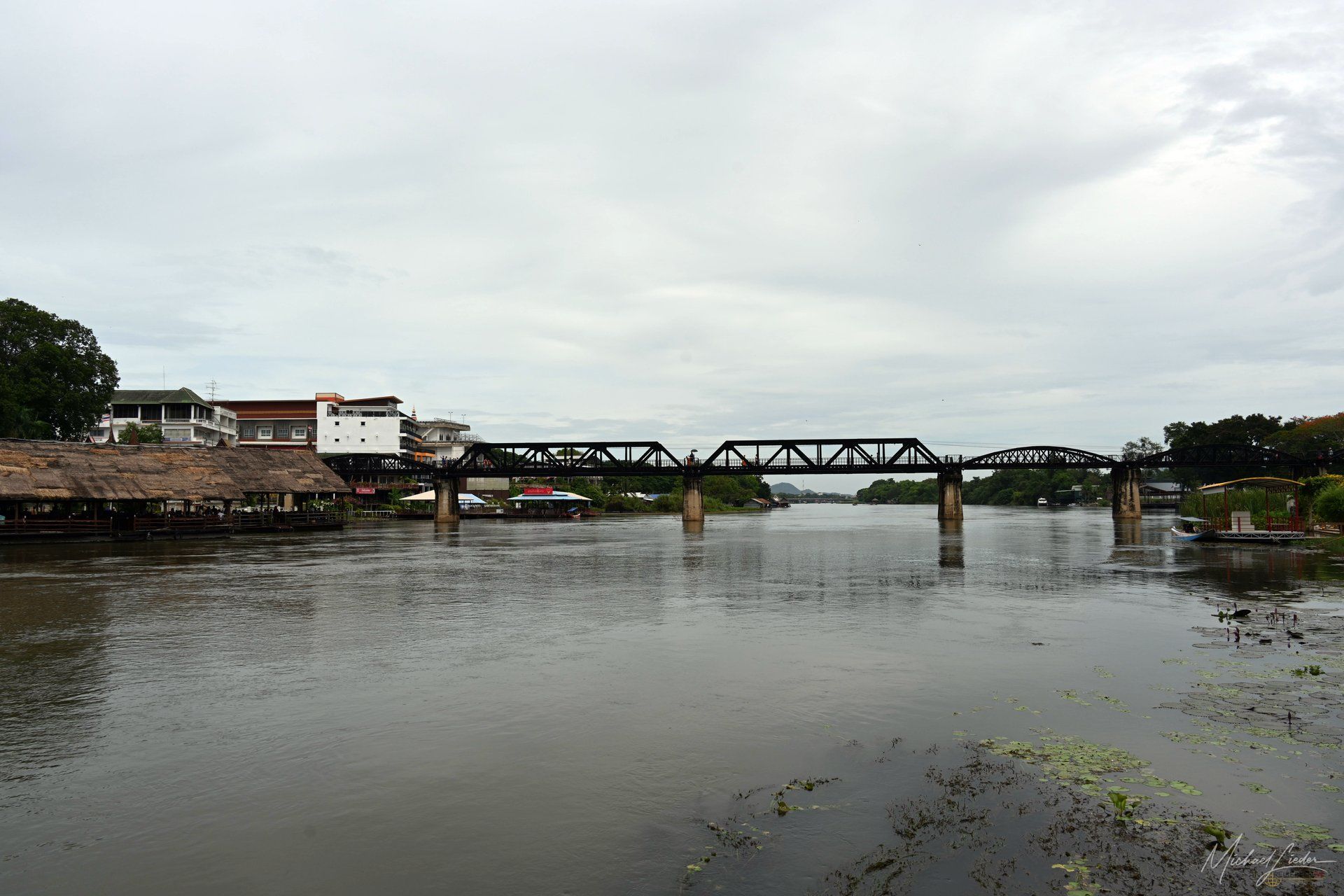

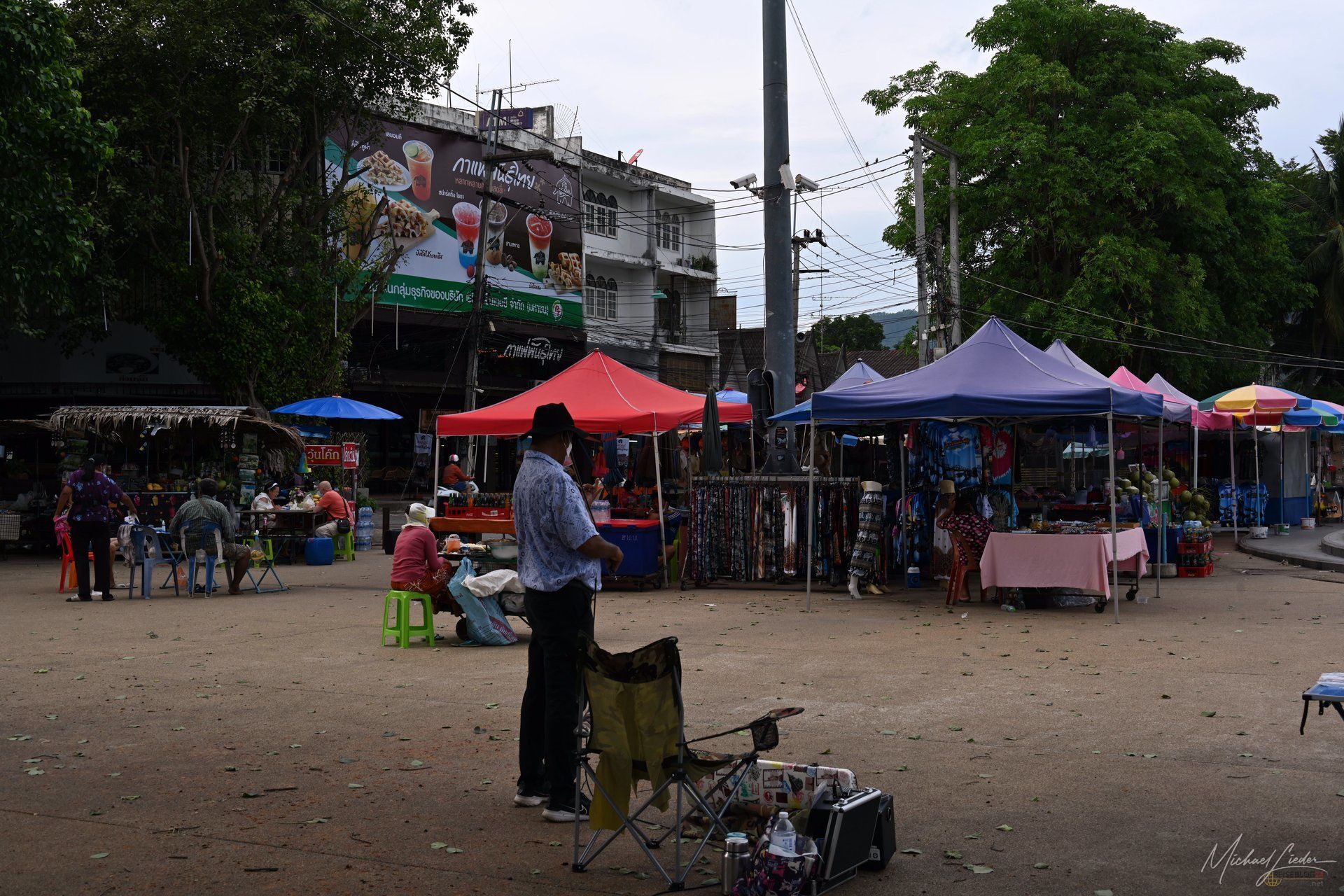
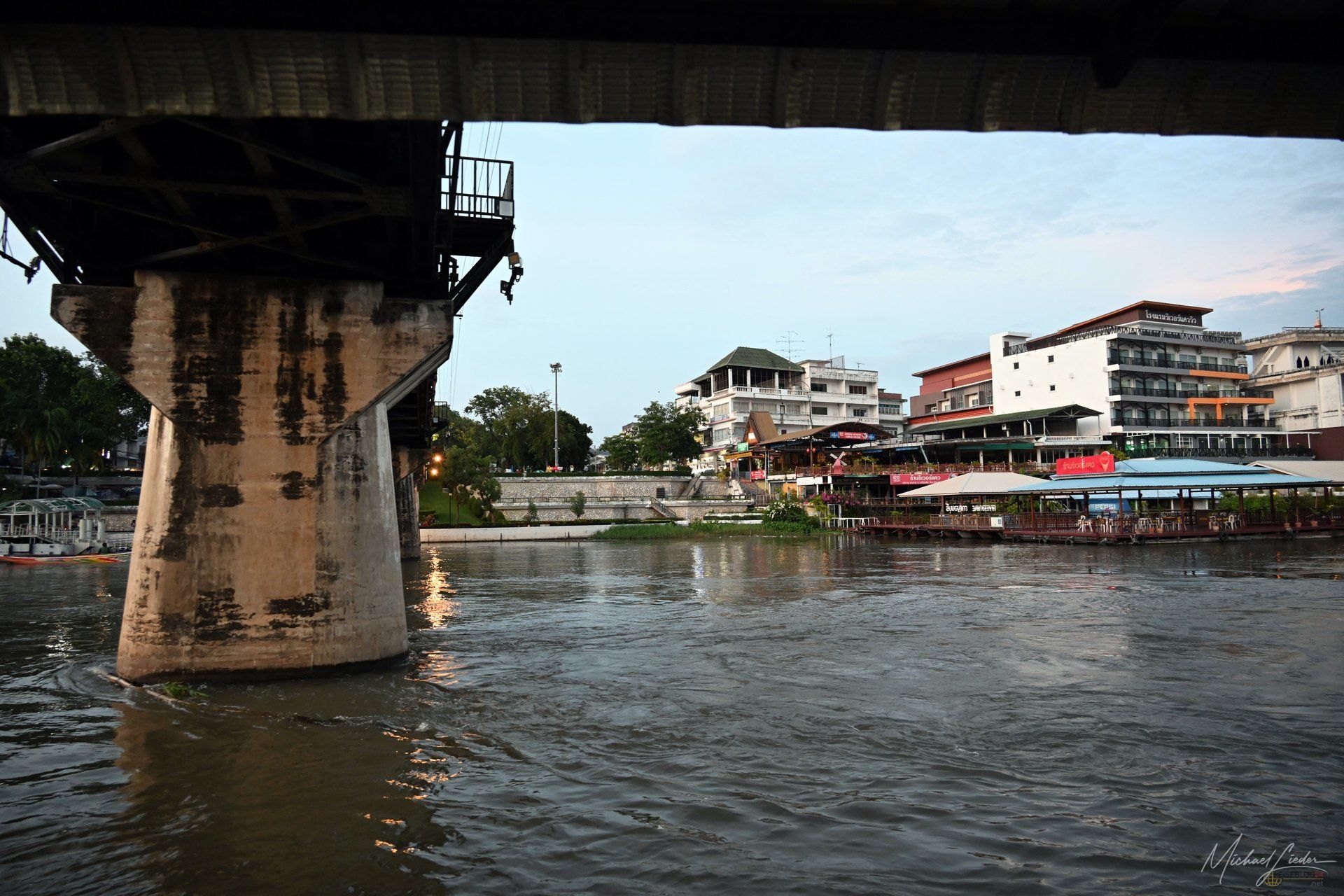
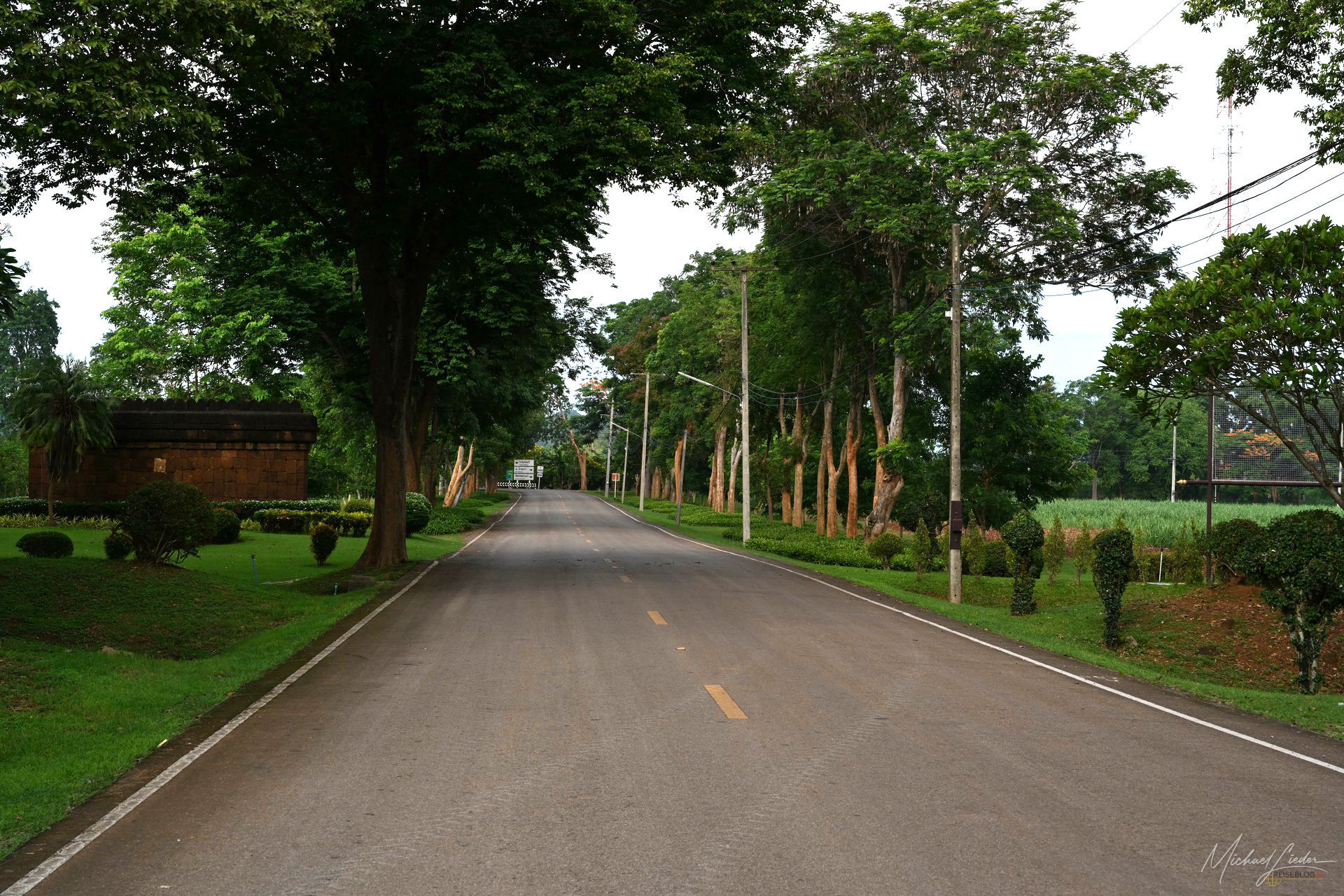
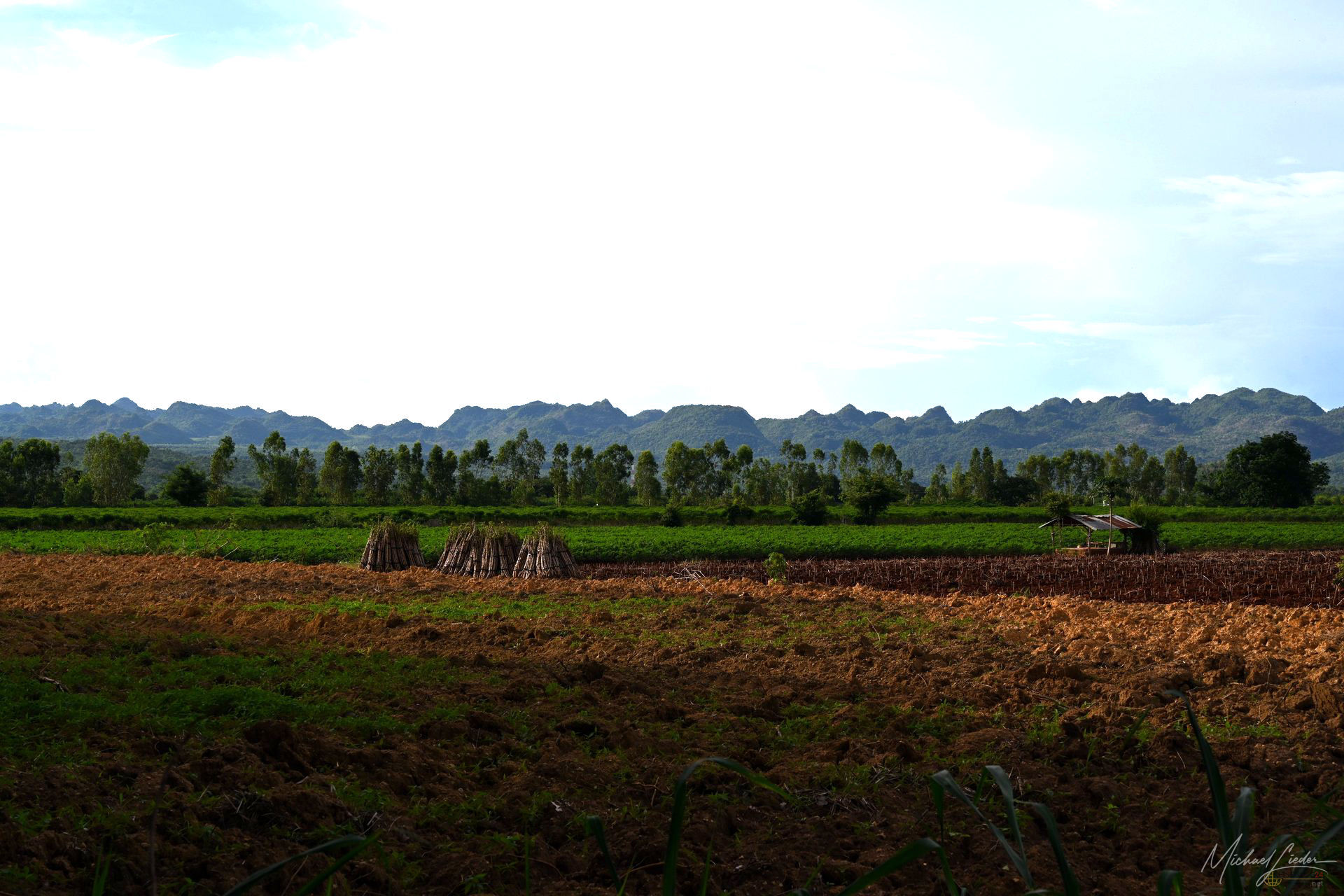
More than just a bridge over the River Kwai
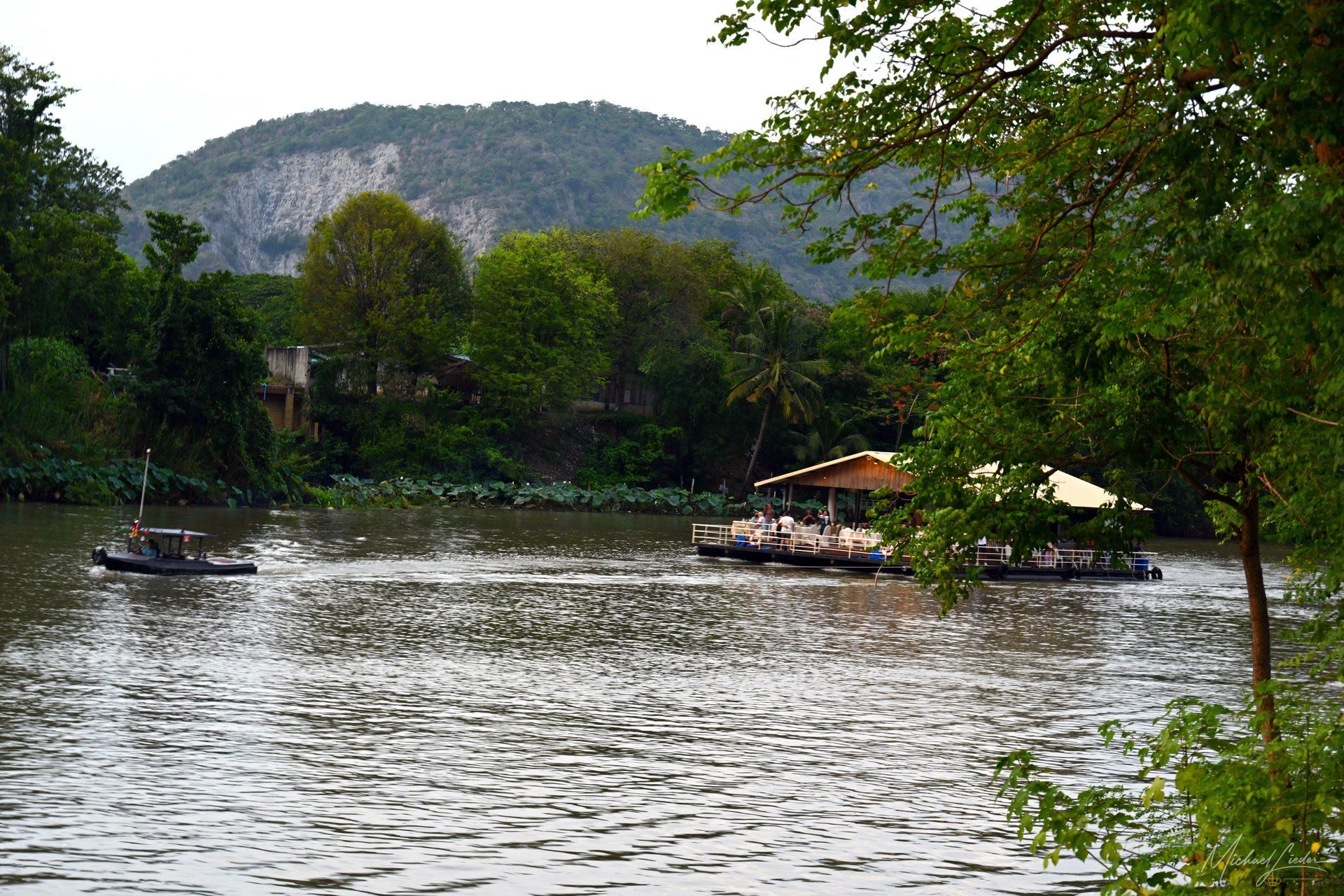
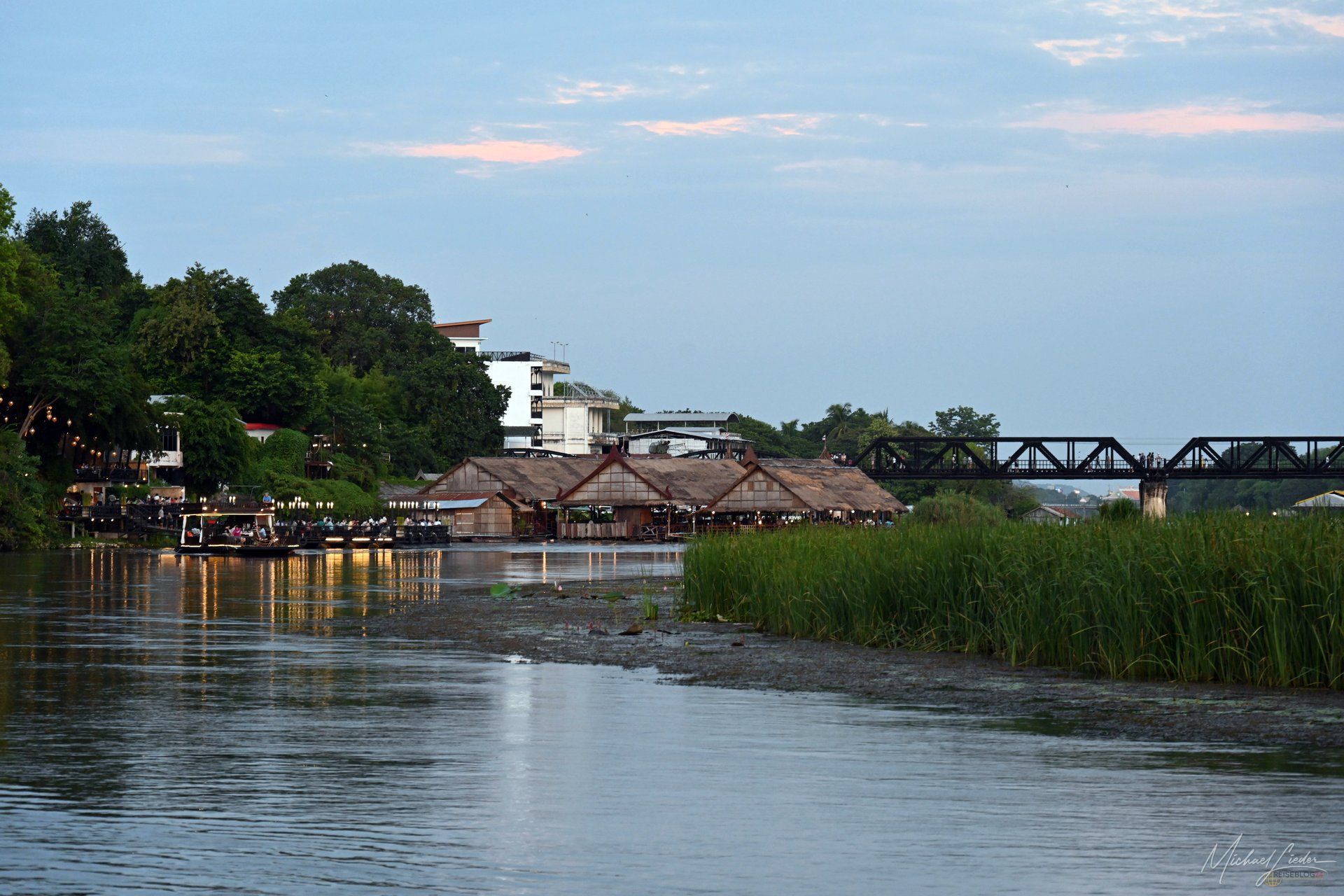
Kanchanaburi—even the name carries the murmur of a river and stories that seem to have lingered somewhere in the jungle. The town itself feels like a place where time noticeably slows down. I spent hours simply sitting by the water, a cold drink in hand, watching the river drift past—lazy and alive at the same time. From a floating raft house, the surface glitters in the evening sun; somewhere a guitar rattles along, as if it has decided to settle here for good. Many travelers come for a few days. And then stay for weeks. Because this is where you learn that stillness can be a form of movement, too.
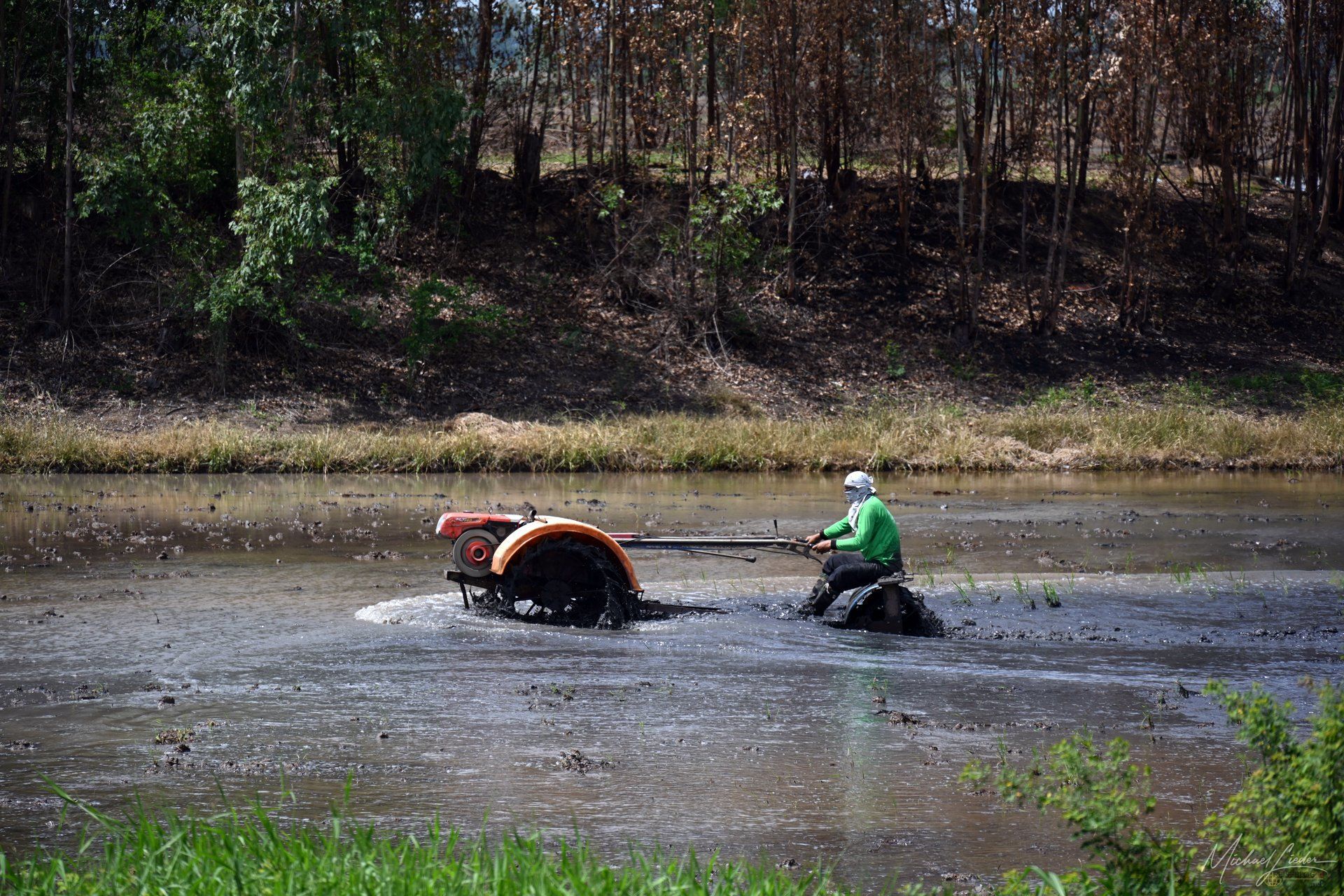
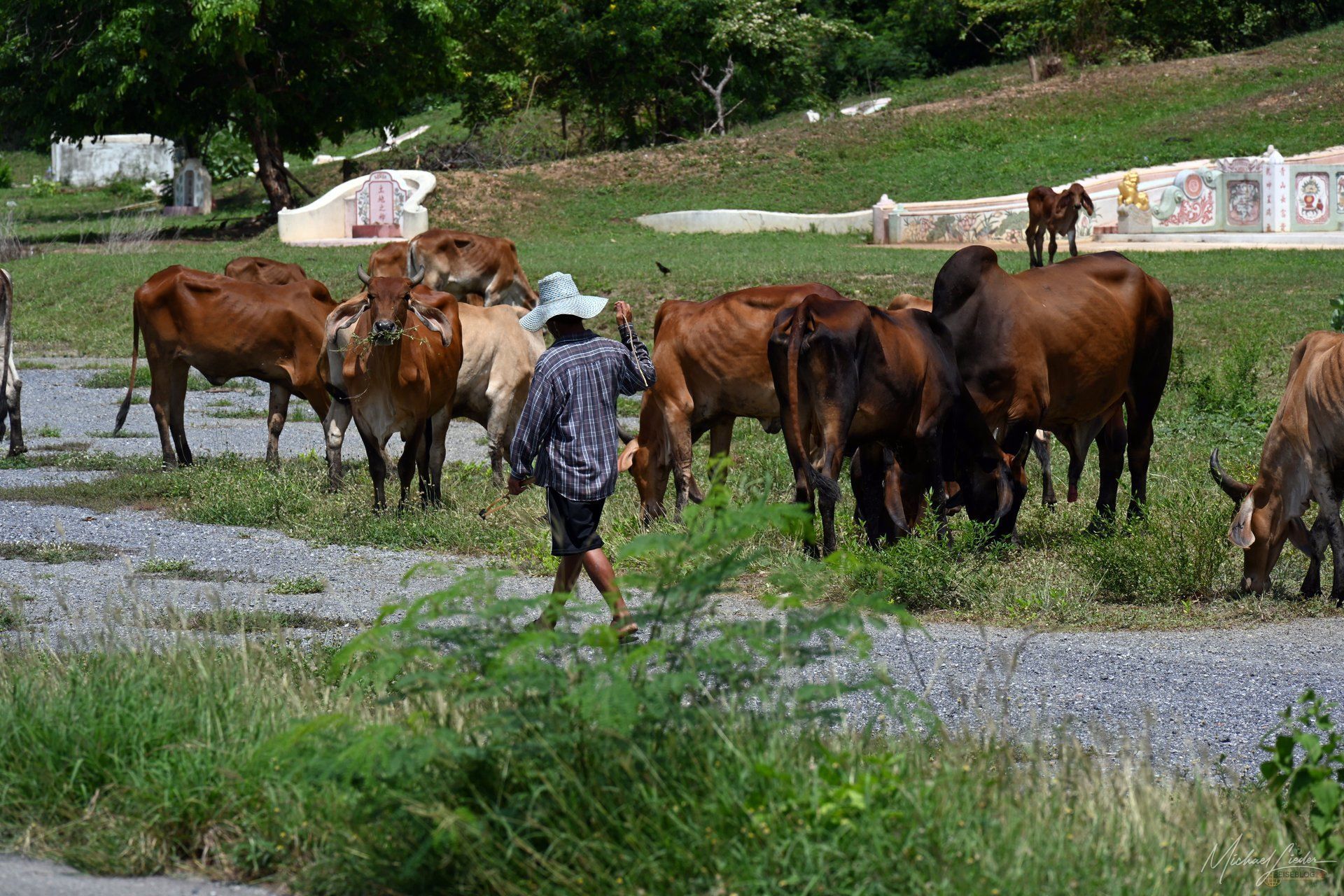
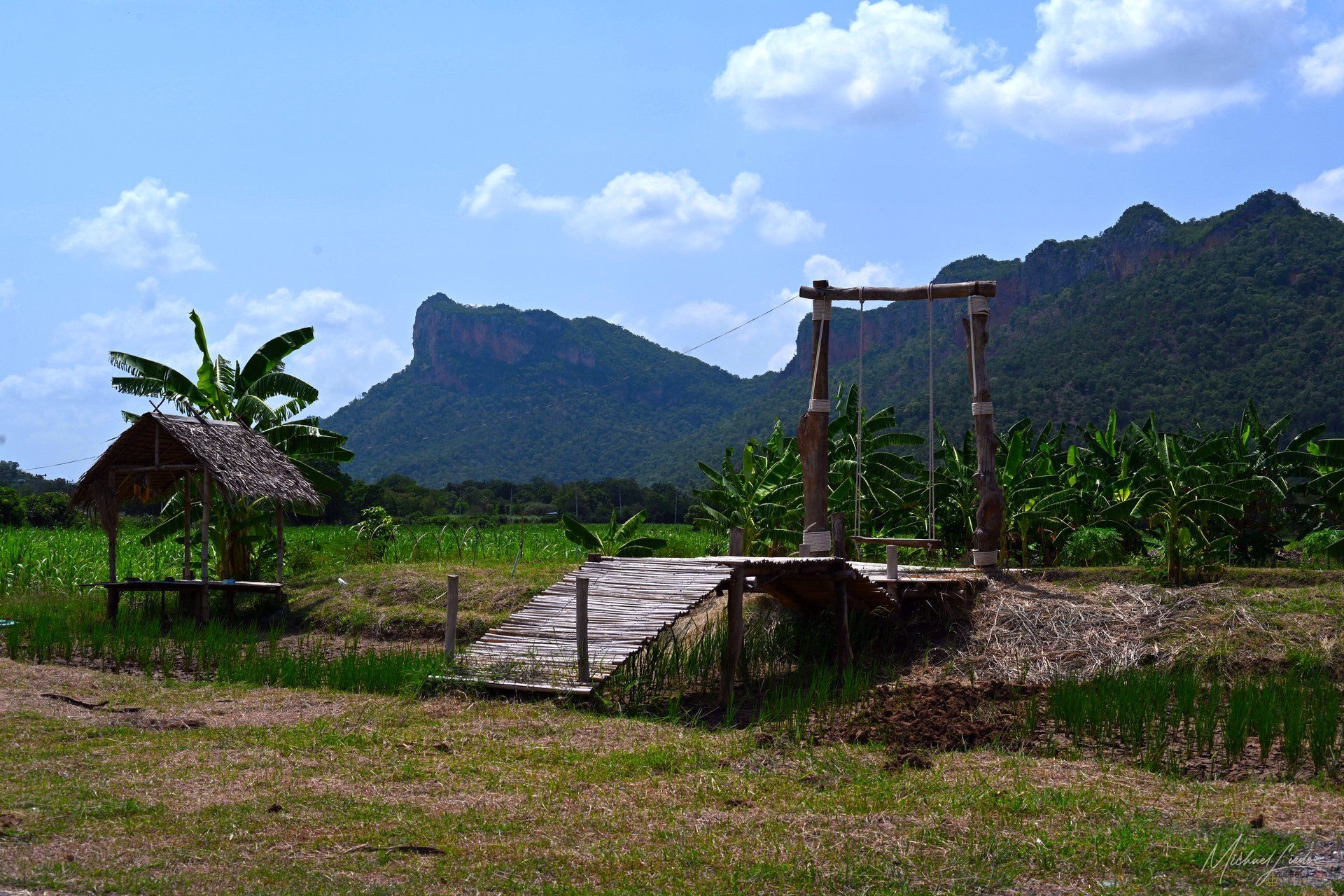
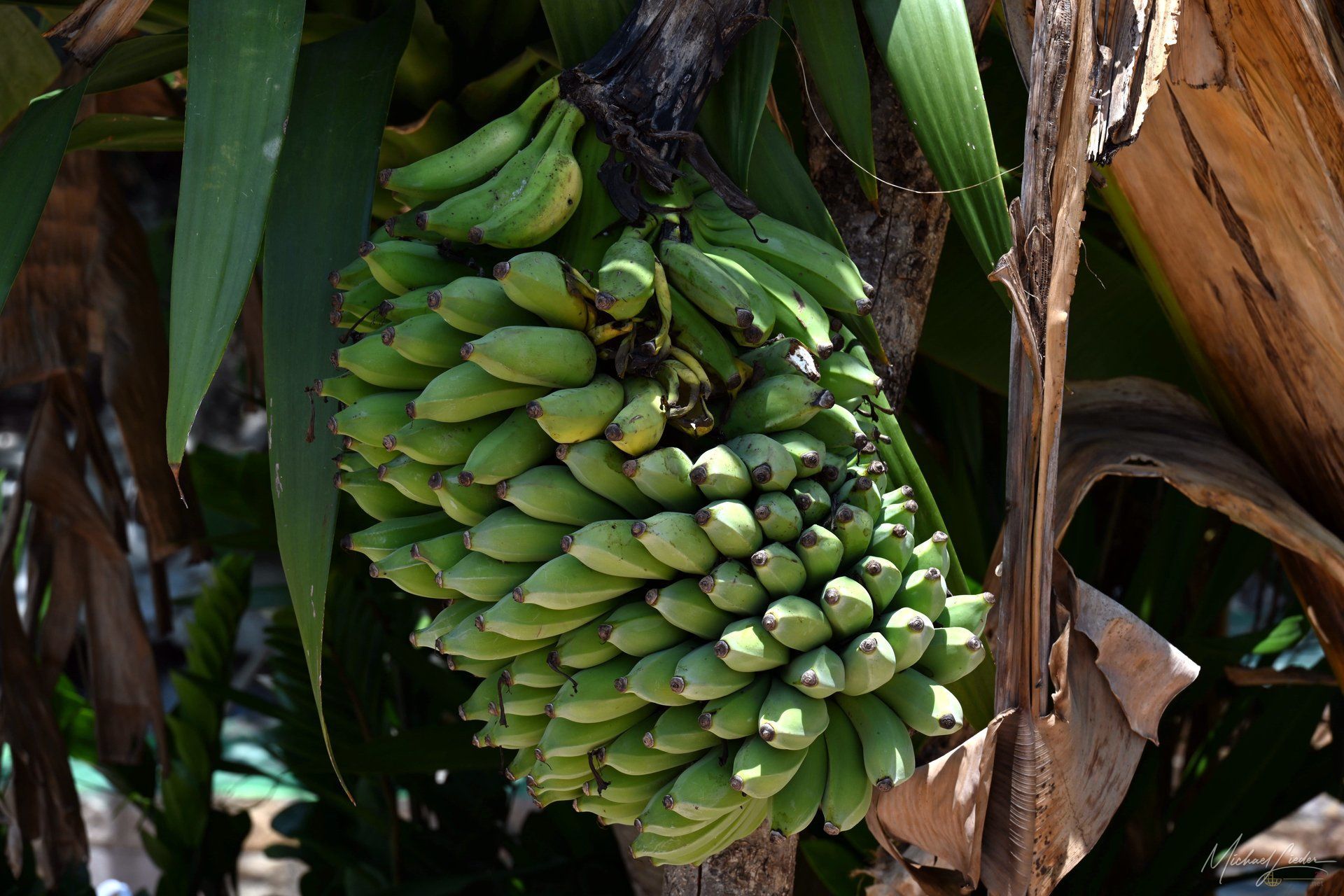
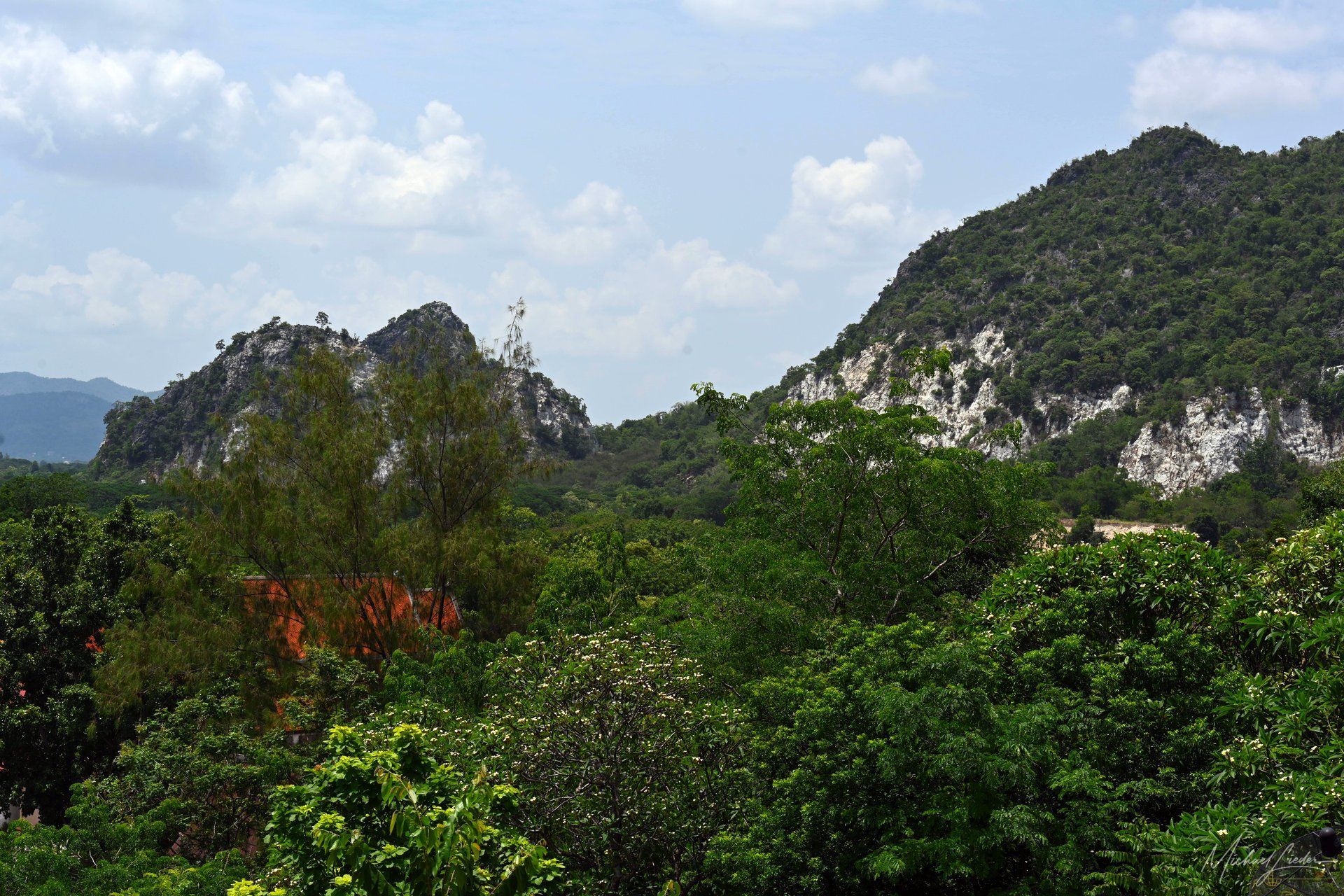
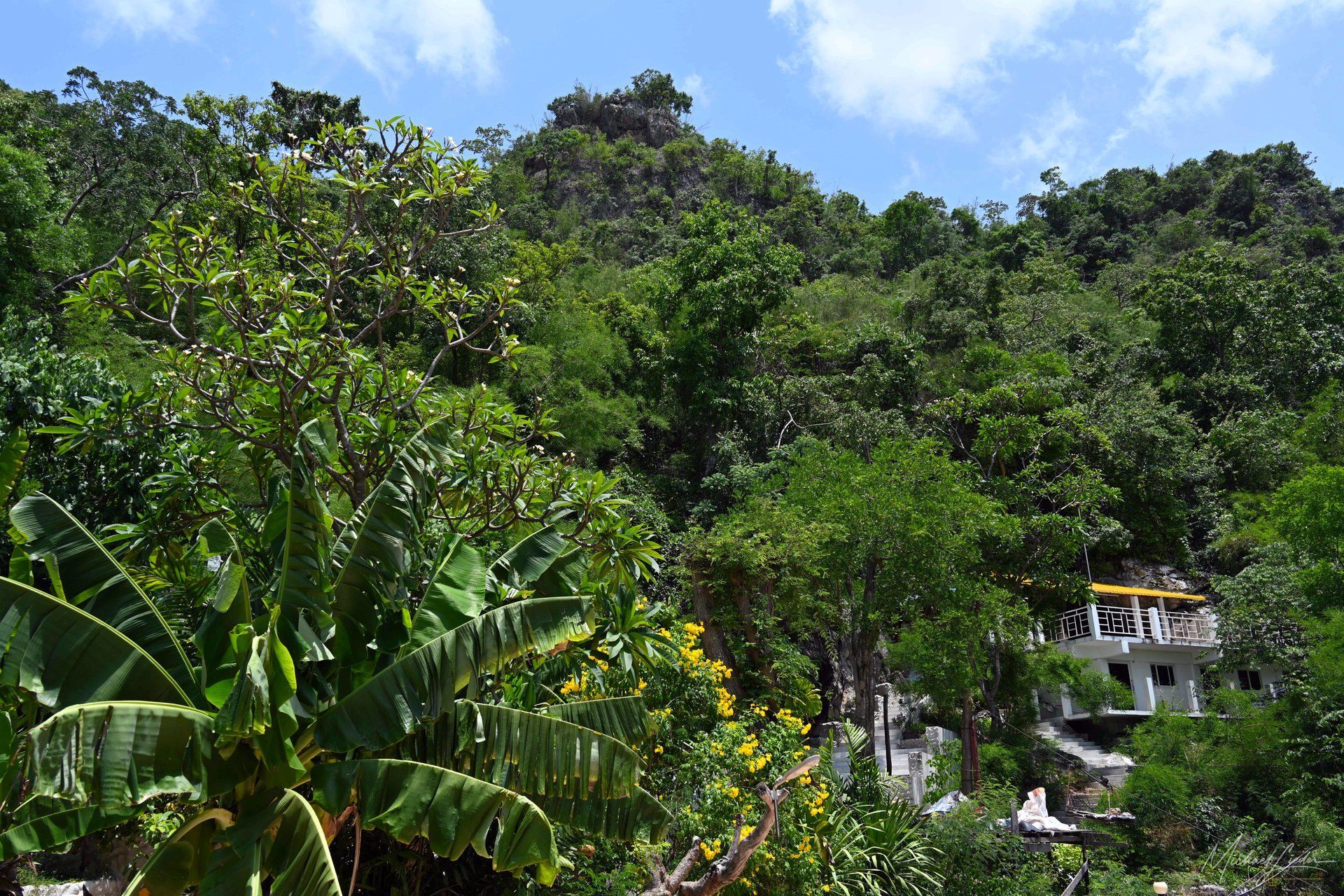
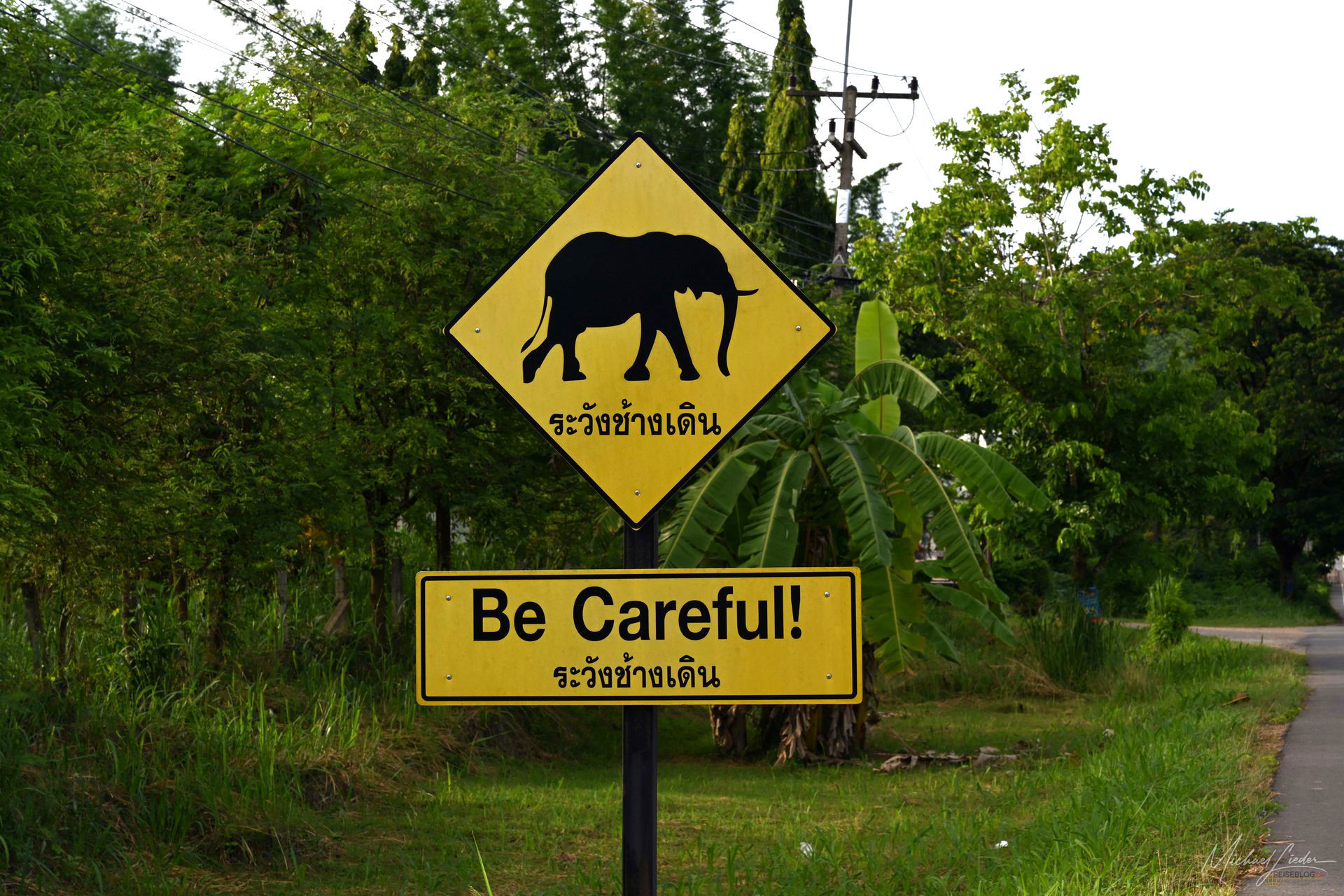
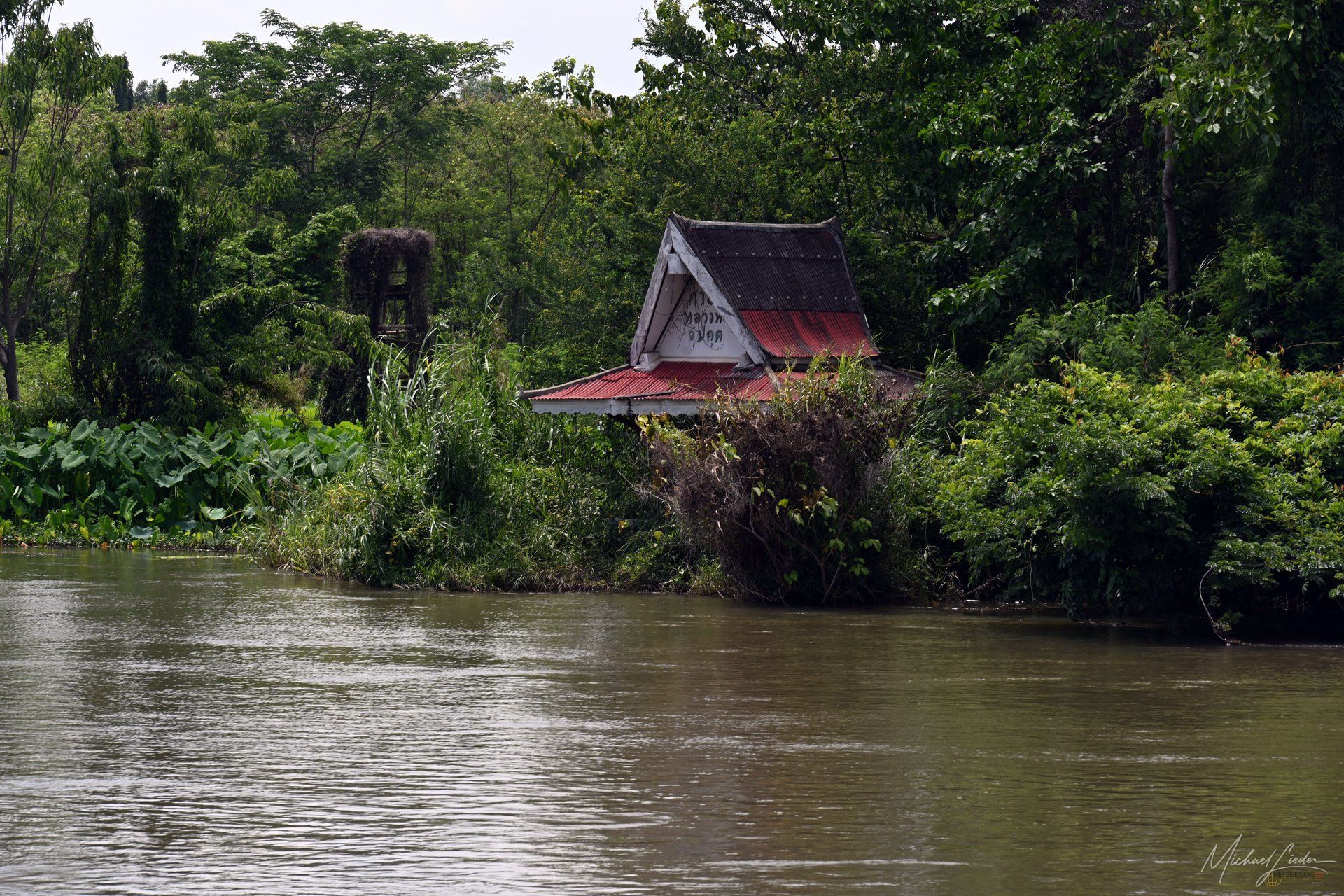
Around Kanchanaburi unfolds a Thailand you don’t just see—you feel it. Lush forests, deep-green fields, small villages where children laugh and mopeds puncture the silence. Temples hide behind banana trees, as if they have no interest in a big stage. This region is a paradise for nature lovers—and for anyone who wants to remember how good solid ground feels beneath their feet. And it’s rich in encounters with people who achieve astonishingly much with very little.
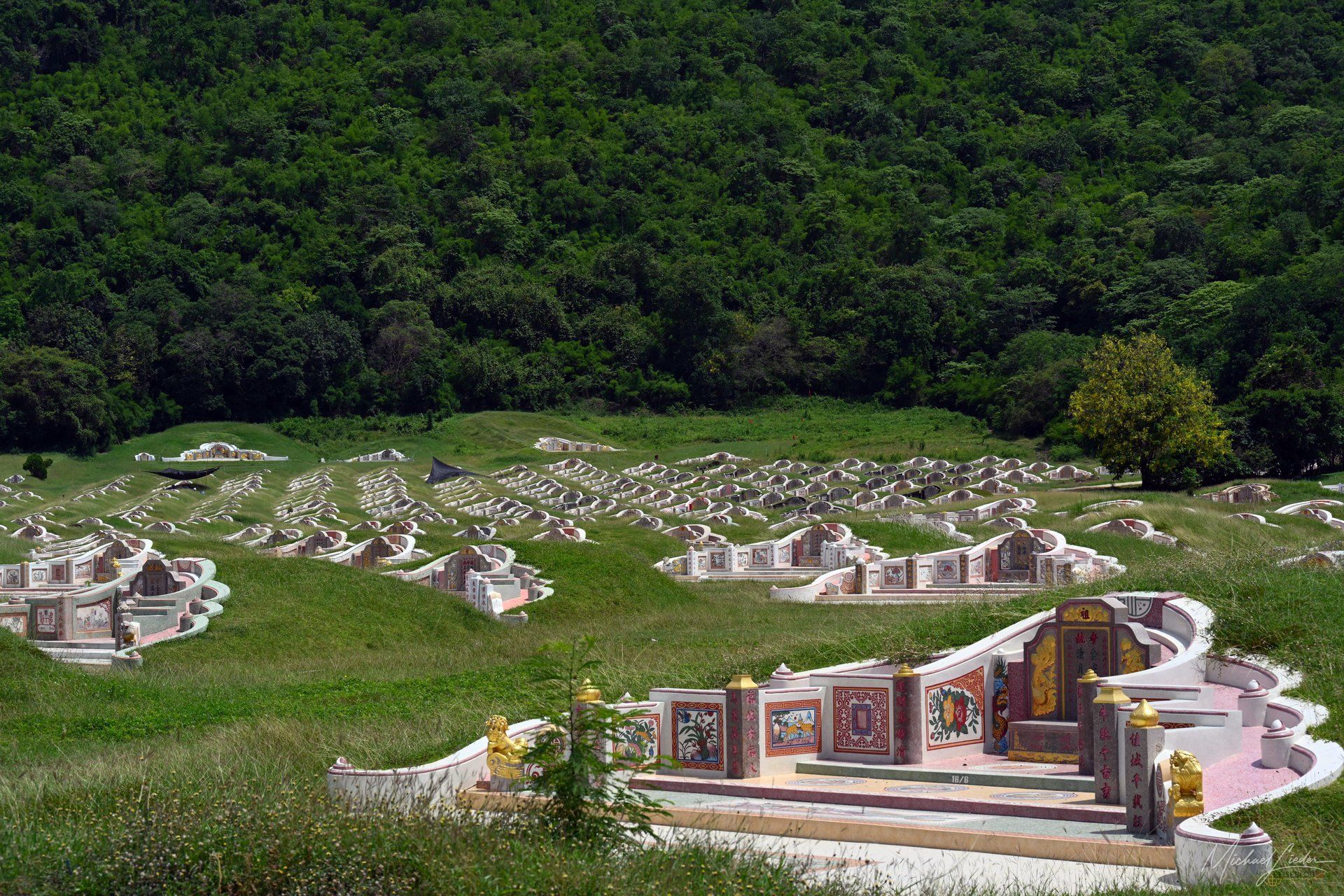
Of course, history is ever-present here. World War II left deep marks—in memorials, museums, and along the old rails of the Death Railway. But travel with open eyes and you quickly realize: Kanchanaburi is more than warning and remembrance. It’s a place where past and present sit side by side—and share tea, without drama.
Wandering the In-Between
I spent a lot of time exploring the surrounding countryside. On foot, by car, sometimes simply following my nose. I met people who showed me their homes, their stories, their everyday lives. I found places no guidebook mentions—and maybe that’s exactly why they stick. The waterfalls? “Breathtaking,” everyone says. I deliberately saved the famous Erawan National Park for another time. Because sometimes it’s nicer not to see something—so the journey has room for what happens between the destinations.
Kanchanaburi is more than a bridge over the River Kwai.
- It’s a feeling
- And it stays
Dinner on the river
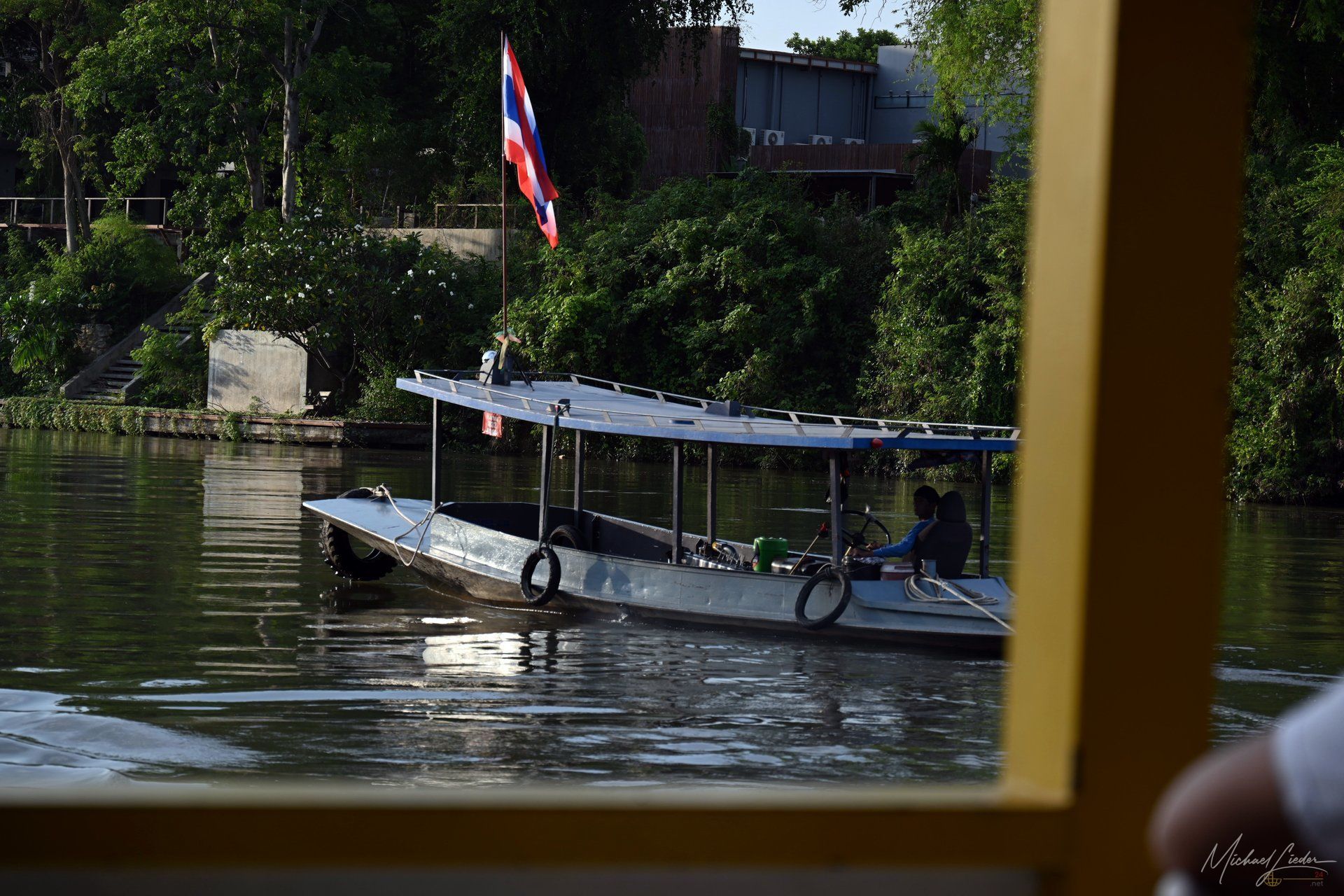
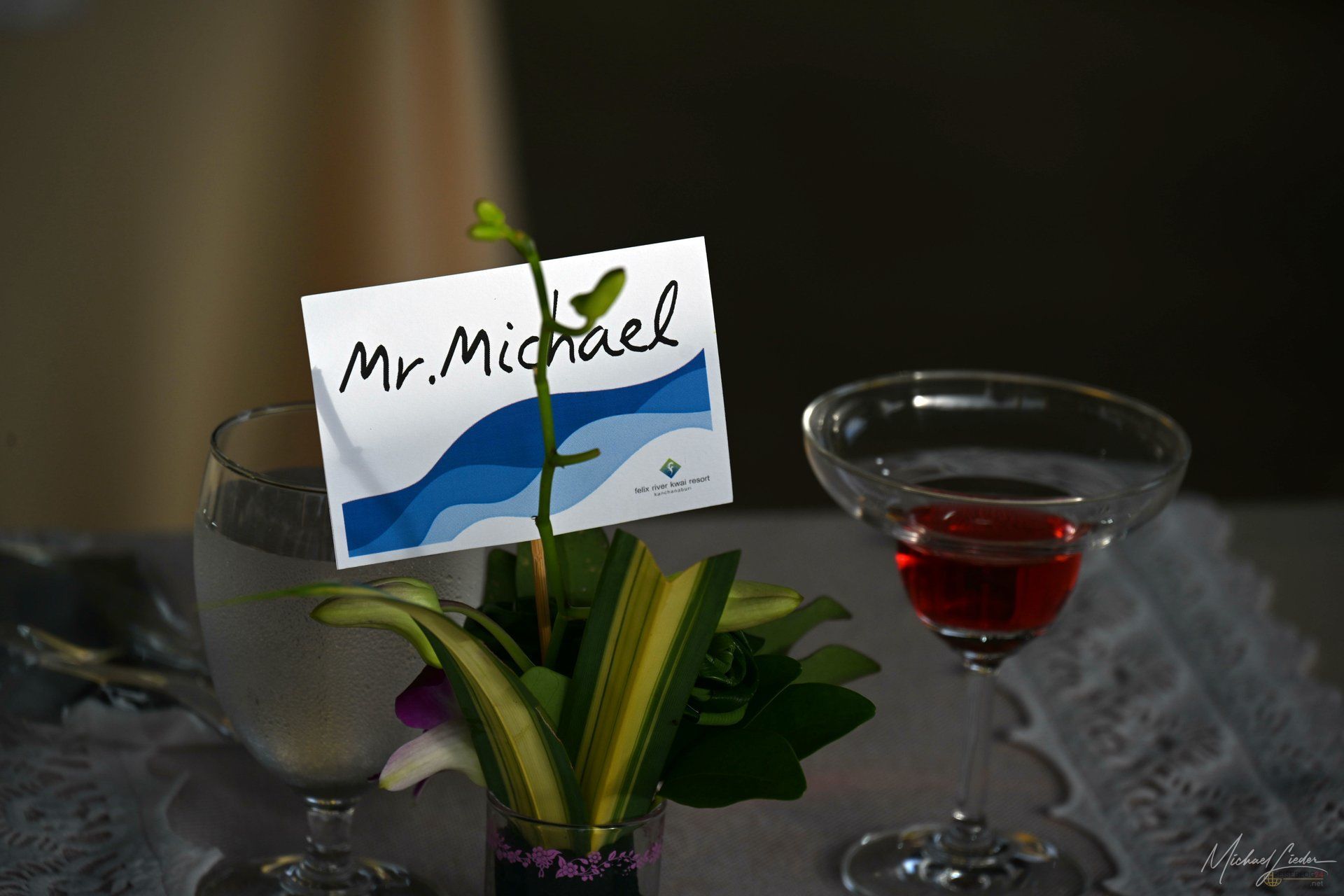
I’ll admit it openly: sometimes life wins against the plan. I had barely arrived at the hotel when a friendly lady at reception smiled at me—and before I fully understood what was happening, I was booked on a dinner cruise on the River Kwai. Spontaneity can be expensive, I thought for a brief second. But some moments are simply priceless.
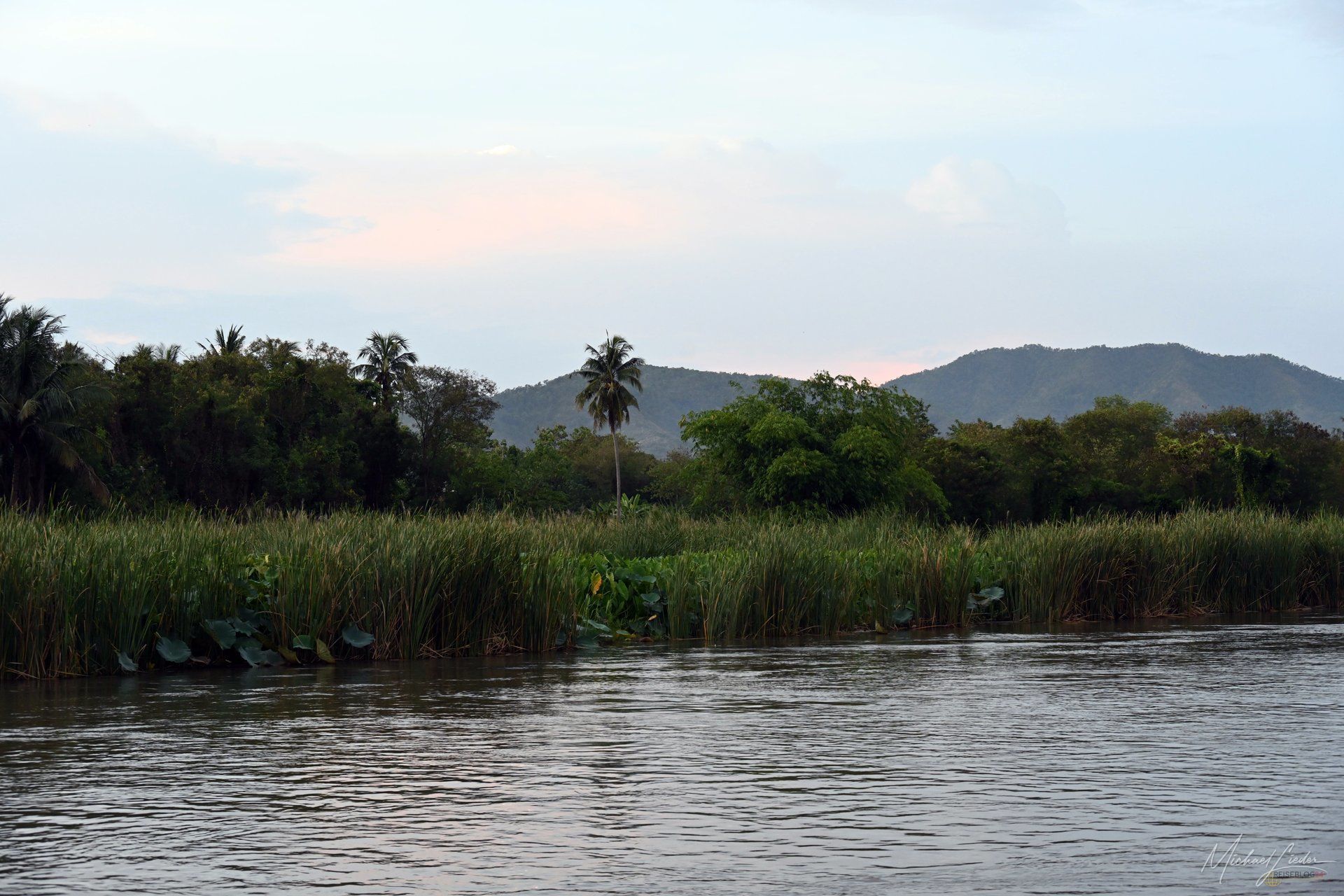
The Kwai—this legendary river, once the stage of dark history—flows calmly and peacefully through the landscape today, almost as if it wants to make you forget what happened here. And yet, its waters carry stories: of suffering and survival, of past and present. Drifting along it, you feel both at once—the weight of memory and the lightness of the moment.
Floating Through Memory & Light
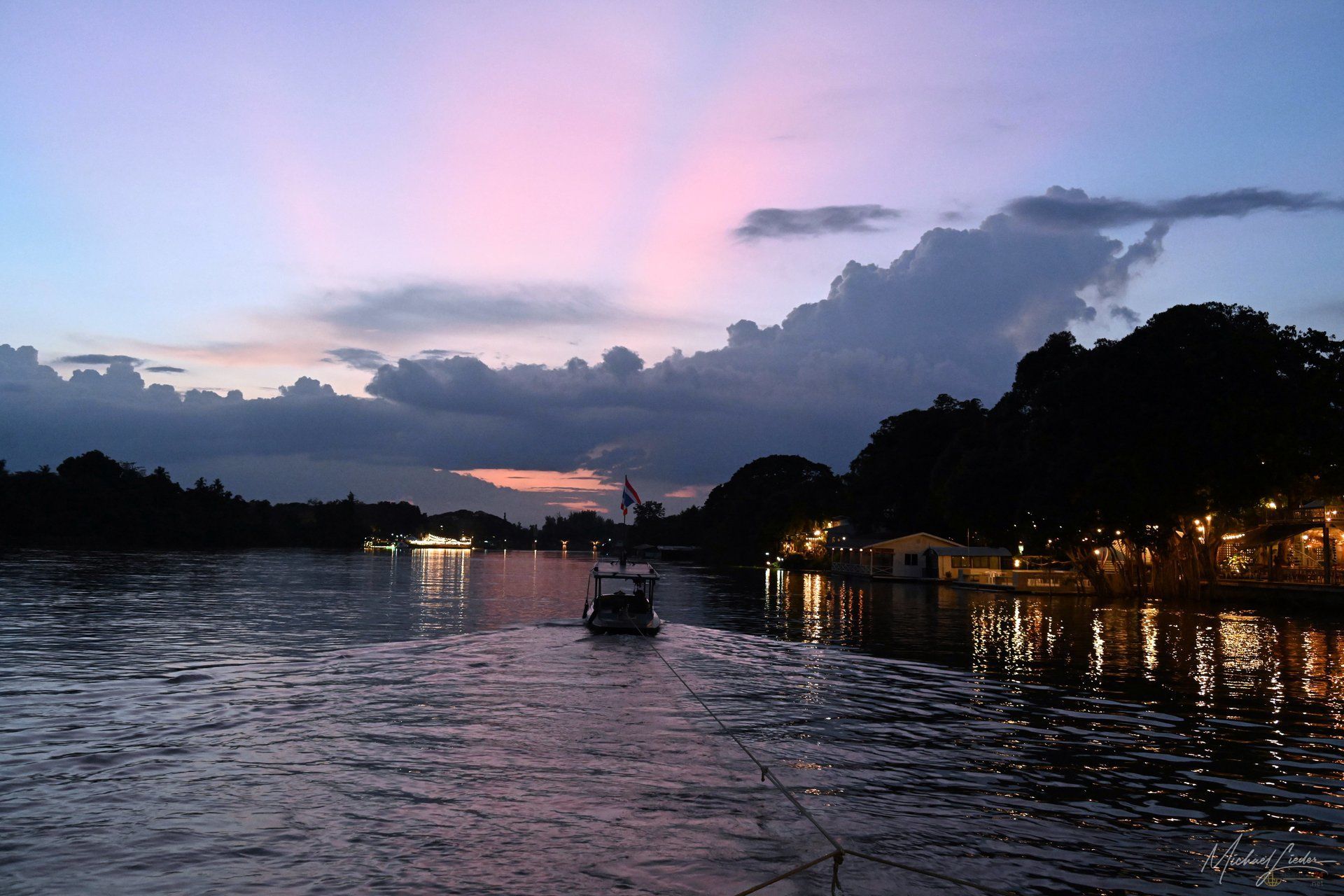
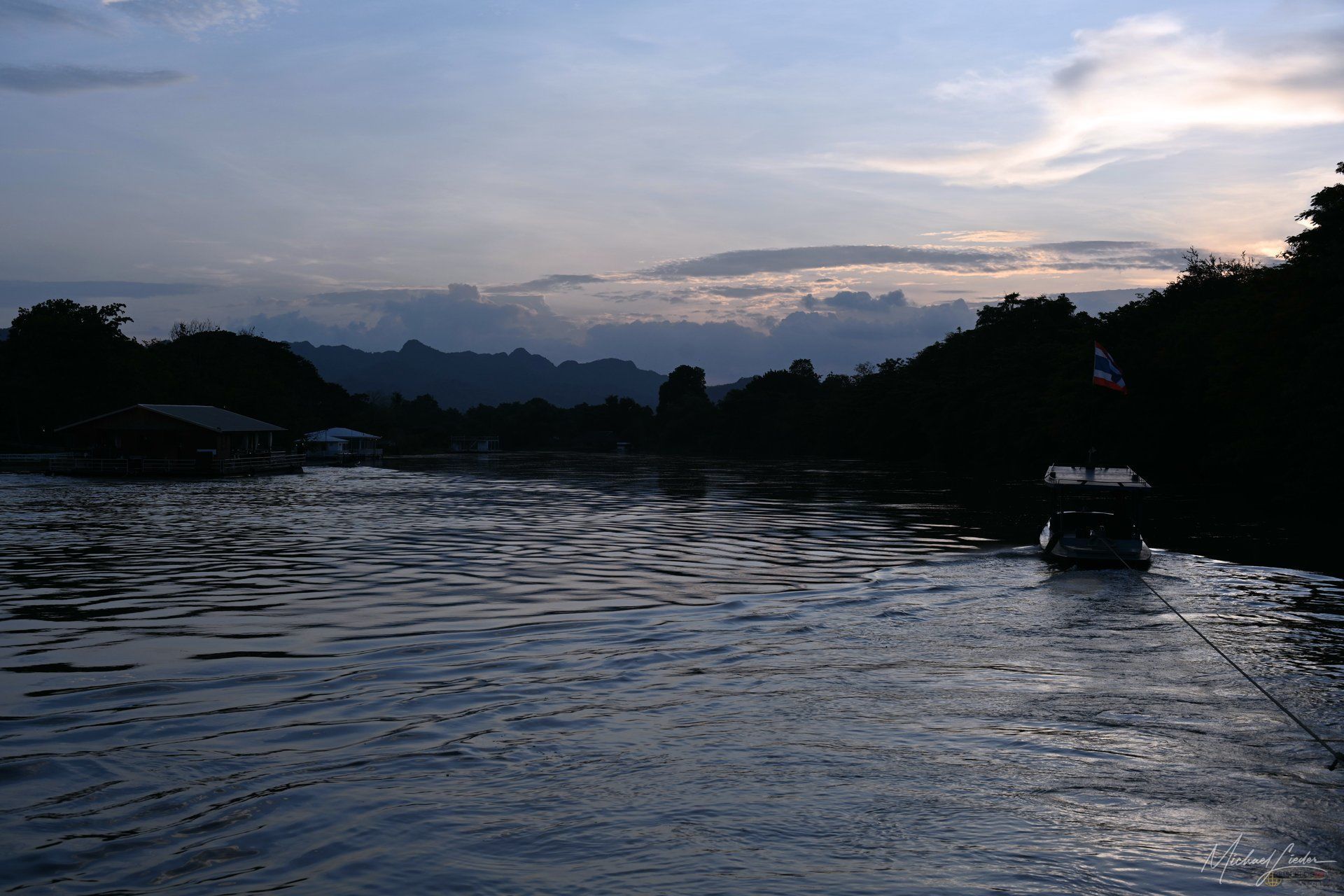
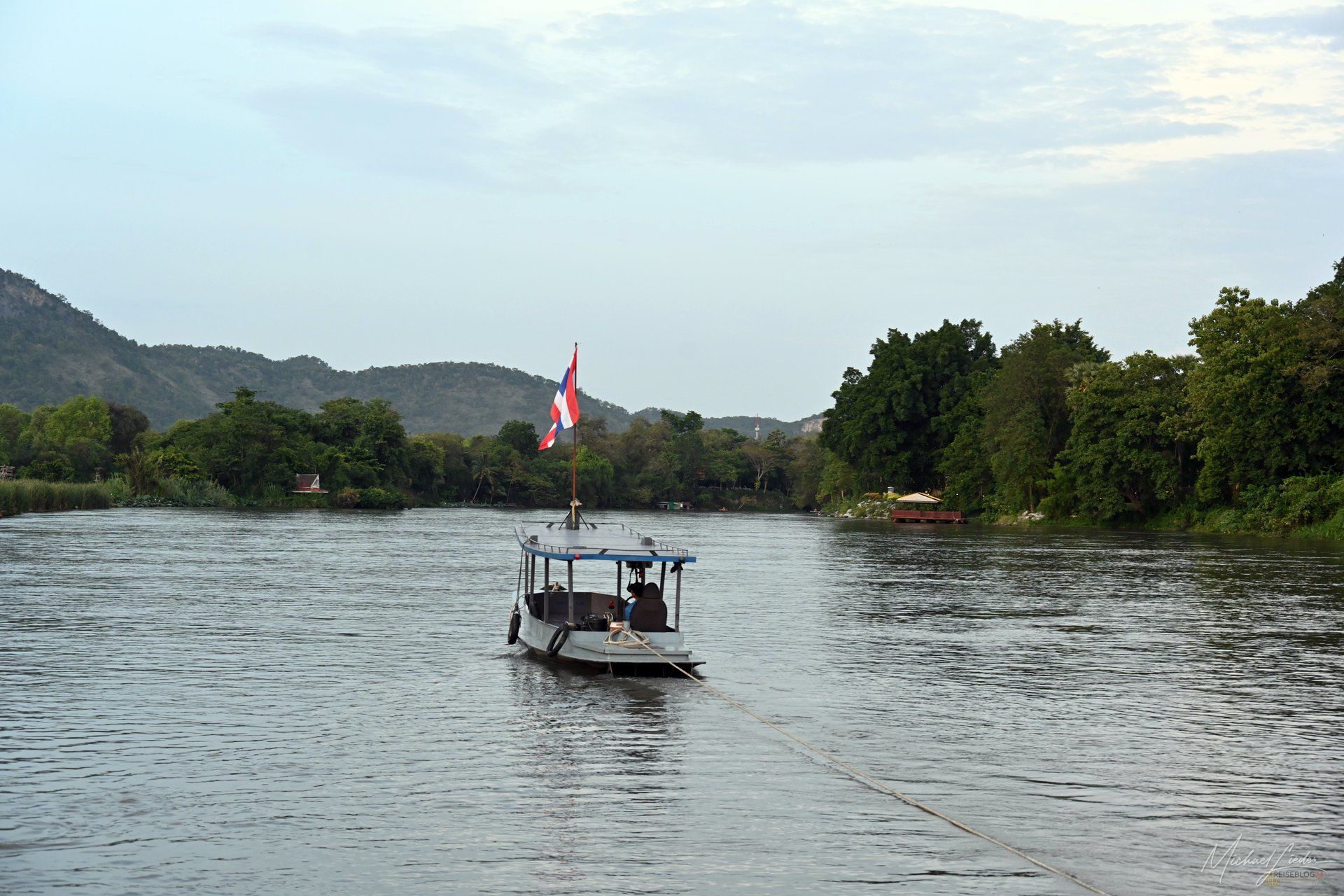
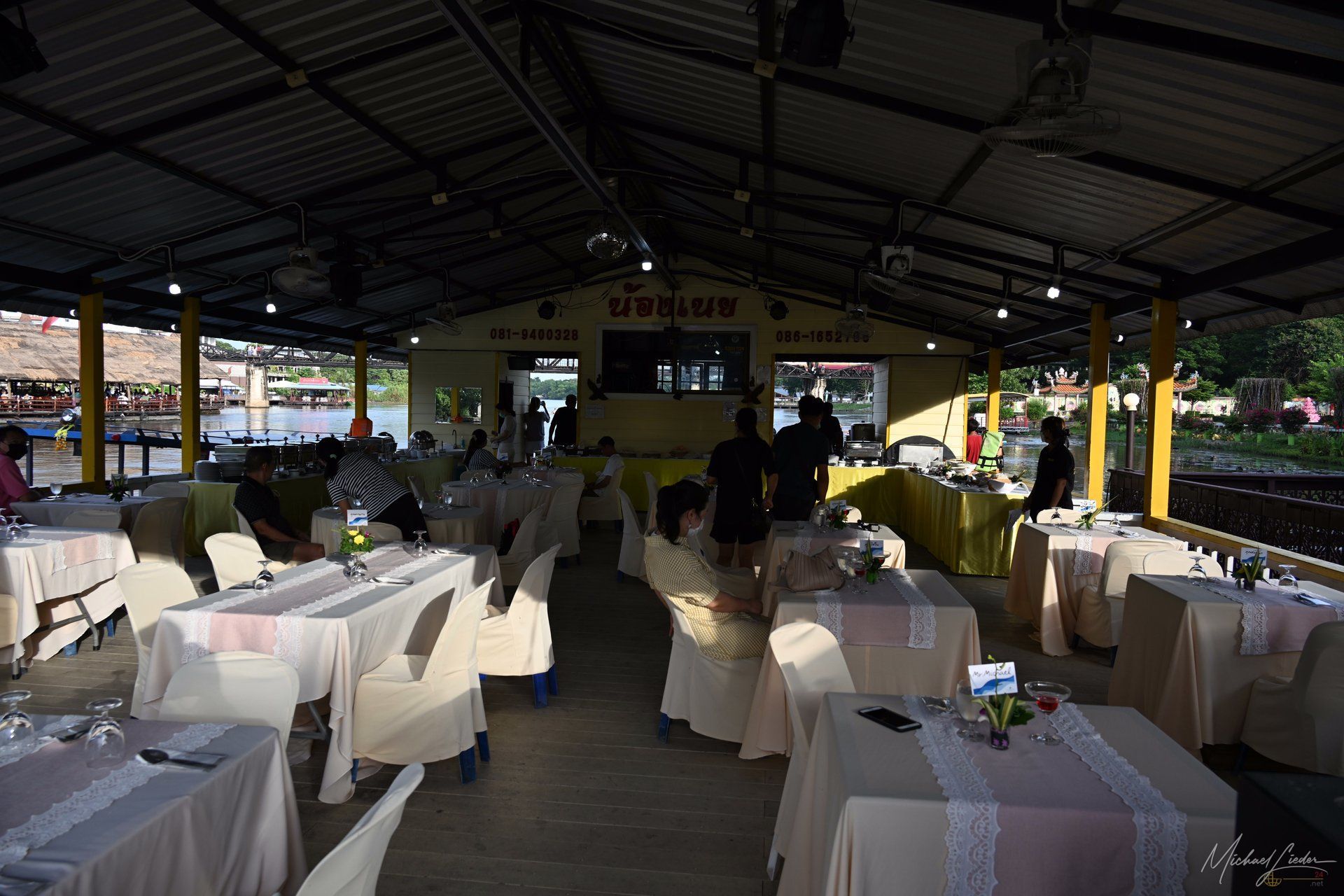
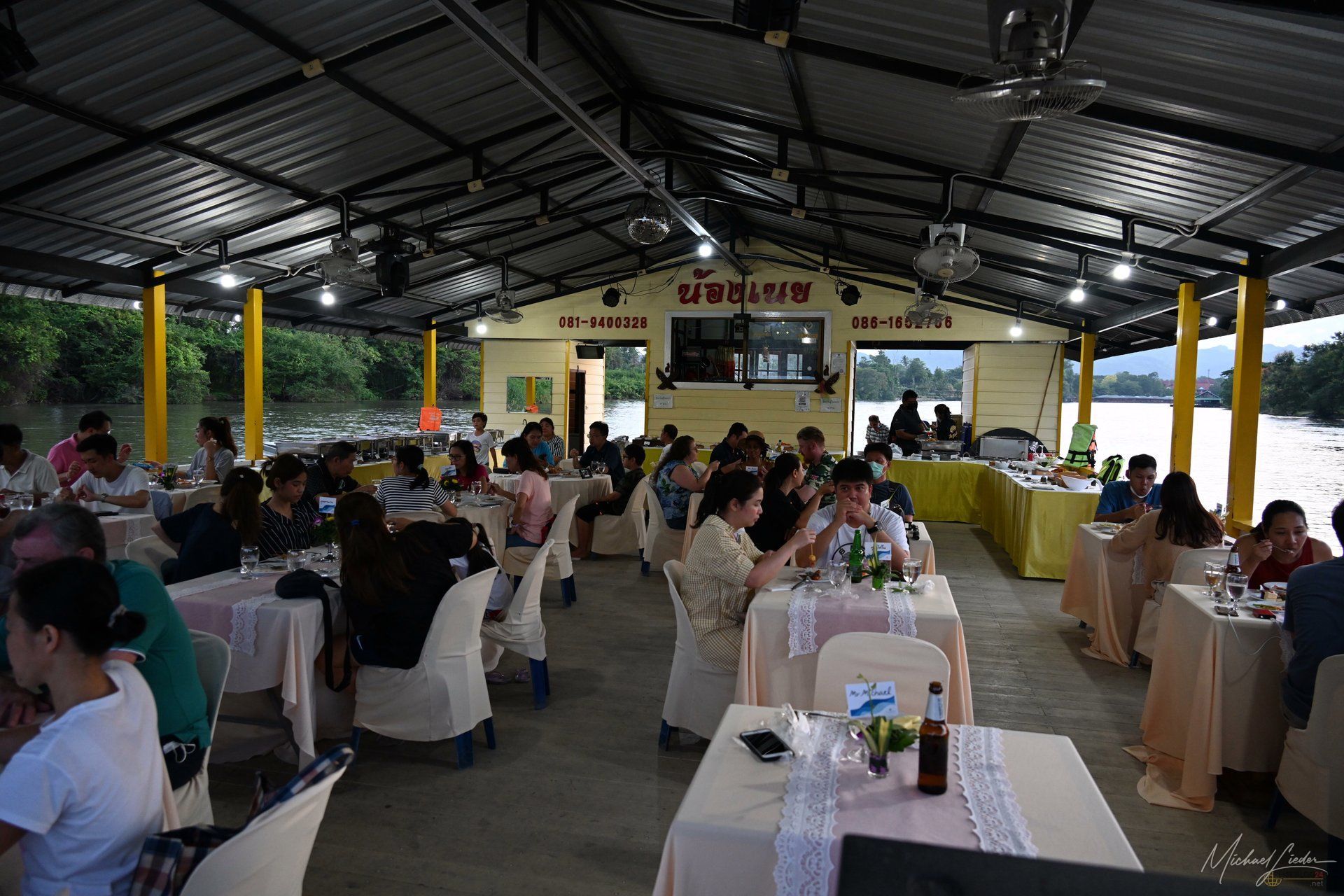
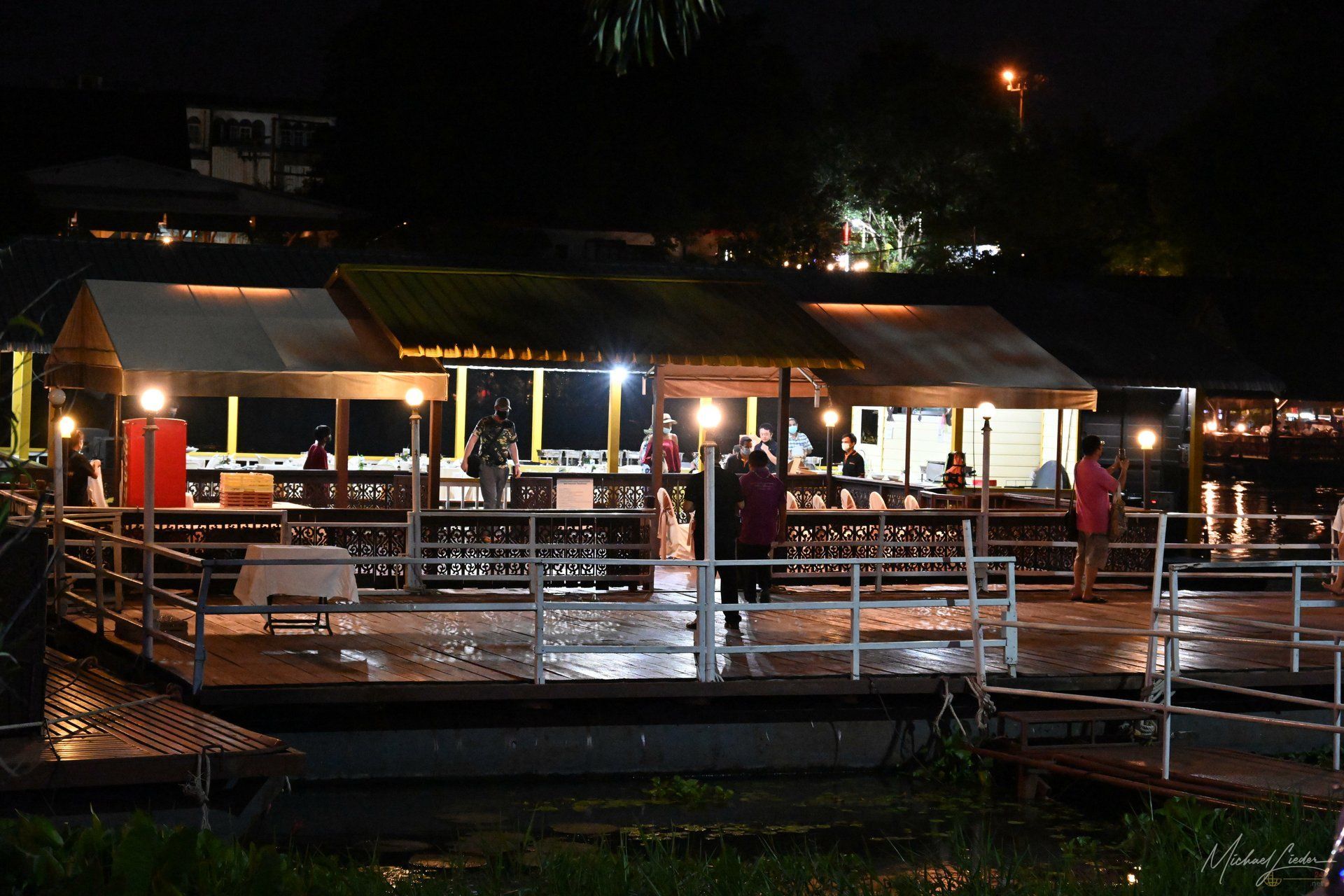
The Felix River Kwai Resort offers this small adventure once a week: a floating restaurant, gently carried by the current while the evening slowly fades into gold and blue. The air smelled of water, rice fields, and a hint of wanderlust.
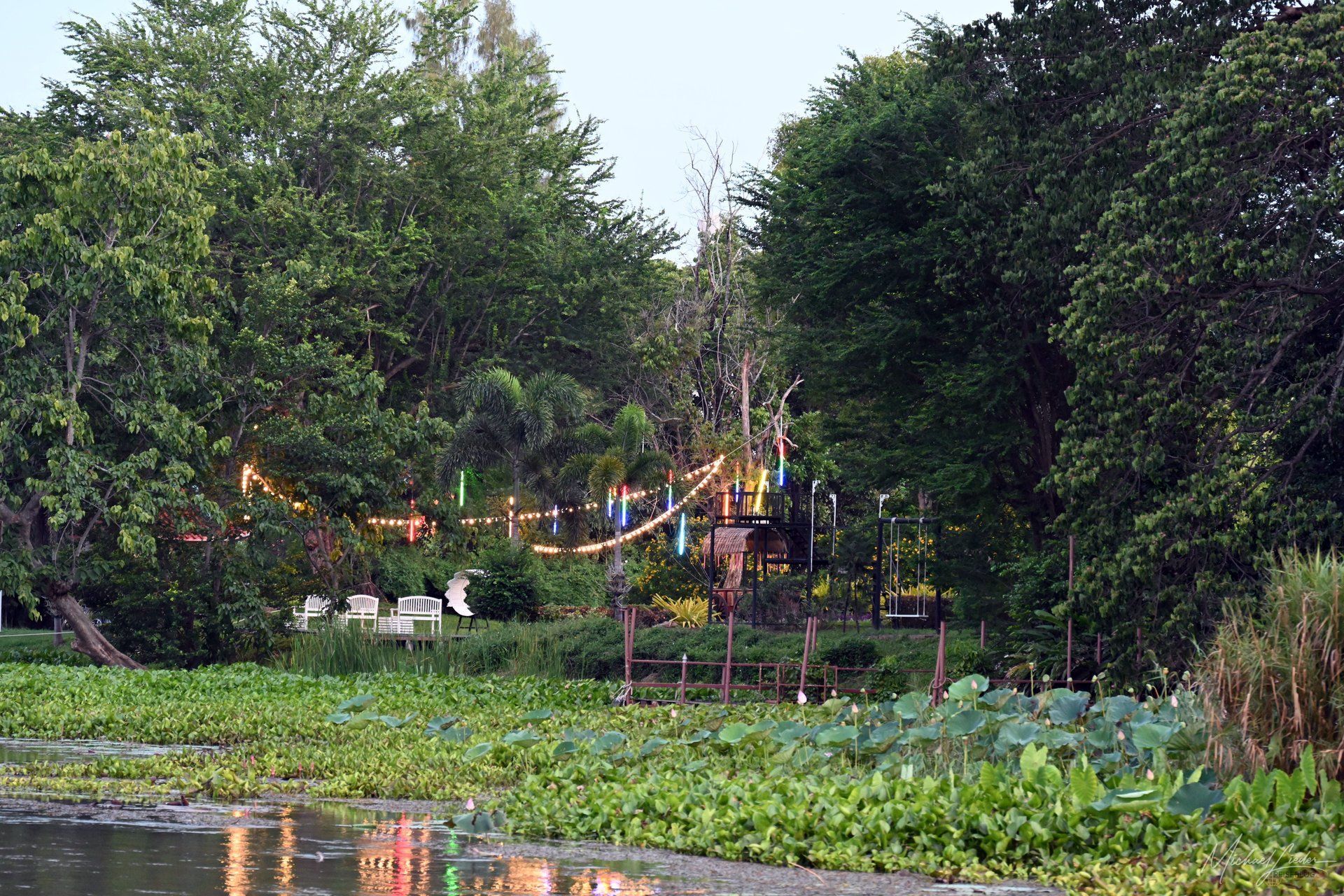
I usually avoid organized outings—too much choreography, not enough soul. But this evening was different. The heavy raft glided along at an unhurried pace. Lights shimmered on the surface of the river, a dog barked somewhere on the shore, and from the deck you could watch life along the river simply continue—calm, real, unpretentious. The buffet was surprisingly good, the dishes prepared with care.
And as I stood there with a cold drink in my hand, watching the lights of Kanchanaburi blur on the horizon, I thought: This is what travel feels like. A little luxury. A little coincidence. And a whole lot of life in between.
By the end of the evening, I was full, content—and quietly grateful. For this moment. For the river. For this small piece of Thailand that showed me how even places with a heavy past can radiate peace today.
If you look closely. And allow yourself to drift.





10 Tips for Adventure Travelers Around
Kanchanaburi
- Take the train—at least for a stretch
Even if you arrive by car like I did: riding the Death Railway is mandatory. Slow, rattling, uncomfortable—and precisely for that reason, the perfect way to understand Kanchanaburi.
- Walk the Wang Pho Viaduct (with respect)
The Wang Pho Viaduct isn’t for the rushed or the faint of heart. Early morning or late afternoon brings magical light—and an impressive stillness.
- Stay by the river, not in town
Raft houses on the River Kwai are more than accommodation—they’re an experience. Falling asleep to water sounds works better than any meditation app.
- Rent a scooter—and ride without a goal
The real adventure lies in the countryside around Kanchanaburi. Small villages, temples hiding behind banana trees, nameless roads—that’s where travel actually happens.
- JEATH Museum: go—but with an open mind
The JEATH War Museum isn’t perfect, nor always precise—but it’s emotional. It unsettles you, and that’s exactly why it matters.
- Erawan National Park early—or not at all
The waterfalls in Erawan National Park are spectacular—early. After that, it’s more Instagram than adventure.
- Stay at least three nights
Kanchanaburi doesn’t reveal itself in passing. One night lets you see a lot—but understand very little.
- Eat where the menu isn’t in English
Street food and tiny eateries off the main roads deliver the best conversations—and the most honest pad thai of your trip.
- Respect the history—especially when photographing
Tracks, bridges, cemeteries: these aren’t backdrops. Fewer poses, more pauses. Your photos will be better—promise.
- Plan intentional gaps
Kanchanaburi works through pauses, not checklists. Sit by the river. Watch. Listen. Adventure often begins exactly where nothing seems to be happening.